Up next in 10



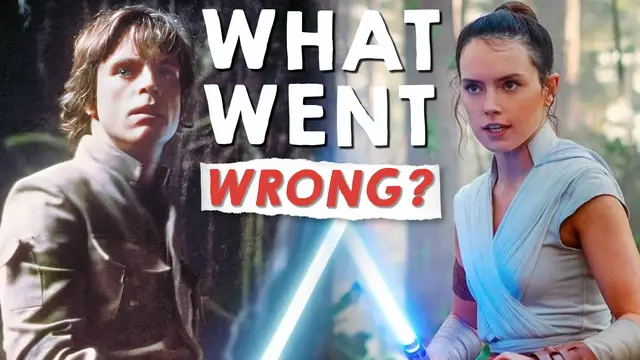
Lightsaber Duels used to mean something. The greatest Star Wars battles were never about flashy choreography or big set pieces, they were about emotion. Whether it was Obi-Wan sacrificing himself in A New Hope, Luke resisting the Dark Side in Return of the Jedi, or Obi-Wan and Anakin's heartbreaking clash in Revenge of the Sith, every swing of the lightsaber reflected the characters' inner conflict.
Show More Show Less View Video Transcript
0:00
You are beaten
0:04
It is useless to resist. Don't let yourself be destroyed as Obi-Wan did
0:10
A duel in Star Wars used to mean something. More often than not, when you think back to them
0:14
you don't think about the parries or slashes. You think about the aftermath. You remember how you felt when Obi-Wan's cloak fell
0:21
after Darth Vader's lightsaber ran him through. The shock at seeing a mentor or main character die way too soon
0:27
You barely have a recollection of the choreography or special effect-laden force moves
0:32
You remember the end of the conversation, because that's what the duels used to be
0:37
I'll never turn to the dark side. You failed, your highness. I am a Jedi, like my father before me
0:46
A clashing of ideas, albeit voiced by magic space rock laser swords
0:51
And somehow, over the years, that back and forth gave way to athletic but overwrought spectacle
0:56
But the more technically impressive they'd become, they'd begun to leave us cold
1:01
losing what made them iconic to begin with. I felt a great disturbance in the Force
1:05
as if millions of voices suddenly cried out in terror and were suddenly silenced
1:10
The greatest lightsaber duels in Star Wars history are almost never the fastest or most complicated
1:16
They're the bits where you completely understand the emotional stakes without anybody needing to explain them out loud
1:21
a lot of which goes back to the DNA of Star Wars itself. George Lucas was never just making a generic science fiction movie
1:28
Early Star Wars is basically a giant mishmash of Flash Gordon serials
1:32
westerns, and most importantly, old samurai films. You can feel Akira Kurosawa all over the original trilogy
1:39
especially movies like The Hidden Fortress and Seven Samurai. The Jedi weren't originally imagined as superheroes
1:45
They were wandering spiritual warriors, monks of an antiquated religion, carrying ancient weapons in a dying world
1:51
Even Darth Vader looks less like a traditional sci-fi villain and more like some demonic samurai
1:57
spirit from Ronin Warriors. And because Lucas was drawing so heavily from samurai cinema
2:02
the early lightsaber duels inherited a lot of those storytelling instincts too
2:06
The fights were patient and deliberate with characters sizing one another up
2:10
They circled each other slowly, giving moments of complete silence other than the hums of the lightsaber to build tension
2:16
that's why the duel between obi-wan and vader in episode 4 still works on an emotional level
2:25
even though it's easy to joke about the stiff choreography now an elder statesman theater actor
2:30
squares off against a dubbed over weightlifter while they gently tap elongated glow sticks
2:35
together and barely move their feet but the duel was never designed to impress audiences with
2:39
choreography it was designed to feel tragic obi-wan knows he's probably gonna die and vader
2:44
sounds almost emotionally exhausted underneath all the menace. The pacing is slow because the scene
2:49
wants you to understand their history together When Vader says When I left you I was but a learner Now I am the master That line carries more dramatic power than most modern action scenes do with 10 times the visual
3:02
effects budget because it has something very specific to say about these two characters
3:07
The movie understands that the emotional context is what makes the fight meaningful
3:11
That philosophy reaches its peak in Return of the Jedi, which still might contain the greatest
3:15
lightsaber duel the franchise has ever produced. What's interesting about Luke vs. Vader in that
3:20
movie is how little the actual choreography matters compared to the emotional dynamics
3:25
underneath it. Nobody watching this scene is thinking about technical swordsmanship. We're
3:29
wondering how both of these characters are being goaded by the real villain off to the side
3:34
The real question of the duel isn't who's the better swordsman, it's whether Luke is going to
3:38
become his father. And because that emotional conflict is so strong, every tiny moment inside
3:43
the choreography really means something. Early in the fight, Luke hides in the shadows because
3:48
he's afraid and conflicted. Vader calmly stalks him through the darkness. When Vader threatens
3:52
Leia, Luke finally gives in to what they want and breaks. John Williams' score erupts and Luke
3:58
starts hammering Vader with these furious, almost sloppy overhead strikes. What makes the moment
4:03
powerful is that Luke suddenly stops fighting like the Jedi we saw in the movie's opening
4:08
Every strike slamming against Vader's lightsaber is emotional choreography and storytelling at its
4:13
finest. Then comes maybe the single most important visual moment in the entire franchise. Luke cuts
4:19
off Vader's hand, looks down at the exposed wires, then glances at his own robotic hand
4:24
In one silent visual parallel, Luke understands exactly what he's becoming. And that's why the
4:29
scene is still so monumental decades later, not because the sword fighting is technically amazing
4:34
but because the emotional storytelling is so clean and mythic that every moment feels important
4:40
Then the prequels happened, and lightsaber duels fundamentally changed forever. To be fair, this evolution made total sense at the time
4:46
George Lucas finally had the technology to depict Jedi the way he always imagined them
4:51
The prequel era was intended to show the Jedi Order at the height of its power
4:55
So naturally, the fights became more acrobatic and more elaborate. And when Star Wars Episode I
5:00
The Phantom Menace introduced Darth Maul, audiences genuinely had never seen anything like that before
5:06
The second Maul ignites the double-bladed lightsaber, the entire language of Star Wars combat changes instantly
5:12
If we're being honest, though, the Duel of Fate sequence still kind of rules
5:16
Part of why it works so well is because there's still emotional storytelling underneath all the early aught spectacle
5:22
There's a dichotomy between Jedi Qui-Gon who fights calmly and coldly calculated
5:26
while the less experienced Padawan Obi-Wan fights emotionally and impulsively. There's still that patient waiting
5:32
while Maul is literally held back by the scenery. When Qui-Gon does die in another bit of history rhyming
5:38
Obi-Wan's fighting style immediately changes. He's become reckless and furious much the same way Luke did with Vader
5:44
in an attempt to show us their parallels Even though the choreography is far more elaborate than the original trilogy the emotions are still readable through the action Again it like poetry so they rhyme However the prequels also accidentally created a problem that Star Wars never fully escaped from
6:00
They trained audiences to expect escalation, and eventually some fights started feeling less like
6:06
emotional confrontations and more like highly rehearsed stunt showcases. You can specifically
6:11
feel this divide in fights like Yoda versus Count Dooku in Attack of the Clones. Audiences
6:16
lost their minds seeing Yoda suddenly bouncing around the room like a pinball with a lightsaber
6:21
But emotionally, there's not much happening underneath it. The scene mostly exists because
6:25
audiences wanted to see Yoda fight. Still, when the prequels fully locked in emotionally
6:34
they created some of the most powerful duels in the franchise. The most obvious example being the
6:38
climactic Obi-Wan versus Anakin duel in Revenge of the Sith. That fight is basically a full
6:43
encapsulation of the story. Lava explodes everywhere while giant machinery is crashing
6:48
apart. On paper, it should feel ridiculous. But the reason the duel works is because the emotional
6:54
foundation underneath it is so strong. These aren't enemies who've hated each other from the
6:59
beginning. They're a family that's chosen different paths. The choreography constantly reinforces that relationship too. They mirror each other's movements because they've trained
7:08
together for years. Obi-Wan spends large sections of the duel fighting defensively because he doesn't
7:13
want to kill Anakin. Meanwhile, Anakin fights with overwhelming aggression because he's consumed by
7:18
ego and rage. The fight becomes emotionally exhausting on purpose. It's not elegant or
7:23
restrained. It feels like watching a friendship die in real time. It's over, Anakin! I have the
7:29
high ground! And weirdly enough, after the excesses of the prequels, it was the animated Star Wars
7:35
show that started bringing back some of the older samurai storytelling instincts. Fights had the
7:40
same long and drawn-out tension just before an explosion of action. In Star Wars Rebels
7:44
we saw a similar approach with Obi-Wan and Darth Maul. The entire fight lasts just shy of 10
7:49
seconds. No giant choreography showcase, just two aging warriors standing in the desert at night
7:55
with years of unresolved history. What makes the duel brilliant is how much storytelling happens
8:00
in tiny little movements. Obi-Wan briefly adopts Qui-Gon's stance to bait Maul into repeating the
8:05
same attack he used decades earlier in The Phantom Menace. Maul falls for it because he's still emotionally trapped in the past
8:11
Obi-Wan counters instantly, and there's a beat just before Maul's lightsaber splits
8:16
and another beat before he falls. It feels incredibly influenced by classic samurai cinema, where the tension before the
8:22
strike matters more than the strike itself. Which now takes us to the Disney era, where things become kind of complicated
8:29
Because visually, the sequel trilogy duels are often beautiful. The cinematography is incredible with fantastic environments
8:36
improved lightsaber technology, and sound design that lets you feel every hit
8:47
The snowy forest duel in The Force Awakens still has some genuinely gorgeous imagery
8:52
And initially, there was something refreshing about slowing the fights back down
8:55
after the hyper-acrobatics of the prequels. Kylo Ren fights like somebody trying to physically crush people
9:01
with his lightsaber. But the problem is that the sequel trilogy never fully figured out the emotional core
9:07
of Rey and Kylo's relationship, which means the fights sometimes feel visually impressive
9:12
without carrying the same mythic emotional weight as earlier duels. The original trilogy understood Luke and Vader perfectly
9:19
The prequels had a solid idea of who Obi-Wan and Anakin were, but the sequels kept changing direction between films
9:26
so the emotional throughline never completely solidified. Some fights started leaning heavily on aesthetic coolness rather than storytelling clarity
9:34
The throne room fight in The Last Jedi is probably the clearest example. The scene looks incredible with its red backgrounds and flowing costumes
9:41
On a first viewing, it feels huge and exciting. But when you go back and actually examine the emotional storytelling, there's surprisingly little there
9:49
It's mostly built around visual energy and spectacle. That reflects a larger issue with modern blockbuster filmmaking in general
9:56
A lot of contemporary action cinema has become obsessed with movement and scale at the expense of emotional clarity
10:03
Every fight needs to be faster. But when everything is operating at maximum intensity all the time
10:08
the emotional moments stop landing as hard. Acclaimed action director and writer Shane Black listed 10 rules of action
10:15
with one of them concerning highs and lows, just not railing at everything top speed from the get-go
10:20
The older Star Wars duels understood that. Watch Vader in the original trilogy
10:24
Half the reason he feels terrifying is because he barely moves. He doesn't need flashy choreography because his presence alone dominates the scene
10:32
It's the entire reason they cast a body separate from a voice, so that the physical presence of him alone would be terrifying
10:39
I find your lack of faith disturbing. Modern blockbuster filmmaking sometimes feels afraid of stillness
10:45
because it assumes audiences will get bored if something isn't constantly happening
10:50
But some of the best Star Wars moments come from slowing down, and that's really the heart of why lightsaber duels mattered in the first place
10:57
Every duel is supposed to feel like two belief systems colliding physically
11:01
It's why people still obsess over Luke vs. Vader 40 years later
11:05
even though the choreography itself is relatively simple by modern standards. The emotions and themes are timeless
11:11
Fear of becoming your parents. Anger consuming compassion. Love surviving underneath hatred
11:16
And maybe that's the lost art of the lightsaber duel now. Not the choreography itself, but the understanding that spectacle only matters
11:23
when it's attached to genuine emotional storytelling. That's why the most powerful moment in the entire original trilogy
11:29
might actually be the moment Luke throws his lightsaber away. The greatest act of heroism isn't defeating Vader through combat
11:36
It's refusing to become him, an idea we could only learn through an incredible duel