Up next in 10



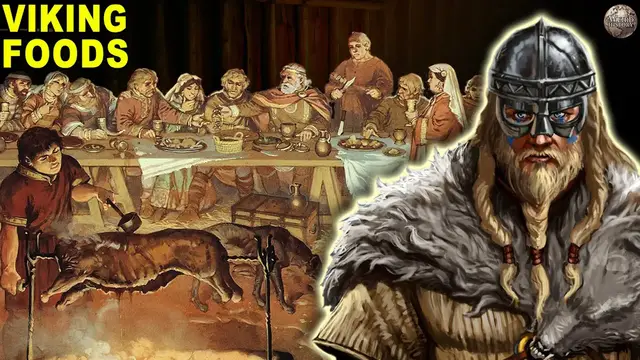
Though Vikings are known for pillaging the coasts of Europe, Viking facts reveal that the marauders were more than just bearded warriors filled with blood-thirsty rage. Analysis of what Vikings ate shows that the ancient Norse people had surprisingly modern appetites. The Viking diet went beyond slabs of meat and tankards of mead to include a healthy balance of vegetables and breakfast staples like yogurt.
Show More Show Less View Video Transcript
0:00
Vikings are generally perceived as crude, dirty troublemakers
0:04
who pillage the coasts of Europe. But that doesn't match up with the refined nature
0:09
of their diet. An ysis of what Vikings ate shows that they had surprisingly modern appetites
0:14
that went beyond slabs of meat and tankards of mead. Today, we're going to take a look at how Viking diets
0:22
were surprisingly healthy and well-rounded. OK, time to take a look at some food fit for a Viking
0:30
Now, before we get to the dietary stuff, there's a little matter of etymology we'd like to address
0:38
Whenever we discuss Vikings, there's always a number of people who appear in the comments
0:42
to state their belief that the word Viking is a verb that refers to an activity and not a noun
0:48
that describes a type of person. Yeah, it's true the Old Norse language included the verb Viking
0:53
which was an activity. It also included the noun Vikingar. A Vikingar was a person who went
0:59
on expeditions that typically took them by sea to foreign lands. The term was a neutral one, which didn't imply any particular ethnicity, and which one might
1:09
use to describe their own group as easily as a group that they were not part of
1:12
A vikingr usually traveled in such groups, and the plural form of the Old Norse word
1:18
was vikingar. The English word viking is derived from this noun. OK, now that we've got that out of the way..
1:24
Many modern folks are used to having three meals a day, breakfast, lunch, and dinner
1:33
But things were a little different for the Vikings. They structured their daily life around two meals, which a family would typically gather
1:39
to eat out of wooden bowls at a communal table. The Vikings ate their first meal, which was called the dogmol, or day meal, about an hour
1:47
after waking up. The dogmol usually consisted of the previous night's leftover scouse, with fruit and stale
1:54
bread on the side. Basically, the Viking equivalent of waking up to cold pizza
1:58
left over from the night before. Children might eat porridge made from buckwheat, oats
2:03
and millet with fruit mixed in. The evening meal, or notmal, took place
2:07
after the day's work was complete. Evening meals were typically far more substantial
2:13
consisting of more meat and stew. The Viking's preferred method of cooking meat was to boil it
2:22
The meat could come from a number of sources. Hunters often caught reindeer, elk, or even bear
2:28
And farmers raised horses, cows, and pigs for consumption. Viking cooks usually boiled the protein in a cauldron over a fire
2:34
For unusually large feasts, they would dig pits in the ground, line them with wood then fill the holes with water and hot stones to get a simmer going That boiled meat would form the base of a stew called scouse Scouse was the backbone of the Viking diet since it was always cooking in a Viking kitchen
2:52
Once the boiled meat was removed from the cauldron or pit, the liquid would be left behind to cook more vegetables and meat
2:58
generating more flavors over days and weeks. When left sitting overnight, a layer of fat would rise to the top of the scouse
3:05
which both preserved this stew and made it relatively healthier. Boiling wasn't the only method of cooking Vikings had at their disposal
3:12
We know that sometimes they would also cook meat on a spit, but it wasn't nearly as common
3:21
Digging around the remnants of an ancient outhouse doesn't sound like a lot of fun
3:25
but archaeologists have gathered a wealth of information from doing exactly that
3:30
Viking toilets and trash heaps reveal the truth about what they ate, and it wasn't just food
3:35
Research has revealed that Vikings were prone to parasites in their intestines
3:39
likely from undercooked meat. Vikings took great care to preserve meats and other foods for longevity
3:45
but that may not have been enough to keep them from getting worms. Studies also show that Vikings ate poisonous plants
3:51
either as a vegetable or ground up into the flour used to make their bread
3:55
That's pretty badass. Hmm, you know what this bread could use? A touch more poison
3:59
Given that Vikings spent so much time on the sea, it's probably not too surprising to anyone
4:08
that fish were one of the fundamental staples of their diet. Vikings are known to have fished rivers, lakes, streams, and oceans to dine on saltwater and
4:17
freshwater fish alike. Like their meats, Vikings smoked, salted, and dried fish
4:22
They needed to be able to pack it for long voyages at sea, as well as to preserve it
4:27
over long winter months. So the important thing was to keep it from rotting
4:31
Am I the only one who's crazy around there? If you're wondering what specific fish were popular with the Norse
4:36
herring was ubiquitous on Viking plates. And they made a dried cod dish known as stockfish
4:42
which historians think may have been traded throughout Europe. Despite our image of the Vikings as a seagoing people
4:53
they actually spent a lot of their time on land and drew many elements of their diet from ordinary farm animals. Vikings had cows, sheep, and goats
5:02
That means if there's one thing they had a ton of, it was milk. Because it was difficult to keep
5:07
foods from going bad, they often used that milk to produce fermented dairy products of some kind
5:12
They made butter, cheese, yogurt, and a specialty called skier. Skier, which translates to curds
5:19
is a soft yogurt-like cheese that Vikings stored and kept over the winter when fresh milk was
5:24
unavailable To make skier Vikings heated up skimmed milk and left it out to curdle and develop cultures Once curdled they strained the curdled mixture through cloth scraping the yogurt from the fabric
5:36
The thick whey that remained didn't go to waste. Vikings drank the liquid by itself, pickled vegetables with it, and used it to preserve meat
5:43
The Vikings also kept sour milk, which they would add to bread and other foods
5:47
Vikings ate scouse with multigrain bread, which was another daily staple in their diet
5:56
They made this bread from a mix of grains that included wheat, barley, oats, and rye
6:00
as well as with beans, honey, nuts, and ground tree bark that added a healthy touch to the loaves
6:05
Vikings typically made their bread in a skillet placed below the scouse cauldron in cooking fires
6:11
This type of bread would harden as it cooled, so the scouse stew was great for softening up old loaves
6:17
If you ever got scolded for not finishing your vegetables, you can take heart knowing that many Vikings probably
6:27
got the same scolding. With gardens overflowing with onions, cabbage, beans, celery, carrots, and peas, the Vikings
6:33
were no strangers to vegetables. They supplemented their crops by gathering wild greens
6:38
and seaweed. The Viking diet had plenty of flavors, too, thanks to the use of spices like mustard, horseradish
6:45
and cumin. Vikings also relied heavily on foraged fruits, nuts, and seeds
6:50
Since the winters were so harsh, Vikings kept stores of dried berries, plums, and apples
6:55
that allowed them to enjoy fruits year-round. Farmers also incorporated seeds, fruit, and nuts, such as walnuts and hazelnuts, into
7:02
bread and ground them into oils. Land and sea animals were not the only protein sources for Vikings
7:12
Birds and eggs were also common ingredients in their meals. Based on excavations, the auk, a large bird that's now extinct, was essential to the local diet
7:21
and Viking farmers are known to have raised domesticated chickens to provide fresh eggs
7:25
We also know that Vikings sometimes put in a good deal of effort to secure the birds they needed for food
7:31
For example, they often scaled cliffs to track seabirds and lowered themselves using ropes to gather eggs directly from nests
7:39
Old Vard, maybe you want to go next. The Vikings had to keep an eye on the seasons and plan for the year accordingly
7:49
But it paid off in the long run, because compared to the average medieval person
7:53
Vikings had one of the most balanced and nutritious diets. Archaeological evidence shows that Vikings were pretty resourceful when it came to what they ate
8:00
While it's true geography influenced the types of ingredients that were available
8:04
the Vikings still brought their farming and hunting techniques with them as they made their way to new areas Vikings grew vegetable gardens and even cultivated fruit orchards They also hunted whatever was available including elk boar deer bear and seal
8:24
Water could be dangerous to drink in Viking villages, so ale became a fixture alongside
8:30
meals. Viking ale derived from malted barley and came in two forms, weak and strong. The weak beer
8:37
was light enough for children to drink and served as a general companion to salty stockfish and
8:42
dried meats. The stronger version was in court for festive occasions alongside batches of mead
8:47
Vikings made mead out of fermented honey, but that wasn't the only use for the syrup. Honey
8:52
was also the only sweetener at the Vikings' disposal, and they got creative with it
8:56
They added honey to bread and served it with fresh and dried fruit as a dessert
9:01
Since Vikings typically had to make do with what was available, the types of meat they ate could
9:10
vary. For example, while fish and other sea creatures were staples throughout the Viking world
9:15
in Greenland, Vikings ate a lot of seals, and they may have eaten walrus too. Vikings also
9:20
raised horses as a common source of food before the spread of Christianity. That party ended in
9:26
the year 732, when Pope Gregory III issued a papal edict banning the consumption of horsemeat
9:32
due to its connection to pagan rituals. Those rituals were meant to honor the Norse god Odin
9:37
so obviously they weren't particularly popular with the Pope. It's commonly said that there ain't no party like a Viking party, and if it's not commonly said
9:50
it probably should be. Because the Vikings took great care in preparing feasts for harvests
9:55
religious festivals, weddings, and other special occasions. They typically pulled out all the stops
10:01
providing a great variety of meats, cheeses, and other items available. Not surprisingly, this was especially
10:06
true for wealthier families. For the winter celebration, Vikings allegedly sacrificed boars and spoke oaths
10:13
before eating the game meat. According to Viking sagas, feasts and festivals
10:18
were places for excessive alcohol consumption, where revelers passed the drinking horn around freely
10:25
Finally, you might not be surprised to learn that research suggests a Viking diet
10:32
one based heavily on fish, non-root vegetables, tea, water, and limited sugar and starches
10:38
may be good for your brain. A Viking diet could help prevent dementia, in addition to helping you lose weight
10:44
In a study conducted in Sweden, subjects who stuck to the Nordic prudent dietary pattern
10:48
had higher cognitive function than individuals whose diets consisted of fatty and processed foods
10:54
So the next time you sit down to a meal, consider eating like a Viking