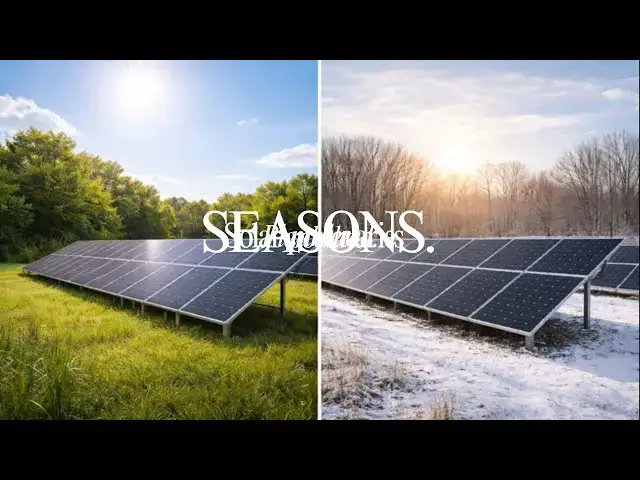

Do Solar Panels Work in Winter? Summer vs Winter Power Explained
Jan 8, 2026

Solar Panel Output in Summer vs Winter: What Really Changes?
Solar energy is often seen as a constant, dependable power source—but in reality, solar panel output changes significantly with the seasons. One of the most common questions people ask is why solar panels produce more electricity in summer than in winter, and whether solar still makes sense year-round.
This video explains the real differences between summer and winter solar energy production, using clear visuals and real-world examples to show how sunlight, temperature, and seasonal conditions affect performance.
Why Solar Panels Produce More Energy in Summer
Summer is typically the most productive season for solar systems. The biggest reason is longer daylight hours. In many regions, summer days provide 15–16 hours of sunlight, giving solar panels more time to generate electricity.
Another key factor is the sun’s position in the sky. During summer, the sun is higher, allowing sunlight to strike panels more directly. This improves energy capture and increases overall production. Summer weather also tends to bring clearer skies, meaning fewer interruptions from clouds.
Why Winter Solar Production Is Lower
In winter, solar panels still work—but they face different conditions. Days are much shorter, often providing only 7–9 hours of daylight. The sun also sits lower on the horizon, which causes sunlight to hit panels at less optimal angles and creates longer shadows.
Cloud cover, rain, and snow further reduce the amount of sunlight reaching the panels. While solar systems can still generate power on cloudy days, output may drop to 10–25% of peak production under heavy cloud cover.
Do Solar Panels Work Better in Cold Weather?
Show More Show Less #People & Society