Up next in 10

Plumbing and HVAC Tips Every Homeowner Should Know | Homeowners Tips
Oct 11, 2023


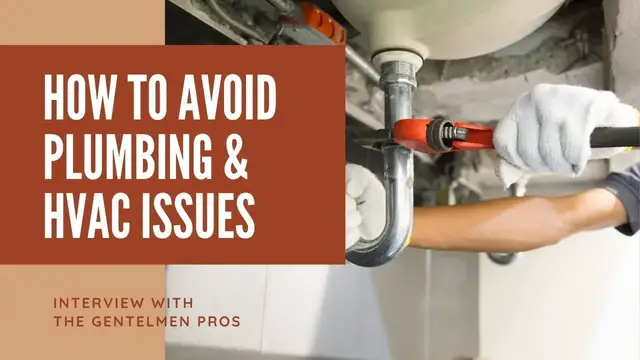
According to Pissed Consumer, the top homeowners’ complaints alert issues with plumbing, HVAC system, and electricity in the house. We asked The Gentlemen Pros to help us answer consumers’ questions on HVAC, plumbing, and maintenance. In this video interview, Brham Trim talks about how to properly maintain your home equipment, when you need to hire a contractor, and how home warranties work.
#Plumbing #HVAC #Heating #ExpertTalksWithPissedConsumer
More information about The Gentlemen Pros: https://www.thegentlemenpros.com/Calgary/Plumbers/
00:00 - Introduction
01:01 - Tips on how to choose a reliable contractor for plumbing and HVAC issues
05:35 - When you have to replace and take care of a water heater
09:52 - Home warranty facts
11:25 - What questions to ask when hiring a plumber or HVAC contractor
14:13 - Water heater maintenance tips
15:25 - Drain maintenance tips
18:27 - HVAC maintenance tips
20:50 - Electrical maintenance tips
21:28 - Homeowners tips
Support Pissed Consumer video interview project: https://www.pissedconsumer.com/donate.html
Subscribe to Pissed Consumer social media accounts:
Facebook: https://www.facebook.com/PissedConsumerCom/
Show More Show Less View Video Transcript
0:00
My name is Bram Trim. Our head office is out of Calgary, Alberta, Canada
0:04
We do plumbing, heating, AC and electrical. We've been in business since 2001
0:12
So this year is our 20th year in business. Myself, I grew up in the trades. My dad was a plumber
0:19
My grandpa was a plumber. And so I've been doing plumbing, heating for a long time
0:25
And yeah, that's what we do. As someone starts to think about major plumbing for electrical work, what recommendations
0:37
would you give to consumer? What considerations need to be taken into account before selecting proper HVAC representative
0:47
who will do the work? How much research consumers shall undertake into different types of appliances, different
0:56
types of heating systems? do you recommend to consumers to do? I mean, there's a lot of information out there that can be
1:04
overwhelming for consumers. I think the first thing is picking a contractor that
1:12
they're comfortable with, that they like, that they trust, doing that by looking at reviews
1:19
but also having them in the home to look at that appliance with your furnace or your AC
1:24
they're going to have to come take a look if you get a quote over the phone that's maybe a red flag
1:30
for me you're going to have to have somebody that comes into the home that takes a look and sees what
1:34
you have what you need make sure they're doing all of the the background work to be able to get a
1:40
system that's going to work best for you and listen to what you want so that's the first thing
1:44
um the other side of that is what what is the best equipment to put in there you'll have
1:51
the contractor that comes in that has one brand, maybe they're a dealer of that brand or what have
1:58
you. But I think it's something that's important out there. Now we have the same question ourselves
2:01
is, Hey, what dealer do we want to be? Who do we want to, what kind of equipment do we want to put
2:05
in? We want to put in the best for the consumer. So we've done a lot of research out there to
2:11
look at, you know, what we want to put in. And it was interesting. We kind of opened up a Pandora's
2:18
box that was, it just kept going and going and going. In our review of everything, we found that
2:26
there were around 60 different furnaces, and I'll talk about furnaces on, you know, being up in
2:32
Canada, but 60 different furnaces out there in the marketplace. And, but then as we dove deeper
2:39
into it, we also found that of those 60 furnaces, there were only about seven or eight actual
2:45
manufacturers that manufactured those furnaces. And we saw that really a lot of these furnaces
2:52
were the same, just a different sticker on the outside of the box and at a different price point
2:57
And so as we even went further into that, we found that the supplier for a lot of these
3:03
manufacturers were the same supplier of different motors, different parts and that kind of stuff
3:08
So our takeaway from that was that in essence, all of these different furnaces are created
3:14
equal that you know they're they all are trying to put a good product forth they're all trying to
3:21
get to the top of efficiencies they're all doing a great job in that way and so we found that for
3:26
the most part they're they're all the same matter of fact you could take a part with a little bit
3:31
of know-how out of one furnace and put it in another one in you know with with some adjustments
3:36
and make it work and so when we looked at that we all then step step back and said okay what about
3:43
warranties what about what about the warranties on these furnaces and then again we found for the
3:46
most part that manufacturers today are all at 10-year 10-year warranties and you got to be
3:52
careful you got to read the the warranties on it because some exclude labor some exclude you know
3:57
different parts in the furnace or whatever but we found for the most part that they were all the same
4:02
so we looked at that we said okay you know if they're all the same what's the difference and
4:08
I think the big difference is how they're installed. You know, we go to, sometimes we go to a furnace that's a relatively young furnace, been in
4:17
a couple of years, and the heat exchanger is gone in it or needs to be replaced
4:23
And we look at that and see why that is. And as we get into that installation, we find that corners were cut
4:29
Maybe the setup procedure on it was not done. Gas ratings weren't set properly or different things
4:37
It wasn't sized right for the house or what have you. And so when you're looking at a furnace today or an AC unit, I think the most important thing is looking at a contractor who knows what they're doing, who's not cutting any corners and is giving you the best possible install
4:55
That, I think, is the most important thing. You will find that for contractors like that, you may pay a little bit more up front
5:04
But in the long run, you will get that back over and over and over again from the efficiency of the furnace, from that furnace not overworking, or the worst case scenario is having to replace that furnace prematurely down the road
5:19
I'm a homeowner. I have a 60 water heater in my house It looks very good from the outside It nine years old I believe life expectancy of water heater is seven years Depends what municipality you live in what the water is like
5:39
There's some places that are less than that. There's some that's more
5:43
Here where I live, the average life of a hot water tank is 11 years old
5:47
So depending on where you live, the type of water you have
5:51
whether you're rural, whether you're urban, that makes a difference as well. So, but where I'm at, yeah, the 11 where you're at at seven and, you know, it kind of is all over the map
6:04
Do I wait for the tank to burst or do I replace it
6:11
That's a great question. And I think it's different for every home. I live, just moved into a new home
6:17
And one of the first things I did is I looked to see where my hot water tank was in correlation to where my floor drain was
6:22
Then I took a bucket of water and I poured it around my hot water tank and see where it drained to
6:28
And in this case, it didn't drain towards the the floor drain
6:33
It drained towards the wall. And so in my mind as a plumber, you know, maybe that's a weird thing to do
6:38
And my wife's, you know, like, what are you doing? But to me, that says, OK, you know, if we do have an issue here, where is it going to go
6:45
what do I need to be aware of? And so shortly after we moved into the house, I put up a pan
6:53
lifted the hot water tank and put a pan underneath that catch pan and then put a drain over to our
6:58
over to our floor drain. There's different things that you can do out there to make sure
7:02
when that, you know, when that hot water tank does go, that it's draining towards that
7:07
that floor drain. In the last house that I was at before this, lived there for 15 years and it was
7:13
great. The hot water tank was there. It was, you know, drained right towards the floor drain and
7:17
I never had to worry about it. The thing with a hot water tank is on average, and I think that
7:23
that's the key word, average is seven years in your situation. You don't know if on the seventh
7:30
you know, the seventh year on the first day that that hot water tank's going to go. It could be on the fifth year. It could be on the ninth year. I've seen hot water tanks in our area
7:38
that are 30 years old where the average is 11. You never know when it's going to go
7:42
and so I think it's being proactive a little bit if you're concerned and you don't have the
7:49
resources to be able to to mitigate I guess if it ever started to leaking because it can cause a
7:56
lot of water a lot of damage be proactive if it hasn't gone in seven years and that's what the
8:02
average is in your area replace that that hot water tank if you can get a few more years out
8:09
of that hot water tank great now that's one side of the equation the other side of the equation is
8:15
the efficiency of that hot water tank in you know as that as you heat that hot water depending on
8:22
where you are if you're at a place that has a lot of hard water as hot water heats up it drops out
8:26
the different minerals that are in that hot water in that water and they drop to the bottom and
8:32
that's where the heating does and so if you've got a lot of minerals and that base builds up
8:36
It's going to take a lot longer and your hot water tank efficiency drops considerably to heat that water
8:44
So that's the other side of the equation. If it's costing you more to keep this hot water tank in your utility bills and that and those things than it is to replace that hot water tank
8:55
That's the other side of the equation, too, that you might want to look at. Now, historically, natural gas, at least that's what we heat with, is relatively cheap
9:04
and you would have to have a lot of buildup for it to make sense to replace that hot water tank prematurely
9:10
It's more the damage side of things that you're looking at to make sure that you're catching that hot water tank in a timely manner
9:17
and making it work, I guess, is best for you in creating the least amount of damage possible
9:22
Well, I mean, HWOC work, if it is unplanned, it's usually expensive
9:28
And home warranties usually promise you easier access to plumbers and HOX specialists, electricians
9:38
They promise you lower rates, perhaps, and they promise even to cover certain expenses
9:45
So what is your take on home warranties and you as a professional on the other side
9:50
How do you see? That's a great question. We don't have a lot of home warranty up here per se, more and more coming in into the industry
10:00
Many years ago, we were approached to do home warranty and what they were willing to pay was well under even what it cost us to be able to cover our costs to go in at the level of service that we had
10:12
So I feel, and I don't know if this is with all insurance companies, but I feel that maybe what they're paying the contractors are not as much as what maybe a quality contractor would be at
10:25
I'm sure there's differences out there. I could be putting my foot in my mouth, but you want to make sure, again, and I believe it's the consumer's choice, the person who has that, that it's their choice of who they have in their home
10:39
Make sure you're getting somebody that is good, that does well. If they show up in an unmarked vehicle, an unmarked van, to me, that's a red flag
10:49
You don't know who you're dealing with, what you're dealing with, and could potentially be an issue
10:56
So again we don have a lot of that as of right now in our marketplace but the experience that I have had hasn been positive What are the questions to ask during the interview for HVAC for electrical for plumbing
11:15
As a consumer, what shall I ask? What shall I find out from the person coming into my house in order to measure them up
11:25
I think reviews to a certain part can be trusted. I think once you get over a threshold of how many reviews, you know, everybody's got 10 friends and they could write a great review
11:33
And so I think the more reviews adds, I guess, adds that that contractor is a good contractor
11:43
But when you get to what kind of questions to ask when you're coming into a home is, you know, look, make sure that they've got the proper licensing
11:52
and that, you know, that they have that available. That should be something that people are asking every day
11:59
Ask if they drug test their employees. It's amazing that that's probably the biggest thing out there
12:07
that people think we as contractors do, but we don't, is drug test and do criminal background checks on our people
12:16
The unfortunate reality is in our industry, and I'm talking about plumbing, heating
12:22
There are some major, major problems with substance abuse and different things like that, that the spinoffs of that create mass can create massive problems
12:33
And so look for a contractor that that goes above and beyond
12:39
You know, we don't have to drug test. We don't have to do criminal background checks, which is which blows my mind, to be perfectly honest with you
12:46
But look for those contractors that go above and beyond that advertise that they do drug testing, advertise they do criminal background checks
12:54
If you ask them for their proper insurance, that they have it
12:59
And that's another thing that consumers don't realize, at least in our municipality, in our area, you don't have to have liability insurance
13:06
So if I come into your home and I blow up your home, I can walk away and you could sue me
13:13
I could, I guess, declare bankruptcy, but I don't have to have liability insurance
13:19
Make sure that whoever you have come into your home has liability insurance, that they
13:24
have the proper license to be working in that trade. All of those things are easy things to check before a contractor does any kind of work
13:34
in your home. And for those that don't want to supply that or maybe don't have that when you ask, again
13:41
that could be something that I would look at and say, hey, this could be a problem
13:47
What needs to be done by a regular homeowner on a regular basis for each of the systems
13:54
What recommendations would you make on the regular maintenance to prolong life of the
14:01
current appliances? That's first question. Second question would be, do you recommend
14:06
hiring a professional to doing the regular maintenance, a homeowner can do it himself
14:13
So let's first start, I guess, with plumbing. And probably the biggest appliance that you have
14:19
in the plumbing side of things is your hot water tank. Now, a hot water tank, the best thing to do
14:25
is maintain a hot water tank, is flush it annually, get all of the sediment and build up in that hot
14:30
water tank out for it to be able to run as long as possible and as efficient as possible
14:35
So now if you don't need to do, if you don't know how to do that or don't feel comfortable, by all means have a professional come in
14:41
But it's not something in my mind that a professional needs to do
14:46
You can save yourself, you know, a lot of money over the course of the lifetime of that hot water tank by being able to do it yourself
14:54
There are some great YouTube videos out there. I know when we go out to a consumer and we flush their hot water tank, we invite them to come along and we show them the steps to be able to do it safely
15:06
And so that they can get so they can do that themselves the next time
15:10
Again, if they don't if they don't feel comfortable with that or more than happy to come back and take care of that for them
15:14
So with maintenance of a plumbing system, I think that that, you know, with the hot water tank, that's something that needs to be done
15:22
The other side to that is the next biggest problem that you have in a home is usually drains
15:27
And there's two different levels to drains. There's ones with the shower, the sinks, and then there's your main drain going out of the home
15:35
So on your drains with your showers and your sinks, there's a product that we found out of, I believe it's out of Florida down in the States
15:46
That's a bacteria that you can put in your drain and it maintains it. and you have to be careful what you're putting down drains there's a lot of products out there
15:54
that are strong acids that are very um you know probably not too environmentally friendly but more
16:00
more importantly are very hard on a plumbing system especially if you have an older plumbing
16:04
system that is has metal with it because it reacts uh very very strongly with it i've been in systems
16:11
where it's actually eaten out the bottom of the pipes because of the acid that's being put through
16:16
So I don't recommend products that are, you know, that are that strong acid that can eat through the hair and that kind of stuff
16:24
But they're also eating through other things. Look for other products or else learn how to clean it out manually And there different YouTube videos again or have a professional come in the other side to that the other big problem that people have is their main sewers that go out
16:39
and depending again of what part of the country you live in where we are because of the the frost
16:47
levels those pipes need to be eight feet plus underneath the ground and so it's a major to
16:53
dig those up and other warmer climates where it doesn't freeze there you know can be as little as
16:58
six inches below the ground. But one of the problems with a sewer or a main drain going
17:04
out of the house is you don't know you have a problem until you have a problem. And the only
17:09
way to find that out is by having usually a contractor come in with a camera and camera
17:16
down that line to make sure that it's in good condition. A lot of times you'll get root intrusion
17:22
that grows in, starts to break up that pipe, creates dams and things get caught on it
17:28
And you don't know that that's happening because it's underground, it's concealed
17:32
The only way, too, is with a camera inspection. Now, we obviously live in a day and age where we've got these cool tools and we're able to see what's going on down there
17:41
I recommend doing that before or once a year. Also strongly, highly recommend
17:49
Can't tell you the amount of times when we get a phone call of somebody who's just moved in and they have a backup
17:54
and we go in and see that they have massive root intrusion that could have been found out before they moved into a home
18:01
That's kind of a different topic, but something that is a great, great thing to do that is a need to do before ever purchasing a home
18:09
So on the plumbing side, those are some of the things that you can do with maintenance
18:13
and also with having a professional that comes in to look at the different things that maybe the average consumer doesn't have access to
18:24
So that's on the plumbing side. On the heating side, the biggest thing that I think can be done in maintenance is make sure that you are changing your filter constantly
18:36
Not only does that filter clean the air so that we can breathe better, but it also helps to keep that piece of equipment maintained and in good working order
18:45
If you have a dirty piece of equipment, different studies have shown that it can reduce the efficiency of that piece of equipment up to 30-40%
18:57
And if it's dirty, then it's not working properly and it also potentially reduces the lifespan of the different components on that furnace
19:07
Whether it's a furnace or an AC, both things need to be done
19:12
on a on it on the furnace or the ac the time though that it's working the hardest is when it's
19:19
you know extremely cold outside and it's working over time and when something works hard that's
19:25
when it breaks down when you need it the most and so i recommend that at the beginning of each season
19:31
that you go in and you can test all the different components whether it's a fan or a relay or
19:35
whatever it is to be able to fit into a certain spectrum that the manufacturers put out there
19:40
um not many people do this unfortunately but i would have every year we recommend that you
19:47
have somebody come in and test and make sure that all the components of that
19:52
furnace or ac fit within the parameter of the manufacturer and if it doesn't replace them and
20:00
it's a lot easier to get a heating company or an ac company out to your home when it's not
20:07
you know, freezing cold outside or extremely hot for AC and be able to replace those components
20:14
Then when everybody else needs it at the same time, you're freezing or you're sweating like crazy
20:22
And those service companies are just going day and night to try and keep up with the load
20:27
So proactiveness, definitely, especially when it's a life and death situation, which it can turn out to be
20:36
being a little bit proactive of getting things tested before and if it needs to be changed out
20:42
change it might be working perfectly fine but if it doesn't fit within the parameters that's saying
20:46
hey I'm not feeling well you know maybe it's time to change me on the electrical side of things we
20:53
just started electrical division about three years ago now I'm not an electrician myself but I know
20:59
we do go in and do electrical inspections to make sure that everything is set up right looking for
21:05
things like aluminum wiring, making sure that it's grounded properly, all those different things
21:10
Have an electrician come into your home, especially if it's an older home. There's a lot
21:14
of different things that over years can start to break down and that you need to, I guess
21:23
have maintained by a professional, by someone who knows what they're talking about
21:28
People are looking for people, for contractors that they can like and trust. And, you know
21:34
places like this that, you know, care and do the research behind the contractors, I think are great
21:42
I think review sites are an added bonus in this day and age
21:46
And I think are an important part of the consumer to have a positive experience
21:53
So do your homework before you have a contractor come into your home
21:59
And hopefully it's a positive one
#Home Improvement
#Plumbing
#HVAC & Climate Control
#Heaters