Up next in 10


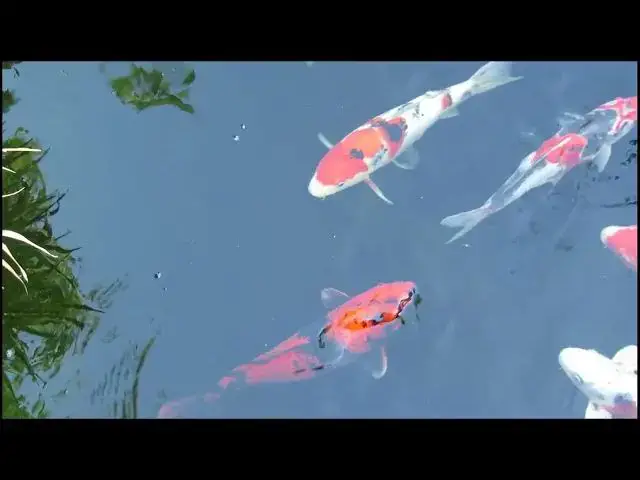
Learn about the best practices for feeding koi fish, including how often to feed them, factors affecting their diet, and seasonal considerations. This video covers the importance of consistent feeding routines, avoiding overfeeding, and adjusting schedules based on water temperature and fish age.
Show More Show Less View Video Transcript
0:00
koi fish feeding schedule tips for
0:02
healthy and happy fish koi fish are
0:04
beautiful and beloved aquatic pets but
0:07
their care can sometimes be confusing
0:10
one common question many koi owners ask
0:12
is whether these colorful carp need to
0:14
be fed at specific times the answer
0:17
isn't as straightforward as you might
0:18
think and understanding the nuances of
0:20
koi feeding can greatly impact their
0:22
health and well-being koi fish are
0:25
opportunistic feeders in the wild which
0:27
means they eat whenever food is
0:29
available in captivity however their
0:32
feeding habits can be more structured
0:34
while koi don't necessarily need to be
0:36
fed at exact times every day
0:39
establishing a consistent feeding
0:40
routine can benefit both the fish and
0:42
their caretakers several factors
0:45
influence when and how often you should
0:48
feed your KO the size and age of the
0:50
fish water temperature season and
0:53
overall Pond conditions all play crucial
0:56
roles younger koi and those in warmer
0:59
water typically require more frequent
1:01
feeding than older fish or those in
1:03
cooler temperatures for most Koons uh
1:06
feeding schedule of two to four times
1:08
per day is generally recommended many
1:10
koae Keepers prefer to feed their fish
1:12
in the morning and evening as these are
1:15
times when koi are naturally more active
1:18
however the exact timing can be flexible
1:21
based on your schedule and the specific
1:22
needs of your pond it's important to
1:24
note that coing metabolism is closely
1:27
tied to water temperature in warmer
1:29
months
1:30
when water temperatures are above 65° F
1:34
koi are more active and have higher
1:36
energy requirements during this time
1:39
feeding three to four times a day is
1:41
appropriate and as temperatures cool in
1:43
Autumn you should gradually reduce
1:45
speeding frequency in winter when water
1:48
temperatures drop below 50° F koi enter
1:51
a state of dorcy their metabolism slows
1:54
significantly and they require little to
1:56
no food feeding during this time can
1:58
actually be harmful
2:00
as the fish cannot properly digest the
2:02
food while specific feeding times aren't
2:05
crucial consistency in your feeding
2:07
routine is koi are intelligent creatures
2:10
and can learn to anticipate feeding
2:12
tiles this not only makes it easier for
2:14
you to monitor their health and behavior
2:16
but also reduces stress for the fish one
2:19
critical aspect of koi care is avoiding
2:22
overfeeding COI will continue to eat as
2:25
long as food is available which can lead
2:27
to health problems and poor water
2:29
quality A good rule of thumb is to only
2:32
feed what your koi can consume in about
2:34
5 minutes any uneaten food should be
2:36
removed to prevent it from decomposing
2:38
in the pond in conclusion while koi fish
2:41
don't need to be fed at exact times
2:43
establishing a consistent feeding
2:45
routine based on factors like water
2:47
temperature and season is beneficial aim
2:49
for two to four feedings per day during
2:52
warm months reduce frequency as
2:54
temperatures cool and avoid feeding
2:56
during winter dormy remember the key is
2:59
to observe your koi adjust your feeding
3:02
schedule as needed and always prioritize
3:05
water quality and the overall health of
3:07
your pond ecosystem
#Pets & Animals
#Pet Food & Supplies
#Fish & Aquaria
#Fish & Aquaria