Up next in 10


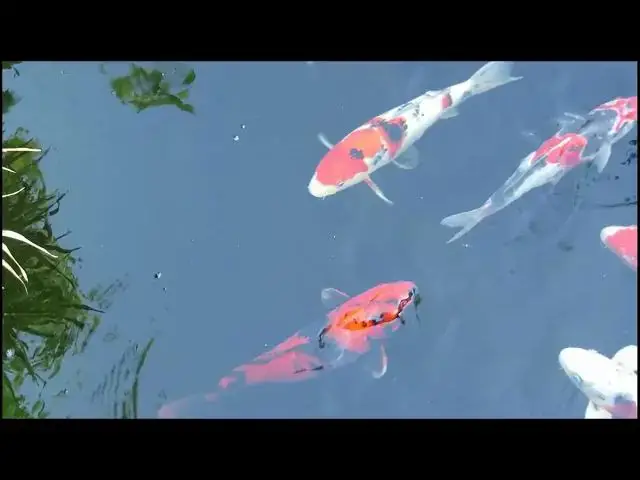
Learn how to properly feed koi fish in cold weather. This video covers adjusting feeding habits based on water temperature, selecting appropriate food types, and maintaining koi health during colder months. Discover essential tips for koi care across seasons to keep your pond thriving year-round.
Show More Show Less View Video Transcript
0:00
koi fish feeding in cold climates a
0:03
seasonal guide koi fish are beautiful
0:05
and resilient creatures but feeding them
0:08
properly in cold climates presents
0:10
unique challenges as water temperatures
0:12
drop coin metabolism slows down
0:15
significantly affecting their
0:16
nutritional needs and eating habits this
0:19
video will guide you through the
0:21
essential aspects of feeding koi fish
0:23
and cold climates to ensure their health
0:25
and vitality year round understanding
0:27
coin metabolism in cold water is crucial
0:30
for proper feeding as ectothermic
0:32
animals koi rely on their environment to
0:34
regulate body temperature in colder
0:37
water their digestive system becomes
0:39
less efficient and they require less
0:41
food to maintain their energy levels
0:43
overfeeding during this time can lead to
0:46
health problems and poor water quality
0:48
seasonal feeding adjustments are
0:50
necessary to accommodate the changing
0:52
needs of koi throughout the year in
0:54
Spring and fall when temperatures are
0:56
moderate you can gradually increase or
0:58
decrease feeding amount to prepare for
1:00
the extreme Seasons during summer koi
1:03
have higher energy requirements and can
1:05
be fed more frequently however as winter
1:07
approaches you need to reduce both the
1:10
quantity and frequency of feedings
1:12
choosing the right types of food for
1:14
cold weather is essential in colder
1:17
months opt for easily digestible wheat
1:21
germ based foods that are lower in
1:23
protein and higher in carbohydrates
1:26
these foods provide the necessary energy
1:28
without over tax ing the Ko's digestive
1:31
system some specialized winter foods are
1:33
formulated with this balance in mind and
1:35
can be an excellent choice for cold
1:37
climate feeding feeding frequency and
1:39
amount should be adjusted based on water
1:41
temperature as a general rule when water
1:44
temperatures drop below 50° F reduce
1:47
feeding to once every few days or even
1:50
once a week when temperatures fall below
1:52
40° f it may be best to stop feeding all
1:55
together as koi enter a state of semih
1:58
hibernation and can survive on their
2:00
stored fat reserves monitor your Ko's
2:03
behavior during feeding times if they
2:05
show little interest in food or are slow
2:07
to eat it's assigned to reduce the
2:09
amount or frequency of feeding the
2:11
uneaten food should be removed promptly
2:14
to prevent water pollution additional
2:16
considerations for winter care include
2:18
maintaining good water quality and
2:20
ensuring proper Pond depth a deep pond
2:23
with unfrozen areas allows koi to find
2:25
warmer water at the bottom in installing
2:28
a deer or airator can help maintain an
2:31
opening in the ice for gas exchange
2:34
which is crucial for the koi survival
2:36
during winter in conclusion feeding koi
2:38
fish in cold climates requires careful
2:41
attention to water temperature food type
2:43
and feeding frequency by adjusting your
2:46
feeding practices seasonally and
2:47
providing the right nutrition you can
2:49
help your koi Thrive even in challenging
2:52
cold weather conditions remember less is
2:55
often more when it comes to feeding koi
2:57
and cold water and observing your fish's
2:59
behavior is key to meeting their
3:02
nutritional needs throughout the year
#Fish & Aquaria
#Fish & Aquaria