Up next in 10


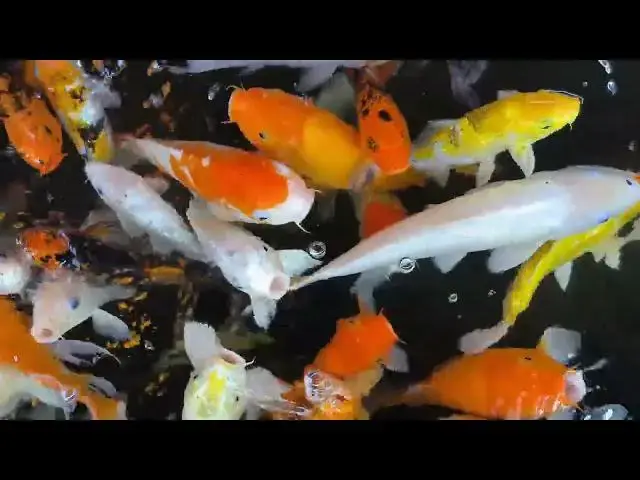
Learn how to establish an effective feeding routine for your koi fish. This video covers feeding frequency, diet variety, seasonal adjustments, and common mistakes to avoid. Discover the key to maintaining vibrant and healthy koi in your pond.
Show More Show Less View Video Transcript
0:00
K koi fish feeding Guide tips for a
0:02
healthy Pond K koi fish with their
0:04
vibrant colors and graceful movements
0:07
have captivated Pond enthusiasts for
0:09
centuries these living Jewels not only
0:12
add Beauty to our outdoor spaces but
0:14
also bring a sense of Tranquility
0:16
however maintaining healthy and thriving
0:19
koi requires more than just admiration
0:21
one of the most crucial aspects of koi
0:23
care is establishing a proper feeding
0:25
routine a consistent feeding schedule is
0:28
vital for the overall health and
0:30
well-being of koi fish it helps maintain
0:32
their metabolism supports growth and
0:35
strengthens their immune system a
0:37
regular routine also allows you to
0:40
closely monitor your fish making it
0:42
easier to spot any potential health
0:44
issues early on so how often should you
0:47
feed your koi generally adult KO should
0:50
be fed two to four times a day during
0:52
the warmer months and in cooler
0:54
temperatures reduce this to once or
0:57
twice daily young koi due to their rapid
1:00
growth may require more frequent
1:02
feedings of up to six times a day when
1:05
it comes to what to feed your koi a
1:07
varied diet is key highquality koi
1:10
pellets should form the base of their
1:12
diet supplemented with fresh fruits and
1:14
vegetables such as watermelon oranges
1:17
lettuce or peas occasional treats like
1:19
silkworm poopy or freeze dried Krill can
1:22
also be offered always choose foods
1:25
specifically formulated for koay to
1:27
ensure they receive the right balance of
1:29
nutrients proper feeding technique is
1:31
just as important as the food itself
1:34
offer only as much food as your koi can
1:36
consume within 5 minutes overfeeding can
1:39
lead to poor water quality and health
1:41
problems spread the food over the
1:43
surface of the pond to encourage natural
1:45
foraging behavior and ensure all fish
1:48
have access to the food it is crucial to
1:51
adjust your feeding routine with the
1:53
seasons as water temperatures drop below
1:55
50° F coin metabolism slows down
1:59
significantly during these colder months
2:01
reduce or even stop feeding altogether
2:04
resume regular feeding when water
2:06
temperatures consistently stay above 50°
2:09
observing your koi during feeding times
2:12
provides valuable insights into their
2:14
health healthy koi are typically eager
2:16
eaters if you notice a fish consistently
2:19
refusing food or eating less than usual
2:22
it could be a sign of stress or illness
2:24
pay attention to such changes and
2:26
consult a koi specialist if you have
2:29
concerns while establishing a feeding
2:31
routine be aware of common mistakes
2:34
avoid overfeeding which can lead to
2:36
obesity and water pollution do not feed
2:39
Koi bread or other human foods not
2:41
suitable for their digestive systems
2:43
also resist the temptation to feed your
2:45
COI every time you visit the pond as
2:48
this can disrupt their established
2:49
routine in conclusion a well-planned and
2:52
consistent feeding routine is
2:54
fundamental to raising healthy vibrant
2:56
koi it not only ensures proper nutrition
2:59
but but also strengthens the bond
3:01
between you and your fish by
3:03
understanding their dietary needs and
3:04
adhering to a regular schedule you can
3:06
enjoy the beauty of your koi for years
3:08
to come remember the time and effort you
3:11
invest in their care will be rewarded
3:14
with the stunning sight of these
3:16
majestic creatures gliding through your
3:18
pond
#Fish & Aquaria
#Fish & Aquaria