Up next in 10


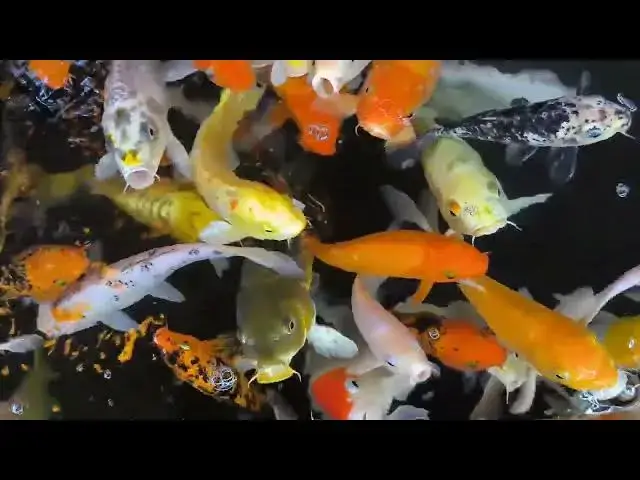
Learn the essentials of feeding koi fish in a natural pond setting. This video covers suitable food types, feeding frequency, seasonal adjustments, and maintenance tips to keep your koi healthy and vibrant. Discover how to avoid common mistakes and create an optimal environment for these beautiful aquatic creatures.
Show More Show Less View Video Transcript
0:00
koi fish feeding died nurturing your
0:02
Pond's living Jewels koi fish with their
0:06
vibrant colors and graceful movements
0:09
can transform any natural pond into a
0:12
living work of art proper feeding is
0:14
crucial for maintaining the health and
0:17
beauty of these magnificent creatures
0:19
this video will guide you through the
0:21
essentials of feeding koi fish in a
0:23
natural pond setting first let's discuss
0:25
the types of food suitable for KO these
0:28
omnivorous fish thrive on a very diet
0:31
highquality koi pellets should form the
0:33
base of their nutrition providing
0:35
essential proteins vitamins and minerals
0:38
supplement this with fresh fruits and
0:40
vegetables like watermelon oranges
0:42
lettuce and peas occasionally treat your
0:45
koi to live or frozen foods such as
0:47
bloodworms or brine shrimp for added
0:50
protein and enrichment feeding frequency
0:52
and amount are critical factors in koi
0:55
care during the warmer months when water
0:58
temperatures are above 50 fah feed your
1:01
koi 2 to four times a day offer only as
1:04
much food as they can consume within 5
1:06
minutes in cooler temperatures reduce
1:09
feeding to once a day or less when water
1:12
temperatures drop below 50° F koil
1:15
metabolism slows significantly and they
1:17
may not require feeding at all seasonal
1:20
considerations play a significant role
1:22
in coai feeding in Spring as water
1:25
temperatures rise gradually increase
1:28
feeding frequency and amount summer is
1:30
the Peak feeding season but be cautious
1:33
not to overfeed as Autumn approaches
1:36
begin to reduce feeding in preparation
1:38
for winter during winter koi enter a
1:41
state of semih hybernation and typically
1:43
do not need to be fed now let's explore
1:46
some effective feeding techniques
1:47
distribute food evenly across the pond
1:50
surface to ensure all fish have access
1:52
observe your Ko's behavior during
1:55
feeding times healthy KO should eagerly
1:57
come to the surface to eat if some fish
1:59
are not eating it could indicate health
2:02
issues that require attention
2:04
maintaining water quality is essential
2:06
when feeding koi in a natural pond
2:08
excess food and fish waste can quickly
2:10
degrade water quality leading to algae
2:13
blooms and potential health problems for
2:15
your koi regularly test water parameters
2:19
such as ammonia nitrite and pH levels
2:23
install and maintain an efficient
2:25
filtration system to help keep the water
2:27
clean and clear avoid these comp
2:30
mistakes when feeding koi in a natural
2:32
pond do not overfeed your fish as this
2:35
can lead to obesity and poor water
2:37
quality avoid using bread or other human
2:40
foods not specifically designed for KO
2:43
these can cause digestive issues and
2:45
nutrient imbalances lastly do not
2:48
abruptly change your Ko's diet introduce
2:51
new foods gradually to prevent digestive
2:54
upset in summary feeding koi fish in a
2:57
natural pond requires attention to diet
2:59
variety feeding frequency seasonal
3:01
adjustments and Water Quality
3:03
Maintenance by following these
3:05
guidelines you'll ensure your KO remain
3:07
healthy vibrant and a joy to observe in
3:10
their natural pond habitat remember uh
3:14
wellfed koi is a happy koi and a pond
3:16
full of happy koi is a truly mesmerizing
3:19
sight
#Fish & Aquaria
#Fish & Aquaria
#Aquaculture
#Other