Up next in 10


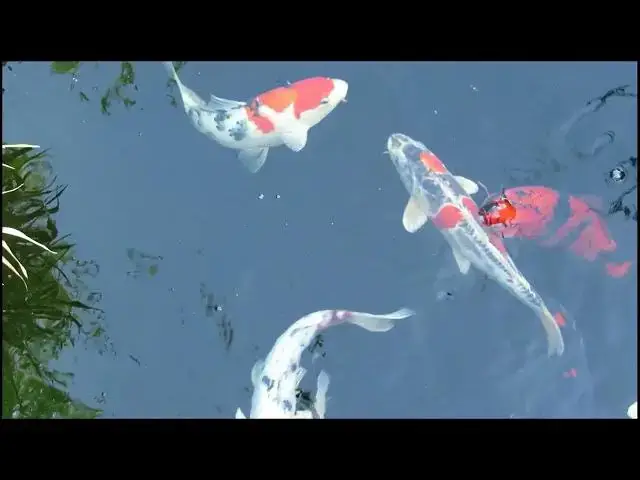
Learn essential koi fish feeding practices to maintain their health and prevent diseases. This video covers proper diet, feeding frequency, seasonal adjustments, and tips for optimal koi care in your pond.
Show More Show Less View Video Transcript
0:00
koi fish feeding guy keeping your
0:02
aquatic pets healthy koi fish are not
0:05
just beautiful ornamental creatures
0:07
they're living beings that require
0:09
proper care and attention one of the
0:11
most crucial aspects of koi health is
0:13
their diet proper feeding practices can
0:16
significantly reduce the risk of
0:18
diseases and ensure your koi thrive in
0:20
their aquatic environment koi are
0:22
omnivorous fish descendants of the
0:24
common car in the wild they feed on a
0:27
variety of plants insects and small
0:30
aquatic animals in captivity their
0:33
nutritional needs must be met through a
0:35
carefully planned diet the balanced diet
0:38
for koi should include proteins
0:41
carbohydrates fats vitamins and minerals
0:45
improper feeding can lead to a host of
0:47
health issues for koi overfeeding is a
0:50
common problem that can cause obesity
0:52
leading to organ damage and reduced
0:55
lifespan it can also result in poor
0:57
water quality due to excess waste
1:00
promoting the growth of harmful bacteria
1:02
and parasites underfeeding on the other
1:05
hand can weaken the K's immune system
1:08
making them more susceptible to
1:09
infections and diseases to prevent these
1:11
issues it's essential to understand
1:14
proper feeding practices first let's
1:17
discuss the types of foods suitable for
1:18
koi high quality commercial koi food
1:21
should form the base of their diet these
1:23
pellets are formulated to meet the
1:25
nutritional needs of koi at different
1:27
life stages supplement this with Fresh
1:29
Foods like lettuce oranges and
1:32
watermelon for variety and additional
1:34
nutrients feeding frequency and amount
1:36
are crucial factors adult koi should be
1:39
fed two to four times a day but only as
1:42
much as they can consume in about 5
1:44
minutes this prevents overfeeding and
1:47
reduces waste for younger koi more
1:49
frequent smaller meals are beneficial
1:51
for their growth it's important to
1:53
adjust feeding practices with the
1:55
seasons Coy metabolism slows down in
1:57
colder temperatures so reduce feeding as
1:59
water temperature drops when water
2:01
temperature Falls below 10° C feeding
2:04
should be stopped entirely as KO enter a
2:06
state of dorcy here are some additional
2:08
tips to maintain COA Health through
2:10
feeding always remove uneaten food after
2:14
feeding to prevent water pollution use a
2:17
feeding ring to contain the food in one
2:20
area making it easier for koi to find
2:23
and preventing waste observe your Ki
2:25
during feeding times changes in appetite
2:28
can be early signs of health issues
2:31
variety and diet is beneficial but
2:32
introduce new foods gradually to avoid
2:35
digestive problems consider using
2:37
probiotics and koi food to promote
2:39
healthy digestion and boost the immune
2:41
system lastly ensure your filtration
2:44
system is adequate to handle the waste
2:45
produced by your feeding regimen
2:47
remember proper feeding is not just
2:49
about providing food it's about
2:51
nurturing your Ko's Health by following
2:54
these feeding practices you can
2:56
significantly reduce the risk of
2:58
diseases and enjoy watching your koi
3:00
flourish in their Pond a wellfed koi is
3:03
a healthy koi and a healthy koi is a joy
3:07
to behold
#Meat & Seafood
#Nutrition
#Pet Food & Supplies
#Fish & Aquaria
#Fish & Aquaria
#Healthy Eating