Up next in 10


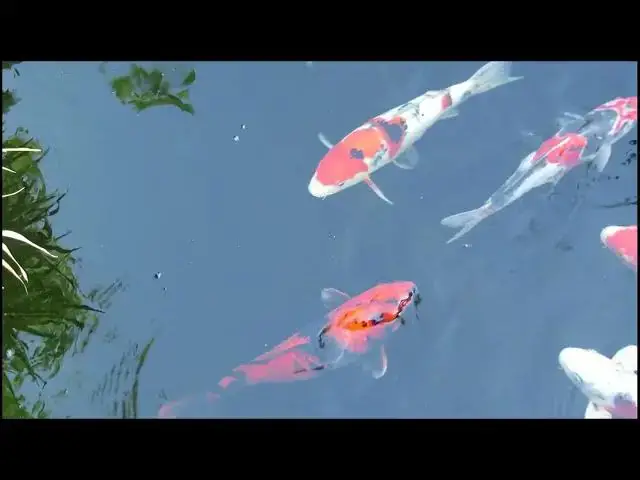
Learn how to properly feed koi fish for optimal growth and health. This video covers suitable food types, feeding frequency, seasonal adjustments, and best practices. Discover common mistakes to avoid and tips for maintaining a balanced diet that promotes vibrant colors and impressive growth in your koi.
Show More Show Less View Video Transcript
0:00
koi fish feeding diet boost growth and
0:02
health koi fish are not just beautiful
0:06
ornamental creatures they're living
0:08
beings that require proper care and
0:10
nutrition to thrive feeding your koi
0:12
correctly is crucial for their growth
0:14
health and vibrant colors in this video
0:17
we'll explore how to feed Koi fish to
0:20
promote optimal growth and well-being
0:22
let's start with the types of food
0:24
suitable for koi a balanced diet for koi
0:27
should include both commercial koi
0:29
pellets and Natural Foods highquality
0:32
koi pellets are formulated to provide
0:35
essential nutrients vitamins and
0:38
minerals look for pellets with a protein
0:40
content of 30 to 36% for growing KO
0:44
natural foods can include fresh
0:45
vegetables like lettuce spinach and
0:48
watermelon as well as live or frozen
0:51
foods such as blood worms and brine
0:53
shrimp these natural options offer
0:55
variety and additional nutrients feeding
0:57
frequency and amount are critical Factor
1:00
in promoting koi growth during the
1:02
warmer months when koi are most active
1:04
feed them two to four times a day only
1:07
offer as much food as they can consume
1:09
within 5 minutes overfeeding can lead to
1:12
poor water quality and health issues for
1:14
younger growing koi you may need to feed
1:17
more frequently up to six times a day to
1:19
support their rapid growth it's
1:21
important to adjust your feeding routine
1:23
with the seasons in Spring and fall when
1:25
temperatures are moderate reduce feeding
1:28
to once or twice a day dur during winter
1:31
when water temperatures drop below 50° F
1:34
Ko's metabolism slows down significantly
1:37
at this time you should either stop
1:39
feeding alog together or provide only a
1:41
small amount of easily digestible food
1:43
once a week now let's discuss some
1:45
feeding techniques and best practices
1:47
always feed your koi in the same spot in
1:50
your pond this helps them establish a
1:52
routine and makes it easier for you to
1:54
monitor their eating habits spread the
1:56
food over a wide area to prevent
1:59
dominant fish from hogging all the food
2:01
use floating foods to observe how much
2:03
your koi are eating and remove any
2:05
uneaten food after a few minutes to
2:07
maintain water quality there are several
2:10
common mistakes to avoid when feeding
2:12
koi first don't overfeed excess food can
2:15
pollute the water and cause health
2:17
problems second avoid sudden changes in
2:20
diet it introduced new foods gradually
2:22
to prevent digestive issues third don't
2:25
rely solely on Commercial pellets a very
2:29
diet is key to Optimal Health and growth
2:32
lastly never feed bread to your co-a it
2:34
lacks nutritional value and can cause
2:36
bloating to wrap up feeding koi fish for
2:40
growth involves providing a balanced
2:43
diet of high quality pellets and Natural
2:45
Foods adjusting feeding frequency and
2:49
amount based on season and fish size and
2:52
following best practices for food
2:54
distribution by avoiding common mistakes
2:56
and maintaining a consistent feeding
2:58
routine you'll promote healthy growth in
3:01
your coing ensuring they reach their
3:03
full potential in size and Beauty
3:06
remember proper nutrition is the
3:07
foundation of koi health so take the
3:09
time to feed your fish correctly and
3:11
they'll reward you with vibrant colors
3:13
and impressive growth for years to come
#Food
#Meat & Seafood
#Nutrition
#Pets & Animals
#Fish & Aquaria
#Fruits & Vegetables