Up next in 10


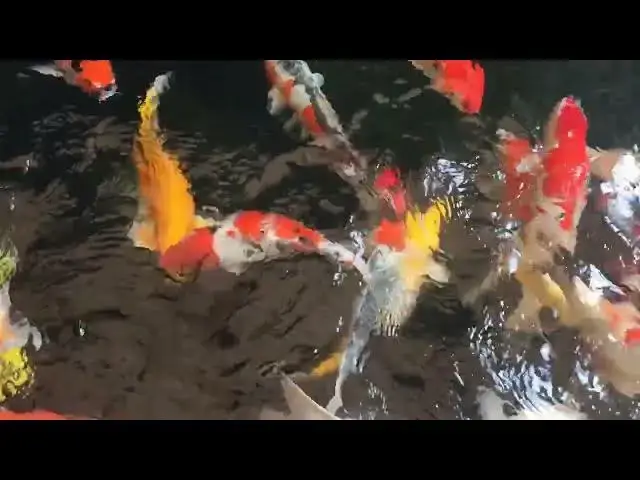
Learn the essential steps for feeding koi fish before and after relocation. This video covers pre-transport fasting, handling during transit, and the gradual reintroduction of food in their new environment. Discover how proper feeding practices can ensure your koi remain healthy and stress-free throughout the moving process.
Show More Show Less View Video Transcript
0:00
koi fish feeding guide before and after
0:02
Transportation koifish are beautiful and
0:05
delicate creatures that require special
0:07
care especially when it comes to feeding
0:09
before and after Transportation proper
0:12
feeding practices during these crucial
0:14
times can significantly impact the
0:16
health and well-being of your koi in
0:19
this video we will explore the essential
0:21
steps for feeding koi fish before and
0:24
after they are moved to a new location
0:26
let's begin with pre-transport feeding
0:30
in the days leading up to the movie it
0:31
is crucial to adjust your koise feeding
0:34
routine approximately 3 to 5 days before
0:37
Transportation start reducing the amount
0:39
of food you give your koi this gradual
0:41
reduction helps to empty their digestive
0:44
systems which is essential for a
0:46
stressfree Journey 2 days before the
0:48
move stop feeding your koi completely
0:51
this fasting period ensures that their
0:53
stomachs are empty reducing the risk of
0:55
water pollution during transport and
0:57
minimizing stress on their bodies during
0:59
the actual Transportation process KO
1:02
should not be fed at all the stress of
1:04
movement and confinement can negatively
1:06
affect their digestion and any food in
1:09
their system may lead to poor water
1:11
quality in the transport container it is
1:14
best to keep them in a fasted State
1:16
throughout the journey regardless of its
1:18
duration once your koi have arrived at
1:20
their new home it is tempting to feed
1:22
them immediately however it is crucial
1:25
to resist this urge the fish need time
1:27
to acclimate to their new environment
1:29
and recover from the stress of
1:30
transportation for the first 24 to 48
1:33
hours after arrival allow your koi to
1:35
settle in without food this period gives
1:38
them time to explore their new
1:40
surroundings and helps their digestive
1:42
systems prepare for the reintroduction
1:44
of food after the initial settlin period
1:47
you can begin to reintroduce food
1:49
gradually start with small amounts of
1:51
easily digestible food such as weak germ
1:53
based KO pellets these are gentler on
1:56
their digestive systems and provide
1:58
necessary nutrients of for small
2:00
portions about half of what you would
2:02
normally feed and observe how the koi
2:05
respond if they eat eagerly and show no
2:07
signs of distress you can slowly
2:10
increase the amount over the next few
2:12
days monitor your koi closely during
2:14
this reintroduction phase look for signs
2:17
of normal behavior such as Active
2:19
swimming and interest in food also keep
2:21
an eye out for any unusual symptoms like
2:24
lethargy loss of appetite or changes in
2:27
coloration these could indicate stress
2:30
or health issues related to the movie as
2:32
your koi adjust to their new home
2:35
gradually increase the amount and
2:36
variety of food over the course of a
2:38
week or two this slow transition helps
2:41
prevent digestive issues and allows you
2:43
to gauge their appetite and overall
2:46
health by the end of 2 weeks you should
2:48
be able to return to their regular
2:49
feeding schedule and diet remember the
2:52
key to successfully feeding KO before
2:54
and after Transportation lies in
2:56
patience and careful observation by
2:58
following these guidelines lines
3:00
reducing food before the movie fasting
3:03
during transport and gradually
3:05
reintroducing food afterward you can
3:07
help ensure your koi remain healthy and
3:09
stress free throughout the relocation
3:12
process proper feeding practices
3:14
combined with careful handling and
3:16
appropriate water quality management
3:18
will give your koi the best chance of
3:20
thriving in their new environment
#Fish & Aquaria
#Fish & Aquaria