Up next in 10


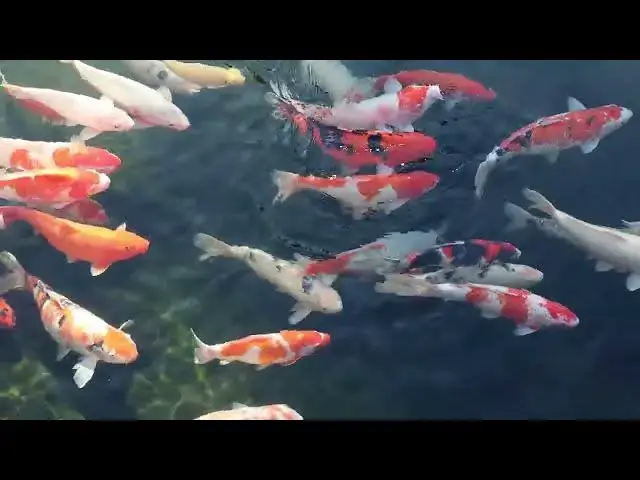
Explore the truth behind koi fish swimming habits. This video debunks the myth that koi always swim upstream, explaining their actual behavior and the factors influencing their movement in water. Learn how koi differ from salmon and what really determines their swimming patterns.
Show More Show Less View Video Transcript
0:00
koi fish do they really swim upstream
0:03
koi fish gracefully gliding Upstream
0:06
against powerful currents it's an image
0:08
many of us have in our minds but is this
0:10
really how KO fish behave today we're
0:13
diving into the myth and reality of koi
0:16
fish swimming habits KO fish with their
0:19
vibrant colors and elegant movements
0:21
have captivated people for centuries
0:24
these ornamental carp originally from
0:26
East Asia are now popular in ponds and
0:29
Water Gardens worldwide their beauty and
0:31
seeming determination have led to the
0:33
belief that they always swim upstream
0:35
but is this true the short answer is no
0:38
koi fish do not always swim upstream
0:41
this misconception likely stems from
0:43
confusing koi with other fish species
0:46
particularly salmon which are well known
0:48
for their Upstream migrations during
0:50
spawning season in reality koi fish are
0:54
quite adaptable in their swimming
0:55
Behavior they can swim in any direction
0:58
Upstream Downstream or or simply stay in
1:00
place depending on various factors in
1:03
their environment koi are generally calm
1:06
peaceful fish that prefer still or slow
1:09
moving Waters so what influences the
1:12
swimming patterns of koi fish several
1:14
factors come into play water temperature
1:17
is crucial koi are more active in warmer
1:20
Waters typically between 15 and 25° C in
1:25
colder temperatures they become less
1:27
active and may even enter a state of
1:30
dorcy food availability also affects
1:33
their movement the koi will swim towards
1:34
areas where they can find food whether
1:36
that's Upstream Downstream or to the
1:39
surface of the water they're
1:41
opportunistic feeders and will go where
1:43
the food is most plentiful water quality
1:45
and oxygen levels are other important
1:47
factors KO require well oxygenated water
1:50
to thrive if oxygen levels are low in
1:53
one area of a pond or stream koi may
1:56
swim to areas with better water quality
1:58
the presence of predator can also
2:00
influence koi Behavior if threatened
2:03
they might seek shelter in deeper waters
2:05
or among aquatic plants regardless of
2:08
the water's direction of flow it's worth
2:10
noting that while koi don't have a
2:13
natural instinct to swim upstream they
2:16
are capable of doing so if necessary
2:18
their muscular bodies and strong fins
2:21
allow them to navigate against currents
2:23
when needed however they don't exhibit
2:24
the same driven Upstream Behavior as
2:27
fish like salmon or steelhead trout
2:29
speaking of salmon let's briefly compare
2:32
them to KO salmon are an adris fish
2:35
meaning they're born in fresh water
2:37
migrate to the ocean and then return to
2:39
freshwat to spawn this life cycle
2:41
necessitates their famous Upstream
2:43
Journeys Co on the other hand spend
2:45
their entire lives in freshwat and don't
2:48
have this migratory Instinct in
2:50
conclusion the idea that KO fish always
2:53
swim upstream is indeed a myth while
2:56
they're capable of swimming against
2:58
currents their movement is more
3:00
influenced by factors like water
3:01
temperature food availability and
3:04
environmental conditions koi are
3:06
adaptable creatures that will swim in
3:08
whatever Direction Best Suits their
3:10
needs at any given time so the next time
3:13
you see KO and a pond or stream remember
3:16
they're not on a mission to reach the
3:18
source they're simply going with the
3:19
flow of their environment
#Fishing
#Pets
#Fish & Aquaria
#Fish & Aquaria
#Wildlife
#Ecology & Environment