Up next in 10


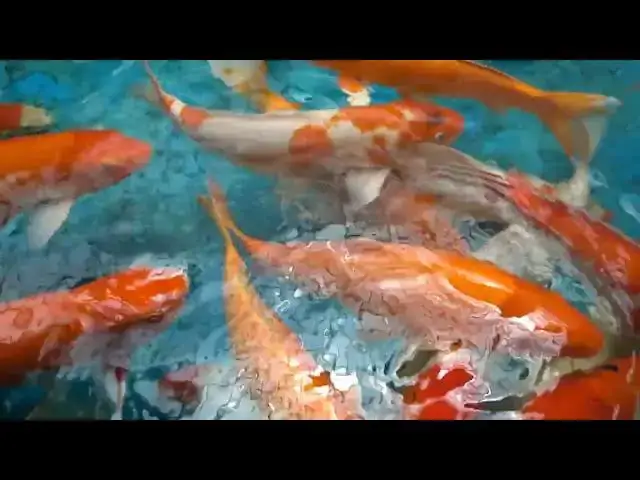
Learn essential tips for maintaining healthy koi fish in your pond. This video covers water quality management, proper nutrition, stress reduction, and regular health checks to prevent disease and ensure your koi thrive.
Show More Show Less View Video Transcript
0:00
koi fish care preventing disease and
0:02
promoting Health koi fish with their
0:05
vibrant colors and graceful movements
0:07
are living jewels in any Pond but
0:10
keeping these beautiful creatures
0:11
healthy requires more than just
0:13
admiration today we're exploring how to
0:16
prevent disease and promote healthy
0:18
growth in koi fish maintaining koi
0:20
Health starts with understanding their
0:21
basic needs these ornamental carp thrive
0:24
in clean well oxygenated water with
0:27
stable temperatures they require a
0:29
balanced diet and a stress free
0:31
environment to reach their full
0:33
potential the Cornerstone of disease
0:35
prevention in koi is water quality
0:38
management regular testing and
0:39
maintenance of BF levels ammonia
0:42
nitrites and nitrates are crucial aim
0:46
for a p8 between 7 and 8 and keep
0:49
ammonia and nitrite levels as close to
0:51
zero as possible install and efficient
0:54
filtration system and perform partial
0:57
water changes weekly to remove waste and
0:59
replenish essential minerals proper
1:02
nutrition plays a vital role in boosting
1:05
koi immune systems feed your KO high
1:08
quality very diet appropriate for their
1:10
size in the season in warmer months
1:13
offer protein rich foods to support
1:16
growth during colder periods switch to
1:19
easily digestible wheat germ based foods
1:23
be careful not to overfeed as excess
1:26
food can lead to poor water quality and
1:29
health issues stress is a significant
1:32
factor in koi susceptibility to disease
1:35
minimize stress by maintaining a stable
1:38
environment avoid sudden changes in
1:40
water temperature or chemistry provide
1:43
adequate space for your koi to swim and
1:45
include hiding spots like plants or
1:47
structures in your pond limit handling
1:49
of your fish and always use a soft net
1:52
when necessary regular health checks are
1:54
essential for early detection of
1:56
potential problems observe your COA
1:58
daily watching for changes in Behavior
2:01
appetite or appearance look for signs of
2:04
physical damage unusual growths or
2:07
discoloration quarantine new fish before
2:10
introducing them to your main Pond to
2:12
prevent the spread of potential diseases
2:14
Implement specific preventive measures
2:16
to safeguard your Coy use auv sterilizer
2:20
to control algae and harmful
2:22
microorganisms consider adding
2:24
beneficial bacteria to your pond to help
2:26
break down organic waste in areas with
2:29
pred
2:30
install netting or other protective
2:32
measures to prevent injuries from birds
2:35
or other animals familiarize yourself
2:37
with common signs of illness in koi
2:39
these include loss of appetite lethargy
2:42
gasping at the surface unusual swimming
2:45
patterns visible parasites or changes in
2:48
coloration if you notice any of these
2:50
symptoms isolate the affected fish and
2:53
consult a koi health specialist promptly
2:55
remember preventing disease in koi is
2:58
far easier and more effective than
2:59
treating in it by maintaining excellent
3:01
water quality providing proper nutrition
3:04
reducing stress and conducting regular
3:07
health checks you create an environment
3:09
where your koi can fry with consistent
3:12
care and attention your koi will reward
3:14
you with vibrant colors robust growth
3:17
and years of enjoyment in your pond
#Fish & Aquaria
#Fish & Aquaria
#Aquaculture