live_tv
Livestream Starting Soon
00
Hours
:
00
Minutes
:
00
Seconds
Up next in 10


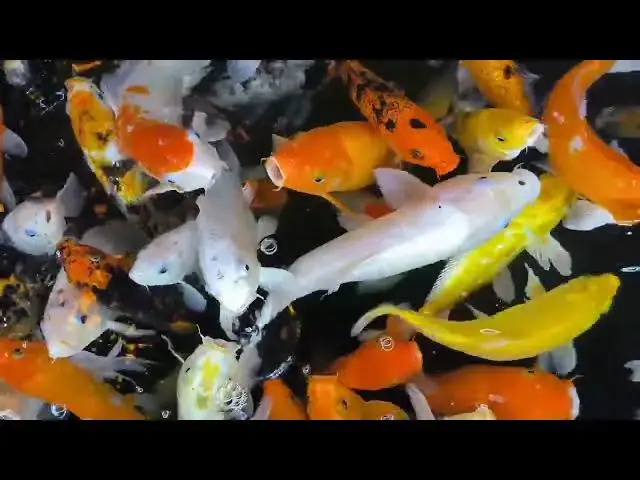
Learn how to properly feed koi fish after winter hibernation. This video covers the importance of water temperature, suitable food types, and feeding techniques to ensure your koi transition safely into spring. Avoid common mistakes and help your fish thrive with these essential care tips.
Show More Show Less View Video Transcript
0:00
koi fish care post- winter feeding guide
0:02
KO fish those colorful and graceful
0:05
inhabitants of garden ponds require
0:07
special care when emerging from their
0:09
winter hibernation proper feeding during
0:12
this crucial time is essential for their
0:14
health and vitality this video will
0:17
guide you through the process of feeding
0:19
koi fish after their Long Winter rest
0:22
during the cold months koi enter a state
0:25
of hibernation their metabolism slows
0:27
down significantly and they stop eating
0:29
allog together as water temperatures
0:31
drop below 50° F these fish become less
0:35
active and settle at the bottom of the
0:37
pond conserving energy until spring
0:40
arrives as winter gives way to Spring
0:42
Pond owners must pay close attention to
0:44
water temperature Co should not be fed
0:47
until the water consistently stays above
0:50
50° F this usually occurs when air
0:53
temperatures remain above 60° for
0:56
several days in a row feeding too early
0:58
can cause serious digestive issues for
1:00
the fish as their systems are not yet
1:03
ready to process food when the time
1:05
comes to start feeding begin with small
1:07
amounts of easily digestible food wheat
1:10
germ based koi food is an excellent
1:13
choice for the first feedings it's
1:15
gentle on their digestive systems and
1:18
provides the nutrients they need to
1:20
regain strength offer food only once a
1:22
day and in very small quantities A good
1:25
rule of thumb is to give only as much as
1:28
the fish can consume within 5 minutes
1:31
gradually increase the amount and
1:33
frequency of feeding over the course of
1:34
several weeks as the water temperature
1:37
rises and the koi become more active you
1:39
can slowly introduce their regular
1:41
summer diet however be patient and
1:44
resist the urge to overfeed Co have been
1:46
without food for months and their
1:48
digestive systems need time to adjust
1:50
the best types of food for post
1:52
hibernation feeding are high quality
1:54
easily digestible koi pellets or flakes
1:57
look for foods that are specifically
1:59
formulated for spring feeding these
2:01
often contain a balance of protein fats
2:06
and vitamins that help boost the koi's
2:08
immune system and energy levels after
2:11
The Long Winter avoid common mistakes
2:14
such as feeding too much too soon using
2:16
lowquality food or ignoring water
2:18
temperature these errors can lead to
2:20
health problems for your koi including
2:22
bloating constipation or even more
2:25
severe issues like bacterial infections
2:27
proper care during this transition
2:29
period is crucial for the long-term
2:32
health and vitality of your COA by
2:35
following these guidelines for post
2:37
hibernation feeding you'll help ensure
2:39
that your fish emerge from Winter
2:41
healthy and ready to thrive in the
2:43
warmer months ahead remember patience
2:46
and attentiveness are key to
2:48
successfully bringing your koi out of
2:50
hibernation and into a new season of
2:52
growth and activity
#Fish & Aquaria
#Fish & Aquaria