Up next in 10


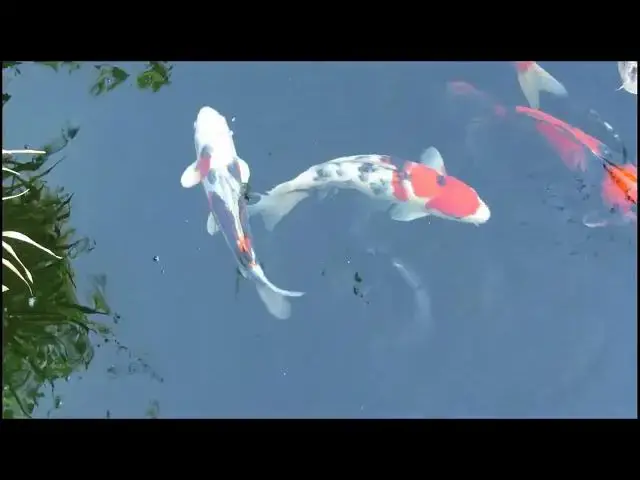
Explore the debate surrounding koi fish as invasive species. Learn about their impact on non-native ecosystems, the importance of responsible ownership, and how to prevent ecological harm while enjoying these colorful ornamental carp.
Show More Show Less View Video Transcript
0:00
koi fish beautiful pets or potential
0:03
Invaders koi fish with their vibrant
0:06
colors and graceful movements have
0:08
captivated people around the world for
0:10
centuries these ornamental carp are
0:13
beloved additions to ponds and Water
0:15
Gardens but beneath their beautiful
0:17
exterior lies a controversial question
0:20
are koi fish invasive species today
0:23
we'll dive into this issue and separate
0:25
fact from fiction before we can answer
0:27
this question we need to understand what
0:30
an invasive species is an invasive
0:32
species is any organism that is not
0:35
native to an ecosystem and causes harm
0:38
to the environment economy or human
0:40
health these species often reproduce
0:42
quickly outcompete native species and
0:45
lack natural predators in their new
0:47
environment koe fish scientifically
0:50
known as cyonus rubro fuscus originated
0:53
from Wild carp in Central Europe and
0:55
Asia over centuries they were
0:57
selectively bred in Japan for their
0:59
colorful pattern
1:00
leading to the ornamental varieties we
1:02
know today in their native habitats and
1:04
controlled environments like Garden
1:06
ponds koi are not considered invasive
1:08
however problems arise when koi are
1:10
released or Escape into natural
1:12
waterways where they don't belong this
1:14
is where the line between harmless pet
1:16
and potential Invader becomes blurred
1:19
koi are hearty fish that can adapt to
1:22
various environments and have few
1:24
natural Predators outside their native
1:26
range they grow large often reaching
1:28
lengths of 2 to 3 ft and can live for
1:31
decades in non-native ecosystems koite
1:34
can cause significant disruptions they
1:37
feed on aquatic plants insects and small
1:39
fish potentially out competing native
1:42
species for food and habitat their
1:43
bottom feeding Behavior can stir up
1:45
sediment increasing water turbidity and
1:48
affecting water quality this can lead to
1:50
decreased sunlight penetration impacting
1:53
plant growth and oxygen levels in the
1:56
water there have been several documented
1:58
cases of coin becoming invasive in the
2:00
United States Ferro coil populations
2:02
have been found in waterways across
2:04
multiple States including California
2:06
Texas and Florida in Australia koi have
2:09
invaded parts of the Murray darling
2:11
river system causing concern for Native
2:14
fish species these invasions often start
2:16
with well-meaning individuals releasing
2:18
unwanted pet koi into local Waters
2:21
unaware of the potential consequences
2:24
the impact of invasive koi extends
2:26
Beyond ecological concerns they can also
2:29
carry diseases and parasites that may
2:31
affect native fish populations
2:33
additionally managing invasive koi
2:36
populations can be costly and
2:37
challenging for wildlife authorities
2:40
preventing koi from becoming invasive is
2:42
crucial this starts with responsible pet
2:44
ownership if you can no longer care for
2:46
your koi never release them into natural
2:49
waterways instead find them a new home
2:51
with another jaist or contact a local
2:53
aquarium or pet store for advice for
2:56
pond owners ensure your pond is secure
2:58
and has safeguards to prevent fish from
3:01
escaping during floods or other extreme
3:03
weather events Wildlife Management
3:05
agencies in affected areas often
3:07
Implement control measures for invasive
3:09
koi populations these can include
3:12
targeted removal efforts public
3:14
education campaigns and stricter
3:16
regulations on koi ownership and trade
3:19
in sensitive regions in conclusion while
3:22
koi fish are not inherently invasive
3:24
they have the potential to become
3:26
invasive species when introduced to
3:28
non-native e systems the reality is
3:31
nuanced in their native ranges and in
3:33
properly maintained artificial
3:35
environments koi are not a problem
3:38
however when released into new habitats
3:40
they can indeed become invasive causing
3:43
ecological and economic harm the key
3:45
lies in responsible ownership and a
3:47
deeper understanding of the potential
3:49
impacts of our actions on local
3:51
ecosystems by being informed and making
3:54
responsible choices we can continue to
3:56
enjoy these beautiful fish while
3:58
protecting our natural waterways like
#Fishing
#Pets
#Fish & Aquaria
#Fish & Aquaria
#Ecology & Environment