live_tv
Livestream Starting Soon
00
Hours
:
00
Minutes
:
00
Seconds
Up next in 10


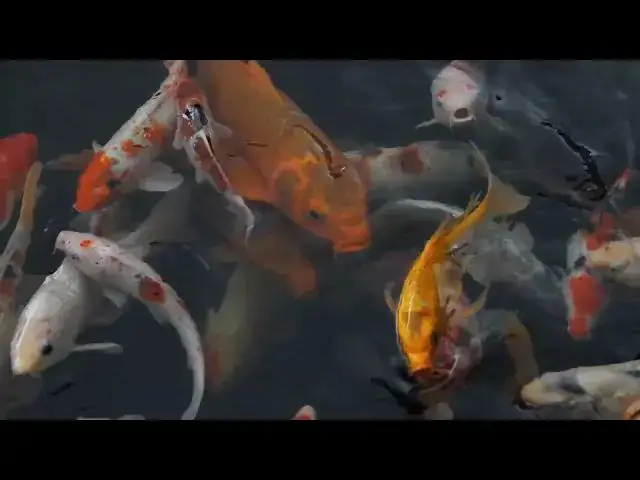
Koi Fish and Water Chemistry Adaptability and Limits
Show More Show Less View Video Transcript
0:00
koi fish and water chemistry
0:02
adaptability and limits koi fish are
0:05
renowned for their beauty and hardiness
0:07
but can they really thrive in any water
0:09
conditions today we explore the
0:12
adaptability of these colorful carp and
0:14
the limits of their resilience when it
0:17
comes to water chemistry KO descendants
0:19
of the common carp have been selectively
0:21
bred for centuries resulting in the
0:24
vibrant pattern fish we admire in ponds
0:26
and Water Gardens today their popularity
0:28
has led many to believe that koi can
0:30
survive in almost any aquatic
0:33
environment however the reality is more
0:35
nuanced water chemistry plays a crucial
0:38
role in the health and well-being of all
0:41
fish including koi it encompasses
0:43
factors such as eh levels hardness
0:47
dissolved oxygen and the presence of
0:50
various minerals and compounds in their
0:52
natural habitat COA prefer stable well
0:55
oxygenated water with a neutral to
0:59
slightly Al line each while koi have
1:01
shown remarkable adaptability over time
1:04
they do have preferred water parameters
1:06
ideally koi thriving water with a f8
1:09
between 7 and 8.6 a temperature range of
1:12
60 to 75° F and moderate hardness these
1:16
conditions closely mimic their ancestral
1:18
Waters in East Asia that being said koi
1:21
have demonstrated an ability to adapt to
1:23
a wider range of conditions than many
1:26
other ornamental fish they can tolerate
1:28
Pi levels from 6 .5 to9 and survive in
1:32
temperatures from 35 to 85° F although
1:35
these extremes are not ideal for
1:37
long-term Health koi can also adapt to
1:40
different levels of water hardness from
1:42
relatively soft to quite hard water this
1:45
adaptability is one reason why koi have
1:47
become popular in various regions around
1:50
the world with differing water
1:51
chemistries however it's important to
1:53
note that while koi can survive in a
1:56
range of conditions they may not Thrive
1:58
or reach their full po potential in
2:00
suboptimal water chemistry Rapid or
2:03
extreme changes in water parameters can
2:06
stress koe leading to health issues or
2:09
even death consistently poor water
2:12
quality can result in stunted growth
2:14
reduced coloration and increased
2:16
susceptibility to diseases there are
2:18
limits to co adaptability they cannot
2:21
survive in saltwater or highly acidic
2:23
conditions extremely low oxygen levels
2:26
High ammonia or nitrite concentrations
2:29
can quick quickly become lethal koi are
2:32
also sensitive to chlorine and heavy
2:34
metals which can be present in untreated
2:36
tap water for koi Keepers maintaining
2:39
proper water chemistry is crucial
2:41
regular water testing and gradual
2:43
adjustments are key use appropriate
2:46
filtration systems perform partial water
2:49
changes and avoid overfeeding to keep
2:52
water quality High when introducing koi
2:55
to a new environment acclimatize them
2:58
slowly to minimize stress dress in
3:00
conclusion while koi fish have
3:03
impressive adaptability to various water
3:06
conditions they cannot thrive in just
3:08
any water chemistry responsible COI
3:11
keeping involves understanding their
3:13
preferred parameters and working to
3:14
maintain stable healthy water conditions
3:17
by doing so we can ensure these
3:19
beautiful fish not only survive but
3:21
flourish displaying their full potential
3:23
in color size and longevity
#Fish & Aquaria
#Fish & Aquaria