Up next in 10


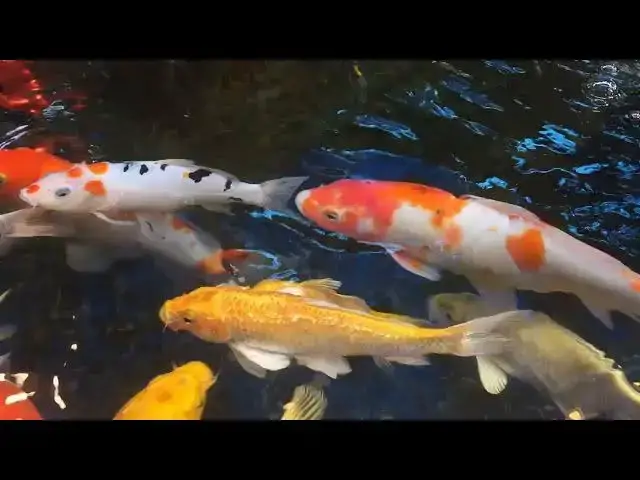
Learn how to maintain optimal water conditions for successful koi breeding. This video covers key parameters to monitor, testing methods, filtration systems, water changes, and how to handle common water quality issues. Discover practical tips to create a healthy environment for your koi and their offspring.
Show More Show Less View Video Transcript
0:00
koi breeding essential water quality
0:02
management tips koi fish breeding is a
0:05
delicate process and one of the most
0:08
critical factors for success is
0:10
maintaining optimal water quality poor
0:13
water conditions can lead to stress
0:16
disease and even death of your valuable
0:18
koi and their offspring in this video
0:21
we'll explore how to effectively manage
0:23
water quality during the koi breeding
0:25
season let's start by discussing the key
0:28
water parameters you need need to
0:30
monitor the most important factors are H
0:33
ammonia nitrate nitrate and dissolve
0:37
oxygen each of these plays a crucial
0:39
role in the health and well-being of
0:42
your
0:45
Co is a measure of how acidic or
0:47
alkaline your water is for koi the ideal
0:50
koi AG range is between 7.2 and 8.2
0:55
ammonia should be kept at zero parts per
0:57
million as it's highly toxic to fit
1:00
nitrite another harmful compound should
1:02
also be maintained at zero parts per
1:04
million nitrate while less toxic should
1:08
be kept below 40 parts per million
1:10
lastly dissolved oxygen should be at
1:12
least 6 mg per liter with higher levels
1:16
being beneficial during breeding regular
1:18
testing is essential to maintain these
1:21
parameters use reliable test kits and
1:23
perform checks at least twice a week
1:25
increasing to daily during the breeding
1:27
season digital meters can provide more
1:29
accurate readings for pH and dissolved
1:31
oxygen to maintain water quality a
1:34
robust filtration system is crucial this
1:36
should include mechanical biological and
1:40
chemical filtration components
1:42
mechanical filtration removes Solid
1:45
Waste while biological filtration
1:47
converts harmful ammonia and nitrite
1:49
into less toxic nitrate chemical
1:52
filtration such as activated carbon can
1:54
remove dissolved organic compounds
1:57
regular water changes are also vital
1:59
gain to replace 10 to 15% of the pond
2:03
water weekly increasing this to 20%
2:07
during breeding season this helps dilute
2:09
any accumulated pollutants and
2:11
replenishes essential minerals
2:13
beneficial bacteria play a significant
2:16
role in maintaining water quality these
2:18
microorganisms break down waste and help
2:21
stabilize the nitrogen cycle consider
2:23
adding commercial bacterial supplements
2:26
especially after water changes or
2:28
medication treatments during the
2:30
breeding season be extra vigilant about
2:33
water quality spawning koi produced a
2:35
large amount of waste which can quickly
2:37
deteriorate water conditions increase
2:40
the frequency of water testing and be
2:41
prepared to perform more frequent water
2:44
changes you may also need to adjust
2:46
feeding during this time overfeeding can
2:48
lead to excess waste and declining water
2:51
quality feed small amounts multiple
2:54
times a day rather than large portions
2:57
less frequently despite your best
2:59
efforts you you may encounter water
3:01
quality issues if ammonia or nitrate
3:03
levels Spike perform an immediate large
3:06
water change of up to 50% consider using
3:09
ammonia or nitrate neutralizing products
3:11
in emergencies for low dissolved oxygen
3:14
increase aeration using airstones or by
3:17
creating more water movement with pumps
3:19
or waterfalls if Peach fluctuates
3:22
outside the ideal range gradual
3:24
correction is key sudden Peach changes
3:27
can stress your coin use PA buck
3:30
designed for ponds to slowly bring the
3:32
levels back to the optimal range algae
3:35
blooms can also impact water quality
3:38
while some algae are beneficial
3:40
excessive growth can complete oxygen
3:42
levels overnight use UV sterilizers or
3:45
algae side specifically safe for koi to
3:47
control algae growth in conclusion
3:50
managing water quality is a continuous
3:53
process that requires dedication and
3:55
attention to detail by regularly
3:57
monitoring key parameters maintaining an
4:00
effective filtration system performing
4:03
consistent water changes and addressing
4:05
issues promptly you can create an
4:07
optimal environment for your koi to
4:10
breed successfully remember healthy
4:12
water leads to healthy koi and healthy
4:15
koi produce strong vibrant offspring
#Pets
#Fish & Aquaria
#Fish & Aquaria