live_tv
Livestream Starting Soon
00
Hours
:
00
Minutes
:
00
Seconds
Up next in 10


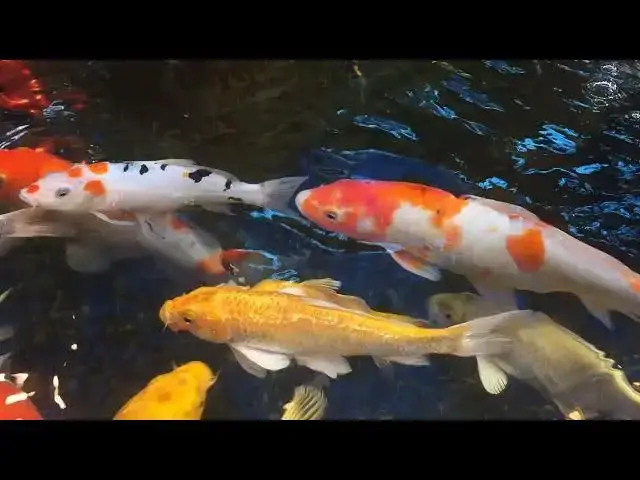
Learn about the impact of water hardness on koi fish growth and health. Discover the ideal hardness range, the effects of soft and hard water, and how to maintain optimal conditions for your koi pond. This video covers the importance of calcium and magnesium, testing methods, and ways to adjust water hardness for thriving koi.
Show More Show Less View Video Transcript
0:00
how water hardness affects koi fish
0:02
growth koi fish with their vibrant
0:04
colors and graceful movements have
0:07
captivated Pond Enthusiast for centuries
0:09
but did you know that the quality of
0:12
water they swim in can significantly
0:14
impact their growth and overall health
0:16
today we're focusing on a crucial aspect
0:19
of water quality water hardness and how
0:21
it affects koi fish growth water
0:24
hardness refers to the concentration of
0:26
dissolved minerals primarily calcium and
0:29
magnesium in the water these minerals
0:32
play a vital role in the physiological
0:34
processes of koi fish when we talk about
0:37
water hardness we typically measure it
0:39
in parts per million or palm of calcium
0:42
carbonate so how does water hardness
0:45
influence coish growth the minerals in
0:47
hard water are essential for various
0:49
bodily functions in koi calcium is
0:51
crucial for bone development scale
0:53
formation and nerve function magnesium
0:57
is important for enzyme activation and
0:59
muscle function both minerals contribute
1:01
to the overall health and growth rate of
1:03
koi fish for optimal koi fish growth and
1:07
health the ideal water hardness range
1:10
typically Falls between 150 and 300 p.m
1:13
within this range koi can efficiently
1:16
absorb and utilize the necessary
1:18
minerals from their environment
1:19
supporting proper development and
1:21
vibrant coloration when water is too
1:24
soft meaning it has a low mineral
1:26
content koi fish May struggle to obtain
1:28
the calcium and mag magnesium they need
1:30
from their environment this can lead to
1:32
stunted growth weak bones and dull
1:35
coloration soft water can also cause
1:37
stress to the fish as their bodies work
1:40
harder to maintain proper osmotic
1:42
balance on the other hand excessively
1:45
hard water can also pose problems while
1:47
koi can tolerate higher levels of
1:49
hardness better than soft water
1:52
extremely hard water can lead to mineral
1:54
deposits on the gills potentially
1:56
interfering with respiration it may also
1:58
cause stress and affect the fish's
2:00
ability to osmo regulate effectively to
2:03
ensure your KO are living in optimal
2:05
conditions it's important to regularly
2:07
measure and monitor water hardness you
2:10
can use simple test kits available at
2:12
most aquarium stores to check the
2:14
hardness levels if adjustments are
2:15
needed there are several methods to
2:18
modify water hardness to increase
2:20
hardness you can add calcium rich
2:22
substrates like crushed Coral or
2:24
Limestone to your pond for more
2:25
immediate results commercial products
2:28
designed to increase water hardness are
2:30
available if your water is too hard
2:32
using reverse osmosis filtered water or
2:35
rain water for partial water changes can
2:37
help lower the hardness over time in
2:40
conclusion maintaining proper water
2:42
hardness is crucial for the healthy
2:45
growth and development of koi fish by
2:48
understanding and managing this
2:49
important aspect of water quality you
2:50
can provide an environment where your
2:52
koi can Thrive displaying their full
2:54
potential in both size and color regular
2:57
testing and appropriate adjustments will
2:59
ensure your koi have the best conditions
3:01
for optimal growth and vitality
#Pets
#Fish & Aquaria
#Fish & Aquaria