Up next in 10


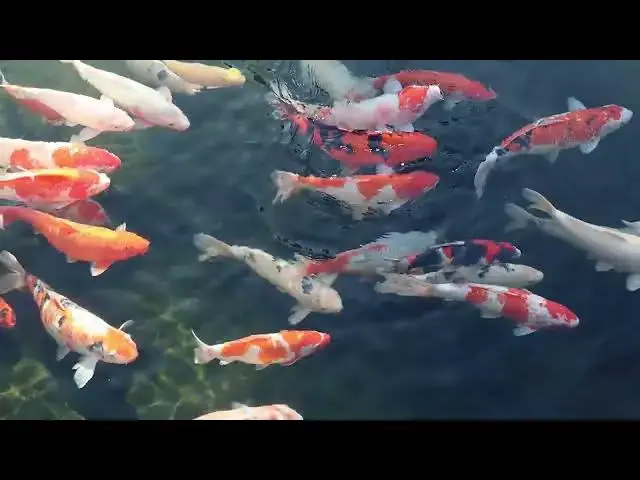
Learn about the crucial role of water depth in maintaining a healthy koi pond ecosystem. This video explores how depth influences temperature stability, oxygen levels, and nutrient balance, offering practical tips for optimal pond design and maintenance.
Show More Show Less View Video Transcript
0:00
how water depth affects Koon quality the
0:03
Serene beauty of a koipond can be
0:05
mesmerizing but beneath the surface lies
0:08
a complex ecosystem where water depth
0:11
plays a crucial role in maintaining
0:14
water quality understanding this
0:15
relationship is essential for any koi
0:17
Enthusiast or Pond owner looking to
0:19
create a thriving environment for these
0:21
colorful fish water depth in koi ponds
0:23
is more than just a matter of Aesthetics
0:25
or space for fish to swim it directly
0:28
influences various as aspects of water
0:30
quality which in turn affects the health
0:32
and well-being of your koi deeper water
0:35
provides more stability in temperature
0:37
oxygen levels and overall water
0:40
chemistry one of the primary impacts of
0:42
water depth on water quality is
0:44
temperature regulation deeper ponds have
0:46
a larger volume of water which helps
0:49
maintain a more consistent temperature
0:51
throughout the day and across Seasons
0:53
this stability is crucial for koi as
0:56
sudden temperature fluctuations can
0:57
stress the fish and make them more
1:00
susceptible to diseases oxygen levels
1:02
are another critical Factor affected by
1:04
water depth deons generally have better
1:07
oxygen distribution The increased water
1:09
volume allows for more dissolved oxygen
1:12
which is vital for koi respiration and
1:14
the breakdown of organic matter by
1:16
beneficial bacteria however it's
1:18
important to note that extremely deep
1:21
ponds may experience stratification
1:23
where the bottom layers become oxygen
1:25
depleted this is why proper circulation
1:28
is essential in deeper ponds water depth
1:31
also influences the concentration of
1:34
nutrients and pollutants in the pond in
1:36
shallower ponds nutrients from fish
1:39
waste and decaying organic matter can
1:41
quickly accumulate leading to algae
1:44
blooms and poor water quality deeper
1:46
ponds dilute these nutrients more
1:48
effectively helping to maintain a
1:50
balanced ecosystem the ideal depth for a
1:53
koi pond typically ranges from 3 to 6 ft
1:56
this depth provides enough volume for
1:58
stable water quality while still
2:00
allowing sunlight to penetrate and
2:02
support beneficial plant life it also
2:04
gives KO enough space to swim
2:05
comfortably and develop properly ponds
2:08
that are too shallow can lead to Rapid
2:10
temperature changes insufficient oxygen
2:13
levels and excessive algae growth these
2:16
conditions stress KO and can lead to
2:18
health problems on the other hand
2:20
excessively deep Hond may have issues
2:23
with circulation and can be more
2:25
difficult to maintain to maintain
2:27
optimal depth in your kipon consider the
2:30
following tips first design your pond
2:33
with varying depths including deeper
2:35
areas for koi to retreat to during
2:38
extreme weather conditions Second Use
2:41
proper filtration and eration systems to
2:43
ensure good circulation and oxygenation
2:46
throughout the entire water column third
2:48
regularly Monitor and maintain water
2:51
levels especially during hot summer
2:53
months when evaporation can be
2:55
significant in conclusion the impact of
2:58
water depth on water quality in COI pons
3:00
cannot be overstated by maintaining an
3:02
appropriate depth you create a stable
3:05
healthy environment that supports
3:07
thriving koi and a balanced ecosystem
3:10
remember uh well-designed and properly
3:13
maintained Pond is not just a beautiful
3:15
feature in your garden but a living
3:18
breeding habitat for your cherished KO
#Fish & Aquaria