Up next in 10


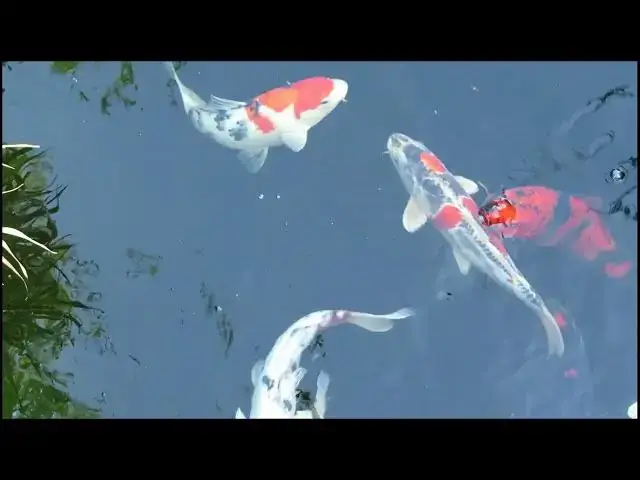
Learn effective methods to manage organic waste in koi ponds, including proper feeding, regular maintenance, efficient filtration, and the use of beneficial bacteria. Discover how these techniques can improve water quality and fish health, creating a cleaner and more beautiful pond environment.
Show More Show Less View Video Transcript
0:00
how to reduce organic waste in your
0:01
koipond Koi pond are beautiful additions
0:04
to any Garden but maintaining their
0:07
cleanliness is crucial for the health of
0:09
these colorful fish today we're focusing
0:12
on an essential aspect of koi Pon care
0:15
reducing organic waste organic waste in
0:18
koi ponds consists of uneaten fish food
0:21
fish excrements decaying plant matter
0:24
and other biodegradable materials that
0:26
accumulate over time while some organic
0:28
matter is natural and even beneficial
0:30
excess waste can lead to serious
0:32
problems too much organic waste can
0:34
cause a decline in water quality reduce
0:37
oxygen levels and promote the growth of
0:40
harmful algae this creates a stressful
0:42
environment for koi potentially leading
0:45
to health issues and stunted growth
0:47
additionally excess waste can cause
0:49
unpleasant odors and make your pond less
0:52
visually appealing fortunately there are
0:54
several effective methods to reduce
0:57
organic waste in your Koi pond let's
0:59
explore the techniques first proper
1:01
feeding is crucial overfeeding is a
1:04
common mistake that leads to excess
1:07
waste feed your koi only what they can
1:09
consume in about 5 minutes 2 to three
1:12
times a day remove any uneaten food
1:15
promptly to prevent it from decomposing
1:17
in the water regular pond maintenance is
1:19
also essential perform routine cleaning
1:22
by removing visible debris such as
1:24
fallen leaves and dead plant matter use
1:27
a pond skimmer or net to collect
1:29
floating in waste and consider
1:31
occasional bottom cleaning to remove
1:33
settled debris investing in an efficient
1:36
filtration system is vital for managing
1:38
organic waste a good filter will remove
1:41
Solid Waste particles and provide a home
1:43
for beneficial bacteria that break down
1:46
harmful compounds ensure your filter is
1:49
appropriately sized for your pond volume
1:51
and fish population speaking of
1:53
beneficial bacteria these microscopic
1:56
helpers play a crucial role in breaking
1:58
down organic w
2:00
you can introduce beneficial bacteria
2:02
through commercial products designed for
2:04
koi ponds these bacteria colonize your
2:07
filter media and pond surfaces
2:09
continuously working to process waste
2:12
maintaining the balance of plant life in
2:14
your pond can also help reduce organic
2:16
waste aquatic plants absorb excess
2:19
nutrients from the water competing with
2:21
algae for resources however be careful
2:24
not to over plant as decaying plant
2:27
matter can contribute to the waste
2:29
Problem by implementing these methods
2:31
you'll significantly reduce organic
2:33
waste in your Koi pond this leads to
2:36
clearer water healthier fish and a more
2:39
beautiful Pond overall remember a clean
2:42
Pond is not just visually pleasing it's
2:46
essential for the well-being of your koi
2:48
with consistent care and attention to
2:50
waste management you'll create an
2:52
optimal environment for your fish to
2:54
thrive
#Fish & Aquaria
#Fish & Aquaria