Up next in 10


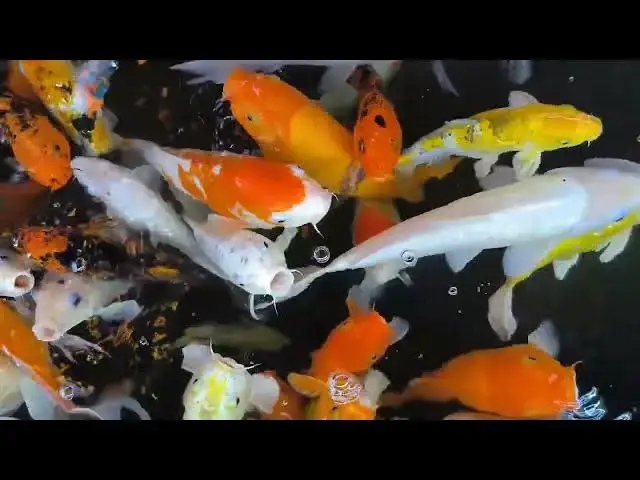
Learn the key factors and best practices for optimal koi fish growth. This video covers water quality, nutrition, space requirements, and temperature management to help your koi thrive and reach their full potential.
Show More Show Less View Video Transcript
0:00
how to maximize koi fish growth
0:02
essential tips for pond owners koi fish
0:05
with their vibrant colors and graceful
0:07
movements have captivated Pond
0:09
enthusiasts for centuries these living
0:12
Jewels can grow to impressive sizes but
0:14
achieving optimal growth in captivity
0:16
requires dedication and knowledge in
0:18
this video we will explore the best
0:21
practices for maximizing toy fish growth
0:24
ensuring your aquatic companions Thrive
0:26
and reach their full potential proper
0:29
growth is crucial for koi fish not only
0:31
for their overall health but also for
0:33
developing their stunning colors and
0:35
patterns uh well-grown koi is a
0:38
testament to excellent care and can
0:41
become a source of Pride for any
0:42
pondkeeper several key factors influence
0:46
koi growth the first and most critical
0:48
is water quality koi require clean well
0:51
oxygenated water to grow efficiently
0:54
regular water changes efficient
0:56
filtration and proper Iration are
0:59
essential aim to change 15 to 20% of the
1:03
pond water weekly and ensure your
1:05
filtration system can handle the bolad
1:08
of your koi population nutrition plays a
1:11
vital role in koi growth feed your koi a
1:14
high quality protein Rich diet
1:17
specifically formulated for their needs
1:20
young koi benefit from higher protein
1:22
content while adult koi require a more
1:24
balanced diet during the growing season
1:27
feed your Co multiple small meals
1:29
throughout the day rather than one large
1:32
feeding this approach mimics their
1:34
natural feeding patterns and promotes
1:36
better digestion and nutrient absorption
1:38
space is another crucial Factor Co need
1:41
ample room to swim and grow as a general
1:44
rule provide at least 250 gallons of
1:47
water for each adult Co overcrowding can
1:49
lead to stunted growth and increased
1:51
stress making your fish more susceptible
1:54
to diseases water temperature
1:56
significantly affects koi metabolism and
1:58
growth KO grow fastest when water
2:00
temperatures are between 72 and 82° F in
2:05
colder climates consider using Pond
2:07
heaters to extend the growing season
2:10
however be mindful of natural
2:13
temperature fluctuations as these are
2:15
important for the kois annual cycle now
2:17
let's delve into some best practices for
2:20
each of these factors for water quality
2:23
invest in a robust filtration system
2:25
that includes mechanical biological and
2:28
chemical filtration test your water
2:31
parameters regularly including each
2:34
ammonia nitrate and nitrate levels
2:36
maintain PE between 7.2 and 7.6 for
2:41
optimal Koy Health regarding nutrition
2:43
choose a food with a protein content of
2:46
35 to 40% for young koi and 28 to 32%
2:51
for adults supplement their diet with
2:53
fresh fruits and vegetables like
2:55
watermelon oranges and lettuce for added
2:57
nutrients and variety during winter
2:59
reduce feeding as koi metabolism slows
3:02
down to provide adequate space consider
3:05
the future size of your koi when
3:07
designing or choosing a pond a deeper
3:09
pond at least 4 to 5 ft allows for
3:12
better temperature regulation and gives
3:15
koi more room to grow vertically include
3:17
various depths in your pond design to
3:20
cater to different koi behaviors and
3:23
provide hiding spots for temperature
3:25
management use a pond thermometer to
3:28
monitor water temperature regularly in
3:31
warmer regions incorporate shaded areas
3:34
or floating plants to prevent excessive
3:36
Heating in colder areas a pond heater
3:40
can help maintain a more consistent
3:42
temperature but ensure it is properly
3:44
sized for your pond volume monitoring
3:47
your koi growth is essential to adjust
3:49
your practices as needed keep a log of
3:51
their sizes preferably with photographs
3:53
and track their progress over time if
3:55
you notice slower than expected growth
3:58
reassess your practices and make
4:00
necessary adjustments by implementing
4:02
these best practices you can create an
4:04
environment that promotes optimal koid
4:06
growth remember growing Qui to their
4:09
full potential is a long-term commitment
4:12
that requires patience and consistent
4:14
care the reward however is a pond filled
4:17
with healthy vibrant and impressive koi
4:20
that will bring joy for years to come
#Fish & Aquaria
#Fish & Aquaria
#Aquaculture