Up next in 10


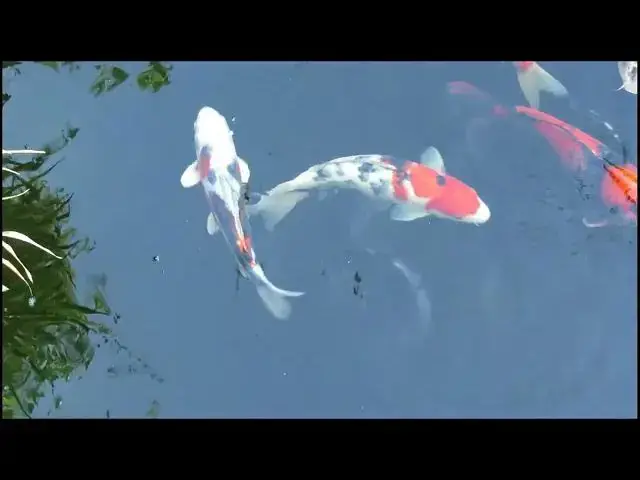
Learn how to maintain the ideal pH balance in your Koi pond for healthy, vibrant fish. This video covers the importance of pH, factors affecting it, testing methods, and ways to adjust and stabilize pH levels. Discover practical tips for creating a thriving environment for your Koi.
Show More Show Less View Video Transcript
0:00
how to keep optimal levels in your Koon
0:03
maintaining the right PA balance in your
0:05
koi Pon is crucial for the health and
0:07
well-be of your fish in this video we'll
0:10
explore how to keep optimal PE levels in
0:13
your koi Pon ensuring a thriving
0:16
environment for these beautiful
0:18
creatures it is a measure of how acidic
0:23
or alkaline water is and it plays a
0:25
vital role in the overall health of your
0:28
coin the ideal H range for a koi pond is
0:31
between 7.0 and 8.0 with 7.5 being The
0:36
Sweet Spot this slightly alkaline
0:39
environment helps koi maintain their
0:41
vibrant colors and supports their immune
0:43
system several factors can influence the
0:45
pH levels in your pond these include the
0:48
source of your water decomposing organic
0:51
matter fish waste and even rainfall
0:54
carbon dioxide levels in the water also
0:56
affect EES as higher carbon dioxide
0:59
concent ations can lead to more acidic
1:02
conditions to maintain optimal or
1:05
regular testing is essential you can use
1:08
Liquid test kits or electronic pH meters
1:10
to check your Pond's eh levels it's best
1:13
to test at least once a week preferably
1:16
at the same time each day as PA can
1:19
fluctuate throughout the day due to
1:21
photosynthesis and respiration of
1:23
aquatic plants if you find that your
1:25
Pawn's PA is outside the ideal range
1:28
there are several ways to to adjust it
1:30
to raise EA you can add Limestone or
1:33
crushed Coral to your filter media these
1:36
materials slowly dissolve gradually
1:39
increasing the ph and hardness of the
1:41
water for lowering Pete Pete Moss can be
1:44
effective when added to your filter
1:46
system however be cautious with chemical
1:49
T adjusters as rapid changes can stress
1:53
your Coe preventing drastic pH swings is
1:56
just as important as maintaining the
1:57
right level regular partial water
2:00
changes can help stabilize PE by
2:02
removing accumulated waste products
2:04
ensure your pond has adequate irration
2:07
as this helps maintain consistent carbon
2:09
dioxide levels also be mindful of
2:13
overfeeding as excess food can decompose
2:16
and affect water quality proper
2:18
filtration is another key factor in PH
2:21
stability
2:23
uh wellmaintained biological filter
2:27
helps break down waste products that
2:29
could otherwise lead to pH fluctuations
2:32
regular cleaning of your filter and
2:34
removal of debris from the pond will
2:36
contribute to a more stable environment
2:39
the type of plants in around your pond
2:41
can also influence pH some aquatic
2:44
plants like water lies can help
2:47
stabilize pH levels however be cautious
2:50
with fallen leaves from trees near your
2:52
pond as decomposing leaves can lower pH
2:56
in conclusion maintaining optimal eii
2:59
level in your Koi pond is an ongoing
3:02
process that requires regular attention
3:04
by understanding the factors that
3:05
influence paa testing regularly and
3:08
making gentle adjustments when necessary
3:10
you can create a stable healthy
3:12
environment for your koi to thrive
3:14
remember consistency is key gradual
3:17
changes are always better than sudden
3:19
ones when it comes to Pond chemistry
3:21
with proper care and attention to pH
3:23
levels you'll be rewarded with healthy
3:26
vibrant coate that bring Beauty and
3:28
Tranquility to your out door space
#Pets
#Fish & Aquaria
#Fish & Aquaria