Up next in 10


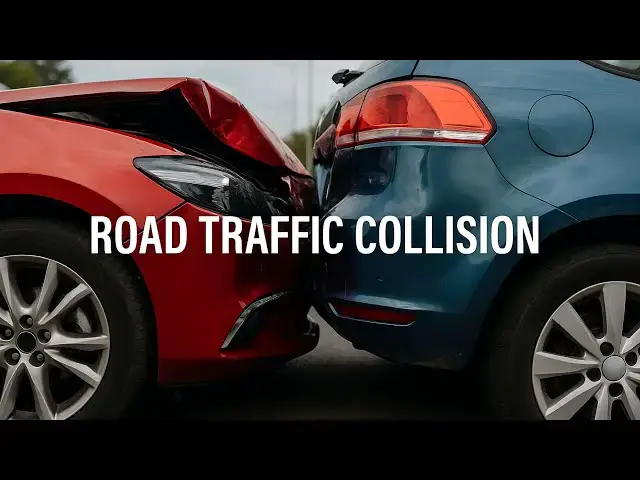
What happens after a road traffic collision: emergency response, the first legal steps and the insurance claim. The other video on the channel covers being at fault. This one covers the aftermath.
It is a general sequence, not legal advice and not a script for the insurer.
Show More Show Less View Video Transcript
0:00
Road traffic collision. What really
0:02
happens after the crash? It all begins
0:06
in an instant. The screech of tires, the
0:08
violent jolt, the sudden silence. A road
0:12
traffic collision is more than a crash.
0:15
It's a chain reaction that exposes the
0:17
fragility of routine and the importance
0:20
of preparation. But what truly unfolds
0:23
in the moments after impact? And what
0:26
does every driver need to know? Once the
0:29
dust settles, a complex process begins.
0:32
Physically, passengers may be
0:35
disoriented or injured. Emotionally,
0:38
shock and fear cloud judgment. Legally
0:41
and logistically, the real journey
0:43
starts. The first minutes are critical.
0:46
Securing the scene, checking for
0:48
injuries, and calling emergency
0:50
services. Bystanders often play a vital
0:54
role by offering assistance and
0:56
documenting evidence. Police arrive to
0:59
document the incident, collect witness
1:02
statements, and file a report. Insurance
1:05
companies then enter the scene demanding
1:08
statements, photos, and sometimes dash
1:11
cam footage. In minor collisions, you
1:14
might drive away with little more than
1:16
paperwork. But in more serious crashs,
1:19
your car could be towed, medical
1:21
evaluations mandated, and legal
1:23
consequences introduced. What most
1:26
drivers don't realize is the long tale
1:28
of a collision. From vehicle repairs and
1:31
rental replacements to rising insurance
1:33
premiums and potential legal claims, the
1:36
true impact can last months or even
1:38
years. Emotional trauma, especially
1:41
after high-speed crashs, may lead to
1:43
anxiety, sleeplessness, or PTSD like
1:47
symptoms. Seeking psychological support
1:50
is just as essential as fixing a bent
1:52
fender. Understanding your legal rights
1:55
is crucial. Not all drivers are insured,
1:59
and not all claims are fairly assessed.
2:02
Knowing how to advocate for yourself or
2:04
when to bring in a lawyer can change the
2:07
outcome of your recovery. financially
2:09
and emotionally. The clearer your
2:11
evidence and the sooner you file, the
2:14
better your chances for fair
2:15
compensation.
2:17
So, how can you prepare before a
2:19
collision ever happens? Carry emergency
2:22
contact cards. Have a medical kit in
2:25
your vehicle, install a dash cam, and
2:28
always photograph the scene if you're
2:30
able. Never admit fault on the spot. Let
2:33
the investigation speak for itself. Most
2:36
importantly, remain calm and
2:39
clear-headed when chaos erupts. Have you
2:42
ever experienced a collision first hand?
2:45
What surprised you most about the
2:46
aftermath?
2:48
[Music]
Insurance
Science
Accident & Personal Injury Law