
Atrial Flutter Causes, Symptoms, Treatment, and Management Strategies
Jan 31, 2024

Atrial Flutter: Causes, Symptoms, Treatment, and Management Strategies
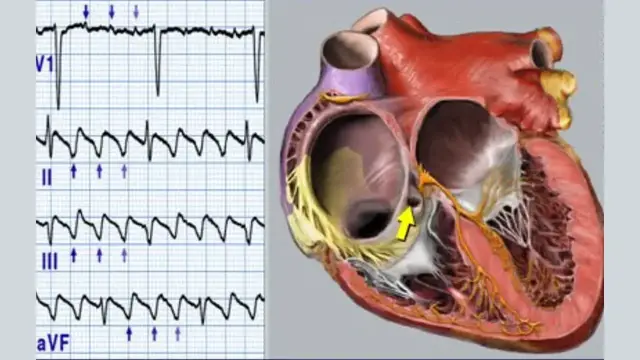
Atrial flutter, a cardiac rhythm disorder, is a condition that demands attention due to its potential impact on heart health. It is characterized by a rapid, regular heart rate caused by an abnormal circuit within the heart's upper chambers, specifically the atria. This condition, distinct from but related to atrial fibrillation, results in a rapid succession of identical, back-to-back impulses within the atrium.
Causes and Risk Factors of Atrial Flutter
Primarily, it occurs due to an abnormal electrical circuit in the right atrium, leading to rapid, regular electrical impulses. This condition can develop in individuals with or without other heart abnormalities. Key risk factors include:
1. Underlying Heart Disease: Conditions like hypertension, coronary artery disease, cardiomyopathy, and congenital heart defects can predispose individuals to atrial flutter.
2. Post-Cardiac Surgery: Patients who have undergone heart surgery may experience atrial flutter due to changes in the heart's structure.
3. Other Medical Conditions: Chronic lung diseases, obesity, diabetes, and thyroid disorders can increase the risk.
4. Lifestyle Factors: Excessive alcohol consumption, smoking, and stimulant use can contribute to the development of atrial flutter.
Symptoms of Atrial Flutter
Symptoms can vary, with some individuals experiencing significant discomfort, while others may have no apparent symptoms. Common symptoms include:
- Palpitations or a feeling of a racing heart
- Shortness of breath
- Fatigue and weakness
- Dizziness or light-headedness
- Chest pain or discomfort in some cases
Diagnosis of Atrial Flutter
Diagnosis typically involves:
1. Electrocardiogram (ECG): The primary diagnostic tool, showing the characteristic sawtooth-like pattern in the atrial rhythm.
2. Holter Monitor: A 24-hour ECG to capture intermittent episodes.
3. Echocardiogram: To assess structural heart disease.
4. Blood Tests: To rule out thyroid disease and other conditions.
Treatment and Management
1. Rate Control: Beta-blockers and calcium channel blockers are often used to control the heart rate.
2. Rhythm Control: Electrical cardioversion, antiarrhythmic drugs, or catheter ablation may be employed to restore normal heart rhythm.
3. Stroke Prevention: Given the increased risk of stroke, anticoagulants may be prescribed.
4. Catheter Ablation: A minimally invasive procedure that destroys the abnormal electrical pathways in the heart.
Lifestyle Modifications for Atrial Flutter
- Regular physical activity
- Maintaining a healthy weight
- Diet rich in fruits, vegetables, whole grains, and lean proteins
- Limiting caffeine and alcohol
- Stress management techniques
- Regular medical check-ups
Long-term Outlook and Complications
With proper treatment, many people with atrial flutter can live normal, active lives. However, complications such as stroke and heart failure can occur, emphasizing the importance of regular medical care and adherence to treatment plans.
Conclusion
Atrial flutter, while a serious heart condition, can be effectively managed with a combination of medical treatment and lifestyle adjustments. Understanding its causes, symptoms, and available treatments allows individuals to take proactive steps in maintaining heart health and preventing complications.
#atrialflutter
#treatment
#symptoms
#heart
Show More Show Less