Up next in 10


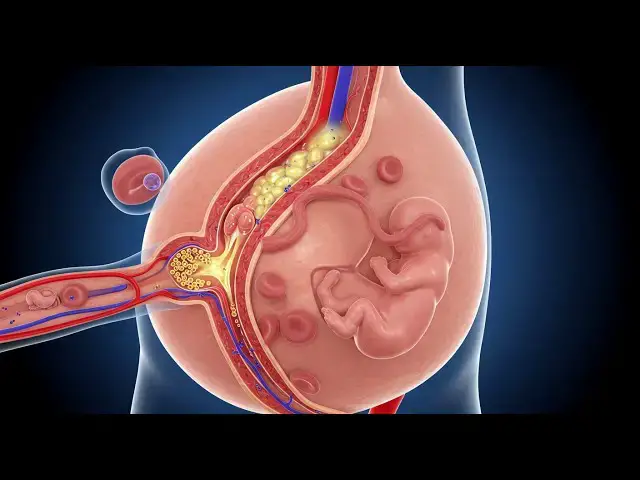
Learn about amniotic fluid embolism (AFE), a rare but potentially life-threatening obstetric emergency. This video covers its symptoms, risk factors, diagnosis challenges, and treatment approaches, highlighting the importance of awareness and quick medical response.
#amnioticfluid #embolism #afe
Show More Show Less View Video Transcript
0:00
have you ever wondered about a rare but
0:02
potentially life-threatening condition
0:03
that can turn the joy of childbirth into
0:05
a medical emergency in mere moments
0:08
amniotic fluid embolism a rare pregnancy
0:11
emergency amniotic fluid embolism often
0:14
abbreviated as AF is a severe obstetric
0:18
emergency that occurs when amniotic
0:20
fluid fetal cells or other debris enter
0:23
the maternal bloodstream this rare but
0:26
potentially devastating complication can
0:28
turn a joyous occasion into to a medical
0:30
crisis in minutes despite its Rarity
0:34
affecting only about 1 in 20,000
0:36
pregnancies AF is one of the leading
0:39
causes of maternal mortality in
0:41
developed countries its gravity cannot
0:43
be understated as it poses a significant
0:46
threat to both mother and child the
0:49
exact causes of AF remain somewhat
0:51
elusive to medical professionals however
0:54
certain risk factors have been
0:56
identified including Advanced maternal
0:58
age placental abnormalities and Trauma
1:01
during labor or delivery cesarian
1:04
sections and induced labor may also
1:06
increase the risk though it's crucial to
1:08
note that AF can occur in any pregnancy
1:11
even those considered low risk the onset
1:14
of AF is typically sudden and dramatic
1:18
symptoms often appear during labor or
1:20
immediately after delivery though cases
1:22
have been reported up to 48 Hours
1:25
postpartum the most common signs include
1:27
sudden shortness of breath a drop in
1:29
blood pressure and cardiac arrest other
1:32
symptoms may include seizures confusion
1:34
and severe bleeding that fails to clot
1:36
properly diagnosing AF presents a
1:39
significant challenge for medical
1:41
professionals there is no single
1:43
definitive test to confirm its presence
1:47
instead diagnosis is typically based on
1:49
a combination of clinical symptoms and
1:52
the exclusion of other possible causes
1:55
this difficulty in diagnosis contributes
1:57
to the high mortality rate associated
2:00
with AF when AF is suspected immediate
2:03
and aggressive treatment is crucial the
2:05
primary goal is to support the mother's
2:07
cardiovascular and respiratory systems
2:10
this often involves intubation and
2:12
mechanical ventilation to assist
2:13
breathing as well as medications to
2:15
support blood pressure and heart
2:17
function massive blood transfusions may
2:20
be necessary to combat the severe
2:22
bleeding and clotting abnormalities that
2:24
frequently accompany
2:26
AF the prognosis for mothers who
2:28
experience AF has improved in recent
2:31
years thanks to advances in critical
2:33
care however it remains a
2:35
life-threatening condition with a
2:37
mortality rate of up to
2:39
30% survivors May face long-term Health
2:42
consequences including neurological
2:44
deficits and heart problems the impact
2:47
on the baby can also be severe with a
2:49
significant risk of still birth or
2:51
neonatal death amniotic fluid embolism
2:54
is a stark reminder of the complexities
2:56
and potential dangers of child birth
2:59
while it's r ity may offer some comfort
3:01
awareness of this condition among both
3:03
medical professionals and expectant
3:05
mothers is crucial prompt recognition of
3:08
symptoms and immediate medical
3:09
intervention can make the difference
3:11
between life and death as research
3:13
continues we hope to gain a better
3:15
understanding of AF potentially leading
3:17
to more effective prevention and
3:19
treatment strategies in the
3:21
future this ongoing effort underscores
3:24
the importance of continued medical
3:25
research and education in the field of
3:27
obstetrics let's recap the key points
3:29
about amniotic fluid embolism or AF AF
3:33
is a rare but life-threatening obstetric
3:35
emergency occurring in about 1 in 20,000
3:39
pregnancies it happens when amniotic
3:41
fluid or fetal cells enter the mother's
3:43
bloodstream causing sudden and severe
3:45
symptoms like shortness of breath low
3:47
blood pressure and cardiac arrest
3:50
diagnosis is challenging and immediate
3:52
aggressive treatment is crucial focusing
3:54
on supporting the mother's
3:56
cardiovascular and respiratory systems
3:59
while Mor ality rates have improved AF
4:02
remains a serious condition with
4:03
potential long-term Health consequences
4:05
for
4:07
survivors awareness and ongoing research
4:10
are key to improving outcomes for
4:12
mothers and babies affected by this rare
4:14
but serious complication thank you for
4:17
watching our video on amniotic fluid
4:19
embolism we hope this information has
4:21
raised awareness about this rare but
4:23
serious pregnancy complication remember
4:26
knowledge and prompt medical attention
4:28
can make a crucial difference in
4:30
emergency situations
Arts & Entertainment
Health
Health Conditions
Reproductive Health
Women's Health