Up next in 10


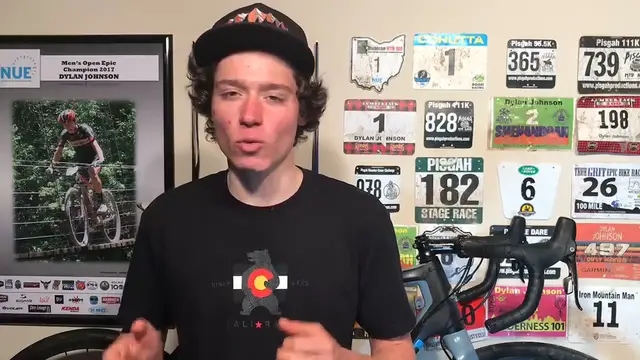
Learn how to lose weight for cycling the right way through understanding and implementing the concept of calorie density in your diet. Not only is this method of weight loss extremely health but it can also help boost your recovery.
//Creative Commons Attribution Licence video (Reuse allowed)
Show More Show Less View Video Transcript
0:00
Hey what's up guys welcome to another video. My name's Dylan and I'm a cycling coach at CTS
0:04
and today we're going to be talking about how to lose weight for cycling the right way
0:09
There are a lot of weight loss strategies out there and regardless of what they tell you their secret is the root of why they cause you to lose weight is because in one way or another
0:17
you're eating less calories than you previously had. This can be hard to maintain though
0:21
which is why most people who go on diets fail and regain the weight back
0:25
The strategy I'll be going over here has a lot of science to back up its long-term success
0:30
and is one of the healthiest ways to go about losing weight. On top of all this, the science shows it can help boost your recovery after a hard workout
0:37
I'm talking about understanding the concept of calorie density and utilizing it in your own diet
0:42
I'll explain that concept, go into a little bit of science, and then get into some practical tips that you can use to implement this strategy into your own life
0:50
so be sure to stick around for that. If you're new to this channel, I make weekly training topic videos going over tips and tricks that I've learned in my 12 years of racing and training experience that have gotten me to the top of the ultra-endurance mountain bike game in the U.S. and as a cycling coach at CTS
1:15
I also go to the science on your training questions, so if you want to learn how to get faster or just more about sports science in general, be sure to subscribe and hit the notification bell so you don't miss anything
1:24
If you have a training question or a suggestion for a future video, be sure to leave it in the comment section down
1:29
below. I do my best to answer all training questions in the comments section, but the volume of comments has been really high recently, so I apologize beforehand if I don't get to yours. It's that time of year when race season is fast approaching, and you've gotten in a pretty good base and are doing some good workouts, but you step on the scale and realize that, hmm, that saddle I bought that's 20 grams lighter isn't going to make a whole lot of difference when I'm toting around a whole old steel road bikes worth of extra body weight. Or maybe you're not an overweight weight weight, we know
1:59
and you're just overweight and most of the reason you ride your bike is to get healthier and lose weight
2:05
Either way what I'm about to go over applies to you now you may be sitting there thinking to yourself what is this skinny 20-something who probably has the metabolism of a racehorse gonna tell me about weight loss
2:15
I look like him when I was his age and I ate whatever I want I understand but what I'm about to share is demonstrated in the scientific literature not just my own experience
2:25
Let's go ahead and jump into some science by starting off with why losing weight can be such a chance
2:29
even as an athlete who trains for hours a week. For starters, it turns out that the weight loss from exercise might be lower than you think
2:37
A review on metabolic adaptations to weight loss in athletes stated that low energy intake and minimal body fat are perceived as
2:45
indicators of energy unavailability, resulting in a homeostatic endocrine response aimed at conserving energy and promoting energy intake
2:54
So basically as you reduce your food intake and get leaner your body fights back and then And this is for a number of reasons like changes in energy expenditure mitochondrial efficiency and circulating hormone concentrations All right Dylan but I don need a study to tell me that weight loss is hard okay
3:11
All I got to do is look in the dang mirror when I'm wearing a skin suit to tell me that something ain't working
3:16
Just get to what I need to know already. All right, let's jump into it. The strategy I'm talking about involves calorie density
3:22
Calorie density is just as the name implies. How many calories are packed into a certain proportion of food
3:28
and calorie density varies wildly. 100 grams of potato chips, which is what someone might reasonably eat in one sitting
3:35
if they don't just eat the whole bag, is around 536 calories
3:39
while a whole head of lettuce is just 53 calories. Wow, such great insight, Dylan, potato chips have more calories than lettuce
3:46
The point I'm making is that the calories and the food we eat varies dramatically, and if we focus our diet on low calorie density foods
3:53
then we don't have to reduce our portion size in order to reduce the calories that we consume, and we can say satisfied and satiated
4:01
with the amount of food we eat, and we don't have to starve ourselves
4:05
So what do low-calorie density foods look like? As we can see from this calorie density chart, the foods with the lowest calorie density
4:11
are vegetables averaging just 0.2 calories per gram, and then fruits averaging just 0.7 calories per
4:18
gram. These are the two food groups you want to focus on, not just because they're extremely
4:22
healthy but also because they have the lowest calorie density meaning you can eat a lot of them
4:26
without gaining weight you want to lose weight then bump up that fruit and vegetable intake okay so
4:31
this whole calorie density thing is great in theory but does it have any science to back it up
4:36
has it been put to the test a study on energy density of foods effects on energy intake took 18
4:42
subjects and provided them with meals for two days during three separate testing sessions
4:47
in these three sessions the subjects consumed either low medium or high
4:52
energy density or calorie density meals. The results showed that significantly more calories
4:57
were consumed for the higher energy density conditions, even though the amount of food by weight
5:02
was relatively similar. Calories consumed were around 1,800 calories for the high energy density
5:08
group and below 1400 for the low. And that's the key here with energy density. You don't have to
5:14
reduce your portion size or starve yourself to lose weight. And 400 calories is the kind of
5:19
deficit we're looking for to have consistent gradual weight loss. The study concluded that energy density influenced energy intake independent of macronutrient
5:28
composition and that subjects reported no difference in feelings of hunger or fullness
5:34
Okay, that's great, but that was two days of eating. How does eating low calorie density stack up in the long term
5:40
A study on energy density's effects on weight change over six years took 186 subjects
5:45
and measured the energy density of their diet. Six years later, they found that the energy density of the diet had not changed for the individuals
5:53
and that a higher energy density was associated with weight gain and a higher BMI
5:58
The study concluded that low energy density diets moderate weight gain and that lower energy density can be achieved by consuming more fruits and vegetables And these are just two studies out of many A systematic review on dietary energy density and
6:13
body weight, looking at many studies concluded that their findings highlight the growing body of
6:18
scientific evidence, suggesting a relationship between energy density and body weight, and that consuming diets low in energy density may be an effective strategy for managing body weight
6:29
Okay, so lowering the energy density of your diet by increasing the diet, amount of fruits, vegetables, and other whole foods that you eat will help with your weight
6:36
but what does this actually look like in practice? A study done on salad and satiety took 42
6:41
subjects and had them eat a meal with a low, medium, or high calorie density salad before a
6:47
main course of pasta. They manipulated the energy density of the salad by changing the amount
6:52
of dressing and cheese they put on it. What they found was that a low energy density salad
6:56
reduced the total caloric intake of the meal since subjects ate less pasta afterwards. And what's crazy
7:02
is that an even bigger salad reduced intake even further, so more food, less calories. The opposite
7:08
was found with the high calorie density salad with dressing and cheese. Eating the salad
7:13
increased the total number of calories consumed during the meal. The study concluded that
7:17
eating a low-energy dense first course enhances satiety and reduces meal energy intake, and that
7:24
consuming a large portion of a low-energy-dense food at the start of a meal may be an effective
7:29
strategy for weight management. Okay, Dylan, all of this is well. and good but I didn't see any of these studies use athletes. I'm a high-performance
7:37
thoroughbred race machine who won the town sprint at the Tuesday night group
7:41
ride that one time when the fast guys took a recovery day. Not some quote
7:45
normal study subject. Fair enough and guess what the inclusion of high amounts
7:49
of fruits and vegetables is actually even more important for athletes not just
7:53
because it'll lower the calorie density of their diet but because it'll
7:57
improve the recovery after hard workouts because of the increased antioxidant intake
8:02
Let's jump into some science to see how various fruits and vegetables improve your recovery
8:06
A study looking at the effect of tomato juice on oxidative stress took 50 male track
8:11
athletes and divided them into two groups, a control group and an experimental group that
8:16
drank tomato juice after their workouts. They tested both groups in a 12-minute time trial before and after and found that those
8:23
drinking tomato juice ran significantly farther than they previously had while the control
8:29
group saw no improvement. The tomato juice drinkers also showed a reduction in markers of oxidative stress leading
8:35
to the conclusion that the antioxidant lycopene in the tomato reduce oxidative stress
8:41
and improved performance. These sorts of findings are all over the scientific literature
8:46
A study on lemon juice and exercise-induced oxidative stress found the same thing concluding
8:51
that the lemon did not block the cellular adaptive response, but also reduced cellular
8:56
oxidative damage. Cherry juice has been shown to increase antioxidant capacity. after a marathon leading to aided recovery and in another study reduced symptoms of exercise muscle damage That study showed that strength loss after eccentric exercise was 22 with a placebo but only 4 when subjects consume cherry juice Blueberries are another rich source of antioxidants and have been shown to reduce inflammation after 2 hours of running
9:23
Now notice how over the course of this video I haven't said anything about your macronutrient ratio
9:28
meaning carbs, protein, and fat, and that's because your macronutrient ratio is a whole lot less important to weight loss than you think it is
9:35
A study comparing weight loss diets with different components of fat, protein, and carbs
9:40
took 811 overweight adults and assigned them to various diet groups with different ratios
9:46
of carbs, fat, and protein, which the subjects followed for two years
9:51
What they found was that there was no difference in weight loss between the different diet groups
9:55
They concluded that reduced calorie diets result in meaningful weight loss regardless of
9:59
which macronutrient they emphasize. If you're thinking about your diet in terms of macronutrients, then you're thinking about your diet
10:05
thinking about it in the wrong way. Carbohydrates could come from sweet potatoes or candy
10:11
Fat could come from walnuts or hydrogenated vegetable oil. What you need to do is focus your diet on whole foods, not processed ones, and in particular
10:20
the low calorie density ones like fruits and vegetables. That's the science on how understanding and applying the concept of calorie density to your
10:27
own diet can help you lose weight. Basically, your mom was right
10:31
Eat your veggies. Not exactly groundbreaking stuff. It's pretty common advice that we've all
10:35
all heard before and that's because it works. It is in a fad diet. Now what are some practical
10:40
tips that you can use to implement this into your own life? For starters, stop thinking of
10:45
vegetables as your side and start thinking of them as your main course. When you prepare a dish
10:50
start by thinking about what vegetables you're going to use and then add in the other food
10:54
groups and make sure vegetables take up the majority of your plate. Having a salad with every
10:58
meal is another great way to lower your calorie density as we saw just so long as you don't
11:03
use high calorie toppings. Use fruit as your snacks throughout the day and after rides to capitalize
11:09
on those antioxidants for aided recovery. My go-toe after a hard ride is a bowl of oatmeal with a
11:15
high antioxidant fruit like berries. And be sure you stick to whole foods. As we can see
11:20
there is a huge difference in calorie density between processed and unprocessed carbohydrates
11:25
for example. Finally, you want to lose weight gradually instead of all at once because that will
11:29
help you keep it off and large calorie deficits will compromise your performance and recovery
11:35
Make sure you're losing weight before your competition season, not during, and make sure you're
11:39
well fed for your high intensity workouts so you can get the most out of them. Thanks for watching
11:43
I hope you guys found this information helpful. If you like this video, be sure to give it a like
11:47
share it with a friend, and subscribe for more training tips. If you want to see more coaching content
11:52
be sure to follow me on Instagram, Twitter, and Facebook. And if you want to follow my training
11:56
leading into this upcoming season, be sure to check me out on Strava. Finally, if you're looking for a coach, shoot me an email at D.Johnson at Trainwright.com
Beauty & Fitness
Weight Loss
Health Conditions
Obesity
Nutrition
Sports Coaching & Training
Sports Drinks
Healthy Eating