Up next in 10


Muko's Corner is a show about becoming a better version of yourself for your life and your tech career. I'll have guests on the show to share their thoughts and expertise on various topics around navigating a career in technology and leading a life that feels more You, through discussions around mental health, cultural identity, and more.
//Creative Commons Attribution Licence video (Reuse allowed)
Show More Show Less View Video Transcript
0:00
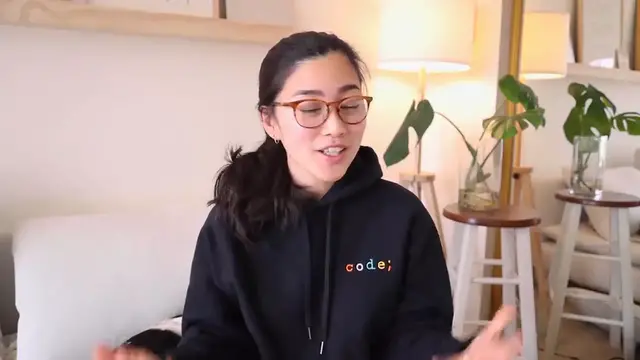
Hey everybody, how's it going? My name's Mayuko and welcome back to my channel where we
0:04
talk about tech, career, and life. So today again, we're going to talk about salary
0:09
negotiations. So I posted a video recently about whether to negotiate your salary. And so
0:14
today we're going to follow up and talk about how to exactly do that. And this is from my
0:18
conversation that I had with Sarah, who is the lead negotiator at levels.fye. She was on Muko's
0:24
corner at my show about leading a life that feels more you in both your life and tech career
0:29
Sarah, again, just has like so much great information from her time as a tech recruiter at Amazon, Facebook, and Google to talk about the do's and don'ts about how to negotiate a salary
0:40
So the topics covered today will be like, how do you answer? What are your salary expectations
0:45
And exactly what medium is best for having these conversations. And before we get started, I wanted to say thank you to the sponsor of today's video, Skillshare
0:54
As we're kind of in the mood to like learn new skills, like how to negotiate your salary, skill share is an incredible
0:59
platform to learn a lot of great things. It's an online learning community for creative and
1:04
curious people where millions come together to take the next step in their creative journey
1:09
Skillshare is curated specifically for learning, meaning there's no ads and they're always
1:13
launching new premium classes so you can stay focused and follow wherever your creativity
1:18
takes you. And it's less than $10 a month with an annual premium subscription. While we're kind
1:24
of on the topic of money, I found a really great course for how to build good money habits
1:29
Bridges, who's a fashion photographer and former finance pro, made this course, Modern Money
1:34
Habits, Five Steps to Build the Life You Want. The course includes gaining insight about your
1:39
current spending habits, and then also identifying small changes that prevent debt
1:44
and then creating a realistic plan for retirement. And of course, because I know y'all are
1:48
tech people or curious about tech, they have tons of great classes about coding as well
1:52
So check out Skillshare. And the first 1,000 of my subscribers, to click the link in the description
1:57
we'll get a free trial of premium membership so you can explore your creativity
2:02
Thanks again to Skillshare and now let's dive in. Okay, next I want to talk more about like how do you actually negotiate specifically
2:11
I have a lot of questions about this, but I guess like the first question that I had
2:15
I think this was one of the questions that I really was curious when we first started talking was
2:21
when a recruiter asks you, what are your salary expectations? What's the best way, like what's the golden answer, the do's and don'ts of how to respond to that question
2:32
Don't give them that number. Don't give them that range because like I said, the range is really large
2:39
You don't know where you land in that competition. And so I would recommend push back on that recruiter and ask
2:45
hey, I'm just really curious, what is what happens with advanced to this position
2:50
And you don't have to answer anything in the pet leader. If you don't know the answer, just let them know
2:55
actually haven't flipped much thought into this. This is a really important thing Let me just take some time to think about this and we revisit this later And then you know usually recruiter are pretty respectful of that Another thing too is if you in the state of Washington or California as a candidate
3:11
when you request for a compensation ban, legally speaking, they have to share the minimum range with you
3:16
And recently with Denver, too, they passed a law where for the employer, when they post a job description
3:22
they have to mention the minimum salary range too. So the recruiter can push for it, the recruiter can ask that is it anything in place that you know tell them they can ask
3:33
but ask the candidate to not have the data to you know. That's really good to know. I think in the past I recommended to you all, my viewers, that you should say
3:42
I expect to be compensated competitively, which is fine. But I think instead flipping the question to them, right
3:49
Because as soon as you put out a number out there, you were basically, might already be giving yourself away at a discount
3:56
which is great for the company because I'm going to like, wow, we get someone at this caliber for this cheap
4:00
Great. Let's just like keep on with their number. But in fact, you're actually worth a lot more
4:04
Exactly. And it's just like, you know, once you give a number, the recruiter will hold you to it
4:08
So you say to a 30k in total compensation, they will give you exactly that
4:14
Like nothing more, nothing less. And let's say you start interview with another company and they give you 300K
4:19
You can't come back and be like, we're just kidding. Like, now I want 300k
4:24
You know, now the recruiter can say, like, wow, he came back, you know, and tell me the other competing offer, which means that he really, he or she really wants this position, I'm not going to move the needle
4:34
And they will eventually cave and expect this offer. You know, from really aggressive recruiter, they'll do that
4:40
And then another thing, too, when they give you the range, don't say yes, don't say no
4:45
Let's say you flip it back on them and say, hey, I'm just really curious. What is the compensation down for this position
4:51
And let's say the recruiter tell you, all right, well, the range is 100K to 120,000
4:55
hey, how does that sound to you? Do you like this number? Avoid saying, yeah, no, that sounds great, or no, that's really low
5:04
Keep things a little bit more open-ended by saying, that's a really good start
5:08
So that you have to get through for yourself to negotiate later
5:12
For sure, yeah. It's like you leave it as lukewarm as possible for as long as possible is what I'm hearing
5:19
Exactly. With negotiation, you want to be, you want to use really neutral like for a here
5:24
You don't want to undershare, but you don't want to overshay at the same time. So then at what point do you actually give a number or like who should be the first one to give
5:34
a number then, I guess? Yeah, so even at the very end when the recruiter, you know
5:40
share with you the good news, like, all right, the team really loves you, they thought you
5:44
do really well on ABCD, see a lot of growth potential in you. You know, we're ready to move
5:49
on to the offer stage. What are you looking for? Even at that stage, I still would recommend
5:54
and don't give your number. Sometimes you want to take this call
5:58
to really understand the compensation philosophy. Like they can just be pushing for a number when they don tell you like what goes into it right you can make a decision without being informed so push it back on them and say truthfully you know i
6:12
been really busy prepping for the interview i haven't put much thought into it um if you don't mind
6:16
just kind of going over the compensation uh structure with me first and then we can go over perks and
6:22
benefits and then we'll take it from there and you know once they go over everything again
6:26
you can just push it back on them one more time saying you know this is a little bit newer for me and
6:31
Everyone has different compensation structure. I know I'm not comparing Apple to Apple
6:37
If you don't mind just sharing the numbers with me first, it would be super productive or effective
6:42
or super helpful for me. I would greatly appreciate it. It's almost like a game of poker of just like
6:49
just waiting for them to fold, just like waiting and waiting and waiting and then having them be the first to show their hand. Exactly
6:55
And like once the recruiter have to explain everything for you, they were just like, I might as well just share a number now. Right
7:01
Yeah. I find it later. Right. And like you mentioned at that stage, you've like already gone through the entire interview process
7:09
You got a sense for the company culture. You got a sense of what they're looking for in this role
7:14
You have their compensation philosophy together. You can piece all of those together even that when they give you a number
7:21
you have the data and information to be able to confidently say, like, actually
7:26
based on what I know and what I've learned, I think I'm this much instead
7:30
Exactly. And you want to do a lot of the asking good questions during that call, like asking about the bonus structure, how does that work? Typically, like, when it's the payout? Is it once a year? Is it twice a year? Is there any other bonuses on top of, you know, what you guys offer and things like that. And for companies that don't offer a bonus, that's the perfect window for you to use that as a leverage against them. Like, hey, since you don't offer me any bonus, what I want to be mindful of is inflation
8:00
and, you know, living costs that just keep going up. So essentially, if I don't, take this into consideration now
8:07
the longer I stay with the company, essentially the less my take-home pay is going to be
8:12
And I don't want to be in a position where salary is a thing for me to have to leave the company
8:18
So I hope you understand where I'm coming from. They can't say no to that. You're going to be the biggest asshole if you say no after that request
8:26
Right. That's true. Yeah, use all of that knowledge you learned in APE company
8:30
to talk about inflation, to talk about money, and use all of that to your advantage
8:36
This whole conversation of this back and forth, if you're being yourself and a recruiter
8:41
Kruger has a hiring manager and other folks behind them to make decisions about all of this
8:46
But what's the best format to be having this conversation? Yeah, good question
8:51
So typically, I would recommend do that over via email. You know, after the recruiter tells you, we would love to move forward
8:58
They go over the zostation structure with you, perks and benefit, let them know
9:03
this is a lot of good information Let me just take some time to process all of this and get back to you later would that make sense for you would that work for you A as a recruiter for myself is so much easier to you know kind of follow that thought process
9:18
because sometimes it's really hard to like, maybe when I'm on the phone
9:22
someone just ping me, I got distracted, maybe they were asking me 140
9:25
but I misheard them and I wrote down 104, for example. So just to have everything on paper is so much easier for the recruiter to, you know
9:34
not make any, like, mistake when it comes to numbers there. And let's say if I have to get an approval from their manager
9:41
it's so much easier for me to just kind of forward with that email to the manager or the compensation team
9:47
So as a candidate, you have so much more control over your narrative because you could be saying the perfect thing
9:54
but communication goes both ways also dependent on what the other side is perceiving that message
10:00
So if this person misunderstood what you were saying, and this person is relaying all this information to the team
10:06
you don't know what went wrong in that process. Things can go sideways really fast
10:12
Or maybe this recruiter just explained something completely off and the manager could take it the wrong way
10:18
And that kind of what could potentially jeopardize your relationship with the manager
10:23
It makes life so much easier on you to do it over via email
10:27
Because a lot of the time, too, I would see that has happened with my friends
10:30
where they you know i'll prep them like ask for this much and they were like yep nope i got it and
10:36
then we would rehearse it and then when they on the phone they get so nervous that they start to like
10:40
discount themselves like well i guess like i mean i kind of want 300k but like i would be okay with
10:47
250 and i'm just like oh no i'm just like oh what
10:55
and i think the best ogy to think of this too is when you send the recruiter
11:00
email and then you have a call with them after is just the ogy of like when you watch a movie and
11:07
you read the book before the movie is so much easier to understand right versus if you just watch
11:12
the movie and you've never seen the they've never read the book before you've no idea what's
11:16
going on in the movie so that's like kind of taking the call without priming the recruiter like what
11:22
you're going to talk about and you have to explain everything live they're just going to sit there and
11:26
be like okay like i guess it makes sense but i'm not
11:30
not sure. So email is the best way to go. Easier for you to lay out your thought process there
11:37
Much easier for the recruiter to share all that information with the team. You have so much more
11:42
control over your narrative. Thank you all so much for watching the video. I really hope you liked it
11:47
Make sure to check out the other video I did about Sallery Negotiations featuring Sarah
11:51
And if you'd like to just watch the recording of the live stream I did on Mugros Corner
11:55
then you can become a member today by clicking the join button down below and get access to the full recording
12:00
My members help make Muko's Corner a reality and also supports me in my channel and allows me to do what I do
12:06
And if you haven't already, the other way you can support me is by clicking subscribe. So take care and I'll see you in the next video
12:12
Bye
Jobs & Education