Up next in 10


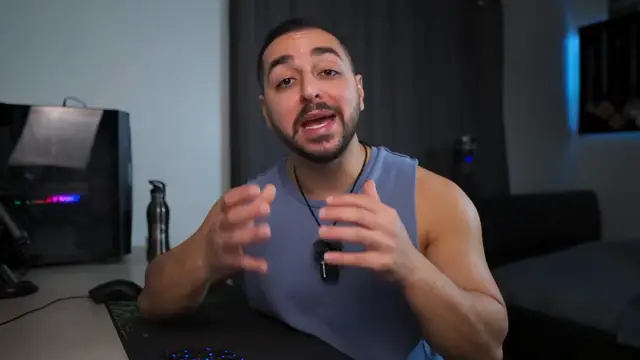
Is Intermittent Fasting a waste of time? Yes, unless you understand this crucial piece of the puzzle! In this raw discussion, I reveal why Intermittent Fasting alone won't get you the results you want!
Contrary to popular belief, it isn't a magic solution for fat loss. In fact, without the right approach, you risk increased cravings, binge eating, and even weight gain. Learn the simple principles you need to follow to make Intermittent Fasting truly effective!
//Creative Commons Attribution Licence video (Reuse allowed)
Show More Show Less View Video Transcript
0:00
Intimited fasting is a complete waste of your time
0:04
If you don't understand the basics of how the human body actually loses weight
0:09
As much as you would love it to be the magic solution to losing fat, it absolutely is not
0:16
Here's why this trendy diet can actually be working against your health and fitness goals
0:22
as well as sabotaging your weight loss progress. How you actually go about losing weight or burning fat can be done one of two ways
0:32
Either you burn more calories than you consume or you eat fewer calories than you burn
0:37
That is as simple as that. This is known as the caloric deficit
0:42
You would have stumbled across this term numerous times in your research into how one goes about losing fat
0:48
I myself have mentioned this endlessly on my channel. So in saying that, regardless of when you eat, doesn't mean
0:56
matter how you go about timing your meals, even if you decide to have a 23 hour fasting window
1:02
and you only consume your food within that one hour period, if you consume more calories
1:07
than you've burnt, or in very simple terms, if you consume more calories than your body needs
1:13
so you eat past your maintenance calories, you will not lose weight, you will not lose fat
1:20
It is as simple as that. This is because intermittent fasting only focuses on
1:26
when you eat. So the timing in which you consume your first meal, not how much you eat or what
1:32
you eat. It divides your day between eating and fasting windows without actually controlling
1:37
your food intake. So simply shifting the window of when you can't eat and shortening the window
1:43
of when you can eat without actually changing what you're eating or how much you're eating
1:49
you can see how that doesn't directly affect weight loss or fat loss in and of itself because
1:53
you're still eating the same amount of calories and your food habits have not changed
1:58
This next point is especially prevalent in people who are beginners novices people who are overweight and obese wanting to implement intermittent fasting into the weight loss and fat loss journey
2:11
They see all these people online, they read all these articles of how it's the magic solution to fat loss
2:18
usually going from zero to 100 in how they implement it. But the reality of the situation is if you don't slowly and gradually allow your body to become accustomed
2:30
to implementing intermittent fasting as a tool for fat loss, then you will not see any benefits
2:38
What do I mean by this? For those people who are beginners, novice, overweight and obese
2:43
they run the risk of overeating. They run the risk of binge eating during those eating
2:50
windows and as a result putting themselves in a caloric surplus instead of a caloric deficit
2:58
this is how I can put it in very simple terms. Your body is not accustomed to fasting
3:06
You have not gradually implemented fasting into your daily routine. You have not gradually taught your body to be more energy efficient during those hours of fasting
3:18
So as a result, going from 0 to 100 will only increase your hunger, will only increase your cravings
3:26
So come the window of when you can actually eat, you've achieved nothing but increased cravings and hunger levels, which ultimately leads to binge eating, overconsumption, putting yourself in that caloric surplus instead of that caloric deficit, as I previously mentioned
3:46
Here's another fun fact. Those of you going from zero to 100, not learning how to implement intermittent fasting gradually and slowly, run the round
3:56
risk of increasing your stress levels. I mean that's no surprise. You're doing something
4:00
that completely shocks your body But what you didn know is an increase of stress levels increases cortisol levels which increases and is directly linked to fat storage or an increase of fat storage particularly around the abdomen region in the form of something known
4:19
as visceral fat which is fat around your organs did you know that now here's what also happens
4:26
by the way your metabolism significantly slows down very quick that's a direct result of your
4:33
saying, oh, oh my goodness, where's all the food at? It adapts very quickly saying, oh, now I need to conserve
4:41
everything you are feeding me. Now I need to conserve all this energy because it knows it's not
4:47
going to get food for another long while. So this immediate and sudden slow down in your
4:53
metabolism is completely counterintuitive because it stores your weight loss and fat loss
4:59
progress or the rate at which you are losing fats and weight. Now we're going to talk about the
5:05
relationship between intermittent fasting, protein intake, muscle mass and muscle prevention. If you didn't already know, the higher the muscle mass someone has, so the more muscle someone
5:16
has, the higher than metabolic rate. So the higher than metabolism. When someone has, higher
5:23
metabolism they burn more calories especially when someone is an advanced to athlete
5:28
lifter they'll have significantly more muscle in comparison to someone who's a beginner
5:33
or novice because the window of eating would be more narrow in comparison to someone who's not
5:39
fasting they therefore run the risk of missing their protein intake their daily
5:44
protein intake and as a result losing muscle in the process now of course there are
5:50
other factors at play that all contribute to why someone would lose muscle in an extended fat loss phase
5:58
For example, a loss in strength. Strength loss occurs the longer you drag out your dieting phase and the stricter your intermittent fasting becomes
6:07
So as a result of lower strength you are lifting less weights in the gym and therefore your muscles have less reason to stick around Thus it a circle of life The more often you unable to hit your daily protein intake
6:22
The more often you're unable to hit the same weight targets in the gym during that dieting
6:29
and intermittent fasting period. So now because you are gradually losing more muscle the longer
6:37
you extend this out for, less more. muscle equals slower metabolism or a slower metabolic rate turns into slower calories burnt
6:46
which as a result equals a plateau in fat loss in weight loss and in general you're worse off
6:53
period the perfect example i can give you is when i compete on stage in my natural bodybuilding
7:00
shows i've competed in numerous shows i've been on stage off of stage i've gone through periods
7:06
of bulking periods of cutting numerous intermittent fasting periods of periods of cutting numerous intermittent fasting periods
7:10
I implement intermittent fasting as a tool when I lose weight for competition
7:16
I implemented it slowly and gradually. When I train on an empty stomach, for example, there is no negative implications
7:26
My body knows, hey look, I've got no food in my stomach
7:30
He's most likely fasting. So as a result, it now knows how to effectively and efficiently use the remaining glycogen stores
7:38
or in more simpler terms, my remaining carbidehirt stores in order to still have a very effective
7:45
workout, in order to still be able to lift the weights I lift within the gym
7:51
Then come the time in which I'm consuming food, it's obviously lean, mean
7:57
Look, there are many more things I can talk about when it comes to intermittent fasting
8:02
Hormonal changes, short and long-term sustainability factors that play into your success
8:07
as well as different genetic factors. But for this particular video, if you learned something
8:12
drop me a like, subscribe to the channel, and if you want to debate me down in the comment section below
8:17
feel free to. I'll see you beautiful people in the next video
Weight Loss
Health
Eating Disorders
Obesity
Nutrition