Up next in 10


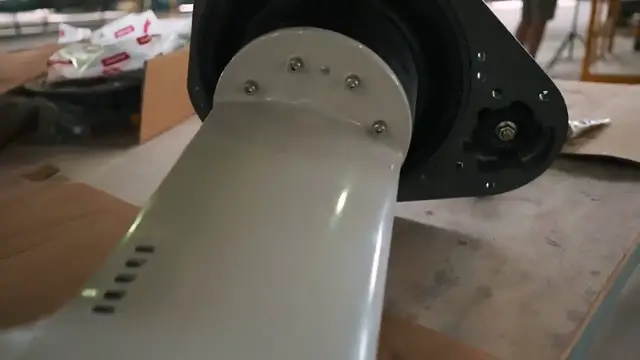
Hey everyone! Welcome to this week's episode where we do a deep dive into the installation of our engines and sail drives. We've specced the 57hp Yanmar Engines with the SD60 sail drives for Ruby Rose 2, sourced from Navela, and today we're seeing why they're so complicated to install.
//Creative Commons Attribution Licence video (Reuse allowed)
Show More Show Less View Video Transcript
0:00
In front of me, I have the ST60 sail drive
0:03
for the starboard engine of Ruby Rose 2. There were a lot of options to discuss about our boat build
0:08
and this is just one of them. And it is actually far more complicated than you would think because you even have to modify, for instance
0:13
the sail drive to take the prop, to deal with the engine size, and it's complicated
0:17
Welcome back to hull number two, also known as Ruby Rose 2
0:21
Just an update on where we are today. Today is the 7th of April, 2022
0:28
What has happened since we were here last week? All the furniture is now in
0:32
All the bulkheads are in and they are just finishing off adding all those inserts
0:37
So what we'll be able to show you today is a completed structure minus the deck, which will be going on really soon
0:42
The other thing that is a big milestone for us today is the engines going in
0:46
Now, these are the 57 horsepower Yanmar's with the ST60 sail drives
0:53
And there's a whole process that's involved in those days. So that's for us, getting a boat that floats
0:58
to a boat that will theoretically move is a massive step for us. So today is engine day
1:03
This is going to be a really big one. We're going to have a chat with James. There's some things that they need to do to the engine
1:08
before it's installed, just to make sure that it sits right. We'll run through all that
1:13
And today you're going to see Ruby Rose going from a floating boat to a floating motoring boat
1:18
Anyway, enjoy this one. So here we are in hull number one
1:31
and there are lots of new things to see here. Firstly, fiberglass inserts
1:35
These are the small pieces of fiberglass that we've been seeing made in the other factory
1:39
And these constitute things like the window inserts. So let's just walk back through
1:43
and we can see exactly what's going on. So we've got window inserts here, no longer raw fiberglass
1:48
Now these are not bonded in yet, but they are absolutely kind of like in place
1:54
So you can see, aside from like the fabric coverings that are going to be here
1:57
you can see what this boat is going to look like. And then moving further back, again, as we get to the cabin
2:02
you can see that we've now got this insert in place. So what we've now got, aside from the need for the carpentry
2:09
which we discussed in a previous episode, which is all going to build this bed out
2:12
it's becoming a cabin and you can see that it's becoming a cabin. Let's move on to see what's going on elsewhere
2:18
So this is the starboard hull at Ruby Rose II. Lots of things happened in the last week
2:23
We now have this full set of fiberglass air conditioning ducts. And I kind of thought when I first saw these
2:30
they're pretty rough on the outside, but actually completely smooth on the inside
2:34
So the actual, the gel coat is on the inside. We've also seen, and we've talked about this
2:39
in previous episodes, these small inserts that are just made in the factory next door
2:44
I think this actually forms part of the steps down. So all of these inserts are in
2:48
and they are starting to put the smaller inserts in forward. So looking through here, we've got this insert to be fitted
2:56
They've got all the window inserts that they've just put into hull one, ready for hull two
3:00
I think the last week, last time we filmed it, they were actually installing this
3:03
And now it's been put in. The fact that it's all blue means it has all been polished
3:08
And the fact that it's covered in cardboard and tape means that it's all been polished. So all this area, everything that I've got here
3:13
polished and finished. And there was a guy in that locker who's just like crouching down
3:17
So I'm going to let him get on with his job. In front of me, I have the ST60 sail drive
3:22
for the starboard engine of Ruby Rose 2. And I really want to dive in depth today
3:27
and discuss our specifications with Mike and with James, because there were a lot of options
3:31
to discuss about our boat build. And this is just one of them. And it is actually far more complicated
3:36
than you would think, because you even have to modify, for instance, the sail drive to take the prop
3:41
to deal with the engine size, and it's complicated. So welcome to one of our massive milestone events
3:47
Today, we are installing the engines, but as we previously discussed, we need to do a little bit of work beforehand
3:52
We have James here. James, you are recognized as 307C production manager
3:55
And Mr. Ha, come on. The sail drive, when it comes to us
3:59
comes in what they call a Z configuration. So literally prop at the back, engine at the front
4:06
which is what you typically would see. What we're going to do now is turn it into a C configuration
4:11
So engine down and back under the engine again, because we're going to reverse the engines
4:17
So it's a pretty simple operation. There's eight bolts that we have to remove
4:23
Then we literally just rotate it 180 degrees and put the bolts back in
4:27
Okay, so there's no oil in this at all? There is oil in it, yes. This comes pre-supplied with oil, ready to go
4:33
Got a fairly heavy duty rubber seal on here. So we very carefully rotate it
4:39
We don't spill one drop of oil. We don't pull it all out. We don't pull it out. We just rotate it on itself
4:45
That's what I would have done, just pulled it all out and made a bloody mess. And we'll make a mess
4:48
because there's a lot of oil in there. The normal standard length would be from here to here
4:54
So to get the longer leg, what they do is they add an extension and it has a slightly longer shaft
4:59
The 57 horsepower has a longer leg. Just to deal with it
5:03
Because we got a bigger prop, we need to get the hull clearance
5:07
We got to get it further down. We also changed the ratio. So to go to a bigger prop
5:11
we got to go to a higher ratio to get a slower turning prop to make it more efficient
5:15
So we've got to extend the leg to compensate for all that. Can I throw a couple of questions at you
5:19
You're dropping the drive leg to get a bigger prop. Is it just to make it physically fit
5:23
or is there an issue with like cavitation or noise? Sure, yeah, no, all of those things
5:27
All of the above, okay, yeah. If you're too close to the hull, you get this throbbing noise, the vibration
5:32
and you get cavitation issues. Yeah, okay. So it's important to you. They say about 10% from the prop diameter
5:39
I like more than that. I don't think it's enough, but we've got about, from memory
5:44
I think it's like 130 millimeter or something from the tip to the underside of the hull
5:49
which is way over. It's like 15 to 20%. You actually do consider cavitation
5:53
and noise from the prop. Yeah, so, look, yeah, thanks for doing that. The thing about it is
5:58
and we've lived on board for so long now, it only takes a small
6:01
like a bit of plastic caught around one prop blade. It transfers so much noise
6:06
So yeah, if you are working with cavitation or to reduce cavitation and noise
6:09
it's pretty interesting. These bolts are quite long. So obviously if you have the short leg
6:14
the bolts are, I think they're about an inch and a half or two inches long
6:18
So with the extended length, they put in a longer bolt. So when these come out
6:22
you'll see they're about four to five inches long. So it's important, I guess, if you're doing, I mean
6:26
this is not the sort of maintenance I don't think I'd ever do. No, no. To make sure that you're using a Yanmar supplier
6:33
that understands what drive leg you've got. Because we've been sent the wrong bolt size before
6:37
and it's like, all right, when you've couriered something from France or from England
6:42
and then they're like, oh, it's the wrong one. Yeah. So you can see the bolts here
6:46
So you can see it's a pretty long bolt. So that's got to go all the way from here down into the body of the frame down below
6:53
So if we didn't have the extension, it's only going to be about this long
7:04
And that's it. That's your done. Well, yeah, we got to usually wriggle a little bit
7:07
to get the threads aligned. So typically what we do here, I usually get Mr. Ha to run around
7:13
He'll tighten the bolts, and then I'll take the wrench and I'll just double check them all
7:17
Do they need to be torqued? I checked with Yanmar. They don't specify a torque
7:22
They have general torque ratings for their bolts, but on these ones, they don't specify
7:26
Just don't tear the ass out of it. Well, yeah. Yeah, had we lifted that off
7:31
we'd have a horrible mess. Oil everywhere. Yeah. Did you learn that the hard way? Yes
7:39
First one, we weren't quite sure. So we drained the oil. Yeah
7:43
And then we took it apart. And then we realized, well, this is, because that's what the manual says to do
7:47
And then we realized, this is crazy. Why do we need to go to all this
7:51
when it's that simple? Because you got to realign the spline and everything
7:55
if you take it apart. This way, I don't have to align anything. And there's no oil, which then gets everywhere
7:59
No, it's clean. No, it looks great. Thank you. This is what they call an ST60 model
8:05
which is the same one for the 40 horse and the 57. Okay
8:10
So the only thing changes is the engine. Yes. And obviously the ratio and the leg length
8:15
but they're customized for that combination. There's a few things that Yanmar have done
8:21
in recent years to improve these. So as we spoke about earlier
8:24
oil change in the gearbox has been a horrible job because the only way you could do it
8:28
was you have to drain from the bottom. And the only way you can do that is you've got to haul out
8:32
which is an expensive operation itself. That's also saltwater, stainless steel screw
8:38
aluminum drive leg. Don't maintain it properly. And it's- And sometimes the timing just doesn't work for you
8:44
So they've added in this tube, which now allows you to draw out the oil
8:50
and you can use one of those hand pump devices. I mean, there's quite a few on the market now
8:55
and you can draw all the oil out to change. So that's been a really big plus
9:00
So important because we actually had a sail drive on our boat before Riveroes
9:04
And then we have, obviously, we had a shaft drive on Riveroes, but importantly, the Yanmar maintenance schedule
9:11
on our last boat needs an oil change of the gearbox after like 25 or 50 hours, isn't it
9:17
It's really short. The engine combinations we got, both the engine and gearbox are the same hour changes
9:23
So you do them all at the same time. So the initial one is 50 hours
9:26
So it's your break-in period. And then it's every 250 hours or one year, I think it is
9:33
There's a time and hour. But the 50 hours was always a problem
9:37
because it was never when you wanted to haul out. And also be aware that I think to maintain the warranty
9:45
you have to get a Yanmar accredited engineer to the first service, I believe
9:48
Probably right, yeah. So, you know, you do need to make sure that after 50 hours of sailing, you've got a Yanmar engineer to get the oil changed
9:55
So another thing that changed on these is this valve here. So intake is via these holes
10:02
There's another large hole on the back here. Comes up the leg and this is basically your seacock
10:08
So this is raw water for the engine. So this will then go to your filter
10:14
and then straight to the pump on the motor. Earlier versions of these had a bronze valve
10:20
with a T-handle on them that you would wind in and out. And they were notorious for the threads seizing
10:26
They've now got rid of that. And we're now down to a stainless ball valve. So this is a much better system
10:32
We like a stainless ball valve. Part of the problem is that it's kind of hidden away
10:35
in the engine room on the sail drive. People don't think about it. So it never gets exercised
10:41
and therefore it just wants to seize up. So it's kind of important to know where it is to find it
10:47
and know that you can exercise it occasionally to make sure it's operational
10:51
Which is why two things. Firstly, we have the clipboard on Ruby Rose to kind of indicate maintenance schedules
10:56
and what needs to be done. Secondly, we used to use a can of lithium grease
11:00
with a long. Yes. Lithium grease for just lubricating ball valves. Yeah
11:06
Not sure I'd ever thought I'd use that in a sentence while in Vietnam. But yeah, it's pretty damn useful
11:10
So I think Yanmar recommends to lube these once a year. So you would have to pull the hose off
11:16
and poke the lube down from this way. Cause you can't get up obviously from the bottom of the leg
11:20
But normally on a regular ball valve, you would do it from the outside cause you can get to it easy enough
11:25
Yeah, yeah. Okay. Super interesting. And then this will all marry up. There's obviously the clutch plate
11:29
There's the belt housing that we have to attach onto here. And that then is also for the engine
11:34
Cool, cool, cool. And then all these other parts, that looks like wiring looms. There's lots of wiring looms
11:39
This is electric drive system. So you can see when we talked the other day about the difference between an electric
11:45
and a mechanical system, it's a big difference. We saw the VC20 on the CWIN 1600 the other day
11:51
It's a beautiful, it is a sexy looking system. And so this is part of the wiring loom
11:57
that's going to be passed through to the VC20s. Yeah, so some of this goes in the engine room
12:02
cause there's electric actuator that controls the gear change. And the ECU, which is separate from the engine
12:09
is also the wiring harness. And then some of this thing goes up
12:13
to the controls up at the helm. So it's quite a bit in it
12:16
Thanks James. Brilliant. Look, really appreciate your time today. I know you're super busy, but just talking us through this
12:21
is actually really informative for us, but also for anyone that's got a Yanmar SD60 sail drive
12:27
because these are common components in many, many boats. And now we're going to move on
12:32
to getting these engines installed. So let's go and get that done. So the guys here, what they've got
12:45
they are just installing the drive leg. So that is a sail drive, SD60 already been pre-reversed
12:51
That's being dropped into the hull. So now you're going to be able to see the drive leg
12:55
going through the boat. Got the engine on the forklift and that is now going to be dropped in and married up
12:59
Very, very slowly lifted. Like it's super exciting. It's super hot. It's super stressful
13:03
I'm super pumped. I haven't even had more than one coffee this morning. In all fairness, by the fact it's a 57
13:19
it doesn't overwhelm the engine compartment. No, they're really not that much different in size
13:24
to be honest. And you can see immediately that there's now space to work around. And by having a nice smooth finish on the bottom
13:29
it's easy to clean. I've had boats where you've got rough finish on the bottom
13:34
and they get dirty very easy. So this, I know, I used to go with a little scrubbing brush
13:38
into the bilge and ruby rows. So here we are, the end of stage one of engine installation
13:43
Engine has been lowered in, the sail drive is already in, and now there's some adjustments to be made
13:49
before they actually connect the sail drive or marry that up to the actual body of the engine itself
13:55
So many things that I can see that are kind of like a different to Ruby Rose, apart from the fact that it's a much larger engine
14:00
But for instance, emergency stop button, that's actually really important to have that
14:05
We never had that on Ruby Rose. On Ruby Rose, there was a button, but it was actually really difficult to get to
14:09
Can you just explain why you would need it? Because the thing about diesel engines is they only need air and diesel to run
14:14
So it's not like if you turn the engine off in a car, it stops
14:18
Diesel engines can get into situations where they just run uncontrollably. So an emergency stop, or when you're in an engine bay
14:25
I know you're not meant to, but people do actually work, I've done it hundreds of times
14:29
you work with an engine running. If you're trying to check raw water or you're trying to check something
14:34
So we do things that maybe aren't the safest because they're a necessity
14:39
Lots of space around the engine bay. Also, we can see here that, you know
14:43
the level of this access panel and how much access we're actually gonna get to our engine
14:47
So again, this forms part of that bulkhead that we talked about in a previous episode
14:51
So this is a watertight bulkhead. And in this inspection, a panel will obviously be like fastened on
14:57
So this forms part of like the watertight bulkhead, but impressive. It is very, very impressive
15:02
And as James said, the whole floor of this is completely flat so that things don't roll around
15:07
And also it's gel coated so that you don't end up with a rough floor, which is actually a really small point
15:12
But on Ruby Rose, the engine bay was not gel coated. It was rough
15:17
And you do end up with fiberglass splinters, even though it was painted. So lots of things here that I'm super impressed about
15:22
So yeah, it's very interesting, super interesting. And so this is the starboard side engine on Ruby Rose 2
15:29
which absolutely fantastic. Like this for us, massive milestone. So super chuffed about that
15:35
So I'm just taking a moment here on Ruby Rose 2 to just reflect a little and have a little look around
15:41
I'm going back to London. So this is gonna be the last time that I'm on Ruby Rose 2 for a while
15:47
I'll explain why the circumstances around all that in a future episode, but it's not for today
15:53
Nick is coming back with me, but he'll be back to Vietnam very soon
15:57
So don't worry. You know, he'll be back filming all of the progress
16:01
with Ruby Rose 2. And like all of you guys, I'll be watching it from afar. So
16:06
I'm gone for two weeks and no, she's not pregnant. Oh yeah, no
16:10
Oh yeah, I didn't want to be like so cryptic that people are like. Oh, not looking, rubbing my belly
16:14
and then thinking of, no. Absolutely not. It's far more boring than that, I can assure you
16:20
Just taking a moment to just take it all in. You know, we were just saying that we should probably just spend a few minutes
16:25
to just reflect on the progress that's been made so far and just to be with our new boat
16:31
And you know, I was just thinking how lucky we are that we can be here and watch the entire build
16:37
You know, that's an opportunity that not many new owners have. And it is not only very interesting
16:43
but it's also gonna be hugely helpful for us going forward once we've taken delivery of Ruby Rose 2
16:49
It's all very exciting. I'm very excited. I wish that I could stay, but I can't
16:53
She's gonna look very different the next time I come here and see her. So here we are, 57 horsepower Yanmar all in place
17:00
I'm actually quite surprised at how compact this is. It's probably about 20% bigger
17:04
than the engine on Ruby Rose. Actually, maybe a little bit less, but it's a small compact unit
17:09
and I've clearly got about a foot, maybe 18 inches around there
17:13
There's far, far, far more access here, even with the 57 in this engine bay
17:19
to what we had on Ruby Rose. So I've got oil fillers, fuel filters there
17:23
There's the stop controls. I can see the basic alternator there. Yep, look, it all looks absolutely superb
17:30
And again, I'm surprised also the space that we have to work around here
17:34
This is actually a really big engine bay. Things to note that this will all open up from the outside
17:40
but when you've got this open as well, you're also ventilating an engine bay and you're adding a lot of light to it
17:46
So that to us is gonna be really useful for maintenance. The other engine is gonna go in this afternoon
17:51
but end of this stage, that we're moving on to the next stage. And I am absolutely pumped to see us finally having engines
17:59
So thank you for watching this episode. I hope you enjoyed it. Honestly, for us, another like, yeah
18:05
pretty crazily happy episode. We'll be back again with more episodes next week
18:09
So give us a like, give us a thumbs up, subscribe to the channel. It's about there and we'll see you again soon. Goodbye
#Boats & Watercraft
#Home Improvement
#Travel & Transportation
#Travel Guides & Travelogues