Up next in 10


To those of you who have just graduated, congrats!
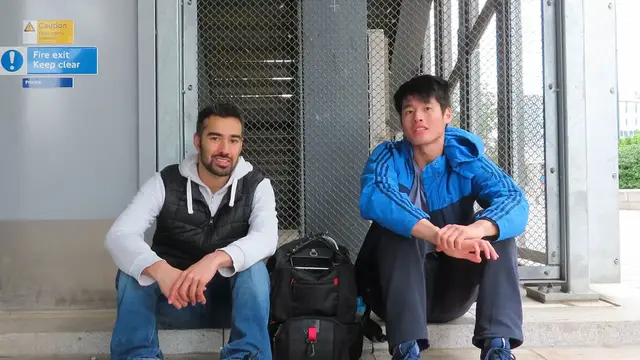
Masud and I thought it would be cool to give you some advice and tips regarding your first interview as a physiotherapist.
//Creative Commons Attribution Licence video (Reuse allowed)
Show More Show Less View Video Transcript
0:00
Hello, hello, welcome back to my channel
0:02
Today I have got my buddy Massoud here, my guy, and we're going to talk about interview tips
0:09
for when you go for your NHS rotational post or your static post or your private post that you want to go for
0:16
Massoud, I'll let you kind of, I mean obviously we're totally different
0:20
in the sense that I'm working in the NHS and the sues. Yeah, yeah. But kind of the general interview tips will be kind of the same, isn't they
0:28
Yeah, so usually when you're in. You're going for your first post as a junior physio
0:33
You will be expected to know the basics, like all your red flags, so clinical red flags
0:39
what are they, why are they used, what do they indicate, what are you going to do if it was actually present in a patient
0:46
You need to know all of that. I think you'll get like scenario-based questions where you might have to prioritize a particular number of patients
0:54
I think like off top of my head, something that came to mind is like someone who's just had a
1:00
neck of fema fracture, someone who needs to do a stair assessment to be able to be discharged home
1:05
another person who has like shoulder rotator cuff irritation and they're coming in for a follow-up
1:12
treatment and you need to give them exercises so that they can go off and do. And you need to
1:17
prioritize which one you would see first because the other physio who's supposed to be seeing them
1:22
are busy for whatever reason or they just can't see them. What are you going to do? And then you
1:27
have to just clinic, they're looking at your clinical reasoning. in that scenario and they're trying to understand what you would do, how you would literally
1:35
justify your actions. Being able to discharge people home safely and soundly is the number one goal
1:42
right? Yeah. So I guess in that scenario, the stare assessment would probably be number one for me
1:48
I'll go for the neck of femur fracture second because just had an operation and they need to
1:53
learn up, they need to mobilize because it's evidence to suggest that they need to put pressure and
2:00
Need to walk and stuff right yeah, that's it. And then the third one is obviously the exercises and I think that the exercises are put last because that person is not really impacted their quality of life that much
2:10
Still able to do normal day-to-day things. So yeah, that's what I do. Usually with the interview, they should ask you a little bit about yourself
2:18
So kind of what, you know, why are you here today? Why do you want to work for us? What kind of things make you stand out
2:23
Make sure that you've done your research. So for instance, you might say if you had an interview at Southampton University Hospital
2:30
Southampton General and say I know Southampton General is the biggest hospital that deals with the most, performs the most operations in the whole of the South East England or whatever
2:39
I mean, don't quote me on that. Just having done your research and just saying, look, this is how great it is
2:45
Say how great it is. Say that's why you want to work there. You might have a special interest in orthopedics
2:50
In which case you say, I have a special interest in orthopedics. And that's why this hospital looks great because it works and performed so many surgeries
2:56
So physios are so useful in that sense And they ask you about yourself as well like what kind of person you are Yeah I asking you what hobbies you have I mean I did have an interview where they asked me one question about myself and everything else was like questions about physio physiophysio like
3:09
knowledge yeah I was like that's when you kind of know they're not as interested in you as a person so
3:13
I think I got some red flags from that kind of that interview I sort of knew I didn't want to
3:17
work at that place but I'm not going to mention that place obviously because because they're watching yeah yeah no first way no absolutely you have to you I think you bring up a great point
3:25
When you're going to these interviews, just remember that you're interviewing them
3:30
We're going to bring your skills, your time, your energy to that place. So you need to see them as a potential candidate and not just someone that you are doing something for
3:39
It's like a power shift in your mind. If you come into the interview knowing that you are interviewing them as much as they are interviewing you
3:48
And that helps you generally in everything when answering questions and just your overall mindset going into it
3:54
And one of the other things I think just bouncing off your point, Matikas, is learning about the actual trust or institution, wherever it is that you're actually going to
4:03
Usually if you're going for like an NHS job, they have trust values
4:07
Each trust has their own values. It's basically like a mnemonic like C-A-R-E
4:13
Yeah, and then each letter stands for something of an attribute that each health professional in that hospital who works there should show to patients
4:22
And then once you know the trust values, make sure you have an example of a previous example of yourself in the clinical setting
4:30
You can kind of do this before you go into the interview. So you have something to say if that comes up
4:36
But generally, I think that if you do your research around trust values and maybe looking at the job spec as well
4:42
making sure that you're the right fit for that job and you're actually interested and you want to
4:47
if it's a good fit for the career that you want to have. Yeah
4:50
Yeah, I'm just kind of really good points. I think just having the prep done before the interview can make a huge difference
4:58
Like, as you were saying, preparing scenarios using the star formula, so situation, task, action, like result, response
5:05
I kind of cover this in some previous videos where I've made, what I've talked about kind of how to get into uni
5:10
how to get into a physiotherapy course at uni, but it's really just making sure that you are well prepared
5:14
and even have some questions prepared, as you were talking about, have some questions prepared for the interviews
5:19
because if they ask you at the end, do you have any questions for us? And you go, no, it kind of makes you look like a bit of a waste man
5:26
Basically. So definitely have those questions paired. So kind of from my experience, it's probably a bit different from you with your private experience
5:34
But when I went for an interview, most of them at the start, because I was trying to get a job during the pandemic, basically the hype of the pandemic
5:40
A lot of them were over Zoom. So I had one over Zoom, which was the one that didn't go so well
5:44
That's the one they asked me about myself in like one question
5:49
and they didn't really care about me as a person. But it's all about kind of how you take your failures
5:53
and take what you've done maybe what you could have done better in an interview
5:58
and learn from that and take it into the next one And that kind of what I did And it my next interview which is the place I working for now you know lucky it was actually face so I think that was a huge advantage you know make sure you written a good personal statement first because obviously they definitely screen through the really crappy personal statements and the good ones so make sure you have a good concise best statement if that like a video you want me to make in future I can just leave comment down below I could look at making one of those videos gives me a like as well if you like to see that mainly you know when I got in it was
6:30
The atmosphere was really different. I had three seniors in front of me, so it was a little bit intimidating
6:34
I don't know if that was the same for you. Did you have? Yeah. So I can remember before I actually got my private job, I did interview for one rotational post
6:43
It was at St. Bart's Hospital. I can say the name because I didn't get the job, so it's okay
6:47
Yeah. And in that interview, I did get a panel. So there was, I think, I think there was three or four people who asked me different questions
6:57
So one of them asked me about the trust values. the other one was a scenario-based question
7:02
The other one was like about anatomy and physiology. Sometimes they might ask you about anatomy
7:06
So different variety of questions from each interviewer. But generally I think that if you were to get a Zoom interview
7:13
which is like what's going on at the moment, I think personally I think that's a little bit lucky
7:18
because you don't have the pressure of going to the interview face-to-face
7:22
and sitting there in person. Sometimes it can be a lot more like nerve-wracking
7:26
knowing that you have to wake up, you know, get ready, put on a good set of clothes look good and make sure you're prepared and travel to the
7:35
destination of your workplace to have the interview that's a lot more nerve-wracking than having
7:40
a Zoom call in your house and you can literally just be wearing like your boxes but
7:44
i was going to say that actually just kind of going on you can literally be wearing like a top
7:48
suit and then nothing underneath yeah yeah but yeah i wouldn't recommend that just in case you
7:53
do have to get up and stuff but yeah i kind of i do i actually disagree with you on one though like
7:57
I feel like you build better rapport when you go in person, but I do understand like you feel less nervous because you just your face on the screen
8:05
I personally did prefer face to face. I mean, I mean, of course, for me, similar to you, you know, when you had that panel, you know, I had my panel and they asked me, we had, I had a neuros specialist, I had an ortho specialist, MSK, they were all like band seven or band eight
8:19
They sort of took turns and asking questions from the different areas of physio because I was going for a rotation post
8:24
So, you know, I had respiratory questions, questions about. kind of what would you do if you had a patient that was struggling to breathe and you just talk
8:31
about how you'd usceltate, you know, you'd check medical history things, just the kind of
8:35
your A to E assessment basically for REST. I had a neuro case, so I had a couple of neuro questions and I had some MSK and like orthopedic
8:42
questions and then some like emergency questions as well, what would you do in this situation
8:47
So it depends on what you're going for. If you're going for static MSK, you'll be kind of what Masu said
8:52
Or if a private MSK, you know, you have all those questions about like anatomy and red flags and things
8:56
But for rotational, they're a little bit more general and you cover more of the wide range of the topics
9:03
But that kind of my interview was actually I felt that was my best interview I think Okay You walk in you introduce yourself they ask questions about yourself and then you have the scenario questions
9:13
and then towards the end, they'll get you to do some practical, so I had to assess a knee. Oh, wow
9:17
So, like, Barris, Falgus, things like that. But I forgot, like, Lackmans, I forgot what it was called
9:21
I knew what it was. Yeah, yeah, yeah. And I sort of demonstrated it to the guy who's interviewing me
9:26
and he goes, it rhymes with Macmans. I was like, oh, Lankmans, it came back to me
9:30
Other things to know, make sure you know you're like my terms, dermatomes. They asked me like what was what innovates the biceps and I said like I think
9:38
I said C7 was actually C6 but I beat myself up after that but then after that I knew so then that's
9:44
kind of key know your neuro stuff at MSK as well and then at the end of the interview they gave
9:49
me like a sheet with arterial blood gases so I had to answer some questions on ABGs which is more
9:54
respiratory stuff but that was my interview and it took me a while to hear back but I did actually
9:58
end up getting a job out of like 120 people I think so I don't know I kind of feel like a bit like an
10:02
imposter because I'm like, what did they hire me? Yeah, yeah, yeah. But yeah, I don't know what it was like for you as well
10:07
Was it kind of a similar experience? For the private job that I got, it was actually quite easy, if I'm honest with you
10:13
I don't know if that's just my experience or just how it was. But my interview wasn't as nerve-wracking as it was interviewing for the NHS job
10:23
The NHS job just demand a lot more prep work. The private one, I didn't really know what to expect
10:29
But after having done my NHS interview, for that interview, I had really done a lot of prep
10:35
So I think that I was going from that to the private one
10:39
It wasn't that tricky because I kind of knew what... I was well informed about the things that they could ask me
10:46
similar to what we've just discussed. So I had that experience already
10:50
I had done a few interviews similar to yourself, actually. Yeah, it was okay to do honest
10:54
But also I know that you went for, because your private's more MSK, isn't it? Yeah, yeah. So I suppose because you know you want to get MSK
11:00
you just prepared MSK, which is what you're good at. That's why the interview went kind of smoothly for you
11:05
Whereas for me, I know that like the other areas, like MSK was my area as well
11:10
So at the moment I'm doing a rotation at MSK outpatients, which I just feel so at home with
11:15
But then you also have to prepare for the others and make sure you prepare for your neuro and your resp
11:19
Because if you don't prepare for those two and you just prepare for MSK, you're a little bit stuffed
11:23
I think that's pretty much everything. You know, any questions like feel free to message Masoudarai
11:28
on Instagram. But like, of course, if it's been covered in our videos
11:32
then we will direct. particular videos but if there are any specific questions then feel free to ask
11:36
yeah so yeah thanks for being on here in the suit oh this man yeah if you if you
11:40
if you guys enjoyed the view then drop a like because it really does have to chat out and consider subscribing if you want to see more videos like this and
11:46
follow me on my journey as I make more physiotherapy videos fitness nutrition
11:50
lifestyle so yeah comment down below what more other videos you want to see and we'll catch up
11:55
soon peace down all around this empty town
12:07
I'm searching for the lost and found
Physical Therapy
Jobs & Education
Career Resources & Planning