Up next in 10

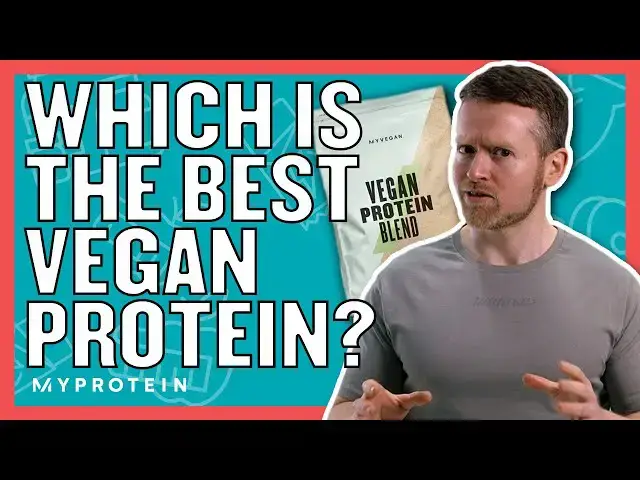
Which Is The Best Vegan Protein Powder For Gaining Muscle? | Nutritionist explains... | Myprotein
Jan 30, 2025


Want to know more about vegan protein powder and which is the best vegan protein powder to take? In this ultimate guide, our expert nutritionist shares everything you need to know.
Nutritional consultant and PhD researcher, Richie Kirwan, is back with another bite-sized nutrition session for you — this time it’s all about plant-based proteins. The options and choices out there for vegan supplements have grown massively in the last few years, which can make it a little difficult to know where to start and what’s worth your time, right?
Don’t worry though, Richie’s here to explain things in the easiest way possible, including digging deeper into that age old question of whether you can effectively build muscle with an entirely vegan diet. (Spoiler alert: yes, yes you can.)
Still got questions? Let us know in the comments below.
****
Chapters:
00:00 - Introduction
01:08 – Why you need protein
01:38 – Why do different proteins have different effects?
02:36 – Why use a vegan protein powder?
03:12 – Is vegan protein good to build muscle?
06:29 – How much vegan protein do I need?
07:42 - Do you have any questions?
****
*********************************
Show More Show Less View Video Transcript
0:00
soy rice pea
0:03
there are a lot of vegan protein powders
0:05
available these days
0:06
so it's no wonder many people don't know
0:08
which to choose
0:09
in this video i'm going to talk about
0:11
some of the more common vegan protein
0:12
powders and whether they're any good
0:17
[Music]
0:20
how's it going guys my name is richie
0:22
kirwan and i'm a nutritionist and
0:23
nutrition researcher at liverpool john
0:25
moores university
0:26
and you're watching the myprotein
0:27
youtube channel this is the channel that
0:29
brings you need to know info on how to
0:30
fuel your body
0:31
and train to be your strongest self we
0:33
all know protein is
0:35
essential if you want to gain muscle
0:37
mass but there's a lot of confusion
0:38
about whether plant-based protein
0:40
powders can do it
0:41
effectively today i'll tell you what the
0:43
science says about vegan protein powders
0:45
and if they're as good as some of the
0:47
more common whey based protein powders
0:50
on top of that we'll also learn about
0:51
some of the latest research on how much
0:53
plant-based protein powder you should be
0:55
taking i just want to point out that i'm
0:57
not recommending any particular protein
0:59
supplements what i am going to do
1:01
is talk about the science and research
1:03
around some of the most common types of
1:05
vegan protein powders
1:06
let's get started so if you're watching
1:08
this you're probably interested in
1:10
gaining muscle
1:11
and you probably know that protein is
1:13
essential for getting big and strong
1:15
specifically protein is needed for a
1:17
process called
1:18
muscle protein synthesis muscle protein
1:21
synthesis or mps
1:22
is when you use amino acids from the
1:24
protein you eat to create new protein
1:26
for growth and repair you can stimulate
1:28
mps with exercise and by eating protein
1:31
the more you can increase mps by eating
1:33
protein the more likely you will be to
1:35
build muscle
1:36
over time you might be wondering why
1:38
different proteins would have different
1:40
effects on mps
1:42
and that all comes down to amino acids
1:44
that they contain in general
1:45
and i really mean in general and not in
1:48
all cases
1:49
so don't kill me in the comments
1:51
proteins from animal sources like meat
1:53
eggs and dairy have all the essential
1:55
amino acids needed to stimulate muscle
1:57
protein synthesis and build muscle
1:59
and in general plant proteins have lower
2:02
levels of some of those amino acids
2:04
particularly the amino acids methionine
2:06
lysine and lucy interestingly this is
2:09
why pea and rice protein are often
2:10
combined together in protein blends
2:12
peas are lower methane and higher in
2:14
lysine while rice is lower in lysine and
2:16
higher in methane
2:17
so combining them together gives a
2:19
better amino acid profile they're called
2:21
complementary proteins and while some
2:24
people say it's not important on a vegan
2:26
diet
2:26
if your goal is muscle gain you better
2:28
believe it's important taking all this
2:30
into consideration
2:31
means it might be worthwhile putting a
2:33
little bit of thought into what vegan
2:34
protein powder you use
2:36
another reason vegans might want to
2:37
consider a protein powder is because it
2:39
can be a little harder to get enough
2:41
protein on a vegan diet compared to an
2:43
omnivorous diet that contains
2:45
meat eggs fish and dairy the epic oxford
2:48
study
2:48
showed that vegans on average ate only
2:50
77 grams of protein per day
2:53
compared to 96 grams in people who eat
2:55
meat and dairy
2:56
now obviously this is the general
2:58
population and not
2:59
gym goers who make a serious effort to
3:01
eat plenty of protein
3:02
but it does show us that vegan protein
3:04
powders might be a good option for
3:06
vegans
3:07
who want to get some more protein into
3:09
their diet conveniently
3:11
so how do we know if a specific protein
3:13
is good for building muscle over time
3:15
well
3:15
there are two very different ways to do
3:17
this one is to just give a group of
3:19
people the protein powder for a few
3:21
months and
3:21
measure their muscle growth or their
3:23
strength change at the end usually
3:25
there's also a control group to compare
3:26
that to and they'll use a different
3:28
protein that is
3:29
already known to be really good for
3:31
supporting muscle growth
3:33
like whey this is considered to be the
3:35
best way to test if a protein works
3:37
because we can actually measure
3:38
the outcomes we want in this case muscle
3:41
growth the downside is it takes a lot of
3:43
time
3:44
literally months and months and
3:46
resources
3:47
to get the results there is another way
3:49
to test how good a protein might be for
3:51
muscle growth
3:52
and that's by measuring muscle protein
3:54
synthesis immediately after somebody
3:56
eats some protein
3:57
it's a lot quicker to do but it's not a
3:59
direct measure of muscle growth
4:01
just a measure of theoretical muscle
4:04
growth
4:04
it's still a very useful method but
4:06
we'll focus mostly on longer
4:08
outcome studies in this video some of
4:10
the most common vegan protein powders on
4:12
the market are soy
4:13
pea and rice blends and hemp in the
4:15
scientific research we're also hearing a
4:17
lot about a relatively new addition to
4:19
the vegan protein powder category
4:21
and that's mycoprotein so how good are
4:23
each of these for muscle growth
4:25
one study compared two groups of young
4:26
men taking either 21 grams away or 20
4:29
grams of soy protein while doing
4:30
resistance exercise for nine months
4:32
the whey group gained 3.3 kilograms of
4:36
lean body mass
4:36
and the soy group gained only 1.8
4:39
actually there was a third group that
4:41
used an isocaloric amount of carbs
4:43
had the same amount of calories with no
4:45
protein at all and even they gained more
4:47
lean mass than the soy group
4:48
they gained 2.3 kilos which really goes
4:51
to show the power of consistent
4:53
resistance exercise more than anything
4:55
else so it's not looking so great for
4:57
soy right now
4:58
another study had one group take 17
5:00
grams of milk protein and the same
5:01
amount of soy protein
5:03
while resistance training for 12 weeks
5:04
again the milk protein group gained more
5:07
muscle
5:07
here's the thing we know that a 20 gram
5:09
dose of high quality protein like whey
5:12
is enough to maximally stimulate mps in
5:14
young
5:15
healthy people adding more protein won't
5:17
increase it much further because mps has
5:19
an upper limit we also know that the
5:20
amount of leucine in a protein has a
5:22
big role to play in how much protein you
5:24
need to eat to stimulate
5:26
mps to the max this is called leucine
5:28
threshold
5:29
lower leucine in some plant proteins may
5:31
explain why plant proteins in smaller
5:33
amounts
5:34
isn't as good as whey so what if you eat
5:36
more vegan protein in order to get more
5:38
lucy
5:38
that question changes things a little
5:40
studies that use larger doses of vegan
5:42
protein powders like 33 grams of soy or
5:44
24 grams of rice protein and similar
5:47
amounts away
5:48
show no difference in muscle growth
5:50
after a few months of resistance
5:51
exercise
5:52
in fact a super interesting study that
5:54
was published recently showed that 30
5:56
grams of wheat protein
5:58
was able to stimulate mps to the same
6:00
amount as 30 grams of milk protein
6:02
wheat is known for being a very low
6:05
quality protein but it turns out that if
6:07
you eat enough of a lower quality
6:08
protein
6:08
it can stimulate mps as much as a better
6:11
quality protein this is why so many
6:13
studies with low doses of protein around
6:15
20 grams
6:16
show way to be better than vegan protein
6:18
powders just
6:19
use more the take-home message is this
6:22
if you get enough essential amino acids
6:24
specifically leucine in a single meal
6:26
we can maximally stimulate mbs so
6:30
if you aim to eat 0.4 to 0.5 grams of
6:32
protein per kilogram of body weight
6:34
per meal that's probably enough to reach
6:37
leucine threshold
6:38
and maximally stimulate muscle growth so
6:40
if you weigh 70 kilos that's between 28
6:42
and 35 grams of protein per meal which
6:44
is very possible with a vegan protein
6:46
shake
6:46
it gets a little bit harder if you try
6:48
to get that much protein from whole
6:50
plant sources
6:50
so if you have four meals that's a total
6:53
of 1.6 to 2 grams
6:54
kilogram per day one thing to really
6:57
bear in mind
6:57
is that most of this research and these
7:00
numbers is talking about protein powders
7:02
not plant protein from whole foods like
7:05
beans the reason i mention it
7:06
is because we know plant protein from
7:08
whole foods isn't as easily digested and
7:11
absorbed
7:11
as plant protein powder which is
7:13
processed to improve its absorption
7:15
so bear that in mind if you try and get
7:17
all of your plant protein from whole
7:18
foods
7:19
you may need even more than i've
7:21
recommended here
7:22
and that might not be easy this is
7:24
exactly why plant protein powders
7:26
may be a good idea for vegans wanting to
7:28
put on more muscle
7:29
so don't worry too much about the
7:31
specifics of the protein
7:33
like i said soy microprotein pea and
7:35
rice are all
7:36
fine sources of protein just take a
7:38
little more than you would if it was way
7:41
so what do you think did that clear up
7:42
the protein confusion as always if you
7:44
have any questions let me know in the
7:45
comments below and remember to like and
7:47
subscribe to the my protein youtube
7:48
channel
7:49
for more great evidence-based nutrition
7:52
[Music]
7:56
information
7:59
[Music]
8:03
oh
#Special & Restricted Diets
#Jobs & Education
#Bodybuilding
#Meat & Seafood Substitutes