Up next in 10



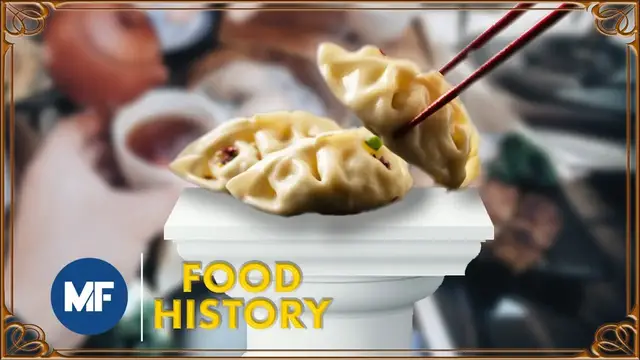
Dumplings are a delicious staple that transcends borders, but how did these doughy delights rise to international fame? Join host Justin Dodd as he unpacks regional adaptations, diverse fillings, and the traditional techniques of dumplings. ----------------------------- Don't miss a video! Subscribe NOW: https://www.youtube.com/@MentalFloss?sub_confirmation=1 About Mental Floss: Mental Floss is where curious people come for trivia-tastic information. Mental Floss produces lists of fun facts, debunks common misconceptions, and tells untold stories from history, science, culture and more. Website: http://www.mentalfloss.com Twitter: http://www.twitter.com/mental_floss Facebook: https://facebook.com/mentalflossmagazine Discord: discord.io/mentalfloss Copyright Notice: This video and YouTube channel contain dialog, music, and images that are property of Mental Floss. You are authorized to share the video link and channel, and embed this video in your website or others as long as a link back to this YouTube Channel is provided. 2025 Mental Floss Food History: Dumplings | Mental Floss https://www.youtube.com/@MentalFloss
Show More Show Less View Video Transcript
0:00
According to one legend, dumplings first appeared during the Han Dynasty
0:04
Roughly 1,800 years ago, the story goes, a physician named Zhang Zhang Jing returned to
0:09
his hometown during a cold winter. He found his fellow villagers with frostbitten ears and
0:13
concocted a new dish to help them warm up. His remedy consisted of mutton, herbs, and spices
0:19
ingredients he chose for their warming and medicinal properties. The doctor wrapped them
0:24
in scraps of dough and folded the morsels to resemble tiny ears. It's unclear if this
0:29
adorable aesthetic choice had any benefit. That particular tale is impossible to confirm
0:34
but the long history of dumplings in China is undeniable. From crescent-shaped ha-gau to soup-filled
0:40
xiao-long-bo, the country is famous for folding delicious fillings into doughy packages. But was
0:46
the first dumpling really invented there? Was the first dumpling even stuffed? And where do dumplings
0:52
like Italian tortellini and Polish pierogi fit in. We have a lot to unwrap or wrap. Let's just get
0:59
into it. Hi, I'm Justin Dodd. Welcome to Food History. Defining a dumpling is surprisingly
1:11
difficult. According to Merriam-Webster, it's a small mass of dough cooked by boiling or steaming
1:17
By this definition, dumplings don't even have to contain meat, or any filling for that matter
1:22
Historians actually agree that the first dumplings were unstuffed. They were likely invented in prehistoric times by hunter-gatherers looking for new ways to prepare and consume grains
1:33
Boiling dollops of dough to make dumplings would have been the next natural step after cooking loose grains in water
1:39
As for why our ancestors would have made the effort to make dumplings instead of just porridge is difficult to say
1:45
but I do appreciate food historian Ken Albala's reasoning as told to NPR in 2013
1:50
A dumpling? I don't know. It seems like more fun to me. Though the culinary art form has evolved significantly
1:56
this basic take on dumplings still exists in many cultures. German spatzel made from wheat flour, Italian gnocchi often made from flour and potatoes
2:05
and West African fufu made from cassava are all popular examples of plain, filling-less dumplings
2:10
By 300 CE, the humble dish had undergone a transformation. Archaeologists uncovered a tomb in China's Xinjiang region from that year containing
2:19
the remains of stuffed dumplings. This is the earliest physical evidence of dumplings ever discovered, but it doesn't
2:26
prove that China is the dish's birthplace. Most food historians say filled dumplings originated in Central Asia
2:33
From there, nomadic Turkic people, migrating west towards the Mediterranean and further
2:37
east into Asia, may have spread their recipes throughout the ancient world
2:41
This theory is supported by etymology. Though the words describe distinct dishes today the Turkic word for dumpling is mante which is thought to be the origin for Korea mandu Greece manti and China manto The Polish word pierogi and
2:56
the Russian pelmeni may also have roots in a Turkic language. Some experts trace the earliest
3:02
written evidence for dumplings to Deire Coconaria, a Roman cookbook compiled around the late 4th or
3:07
early 5th century CE. It contains a recipe for nuggets of chopped pheasant mixed with fat
3:13
broth and spices poached in seasoned water. This early grain-free dumpling stretches the definition of the term
3:20
to include any food mixture that's molded into a lump and then boiled
3:24
That's pretty broad, but even that description doesn't encompass every item that's been called a dumpling
3:30
If you forget the cooking method and focus on the formula of wrapper and filling
3:35
fried foods like samosas from India and empinadas originally from Spain would qualify as dumplings
3:41
That is a controversially wide-ranging interpretation, but few would argue a fried wonton's place
3:47
in the dumpling pantheon. Maybe it's best to throw out rigid categories when it comes to dumplings, or defer to the
3:53
word's slang definition, a term of endearment for something small and adorable
3:58
As the years progressed, dumplings in Europe went beyond boiled pheasant balls
4:02
Many Eastern Europeans enjoy semi-circular wheat dumplings stuffed with sweet or savory fillings
4:08
This simple dish is called pirohi in Slovakia and varenica in Ukraine
4:13
but most English speakers know it as the Polish pierogi. Pierogies can be traced back to Poland in the 17th century
4:19
In 1682, cookbook author Stanisław Czernecki published the Compendium Ferculorum, which listed multiple recipes for dessert pierogies
4:28
and one savory preparation featuring a veal kidney filling. In the years that followed, cooks branched out from offal
4:34
to popularize fillings made from mushrooms, sauerkraut, and cheese and potatoes. Yum
4:40
The pierogi would eventually become Poland's national dish. It's so beloved that it even
4:44
has its own patron saint. According to one story, St. Hyacinth saved a famine-stricken town in the
4:50
13th century with a life-saving delivery of pierogies. A variation of the tale tells of him
4:56
leading the town in prayer, causing their crops to sprout the next day. The villagers showed their
5:01
appreciation by turning the wheat into fresh pierogies. If you want to add a unique exclamation
5:06
to your vocabulary, try Swentijasku zet pierogami, which is Polish for Saint Hyacinth and his pierogi
5:13
It's basically another way of saying holy cow, though unless you speak Polish, it may not roll
5:18
off the tongue quite as easily. Italy is famous for its pasta. A stuffed version appeared in Lombardy
5:24
around 500 years ago. Where that came from is a bit of a mystery. There's a cookbook from around
5:30
the year 1300 that mentions an Arabic pasta dish from 200 years earlier That was likely a cousin of Monty But is there a connection from there to modern ravioli Nobody knows As food writer Rachel Roddy puts it After this the work of historians documents terminological uncertainty
5:48
otherwise known as chaos. Beautiful. These Italian pasta varieties filled with fine ingredients were originally served in the courts
5:55
of aristocrats. When recipes made their way to lower-class kitchens, they were usually reserved
6:00
for holidays and other special occasions. Ravioli is still a common item to serve
6:05
on Christmas in Italy today. Ravioli consists of meat, cheese, and or vegetables
6:10
pressed between two sheets of pasta dough that's cut into a circle or square
6:15
It may be the country's most popular stuffed pasta dish internationally, but it's just one that Italy has to offer
6:20
If you cut ravioli into half-moon shapes, you end up with mezzalune
6:25
Agnolati are similarly shaped, but made by folding one sheet of pasta in half
6:30
over a filling rather than pressing two sheets together. Tornolini, one of the smallest pastas in this category
6:36
are made by joining the two ends of a stuffed pasta packet to form a ring
6:41
As I mentioned in our episode on the origins of pasta shapes, the shape is meant to evoke a belly button
6:47
specifically that of the goddess Venus, according to one legend involving a creepy innkeeper and a keyhole
6:53
Watch that video if you have any questions, which, I mean, you probably do
6:57
Most of these dumplings are bite-sized, but some stuffed pasta is impossible to fit on a fork
7:03
Ravioli Gigante fit a whole serving of pasta into a single plate-sized raviolo
7:09
the proper singular form of the word in Italian, by the way. The biggest of these monstrosities was cooked up in Malta in 2013
7:16
It weighed 175 pounds. An early appearance of dumplings in a U.S. cookbook comes from 1836, The Virginia Housewife
7:23
Today, chicken and dumplings remains a beloved part of the southern food canon
7:28
That simple, comforting dish likely descends from some of the European predecessors I've already mentioned
7:34
It would have evolved in the antebellum era in the hands of enslaved cooks
7:38
eventually becoming a part of the soul food tradition we traced in another previous episode
7:42
So, yes, dumplings in some form are eaten around the world, but the word is probably still most closely associated with Chinese cuisine
7:51
One of the most recognizable dumplings consumed in the country is jiaozi
7:55
Typically filled with meat or vegetables, the simple bites are distinguished by their pleated wheat dough wrappers
8:02
They're often served for the Lunar New Year, though not because they look like crescent moons
8:06
Their curving shape might be modeled after an old Chinese coin, and eating them is believed to bring prosperity in the New Year
8:13
Traditionally, if you want to wish somebody good fortune in China, you feed them jiaozi with a coin hidden inside
8:18
presumably after warning them not to eat it in one bite. Though meat and vegetables are the most common fillings
8:24
a dumpling can be a vessel for basically anything Take ha for example According to a popular story the owner of a riverside tea house in Guangzhou was looking for a way to prepare fresh shrimp from the nearby water
8:36
So he turned the crustaceans into a filling for translucent dumpling wrappers
8:40
Ha-gao has since become a staple of dim sum in which a selection of Cantonese small plates
8:45
are served with tea. If you haven't been to a traditional dim sum restaurant
8:49
where a variety of dishes roll by on carts, I could not recommend it more
8:54
Dim sum is most popularly enjoyed in the morning time, a delicious and fun way to start the day
8:59
And if you want to judge the quality of a dim sum spot, according to one tradition
9:04
count the pleats in their ha-gao. The minimum for the dumpling is seven pleats
9:08
but the most accomplished dim sum chefs are able to crimp the wrapper 10 to 13 times
9:14
Dumpling fillings aren't limited to solid food. Through some clever culinary wizardry
9:19
a chef in the Nanjiang district of Shanghai figured out a way to serve hot soup
9:24
inside a delicate wrapper in the late 19th century. According to one legend
9:27
a restaurant owner named Huang Mingxian wanted to make his steamed buns
9:31
stand apart from the competition. He began stuffing them with aspic, which as we know from our episode on Jell-O salad
9:38
is made by extracting collagen from animal bones and cartilage. Aspic helps ingredients congeal when cooled
9:44
When heated up inside steamed dumplings, it liquefies into a savory broth
9:49
Huang Mingxian knew exactly what to call his new soup dumpling, Nansiang Darao Manteau
9:55
which translates to large meat-filled bun from Nansiang. The name was intentionally misleading
10:01
his thinking being that the surprise of being served a small dumpling would make a positive impression on customers
10:06
rather than leaving them feeling ripped off. Fortunately for the dish's future
10:11
satisfied diners started calling it Nansiang Xiaolongbao instead. Xiao, or small, referenced the fact that the dumplings were small, not large
10:20
Long, or basket, referenced the bamboo steamer baskets they came in. And bao meant bun
10:25
In addition to being one of the most delicious foods ever conceived, soup dumplings rank among the most dangerous
10:32
Hot soup is one of the leading causes of skull burns, and the right, or wrong, dumpling can be hazardous to bite into without caution
10:39
To enjoy them without obliterating your taste buds, experts recommend waiting three to four minutes after the steamer basket hits your table
10:47
I personally have never had the self-control to test out this advice. You can also cool the molten filling faster by poking or biting a valve through the top of the bun to let steam escape
10:58
And if you're too nervous to eat it whole, tear into the dumpling while it's on your spoon and drink the broth one cautious sip at a time
11:05
From gourmet pasta to dim sum delicacies, dumplings have come a long way from their humble origins
11:10
But if you're looking for simple comfort food, it's still hard to beat a bite-sized pillow of dough
11:16
stuffed or otherwise. Thanks for watching Food History. See you next time
education