0:00
I remember sitting and watching this
0:02
particular cartoon in the 90s as a kid
0:06
wanting to be a global warrior what
0:10
happened it didn't happen all of us I
1:49
back in the early 90s I remember
1:52
watching this cartoon and wanting to be
1:54
a Planeteer what do you know about
1:59
climate change research since the
2:19
pre-industrial period human activities
2:22
have increased the Earth's average
2:23
temperature by about one point eight
2:26
degrees Fahrenheit in order to get some
2:28
of my questions about climate change
2:29
answered I'm gonna go see a man that I
2:32
knew since I was a teenager
2:35
I do believe that greenhouse emissions
2:37
is have a pond the climate and the
2:41
I'm not climatologist I did not start
2:47
looking into climate change until my
2:51
younger son Chris had a science project
2:54
and he decided he was going to measure
2:58
the co2 concentration in urban areas and
3:02
wooded areas to see if there was a
3:04
difference so we collected sample he
3:07
collected samples we analyzed them for
3:09
him and the results were different
3:11
there's the standard was called the CRC
3:16
Handbook every engineer uses a different
3:19
scientist uses it the concentration
3:22
listed for co2 was much different than
3:25
we were measuring serious global warming
3:35
it was actually brought out in 1898 the
3:42
theory that human emissions could change
3:45
the climate by adding co2 to the
3:48
atmosphere and causing retention of heat
3:58
since the pre-industrial
4:10
which is a number that is increasing
4:35
plan average surface temperature has
5:13
eight of the twelve months that Maidan
5:27
I had set myself up but I loved the
5:31
interview with the local number-one with
5:34
her man Chris home in general 11 ABC and
5:39
I had went shot got everything but then
5:44
I got home and the footage was change
5:51
over time there's been there's nothing
5:54
to do with climate change but the impact
5:58
of climate change is undeniable it is up
6:00
to us to change the minds of lawmakers
6:03
as well as a change in our actions which
6:07
can impact climate change more than a
6:11
million people are being told right now
6:13
to get out because of this what you're
6:15
looking at right now is a satellite
6:17
image of the eve of hurricane Florence a
6:19
potentially devastating category 4
6:21
hurricane approaching the southeastern
6:23
coast the National Oceanic and
6:26
Atmospheric Administration or NOAA
6:28
tracks weather and storms while the
6:31
Federal Emergency Management Agency or
6:34
FEMA deals with the impacts of those
6:37
extreme weather occurrences and other
6:39
disasters however it would seem like
6:45
Congress in the White House do more to
6:48
increase the America however it seems
6:51
like Congress and the White House aren't
6:58
doing quite enough to make americans
7:00
aware nor prepare us for these extreme
7:04
changes that seem to be happening every
7:05
year the US and 2011 experienced a
7:10
record 14 weather-related disasters each
7:14
in excess of a billion dollars to clean
7:19
up and take care of hello everyone I'm
7:23
Fredrika Whitfield in for Kate Baldwin a
7:25
thanks so much for joining me right now
7:26
we are getting a brand new update on the
7:28
path and the strength of hurricane
7:30
the powerful storm that looks like it
7:33
has headed straight towards Florida the
7:35
National Hurricane Center has just
7:36
issued its latest advisory and at the
7:39
moment all signs point to this being
7:41
a major hurricane and breaking news of
7:43
course a catastrophic category 5 storm
7:46
in fact that has become the strongest
7:48
hurricane in modern records to hit the
7:51
Bahamas and it is still making its way
7:53
to the southeastern part of the United
9:54
rainfall events this is the beginning of
9:59
the Industrial Revolution the SST of
10:02
surface ocean waters has increased by
10:05
about 30 percent this increases
10:53
looking at the sunflowers in Raleigh we
11:03
discovered just how beautiful and how
11:05
wonderful nature is and how much we need
11:09
to protect it and care for it from the
11:14
bees to everything including my stubborn
11:21
cats but how can we stop things like
11:30
deforestation and fires and such that
11:36
have been increasing in number over the
11:40
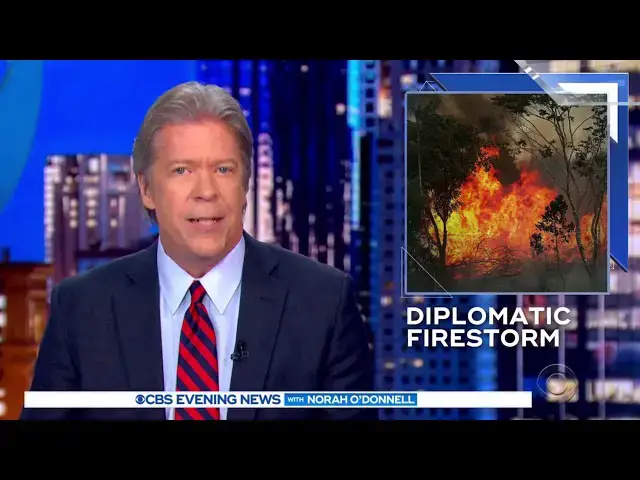
years explain wildfires in the Amazon
11:50
rainforest have ignited a diplomatic
11:52
firestorm ahead of that g7 summit that
12:22
oh that trees give us oxygen yes how do
12:26
trees give us oxygen photosynthesis okay
12:32
did you know that the trees take the
12:36
harmful carbon and methane gases that
12:40
are released into the world and turn
12:44
them into oxygen do you know where they
12:48
store the methane and carbon gases they
12:54
store them inside themselves so all the
12:57
trees take the carbon and methane gases
13:00
and store them and that's what helps
13:02
them grow but if we cut them down or we
13:06
burn them what do you think happens to
13:50
is this issue of climate change
14:01
how do you believe that we as
14:03
individuals can help alleviate the
14:06
problem of admissions in terms of
14:10
changing a lot of things the individuals
14:14
can do probably one of the most
14:16
important is to make sure that our
14:19
representatives understand the level of
14:23
importance that that can cause more
14:27
positive movement than anything else but
14:31
on the individual level in people who
14:34
conserve fuel on the cars I the better
14:38
gas mileage less emissions conserve
14:42
electricity use more renewable energies
14:46
we have my brother-in-law and sister his
14:51
wife put solar panels on their house
14:54
that was a big investment for them but
14:57
in the long run it will lower their
14:59
electric bill but it will also lower the
15:01
emissions so you know that's one thing
15:04
one of things I love to do is plant
15:06
trees things like that they don't have a
15:10
big impact individually but the
15:13
cumulative effect of all individuals
15:15
working in that direction will have some
15:17
positive movement but the impact of
15:21
climate change is undeniable just loved
15:24
us to change the minds of lawmakers as
15:27
well as a change in our actions which
15:31
can impact climate change is to
15:34
sequester carbon because the problem
15:37
we've got is carbon that were in trees
15:41
and plants millions of years ago have
15:45
converted to petroleum products and we
15:48
burned them we release them back to the
15:49
atmosphere so if you plant a tree as the
15:53
tree grows it pulls in the carbon
15:55
dioxide it takes the carbon out of the
15:59
carbon dioxide and releases the oxygen
16:01
that carbon creates the wood that is the
16:06
base of the tree the leaves all of those
16:11
amounts of carbon are sequestered for
16:14
time while the tree is growing after the
16:18
tree dies it can be released slowly or
16:21
it may be used like in the case of
16:24
buildings we have wood that is in houses
16:28
for hundreds of years that wood has a
16:31
decayed it has maintained the carbon
16:34
it's not as efficient as the you know
16:37
billions of gallons of liquefied carbon
16:42
okay thing that is to me as prevalent is
16:46
people want to ignore the science the
16:48
scientists are just in it for the money
16:50
I don't know any scientist that's in it
16:52
for the money they don't make enough but
16:54
they're gonna because they love science
16:57
and they a lot of them are afraid of
16:59
what the future may bring and I'm afraid
17:02
of what the future may bring it's not
17:03
going to bother me it's gonna bother us
17:05
my children and people who have
17:08
grandchildren and you know each
17:10
generation is going to suffer more what
17:13
cause of our inaction in action you mean
17:19
this the United States will withdraw
17:25
from the Paris climate Accord
17:33
yes the Paris climate Accord the thing
17:36
that all of the nations came to give and
17:38
greed hey we really screwed up the
17:44
regulatory climate the political climate
17:46
is EPA causes problems for business and
17:51
that's bad and that's not the case
17:56
EPA regulations may cost money for the
17:59
businesses but those are the same
18:02
businesses that offering the the gold
18:06
mines and left pollution behind for the
18:09
rest of us to clean up strip mines I
18:12
grew up in West Virginia there are a lot
18:14
of abandoned mines that the general
18:19
population is going to pay to clean up
18:21
because the coal companies went bankrupt
18:22
and there's no money for them to clean
18:25
an episode if it's clean we're gonna
18:27
have to do it all the Superfund sites
18:30
those are cleaned up by tax dollars
18:34
there are a lot of problem areas and
18:40
businesses are great I mean either
18:42
Island business there are much benefits
18:46
that we gain from having a capitalistic
18:49
society but business is out for profit
18:53
and too many times profit comes above
18:57
what is right and sometimes that causes
19:01
pollution and that causes problems for
19:03
people when we have a political climate
19:10
that says any regulation is bad you've
19:14
pushed too far so I guess the real
19:18
question is how do we keep this from
19:21
affecting our future generations and our
19:23
children it's like I said we have to
19:27
take care of the environment we have to
19:29
recycle we have to be aware of what
19:32
we're doing with our trash and what
19:36
we're doing with our emissions because
19:38
it's our planet and there's
19:43
in this thrown one we have