live_tv
Livestream Starting Soon
00
Hours
:
00
Minutes
:
00
Seconds
Up next in 10


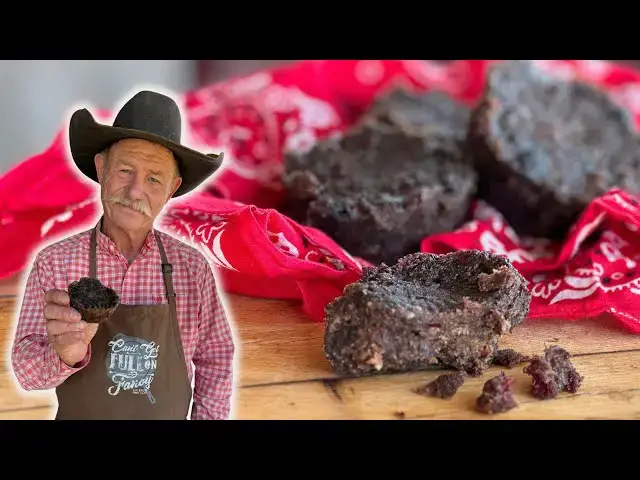
Printable recipe below! We're going back in history with this recipe of pemmican the ultimate #survivalfood
Used in this video:
Enamelware https://amzn.to/3m07G9k
Propane burner stove https://amzn.to/2MG9vo9
Lodge Dutch oven https://amzn.to/2lJmDgG
Rode wireless Go 2 mic: https://amzn.to/3seAQ7X
Cowboy Hat: Chazhatz.com
ARIAT Clothing:
Kent’s Favorite Ariat products - https://bit.ly/3LdR2gn
Save 10% off your first Ariat order: http://bit.ly/3JXvfst
For more suggested products seen in our videos click here: https://www.amazon.com/shop/cowboykentrollins
======================
Printable Recipe: https://kentrollins.com/pemmican/
Show More Show Less View Video Transcript
0:00
from the American Indians to the
0:01
Trappers to the traders to the early
0:03
explorers to us pimkin one of the
0:06
greatest survival
0:15
Foods one of the most iconic survival
0:18
dishes ever put together started a long
0:21
long time ago it did pimkin now you may
0:23
have heard this you might even seen it
0:25
on an old western or an old Explorer
0:27
show where they were eating pimkin now
0:30
really the word deres from the cre and
0:32
it means pimi which means fat which back
0:35
then was probably bison or ale moose as
0:39
the Indians did and even the explorers
0:42
that explored all the Great Northwest
0:44
and the Northern Territories they would
0:46
just take two rocks together and just
0:48
pound this meat till they can make a
0:50
really really dry powder they would take
0:53
SE it which is the fat that encases
0:56
kidneys on an animal whether like it be
0:58
a bison or a moose or elk whatever you
1:00
using and they would chop that fat up
1:02
and then render it down over low heat to
1:05
where you got all this beautiful golden
1:07
Tallow that come from it but then they
1:09
got to think we could mix some choke
1:11
berries with it maybe any kind of
1:13
berries that we could find and you let
1:15
it dry for about an hour and you had
1:18
pinik so today we're really celebrating
1:20
the American Indian culture and when it
1:23
passed down to the frontiersmen the
1:25
Trappers the people who explored the
1:27
west but even to the South Pole the
1:29
North Pole this Pinon was with them
1:32
[Music]
1:37
all so we're starting off since I don't
1:39
have any lean meat around here because
1:41
looking over here at him he don't look
1:43
too lean and that one ain't got enough
1:44
meat on him to Keep Us Alive so we'll
1:46
just keep them to round a bottom round
1:48
or a top round round is always pretty
1:51
lean meat and you can see that there's
1:53
not a lot of fat on the inside of this
1:56
and there is a road map to where we
1:57
should cut first so we're going to cut
1:59
that down this seam because we need to
2:01
try to get all the fat we can off of
2:04
this you can see it's got a chunk right
2:06
here so we're just go ahead and trim
2:08
this off try to remove all the fat you
2:11
can because fat is really what would
2:14
make this stuff turn ran it in the end
2:16
and we don't need none of that back then
2:18
this would have been most of the time
2:20
bison and they would cut these strips
2:23
out of them and we'll just cut one
2:24
that's a little thicker than what we're
2:25
going to end up with and you would just
2:28
flatten this meat out
2:31
now if you're a hunter and you've got
2:32
some venis and some backstrap whatever
2:34
in there that's really lean just use it
2:36
but you can see the grain of this meat
2:38
is running this way so really it would
2:40
be best if we come back across here and
2:43
just slice this as paper thin as we can
2:45
and when it dries it's even going to be
2:47
more tender and you can use a dehydrator
2:50
or you can go in the oven we'll show you
2:53
both methods here when we get started
2:57
[Music]
3:04
well see we started out with two roast
3:07
there we ended up using about probably
3:09
close to 4 lbs of roast when we cut that
3:12
in strips and trimmed the fat off so you
3:13
want to make sure that you when you got
3:14
a finished product here in your bowl
3:16
trimmed and sliced you have at least 2
3:19
lbs of lean meat we're just going to put
3:21
it on a wire rack one will go in the
3:23
dehydrator and one will go in the oven
3:26
and uh oven's a little quicker than a
3:28
dehydrator but the dehydrator is really
3:30
going to get more of the moisture out
3:31
than the oven will now when you're
3:33
talking about putting it in oven you
3:35
know the lowest setting that my oven
3:36
will go to is 170° when you slip that in
3:39
that oven door and you shut it always
3:41
just take a pot holder and just shut it
3:43
to where there's just a little bit of
3:44
air circulation in it's going to help it
3:46
dry out faster in that oven it's
3:48
probably going to take you a minimum of
3:50
at least 3 and 1 half to 4 hours and
3:52
when you get that jerky out of there you
3:54
want to make sure that when it just
3:55
breaks like a cracker it is that crispy
3:58
that way it's going to be a lot EAS
3:59
easier to grind up or pound whichever
4:01
method you want to use the dehydrator
4:04
the same way but it's probably going to
4:05
place take longer it's going to be
4:07
probably close to 8 or 10 hours in a
4:09
dehydrator and I should have told y'all
4:11
this when we started when you go to
4:12
slice that meat and you're going to make
4:14
this Pimon it's best if you go ahead and
4:16
put that meat in the freezer and let it
4:17
set about 45 minutes in there you slice
4:21
it a whole lot thinner that way or if
4:23
you've got a meat slicer you can use
4:28
that the native Native Americans when
4:30
they were making this so long ago they
4:32
might have added chokeberries to it
4:34
something like that they don't grow down
4:36
here where I'm at so we bought some
4:39
dried blueberries and dried cranberries
4:41
when you're looking at dried fruit there
4:42
it's not really got all the moisture out
4:44
of it so we put these on some wax paper
4:46
cuz they fall through the grates on that
4:48
dehydrator and it took them about 13
4:50
hours to really
4:53
[Music]
4:57
dry we're going to put all this in this
5:00
blender now the first time I did this
5:01
recipe I just used a little magic bullet
5:03
but it took it forever and you can put
5:05
them in their hole but I'm just going to
5:07
take some of them longer ones and break
5:09
them up to where I know they'll grind up
5:11
a little faster you might ask yourself
5:14
why are we saving these pieces we have a
5:16
lot of good help scattered around camp
5:17
today so we'll put them back over here
5:19
for the time being get the lid on
5:24
it wrong
5:26
direction Houston we have liftoff
5:31
[Music]
5:41
you can see when we got through with
5:42
that that's pretty much like a meat
5:44
powder that's what we're after but now
5:47
we're going to grind these berries they
5:49
won't grind up near that smooth I
5:51
promise
5:55
you good set of scales is really
5:58
necessary we're going to weigh this out
5:59
so we'll know exactly where we're
6:02
at coming at a whopping 8.7 Oz it did
6:07
now you can see there's a little powder
6:08
to them berries but when I made that the
6:11
other day I ground them up to where they
6:12
was just ground Plum up but I like to
6:14
leave a little of them like this way
6:16
because it gives a little chewi to it
6:17
now we need to weigh the tall out to
6:19
have about 8.7 O then we'll heat it up
6:23
mix it all together and make us some
6:24
pimkin Dutch oven is here getting hot on
6:27
the little Camp Chef burner it is and
6:29
starting with a really low heat cuz you
6:31
want to make sure you don't burn that
6:32
oil to begin with we're going to leave a
6:34
little out because we can add to it if
6:37
we need it when the Native Americans
6:39
made this it was really from probably
6:42
mostly Buffalo fat and then buffalo meat
6:45
now I just got me some really good clean
6:48
white fat that I could get from the
6:50
local butcher down here and most the
6:51
time they won't even charge you for it I
6:53
think we probably had 3 lb all together
6:55
put it in a pretty good size stock pot
6:57
put it on low heat and it's going to
6:58
take it a while when that Tallow quits
7:01
bubbling you've about rendered all the
7:02
fat out of that meat let it cool then I
7:05
strained it into a mason jar and we is
7:07
good to
7:08
[Music]
7:23
go and most the early pioneers and
7:25
everybody that made this were actually
7:28
just taking this probably and just
7:30
forming it in their hand to a loaf or a
7:32
ball we're going to put it in here let
7:34
it get good and dry that way we can dump
7:36
it out they would claim that
7:39
usually uh about the size of a a Reese's
7:42
Peanut Butter Cup but about that tall
7:44
was close to 2,000 calories they even
7:47
canned this stuff so many years ago for
7:49
expeditions a lot of the Native
7:51
Americans too that I did research on and
7:53
look back for they said you know we
7:55
traded for sugar and they would add a
7:58
little sugar two theirs for a sweetener
8:01
when this stuff sets up and when it gets
8:03
done and we're going to set ours in the
8:04
ice box to Quicken up the process which
8:06
is a refrigerator you can actually break
8:10
part of this off it's so good to cook
8:12
with you've heard of beef bullion cubes
8:14
well now you just break off a little bit
8:16
of this pimkin you can put it in some
8:21
stew you know the Buffalo was the main
8:23
source for it he provided the meat he
8:25
provided the fat but he also provided a
8:28
skinned bag that they could dry out to
8:30
carry this in and they wouldn't make
8:31
pounds and pounds of this because this
8:33
is what's going to help you get through
8:34
the winter so this was something that
8:36
was not only survival food but it was
8:39
also something that you'd take when you
8:40
were out on a long hunting trip this
8:42
pimkin at room temperature usually
8:45
wrapped in like a wax paper or even
8:48
brown paper sack and sealed up tight 1
8:50
to 5 years just sitting out but you can
8:52
put this like in the Cell at your house
8:54
where it's a cool dark place it's
8:56
indefinite in Canada the the Old
8:58
Settlers up there actually make a soup
9:00
or a stew out of pimkin with this and
9:02
whatever vegetables you can pick up
9:04
going along the way I think they call it
9:05
rabo now I know that's probably good
9:08
butchered up the word but it is a famous
9:10
soup there you know pimkin was a great
9:12
food to get through hard
9:15
[Music]
9:23
times have you ever had pimkin before I
9:26
have not just break you off a piece and
9:28
go to town now
9:30
it's very dense mhm it smells
9:34
like like old uh
9:38
beef um
9:40
stock it's not bad you get that beefy
9:43
flavor it's beefy and then you get the
9:44
little cranberry it's nice and then at
9:46
the end it's not so
9:49
nice I mean I mean if I were needing to
9:53
survive it would be I mean you're eating
9:55
it up you like it I mean I've I've eat a
9:58
lot worst things in my life I could get
9:59
by on this I can remember when I didn't
10:01
have nothing I would have been glad to
10:02
have it but oh and you know what's so
10:04
funny that you made this is because I
10:06
just finished a book called the
10:08
endurance a lot of you guys might know
10:10
about it but it was about the um 1914
10:14
South Pole um Expedition with Ernest
10:17
Shackleton and then we also watched the
10:19
um documentary on it documentary but it
10:21
was very good and they ate picin and
10:24
thank God they did because it got them
10:26
through some hard times so I uh so I
10:28
appreciate
10:30
the concoction I'm glad that I don't
10:34
have to be eating it okay so I'm going
10:37
to I'm going to peace out this is not
10:39
too bad this is better than first batch
10:41
was it mhm Well we'd sure like to thank
10:42
youall for tuning in and watching this
10:44
episode I love the history episodes to
10:46
go back in time and really show you
10:48
about what happened and really how it's
10:51
evolved through all of this and uh it is
10:53
uh something that I think we should be
10:55
very thankful to for all the history
10:57
that's been passed down to us but as
10:59
always a very special tribute to all the
11:01
service men and women and all the
11:02
veterans who have kept that old flag of
11:04
flying over Camp I'd like to leave you
11:05
with this quote from Ronald rayan who
11:07
said we are one nation under God but
11:09
when we forget God We're a nation gone
11:12
under remember let's be a better
11:14
neighbor and it all starts with me and
11:16
you God bless you each and everyone get
11:18
in here close I'm going to give you a
11:20
big hug and I'll see you down the piman
11:23
tree theyd even Trek fur up north they
11:26
would take just two reeks two reeks
11:30
culinary is going to have a fine time
11:31
licking that bowl quote from Ronald
11:34
Reagan the car went by I think that's
11:36
what he said
11:41
yeah a
11:43
Lulu
11:48
AI Cletus is sleeping
11:51
clus clus you want a snack
#Food & Drink
#Cooking & Recipes