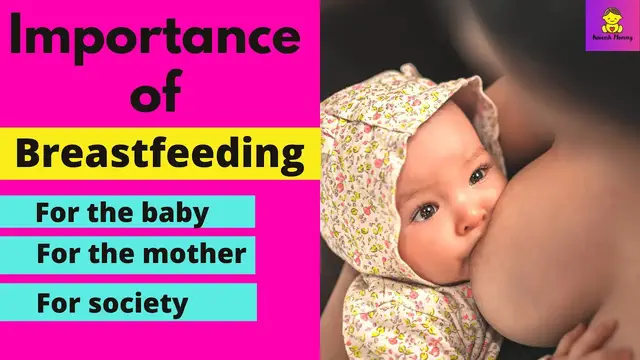

Importance of breastfeeding: kaveesh mommy
Dec 23, 2021

Importance of breastfeeding
Breastfeeding gives babies the best start for a healthy life and has benefits for the health and wellbeing of mothers and babies. Breastfeeding also has economic benefits for the whole family and society.
Exclusive breastfeeding is recommended until babies are around six months of age, with the introduction of appropriate complementary feeding (foods and drinks other than breastmilk) at this age, in addition to continued breastfeeding to 12 months and beyond, for as long as mother and child desire.
All health workers have a responsibility to encourage, support and promote breastfeeding according to these recommendations. However, health workers should acknowledge that any breastfeeding has benefits for both baby and mother.
Breastfeeding is a normal physiological process. However, for some it is a skill that mothers and babies need to practice, and may need help with. Breastfeeding requires the encouragement and support of partners, families and health carers. Breastfeeding mothers returning to work also need support from their employers.
What is 'exclusive breastfeeding'?
Exclusive breastfeeding is when the baby is only given breastmilk (even if this is expressed breastmilk) – additional fluids are not required. Breastmilk provides all the food and drink that a baby needs for around the first six months of life.
The recommendation to give exclusive breastmilk in the first six months is to maximise the benefits of breastfeeding for families (less illness, cost saving), and to minimise the risks associated with not breastfeeding (infections and illness). Health professionals should ensure new parents and families have received information on the benefits of breastfeeding, and should discuss the potential risks of not breastfeeding or of introducing complementary foods too early.
Benefits of breastfeeding
For the baby
Less illness
Show More Show Less