Up next in 10


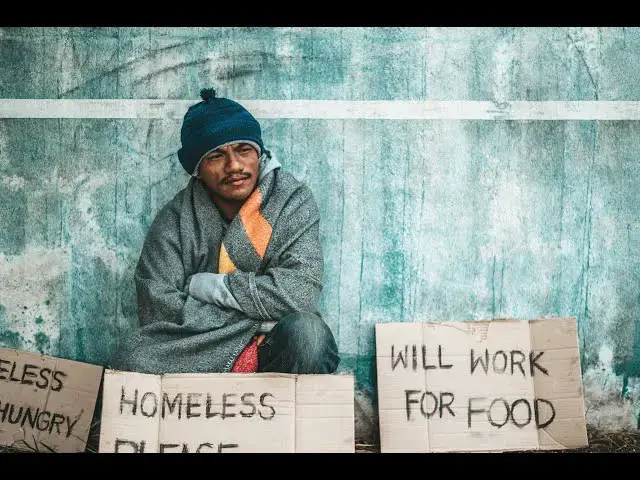
"A Comprehensive History of Poverty" is a meticulously researched exploration of humanity's enduring struggle against economic deprivation. This enlightening work delves into the origins, causes, and consequences of poverty, tracing its evolution from ancient civilizations to modern times. It delves into the social, economic, and political forces that perpetuate poverty while highlighting the efforts and innovations aimed at its eradication. With compelling narratives and data-driven insights, this book offers a comprehensive perspective on poverty's complex history, providing valuable lessons for policymakers, scholars, and advocates striving to address this global challenge. It serves as a reminder of the importance of creating a more equitable and just world for all.
poverty,history of poverty,poverty documentary,poverty full documentary,poverty documentary uk,full documentary poverty,history,history of power,documentary child poverty,history of society,history of civilization,child poverty documentary real stories,concept of poverty,poverty in america,breaking the cycle of poverty,cycle of poverty,causes of poverty,poverty documentary 2021,poverty in uk documentary,family poverty documentary,why poverty
Show More Show Less View Video Transcript
0:00
[Music]
0:06
poverty and early capitalism the birth
0:09
of a new economic order the emergence of
0:12
capitalism in the late Middle Ages and
0:13
its subsequent Evolution during the
0:15
early modern period marked a profound
0:18
shift in economic and social systems as
0:21
capitalism took root it brought about
0:23
significant changes in the distribution
0:25
of wealth and the structure of society
0:28
in this article we explore the birth of
0:30
capitalism and its complex relationship
0:32
with poverty we also delve into the
0:34
transformative impacts of enclosures
0:37
industrialization and the rise of the
0:39
working class on the socioeconomic
0:41
landscape of this
0:43
era the birth of capitalism a paradigm
0:46
shift capitalism's foundations
0:49
capitalism as an economic system is
0:51
characterized by private ownership of
0:53
the means of production Market
0:56
competition and the pursuit of profit it
0:58
emerged during the late late medieval
1:00
and early modern periods with key
1:02
developments such as the expansion of
1:04
trade and the establishment of
1:06
Mercantile
1:08
capitalism effects on wealth
1:11
distribution capitalism brought with it
1:13
a shift in wealth distribution while it
1:16
generated opportunities for
1:17
entrepreneurial individuals to
1:19
accumulate wealth it also resulted in
1:21
the concentration of resources among a
1:23
privileged few this uneven distribution
1:26
of wealth was a harbinger of the poverty
1:29
and in equality that would persist
1:31
throughout the capitalist era enclosures
1:34
and agricultural Transformations the
1:37
enclosure movement one of the defining
1:39
features of early capitalism was the
1:41
enclosure movement in England and parts
1:43
of Europe enclosures involved the
1:46
privatization of common lands displacing
1:48
peasant communities and transforming
1:51
agriculture from subsistence farming to
1:53
profit oriented production impact on
1:57
poverty enclosures had a profound effect
1:59
effect on poverty dispossessed peasants
2:02
and Rural communities faced economic
2:04
hardship and often migrated to Urban
2:06
centers in search of employment this
2:09
influx of Labor into burgeoning
2:11
industrial cities contributed to the
2:13
rise of the working class
2:16
industrialization and the rise of the
2:18
working class the Industrial Revolution
2:21
the Industrial Revolution which began in
2:23
the late 18th century marked a
2:25
transformative phase in early capitalism
2:28
it brought mechanization factory-based
2:30
production and urbanization on an
2:33
unprecedented scale while it fueled
2:35
economic growth it also led to harsh
2:38
working conditions and poverty for many
2:41
laborers Factory labor and poverty
2:44
Factory labor during the early stages of
2:46
industrialization often meant grueling
2:48
hours low wages and dangerous working
2:51
conditions workers including children
2:53
faced exploitation and lived in squalid
2:56
Urban slums the juxtaposition of
2:58
industrial wealth and working-class
3:00
poverty was
3:03
Stark the emergence of Labor movements
3:06
as industrialization progressed labor
3:08
movements began to organize in response
3:10
to the injustices of early capitalism
3:13
workers demanded better wages shorter
3:15
work days and improved working
3:17
conditions these movements laid the
3:19
foundation for labor rights and the
3:21
eventual Improvement of workers living
3:23
standards conclusion early capitalism's
3:26
Legacy on poverty and progress the birth
3:29
of capitalism during the late Middle
3:31
Ages and its expansion during the early
3:33
modern period reshaped societies and
3:36
economies while capitalism generated
3:38
unprecedented economic growth and
3:40
Innovation it also perpetuated poverty
3:43
and inequality especially during the
3:45
phases of enclosures and early
3:48
industrialization understanding the
3:49
historical development of capitalism and
3:52
its complex interplay with poverty is
3:54
essential in the context of today's
3:56
global economic systems it reminds us
3:59
that the pursuit of Equitable and just
4:01
societies requires vigilance social
4:04
reforms and an ongoing commitment to
4:06
addressing the inequalities that persist
4:08
as the legacy of early
4:11
[Music]
4:13
capitalism modernity and the Industrial
4:17
Revolution the Industrial Revolution
4:19
which began in the late 18th century and
4:22
continued into the 19th century stands
4:24
as one of the most profound
4:26
transformations in human history it
4:28
reshaped economies societies and the
4:32
daily lives of people around the world
4:35
this article explores the industrial
4:37
revolution's impact on work and living
4:39
conditions the prevalence of child labor
4:42
and the rise of labor movements that
4:44
sought to address the challenges of this
4:46
transformative era the transformation of
4:49
work and living conditions shift from
4:52
agrarian to
4:53
Industrial the Industrial Revolution
4:55
marked a shift from agrarian economies
4:58
where most people worked on Farms to
5:00
Industrial economies centered around
5:02
factories and Manufacturing this
5:05
transition altered not only how people
5:06
worked but also where they lived
5:09
urbanization as industries and factories
5:11
proliferated people flocked to Urban
5:13
centers in search of employment this
5:16
massive urbanization led to the rapid
5:18
growth of cities and the development of
5:20
industrial hubs however it also created
5:23
overcrowded unsanitary and often dismal
5:25
living conditions in urban
5:27
slums harsh working conditions Factory
5:31
labor during the early years of
5:32
industrialization was characterized by
5:34
long hours low wages and hazardous
5:37
working conditions workers including
5:39
women and children toiled in settings
5:42
where safety regulations and workers
5:43
rights were virtually
5:46
non-existent child labor and its
5:48
prevalence children in the
5:51
workforce one of the Stark realities of
5:53
the Industrial Revolution was the
5:55
prevalence of child labor many families
5:58
driven by economic necessity sent their
6:00
children to work in factories mines and
6:03
Mills these young laborers endured
6:05
grueling hours and harsh
6:08
conditions impact on health and
6:10
development child labor had detrimental
6:13
effects on the health and development of
6:14
young workers many suffered from stunted
6:17
growth injuries and chronic health
6:19
problems their education was often
6:21
sacrificed in the pursuit of meager
6:23
wages social and legal repercussions
6:27
over time the exploitation of child
6:29
labor began to Garner public attention
6:31
and condemnation societal awareness
6:34
combined with advocacy and legislative
6:36
efforts eventually led to reforms that
6:38
aimed to restrict child labor and ensure
6:41
children received education the rise of
6:44
labor movements Collective
6:46
action the harsh conditions and
6:48
exploitation faced by industrial workers
6:51
sparked the emergence of Labor movements
6:53
workers began organizing themselves into
6:55
labor unions to collectively bargain for
6:57
better wages shorter work days safer
7:00
conditions and improved treatment
7:03
strikes and protests labor movements
7:06
often resorted to strikes and protests
7:08
to pressure employers and governments
7:10
into addressing their demands these
7:12
actions played a pivotal role in
7:14
securing labor rights and better working
7:17
conditions long-term impact the labor
7:20
movements of the Industrial Revolution
7:22
era had a lasting impact on workers
7:24
rights and labor laws their struggles
7:26
paved the way for the establishment of
7:28
labor unions work Place safety
7:30
regulations and minimum wage laws that
7:32
continue to shape labor standards
7:34
today conclusion lessons from an era of
7:38
transformation the Industrial Revolution
7:40
and urbanization marked a period of
7:43
profound change in human history while
7:45
these Transformations ushered in
7:47
unprecedented economic growth and
7:49
technological advancements they also
7:51
highlighted the harsh realities of
7:53
unchecked industrialization including
7:55
harsh working conditions and child labor
7:58
the rise of labor movements in response
8:00
to these challenges serves as a
8:02
testament to the resilience and
8:04
determination of workers to secure their
8:06
rights and improve their lives as we
8:09
reflect on this era it reminds us of the
8:12
importance of striking a balance between
8:14
progress and the well-being of the
8:16
workforce it underscores the
8:18
significance of Labor rights workplace
8:21
safety and social reform in shaping more
8:23
Equitable and just
8:27
societies poverty and social reforms
8:30
building safety nets and philanthropic
8:32
Traditions as industrialization and
8:35
urbanization swept through the 19th and
8:37
early 20th centuries they brought with
8:39
them profound societal changes including
8:42
the emergence of widespread poverty
8:44
amidst economic growth in response to
8:46
these challenges societies began to
8:48
explore avenues for social reform this
8:52
article delves into the emergence of
8:54
social welfare systems and safety nets
8:57
as well as the role of philanthropy and
8:58
charitable organizations in addressing
9:00
poverty during this transformative era
9:04
the emergence of social welfare and
9:06
safety nets rise of the social question
9:09
the Industrial Revolution and its
9:10
accompanying urbanization led to Stark
9:13
disparities in wealth and living
9:14
conditions as the gap between the rich
9:17
and the poor widened the social question
9:19
emerged prompting governments and
9:21
thinkers to Grapple with issues of
9:23
poverty and social
9:25
inequality early social reforms
9:28
governments in Europe particularly in
9:30
the latter half of the 19th century
9:32
began introducing social reforms aimed
9:34
at alleviating poverty these reforms
9:36
included the establishment of labor laws
9:39
public education systems and regulations
9:41
to improve working conditions welfare
9:44
states by the early 20th century some
9:48
Nations began to develop comprehensive
9:50
welfare states these systems provided
9:52
unemployment benefits Health Care
9:55
pensions and other forms of social
9:57
support to Citizens the the aim was to
9:59
create a safety net that protected
10:01
individuals and families from the worst
10:03
effects of
10:06
poverty the role of philanthropy and
10:09
charitable organizations philanthropic
10:11
Traditions amidst the need for social
10:14
reform philanthropy played a vital role
10:16
in addressing immediate issues of
10:18
poverty and inequality wealthy
10:20
individuals often inspired by religious
10:22
or moral convictions established
10:24
philanthropic foundations and charitable
10:27
organizations foundations and endowments
10:30
prominent philanthropists like Andrew
10:32
Carnegie John D Rockefeller and the Ford
10:35
family established foundations that
10:37
funded a wide range of social programs
10:40
these foundations built libraries
10:42
supported education and funded medical
10:44
research among other initiatives
10:47
nonprofit organizations charitable
10:49
organizations often formed by concerned
10:51
citizens religious groups or social
10:54
activists provided essential services to
10:56
impoverished communities they operated
10:59
soup kitchens orphanages shelters and
11:02
vocational training programs challenges
11:05
and progress continued
11:07
disparities while social reforms and
11:10
philanthropy made significant strides in
11:11
alleviating poverty disparities
11:14
persisted challenges such as inadequate
11:16
housing access to Quality Health Care
11:19
and income inequality remained pressing
11:23
issues the Great Depression the 20th
11:26
century brought new challenges notably
11:28
the Great depression of the 1930s the
11:31
severity of this economic crisis
11:33
prompted governments to expand social
11:35
safety nets and introduce programs like
11:37
Social Security in the United
11:39
States ongoing debate the balance
11:42
between state sponsored social welfare
11:44
and philanthropic efforts remains a
11:46
topic of debate some argue for greater
11:49
government intervention and
11:50
comprehensive welfare programs While
11:52
others emphasize the importance of
11:54
private philanthropy and nonprofit
11:56
organizations conclusion a legacy y of
11:59
compassion and progress the emergence of
12:02
social welfare systems safety nets and
12:04
philanthropic Traditions during the 19th
12:06
and 20th centuries reflects a
12:09
compassionate response to the pressing
12:10
issue of poverty while these efforts
12:13
have made significant strides in
12:15
improving the lives of millions
12:17
challenges persist in the ongoing battle
12:19
against poverty and inequality the
12:22
history of social reform and
12:23
philanthropy serves as a testament to
12:25
the enduring commitment of societies to
12:27
address these complex issues and build
12:29
more Equitable and compassionate
12:32
[Music]
12:35
communities poverty in the 20th century
12:38
the struggles amidst turbulent times the
12:41
20th century stands as an epic of
12:44
monumental Global events marked by two
12:46
devastating world wars and economic
12:49
upheavals amidst these historical Tides
12:52
poverty remained a persistent challenge
12:54
that affected societies
12:56
worldwide this article examines the
12:58
impact of the Great Depression and the
13:00
consequences of World Wars 1 and 2 on
13:02
poverty in the 20th century the Great
13:05
Depression and its impact the Roaring
13:07
20s the 1920s were characterized by a
13:10
period of economic prosperity in many
13:12
Western Nations however this Prosperity
13:15
was often unevenly distributed leading
13:17
to income inequality and speculation in
13:20
financial
13:21
markets the Wall Street crash in 1929
13:25
the Wall Street Crash triggered the
13:27
Great Depression a catastrophic economic
13:29
collapse that swept across the United
13:31
States and had far-reaching Global
13:34
consequences stock markets crashed banks
13:37
failed and businesses shuttered leading
13:39
to widespread unemployment and
13:42
poverty widespread hardship the Great
13:45
Depression brought about severe economic
13:47
hardship for Millions people lost their
13:49
jobs homes and savings resulting in
13:51
breadlines Shanty towns and a deepening
13:54
sense of Despair poverty became a stark
13:57
and visible reality for many
13:59
poverty in the aftermath of world wars
14:01
World War I the aftermath of World War I
14:04
witnessed the destabilization of
14:06
economies and societies many nations
14:09
including European powers faced post-war
14:11
economic challenges inflation and social
14:15
dislocation the war had drained
14:17
resources and disrupted Industries
14:19
leaving a legacy of economic instability
14:21
and poverty World War II the second
14:25
world war which spanned from 1939 to 19
14:28
45 was a global conflict of
14:31
unprecedented scale while it led to
14:34
significant technological advancements
14:36
it also resulted in immense human
14:38
suffering the war's destruction left
14:40
many nations in Ruins with impoverished
14:43
populations grappling with the aftermath
14:45
of conflict reconstruction and Recovery
14:48
in the post-war period Nations embarked
14:51
on ambitious reconstruction efforts the
14:53
Marshall Plan for instance helped
14:55
rebuild War torn Europe these efforts
14:57
aimed to alleviate poverty by Reviving
15:00
economies and restoring stability to
15:02
devastated regions the legacy of poverty
15:05
in the 20th century social safety nets
15:09
the hardships of the 20th century
15:10
prompted governments to introduce social
15:12
safety nets and Welfare
15:14
programs these initiatives aimed to
15:17
provide financial support healthare and
15:18
education to vulnerable
15:21
populations progress and challenges the
15:24
mid 20th century saw significant
15:26
progress in reducing poverty in many
15:28
Western Nations thanks to economic
15:30
growth and social policies however
15:32
poverty continued to persist in various
15:35
forms and the global landscape remained
15:37
marked by
15:38
disparities Global poverty issues beyond
15:41
the Western World poverty remained a
15:43
pressing issue in developing countries
15:46
efforts to address poverty such as the
15:48
establishment of international
15:49
development organizations sought to
15:51
tackle issues like hunger disease and
15:54
access to
15:55
education conclusion challenges res
15:58
resilience and hope the 20th century was
16:01
a tumultuous era marked by immense
16:04
challenges including economic
16:06
depressions and two world wars poverty
16:09
remained a constant companion for many
16:11
but it also spurred societies to address
16:13
issues of inequality and social
16:16
justice the legacy of poverty in the
16:19
20th century serves as a reminder of the
16:21
resilience of individuals and
16:23
communities in the face of adversity and
16:25
the ongoing Global pursuit of a more
16:27
equitable
16:29
[Music]
16:36
[Applause]
16:37
[Music]
16:46
future
#Poverty & Hunger
#Work & Labor Issues
#Economics