0:00
if you're watching this video chances
0:02
are you've asked Dr YouTube about HIV
0:04
symptoms or you've stumbled upon this
0:06
content out of a genuine interest in
0:08
understanding HIV better the insights
0:11
shared here are relevant regardless of
0:13
gender identity stick around for a
0:15
comprehensive overview of the typical
0:17
early indicators of HIV along with
0:20
details on testing and
0:22
prevention but before we dive in
0:24
remember to hit the Subscribe button and
0:26
turn on the notification Bell for more
0:28
Health focused content with without
0:30
delay let's delve into it remind me what
0:33
is I HIV an acronym for human imuno
0:37
deficiency virus targets the immune
0:39
system specifically impacting white
0:41
blood cells like CD4 cells or te- cells
0:44
crucial components of our body's defense
0:46
mechanism due to its assault on the
0:48
immune system HIV renders the body less
0:51
capable of mounting a robust defense
0:53
against the virus compared to other
0:55
pathogens consequently individuals with
0:57
untreated Hive become more vulnerable to
1:00
various infections and
1:01
illnesses the transmission of HIV occurs
1:04
through contact with bodily fluids
1:06
containing the virus such as blood semon
1:09
fluids globally an estimated 37.6
1:13
million people are living with HIV with
1:16
approximately 1.2 million residing in
1:19
the United States alone while men
1:21
comprise around 47% of global HIV cases
1:25
research from 2018 indicates that in the
1:28
United States men account for 81% of HIV
1:35
transmission it is primarily spread
1:37
through sex sharing needles blood
1:39
transfusion and mother to baby during
1:44
AIDS now let's talk about the virus HIV
1:48
and AIDS HIV is not synonymous with AIDS
1:51
acquired imuno deficiency syndrome AIDS
1:53
is also known as stage 3 HIV it's a late
1:57
stage of HIV when the immune system
1:59
cells have so badly damaged that the
2:01
body is no longer able to fight off
2:03
infection thanks to modern medicine with
2:06
proper treatment it's incredibly
2:08
uncommon for HIV to progress to AIDS
2:11
more on that in the later part of this
2:13
video stages and early signs and
2:17
HIV before delving into a detailed
2:19
discussion on HIV symptoms it's crucial
2:22
to grasp that untreated HIV typically
2:25
advances through three distinct stages
2:27
each accompanied by a set of associated
2:30
symptoms stage one acute
2:33
illness stage two asymptomatic period
2:39
infection now here is a complete
2:42
breakdown of the most common symptoms by
2:44
stage stage one acute
2:47
illness stage one of HIV can be
2:50
considered the beginning stage it's the
2:52
stage a person enters when they first
2:53
contract the virus and it lasts until
2:56
the body has created antibodies against
2:58
the virus antibodies are basically
3:01
little bodyguards the immune system
3:03
creates when exposed to foreign Invaders
3:05
somewhere between 66 and 80% of people
3:08
in stage one will experience flu like
3:10
symptoms within 2 to 4 weeks of
3:13
transmission these flu like symptoms can
3:16
include fever swollen glands fatigue
3:19
body rash sore throat joint pain
3:21
diarrhea headaches early symptoms can
3:26
include ulcers in the mouth sores on the
3:28
genitals muscle nausea vomiting night
3:32
sweats so why the joint pain you may ask
3:35
when someone has symptoms their symptoms
3:38
can last a few days to several weeks but
3:40
not everyone who has come into contact
3:42
with the virus will experience
3:44
symptoms it's common for someone to
3:47
experience no symptoms that would lead
3:49
them to question whether or not they'd
3:52
HIV that's why anyone who has these
3:54
symptoms or thinks they may have
3:55
contracted HIV should consider
3:57
scheduling an appointment with a
3:58
healthcare professional to get tested
4:01
you want to know your status as soon as
4:02
possible as early treatment is best for
4:04
preventing future illness or
4:06
symptoms stage two asymptomatic stage
4:10
also known as the clinical latency stage
4:13
this stage of HIV is known for its lack
4:15
of symptoms during this stage the virus
4:18
exists and is multiplying in the body
4:20
and is beginning to weaken the immune
4:22
system but it is not yet actively
4:25
symptoms a person with HIV at this stage
4:28
may feel and look totally fine but they
4:31
can still easily transmit the virus to
4:34
others stage three AIDS it may take
4:38
years even decades but when left
4:40
untreated HIV May Ena attack and Destroy
4:44
enough CD4 cells that the body can no
4:46
longer fight off infection and disease
4:48
in short it breaks down the immune
4:51
system once this happens IV will
4:53
progress to stage three often referred
4:55
to as AIDS a person at this stage has a
4:59
severely damaged immune system making
5:01
them more susceptible to something
5:05
infections opportunistic infections are
5:07
conditions that the body would normally
5:09
be able to fight off but can be harmful
5:12
HIV people living with HIV May notice
5:15
that they frequently develop colds flu
5:18
and fungal infections the symptoms
5:20
someone with stage 3 HIV might
5:22
experience include nausea vomiting
5:26
persistent diarrhea chronic fatigue
5:29
rapid weight loss cough shortness of
5:31
breath recurring fever chills and night
5:33
sweats rashes Soares or lesions in the
5:36
mouth or nose on the genitals or under
5:39
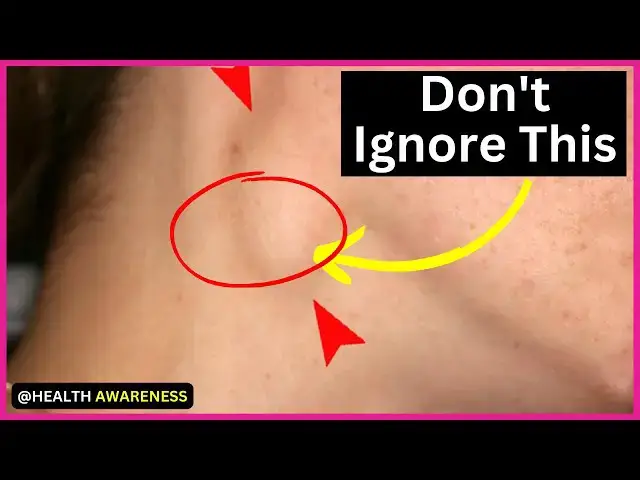
the skin prolonged swelling of the lymph
5:41
nodes in the armpits groin or neck
5:44
memory loss confusion or neurological
5:47
disorders when someone's CD4 count drops
5:50
below 200 that's when someone becomes
5:52
susceptible to opportunistic infections
5:56
pneumonia this may all sound pretty
5:58
scary but remember that HIV can be
6:00
managed with medication called
6:02
anti-retroviral therapy more on this in
6:05
this video how is HIV
6:08
diagnosed HIV is typically diagnosed
6:11
with a blood test though it can also be
6:13
diagnosed with oral fluid or urine most
6:16
commonly healthc Care Professionals will
6:18
order one of the following tests nucleic
6:21
acid test natat looks for viral load in
6:24
blood antigen antibody test looks for
6:27
both antibodies and antigens in blood
6:30
antibody test looks for antibodies in
6:33
the blood it typically takes a few days
6:36
for net and antigen antibod tests to
6:38
provide results but there are rapid
6:40
antibody screening tests and Rapid
6:42
antibody screening tests that take 30
6:44
minutes or less that take 30 minutes or
6:47
less another option is to use an atome
6:50
HIV test kit many of these home tests do
6:53
not require sending the sample to a lab
6:55
a simple oral swab can provide results
6:57
in 20 to 40 minutes regardless of your
7:00
result consult with a healthc care
7:02
professional so that they can confirm
7:03
with more advanced testing equipment how
7:06
often should you get tested for
7:08
HIV everyone between ages 13 and 64
7:11
should get screened for HIV as you would
7:14
be tested for any disease as a regular
7:16
part of routine medical checkups but the
7:18
right Cadence for how often you get
7:20
tested will vary based on your Solo or
7:22
partnered sexual activity the anatomy of
7:25
your sexual partner and the type of sex
7:27
had and intravenous drug use
7:30
if someone is in a monogamous
7:31
relationship with an HIV negative person
7:34
there's no need for continued testing
7:36
unless there is concern for outside play
7:39
if you've engaged in sexual activity
7:41
with multiple partners it's advisable to
7:43
undergo testing annually as a minimum
7:45
requirement for individuals with penises
7:48
who are sexually active with others of
7:49
the same testing every 3 to 6 months is
7:52
ideal annual testing is also recommended
7:56
drugs if you frequently engage in sexual
7:59
encounters with Partners whose high-v
8:01
status is unknown considering testing
8:03
every 6 months is prudent following a
8:05
known exposure to HIV it's essential to
8:08
get tested 18 days post exposure
8:11
additionally immediate initiation of HIV
8:14
prophylactic prevention medication akin
8:16
to emergency contraception for HIV is
8:18
recommended this medication can
8:20
significantly reduce the risk of
8:22
infection if taken within 72 hours of
8:25
exposure prevention of
8:27
HIV what else can you do to help prevent
8:31
HIV first things first know your own
8:34
current sexually transmitted infection
8:37
SDI status an estimated 133% of people
8:40
living with HIV do not know that they
8:42
have it knowing your current SDI status
8:45
can help prevent an HIV positive person
8:47
from transmitting the virus to others to
8:50
know your most current HIV status it's
8:53
important to get tested if you have any
8:54
of the aformentioned symptoms or there's
8:56
a possibility that you contracted the
9:00
if you test HIV negative the best way to
9:02
remain negative is to avoid exposure to
9:04
bodily fluids that may carry the
9:06
virus however these measures can help
9:09
reduce the risk of Contracting
9:11
HIV share your current SDI and HIV
9:14
status with any potential partner and
9:17
ask for theirs knowing their status will
9:19
help you make the most informed
9:21
decisions use condoms for any kind of
9:24
penetrative play vaginal oral anal when
9:27
used correctly condoms are highly
9:29
effective at protecting against
9:31
HIV try not to share or reuse
9:34
needles take precautions always assume
9:37
that blood might be infectious use latex
9:40
gloves and other barriers for
9:42
protection talk with your healthc care
9:44
professional about pre-exposure
9:46
prophylaxis Prep Prep is daily oral
9:49
ingestible that HIV negative people can
9:51
take to reduce their risk of Contracting
9:54
HIV if they're exposed to the virus
9:57
what's the prognosis for those with HIV
10:00
while there is currently no cure for HIV
10:03
receiving a timely diagnosis and early
10:04
treatment can effectively decelerate the
10:06
advancement of the disease and greatly
10:08
enhance one's quality of life it's
10:11
crucial to understand that HIV is no
10:13
longer the Fatal prognosis it once was
10:16
Modern HIV treatments are both simple
10:18
and highly effective with consistent
10:20
adherence individuals can lead long and
10:23
healthy lives while significantly
10:24
reducing the risk of transmission to
10:26
their Partners research even suggests
10:29
that individuals who commence treatment
10:31
before substantial damage to their
10:32
immune systems may enjoy a life
10:34
expectancy comparable to that of the
10:38
population in conclusion recognizing the
10:40
early signs and symptoms of HIV is
10:43
Paramount for timely diagnosis and
10:45
effective management of the condition by
10:47
staying informed and Vigilant you
10:49
Empower yourself to take control of your
10:51
health and well- billing remember early
10:54
detection can make a significant
10:55
difference in your journey with
10:57
HIV don't hesitate to subscribe for more
11:00
essential health related content to stay
11:02
informed and proactive about your health
11:05
your subscription ensures you stay
11:06
updated with valuable information that
11:08
can positively impact your life
11:10
subscribe now and join our community
11:13
committed to promoting health and