Up next in 10

This Secret Wearable Is Making The Best Golfers Better (And You Can Use It Too!)
Feb 2, 2026


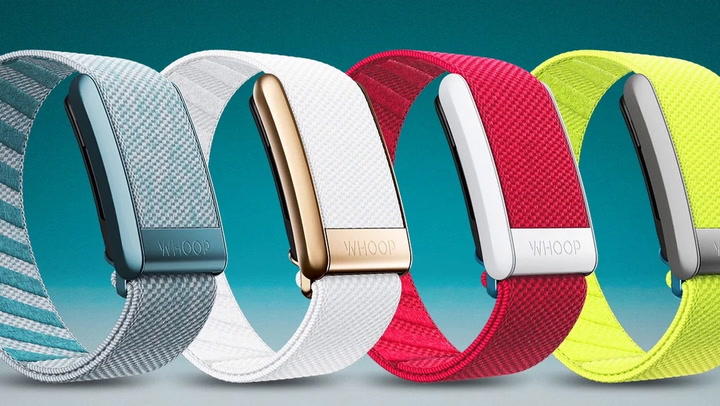
Will Ahmed is the CEO of Whoop, a company worth billions of dollars thanks to its cutting-edge fitness wearable chosen by many of the world's top golfers including Rory McIlroy and Justin Thomas. It's now the official fitness wearable of the PGA Tour and in this video, Will sat down with Dan Parker to discuss the health benefits of golf, the insights Whoop can offer and the changes golfers can make to their lifestyle that will have a positive impact on their potential to play better golf.
Show More Show Less View Video Transcript
0:00
Will Ahmed is the founder and CEO of Whoop, the wearable fitness device with over 125 million
0:10
users worldwide. In 2021, the company was valued at $3.6 billion with the likes of Cristiano
0:15
Ronaldo, Eli Manning and Patrick Mahomes on board as investors. At the height of the COVID
0:20
bubble on the PGA Tour, Nick Watney's Whoop device detected a spike in his respiratory
0:24
rate and, despite his lack of symptoms, went to get tested and was found to be positive
0:28
It shot Whoop into the consciousness of professional golfers, and the PGA Tour subsequently procured 1,000 Whoop devices for every individual in the bubble
0:36
Whoop can now count on the likes of Rory McIlroy, Billy Horschel and Justin Thomas as regular users
0:41
A keen golfer since his college days, Will joined us ahead of his appearance at the Alfred Dunhill Lynx Championship in October to talk about Whoop
0:48
the health benefits of golf, and share the insights he's gained on the sport via his work
0:52
Will Ahmed, thanks for joining us. Really appreciate it. But for those who don't know who are watching, could you just give us a little bit of heads
0:59
up on Whoop and your products that have likely seen it watching golf coverage on the wrists
1:04
and on the biceps of some of the best players in the world? So can you just tell us what it's all about, what it does, and then we'll get stuck into
1:09
a little bit of the health of golf after this. Absolutely. So Whoop is designed a high performance wearable that's really designed to measure everything
1:16
about your health, your sleep, your recovery, your exercise, stress, fitness. it really gives you, I think, the most accurate deep dive on the human body
1:28
And the evolution of the company has been initially working with the world's best athletes
1:32
to now working with a really broad range of consumers, people who are aspirational in all walks of life
1:40
And so can you chat about your relationship or the relationship between Whoop and Tor and Tor players
1:45
I know it kind of, there was a huge story in COVID-19 where it sort of diagnosed Nick Watney
1:50
with the illness prior to him actually testing for it. What's your relationship like with the Tour now
1:55
and some of the Tour players? Well, we certainly have a huge percentage
2:00
of professional golfers that wear Whoop. You'll notice it on their wrists while they're playing
2:06
Sometimes you'll even see it up on their bicep. How come they're wearing it there? Some people find it more comfortable there
2:12
So if you look carefully, you might see Scotty Scheffler wearing it up there
2:16
or Rory McIlroy wears it up there from time to time. Justin Thomas wears it up there
2:21
So we're fortunate to obviously see these world-class golfers wearing the product
2:27
And I think a lot of the reason that the product's been so successful in golf
2:31
and particularly professional golf, is just all the stresses that go along with the game
2:36
And that's not just playing and exercising. That's also travel and jet lag
2:44
you know the the difficulties of all the grind outside of just playing like media and interviews
2:51
and these sorts of things and so I think for a lot of guys whoop has been a tool to help them
2:56
understand recovery okay above everything else and has that been the sort of feedback from them
3:02
for you like what have you been able to learn from these players coming back to you about your
3:06
product and about how they use it how are they using it most effectively for their lives and
3:11
their lifestyle well it's been fascinating to hear how big it's been just around lifestyle factors
3:18
so a lot of professional golfers will have changed their sleep habits because of whoop
3:23
cutting back on alcohol is a huge theme yes from whoop because when you wear whoop and you drink
3:30
alcohol you start to see just the negative effects of even a couple drinks i remember
3:35
rory mccleroy telling me years ago that he was a wine collector and then unfortunately because of
3:41
whoop he's now not drinking his wine because he sees that it makes his recovery low but those are
3:46
the types of little i think nuances that you see in in the product and in the data where you might
3:53
otherwise say oh you know a few drinks i feel fine today but when you see it in the data and you see
3:58
your bodies run down it kind of uh it gets to you and what was the catalyst for that product becoming
4:04
so popular on tour and with players is there a specific moment you can remember that sort of
4:09
allowed Whoop to explode? I'm talking golf here specifically. I know you've worked with athletes across sport
4:14
But was there a moment in golf that made the product go huge within the tour players I think a lot of top pro golfers were wearing it in like 2018 so there rory mcelroy there was justin thomas there was a bunch of top players and then covid
4:31
hit and nick watney realized that he had covid from wearing the product because he had tested
4:39
negative for a covid test but his whoop said he had covid and so next thing you know the pga tour
4:45
reached out to us because they were the first, you know, if you think back in the summer of 2020
4:50
PGA Tour was really the first sport to come back. And so Jay Monahan called me and, you know
4:56
essentially procured a thousand Whoop straps, not just for the players, but for all the caddies
5:01
the media members. And Whoop became, you know, part of the bubble, so to speak, of helping
5:07
professional golf come back. And so that was kind of an amazing moment for Whoop. And obviously
5:13
that you know put whoop on on all the players at the time and i think created a lot of exposure
5:18
so since that and since the sort of popularity of it you know on these brilliant golfers
5:23
what have you learned about them and how they perform their best and what they're doing
5:29
as elite athletes to perform at the highest level week in week out you know it's interesting a lot of
5:35
a lot of what i hear relates to rest and recovery okay i think professional golfers spend a lot of
5:40
time on their feet, spend a lot of time hitting balls, spend a lot of time working out, spend a
5:44
lot of time playing holes. Obviously, the psychological stress of playing a tournament
5:50
is actually really high. And so WHOOP, I think, gives them permission to focus on rest
5:57
you know, really thinking about the wind down in the evening, you know, taking a bath
6:02
taking a long shower, maybe meditating or breath work, finding the right supplements to help with
6:09
that if needed. It's a tool that, again, focuses on recovery above a lot of other products. And
6:18
that score zero to 100% red, yellow, green, I think gives people a guiding factor. The other
6:25
thing, of course, is just travel. These guys really travel a lot. They're in and out of
6:30
different time zones. It's a total grind. And WHOOP helps them, I think, figure out what are
6:36
little things I can do to improve my jet lag or to improve how I handle differences in time zones
6:42
And again, that could be hydration, that could be nutrition, but there's just a lot of things
6:46
going on outside of when they're actually playing golf that affect their performance
6:52
And I think there's a lot of that that we don't, as viewers, acknowledge, do we? We watch them Thursday to Sunday, they rock up and play an event. You don't think about all that's going
6:59
on in between. So would you say that whether WU was a catalyst for this or perhaps golfers were
7:04
trending in this direction anyway, they've become more health focused, you know, let's say in the
7:08
last 20 years. Oh, absolutely. I mean, you can tell that just from watching a broadcast, the guys look
7:14
so much fitter today than they were 20 years ago. But I think that the average fan, both for golf
7:22
but really all of professional sports, underestimates just how much time goes into being a professional
7:28
golfer. You know, it's so much work. You know, when you're not playing, you're recovering
7:36
you're focused on your nutrition, you're drinking water, you're thinking about performance
7:42
even though you're not performing. And there's a cost that comes with that. You know, it's a big
7:47
sacrifice, I think, to be a professional athlete. It's not just when you see the athlete, you know
7:53
playing for four hours. And it sounds like McElroy's had to sacrifice a bit of red wine
7:58
drinking every now and again maybe you can do that later in his life um so for the sort of the
8:02
average goal for that i think myself included maybe you want to get up early get to the range
8:07
grind before you play golf to play your best however having listened to a lot of your your
8:12
podcasts and other interviews you've done sleep sleep is really important for the average goal
8:16
for watching this is that does the preparation for a good round the next day actually start the
8:21
night before i think absolutely i mean look let's talk about how you can improve your sleep quickly
8:26
Sure. So, generally speaking, you want to try to go to bed and wake up at the same time
8:32
That's called sleep consistency. That naturally improves your physiology. You also really want to be in a good bedroom environment So ideally it a cold room good air quality really dark not a lot of noise And if you on a golf trip with your buddies you know you might want to pack like a sleep mask
8:54
or earplugs because, you know, that often when you're staying in a hotel, there's all these
8:59
little lights and stuff in the room. Those can affect your sleep. You want to try to be really
9:05
well hydrated. So drinking as much water, say three, four hours before bed, but try not to drink
9:11
water an hour before bed because that might wake you up. You want to try to avoid eating within
9:16
three hours of bedtime. You know, just the data shows that if you eat within three hours of bedtime
9:23
that will actually disrupt your sleep. Caffeine is an interesting one. It's highly personal
9:30
But for the most part, if you drink caffeine after 2 p.m., that's going to be affecting your
9:35
sleep in the evening. That far afterwards? Yes. That's not good for me. I like my coffee. Well
9:39
this is the amazing thing about the human body. I mean, you wouldn't believe how many things you do
9:45
over the course of a day that could then affect your sleep that night
9:49
It's been shown that just getting morning sunlight, so waking up in the morning and
9:54
seeing the sun in the morning, is going to improve your sleep that night, you know
10:00
Some 15 hours later, right? So it's just, you know, it's fascinating just how the human body works
10:06
Meditating in the morning can affect your sleep later that night. In general, breath work and mindfulness, meditation, those things generally all help with sleep
10:17
So sleep's really important then. And I think we may have just answered this, but what would be one health tip if you could give someone watching now one little nugget to go away with
10:25
that would help their health, help their body and help them play better golf as a circumstance
10:31
Well, this isn't popular feedback, but dialing back alcohol consumption, you know, that's one of the biggest things that's going to crush your recovery score on Whoop
10:42
But, you know, at the end of the day, I would say you can only really manage what you measure
10:47
So if you want to understand your health, if you want to dial things in, just start by measuring it
10:53
And obviously I have a bias for whoop. And if you wear whoop, you're going to start to figure out, okay, well, what is my baseline sleep
11:01
What is my resting heart rate? You know, how much exercise am I getting or how active am I
11:06
And you'll all of a sudden just see these numbers and you'll start to get some feedback on it from whoop
11:11
And then from there, you can start to manage it. You can start to tweak it. And sometimes it's only, you know, small little things that you just change or you become a little more aware of
11:21
and gosh you end up feeling so much better a few months later interesting so maybe like you said
11:26
get into data down seeing which one doesn't look great and picking the one that might just help
11:30
your health a little bit better and then improve your golf as a circumstance and by the way a lot
11:34
of this stuff's personal you know some people metabolize caffeine very quickly they could have
11:38
caffeine at 4 p.m it won't affect their sleep some people if they drink caffeine at 11 a.m it's going
11:42
to affect their sleep you know some people magnesium melatonin supplements like that can
11:48
really improve their sleep. Some people, it hurts, right? So everyone's also got some personal
11:56
behaviors that help them that don't help others. And that goes back to being able to manage what
12:02
you measure. Really interesting stuff, I think. And then there are some nuggets there, I think
12:06
for everyone. Back to golf then. You play a lot yourself. I followed you out here on the old course
12:11
for the front nine yesterday, playing with Gareth Bale. You held your own there. It's good stuff
12:15
I enjoyed watching it. Aside from the obvious with golf, the walking, the sort of mental health
12:21
benefits that can be played in the game, what have you learned otherwise that golf can bring to your
12:25
health, to your body, to your mind, from playing yourself, but also from the sort of dates that you may have to collect? Well, I grew up playing golf. I played a lot from the ages of like, say
12:33
10 to 18. And I got my handicap at one point down to a zero. And then, you know, with work and with
12:42
building a company, it slowly rose up from there. I think today I'm around a three or a four handicap
12:48
And I will say one of the things I enjoy most about playing golf is that feeling of you need
12:56
to hit a shot and then you need to commit it to a shot. And I think it's a big theme
13:01
not just in a sport but in life which is you come up with a plan and then you got to execute the plan And you know as well as I do when you standing over the ball and you changing the plan you screwed right And so there just this feeling of like what am I trying to do Okay
13:18
let's do it. And that I think I love about golf. And it's pretty unique to golf because you have
13:25
so much time to think about what you want to do, right? You can sit there and plot
13:28
I grew up playing a lot of squash. I played squash while I was at Harvard. And that's a sport where
13:34
you're really reacting, right? You're reacting in real time. So many sports you're like on kind of
13:39
you know, under this pressure cooker. Golf feels like you're under a pressure cooker
13:43
but you actually have some time to think about what you're doing and plot your way around
13:47
It's a much more strategic game, I think, than it gets credit for. And it's a very mental game
13:54
because you have time to think. So I love that about it
13:57
I love the camaraderie of getting to meet people playing golf. It's unbelievable even just from a business standpoint
14:03
how many people I've met that have ended up being helpful to me
14:08
in growing as an entrepreneur, growing a technology business. It's, I think, the one sport that all athletes play
14:17
which is a cool concept. It is, isn't it? And I think this week at the Dunhill Links is a kind of perfect example of that
14:22
We've got cricketers, entrepreneurs, tennis, rowers. They're all here and they're all pretty good
14:28
Yeah. You know, yesterday I played with Gareth Bale. You know, I wasn't going to call him up to go play football
14:33
But the fact that we can both go play the old course and, you know, stand over our own ball
14:39
That's pretty great. And how is your game trending into this week
14:43
So you play the old course, you'll play Carnoustie, you'll play Kingsbarns. Yeah. How are you feeling
14:47
Are you excited? I'm super excited. What are you doing? This is one of my favorite weeks of the year. The Alfred Dunhill is a spectacular event. It's incredible people. Everyone shows up here to have a good time. It's very low ego and very successful people, very talented golfers. Everyone comes together. And I think there's just a wonderful camaraderie
15:10
and the courses are three of the best courses in the world the conditions are very challenging
15:16
and you know it's a real test so I look forward to it every year I think it's spectacular right
15:22
last two for me then uh what do you want your recovery score to be in the morning so you're
15:26
fresh firing and what's your heart rate going to be on the first tee do you reckon well you know
15:31
hopefully my recovery is 99 which means I'm dialed uh you know it should be a good sign for
15:37
someone maybe a little jet lagged. And yeah, you know, it's like you don't want to have any nerves
15:43
because in a way nerves make you a little sharper. So if my heart rate's around 100 beats per minute
15:50
I think that would be good. My wrestling heart rate's about 45 beats per minute. You know, if my heart rate's at 130 or 140, that's probably a sign I'm freaking out a little bit
15:59
Yeah. So that won't be good. But we actually did a golf integration with a bunch of players during
16:06
the Ryder Cup. Okay. And so we would show people's heart rates on the first tee
16:11
And they got amped up. I mean, I remember Rory's heart rate
16:14
was like 130 beats per minute on the first tee. That's like doing
16:18
sort of semi-strenuous exercise. And he's, you know, one of the best to ever do it
16:23
So it just shows that that moment is a big moment for pros and amateurs alike
16:30
And speaking of that, actually, you know, what's the future within the game
16:34
We've seen it on TV coverage, you know, what are you working towards to perhaps enlighten viewers at home to how these athletes are performing
16:40
Is there anything in the works? Yeah, you know, we're going to continue to do these data stories and integrations where we show, you know
16:46
maybe the stress of the last hole in a playoff or, you know, show someone's heart rate in real time
16:53
Just understanding like the strain of the overall activity is interesting. You know, the strain of a four or five hour golf round might be the same as, you know, a 45 minute CrossFit workout
17:05
depending on how stressful it was. So, you know, for me, I get the highest strain scores
17:11
from playing golf are at this tournament. I bet they are. Because the conditions are tough and it's intense
17:17
Like, you know, you want to play well. And, you know, all of it just makes for a terrific event
17:22
Well, we're looking forward to it, Will. Appreciate your time and your insights. Thank you very much. Good luck this week
17:27
We'll be following you closely. Thanks for having me, man. Appreciate it
#sports