Up next in 10

'I vaccinate my kids against woke!' Martin Daubney SLAMS 'toxic masculinity' cancer | GB Dads
Sep 4, 2026


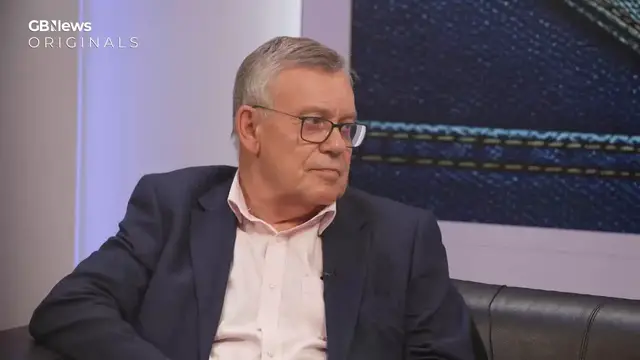
Martin Daubney and Patrick Christys were joined by political commentator, journalist Nigel Nelson and Labour MP Jake Richards, who has been appointed to lead some cross-government work on men and boys.The group debated the notion of toxic masculinity, which prompted an animated response from Martin. “The script is that men are inherently bad and they have to learn how not to be bad; otherwise, they will do bad things. And it's a cancer. It's an absolute cancer.“My children have grown up through this woke wave, and they believe that to be male, to be white is to be bad."“It's my job to constantly vaccinate my children against the wokerati,” he added, explaining the importance of providing positive male role models. WATCH ABOVE
Show More Show Less View Video Transcript
0:00
I'll give them the hardest time they've ever had
0:03
They brought shame to my door. And that's why I was brought up. I understood the bond between me and my parents was don't bring shame to this front door
0:11
If a cop ever knocked on my front door, I don't know if I'd live to tell the tale
0:15
It took me a while to figure out why am I having some of these feelings
0:20
And I do think it is. It's a difficult thing for me to go on television and admit
0:24
I think the biggest thing about becoming a parent is the surrender of ego
0:29
and you have to accept that you're not the apple of your wife's eye anymore
0:35
Yeah. And it's like, at first, you're like, is it jealousy? Am I just being cut out? No, it's biology
0:42
I'm afraid that's against the law, so we're going to have to go... We're going to have to go... Well, it might not have been at the time she did it
0:47
I'm trying to go back to the date. It's always been illegal. Anyway. We had a great relationship when it was just the two of us
0:53
But then there is that change that happens. You add a little team member, or a couple, or a few, in your case
0:58
You've got five sides in. And a subs bench. And a subs bench
1:13
Well, hello, everybody, and welcome to GB Dads. This is the show where some familiar faces to GB News, politicians, celebrities, etc.
1:23
we all get together and talk about what it's like to be a dad
1:27
and issues around men and boys, issues that don't get spoken about enough anywhere
1:33
So a lot of my panel don't need any introduction, really. I'm going to let you introduce yourselves and say what qualifies you to be on the GB Dads sofa here
1:42
Nigel, I'll start with you. OK, I'm Nigel Nelson. What qualifies me to be here is I've got five children
1:49
They're all grown up now, aged from in their 40s or 30s
1:54
so I'm no longer responsible for them and they live their own lives
1:59
And the sense of relief coming off Nigel there is palpable, isn't it, Jake
2:03
So I'm Jake Richards, great to be here. I'm the minister appointed to try and lead
2:07
some cross-government work on men and boys and the challenges they face
2:11
and the opportunities that they might have but perhaps more importantly, I've got a two-year-old, she turns three next week
2:16
so relatively a new dad as well. Fantastic stuff. Martin, go on
2:20
Well, it's my second time on GB Dad So, yeah, Martin Dormley, father of two, boy is 17
2:27
He was, like, that big a few years ago. Now he's in bed after the Reading Festival
2:31
They grow up fast, got a daughter who's 12. Her name is Dolly, named after the late, great Dolly Parton
2:37
She's beautiful and life changes a heck of a lot. Mainly, you lose all your money and your life when you have kids
2:44
But anyway... Well, way to start. Yeah, yeah. Oh, there you go. Well, I've got a son called George who is going to be one on the 5th of September
2:52
So at the time of filming, we are two days away from his first birthday. So there you go
2:57
Jake, I'm going to start with you. There's some really, really interesting stuff going on when it comes to men and boys
3:04
And a bit of a plan or a strategy or some action there to try to help them out
3:09
A lot of forgotten boys, I think, and men, especially white working class boys
3:14
Go on, talk to us about some of the work that you're doing. Well, just like the reason GB News are doing this show
3:19
I think there is a renewed kind of consciousness across the country that we need to talk about and think about some of the challenges that boys, young men and men face
3:27
And they are really particular challenges. So if you think about, for example, mental health next week, actually, suicide prevention week
3:33
We know that suicide is the biggest killer of men aged under 50 in this country
3:37
So are we doing everything we can as a government, as a society to try and make sure that all our services are looking out for those men who are going through difficult times
3:45
If you think about early years, we know, unfortunately, that boys, when they arrive at school
3:49
were far, far more likely to just not be ready in lots of different ways, whether that is developmental, whether that is physically even
3:56
And then academically, later in school, girls do much better than boys. So what's going wrong
4:00
You know, in the education department, is the relevant ministers thinking about what boys need specifically
4:07
And then also, you know, youth unemployment, a huge issue in this country, which I know that GB News has spoken about a lot
4:12
We know, again, that young men, boys, are far more likely to be unemployed or not in educational training when they hit 18 to 25
4:20
So when we're making policy in government, when we're talking about this as a society
4:24
are we really understanding of those specific challenges and reasons that men are perhaps disproportionately affected by some of the challenges we face as a country
4:33
So as a parent then, how do you feel about this plan, I suppose, to try to help boys, specifically help young boys
4:44
Well, I'm very glad that it's finally getting some traction. I was an ambassador for International Men's Day a long time ago, way before it was fashionable
4:51
I sadly lost a couple of friends to suicide, so it really was a bolt from the blue, like fathers of three
4:57
You know, totally happy party people who suddenly were no longer with us
5:02
really was a shock. No one cared. I tried. This is before Brexit. This is like 2013
5:08
No one gave them monkeys, especially about white working class lads. And you've got to
5:12
understand that, you know, we hear Andy Burnham now banging on about Margaret Thatcher and
5:17
the abandonment of those areas. But every political party, really, I think has been bad
5:23
at identifying this. Great to hear that it's going on now. But, you know, the Equality
5:28
Act came in and suddenly white working class lads in particular were at the bottom of the
5:32
power they were forgotten. In fact, worse than that, they were told they were privileged. I think it's terrible. They're brought up to loathe themselves
5:38
They're brought up as the bad guys. They're brought up to believe they're a problem. And no one seems to have their back all
5:44
caring about them. So, well done you. I don't agree with everything you said, but I do agree
5:47
that I think politicians of all different parties, colours, whatever, have not been good enough
5:54
at speaking about this issue. And there's lots of reasons that we can go into. But I do think that's changing
5:58
And again, I do think this is a kind of cross-party effort. We're in government at the moment. and I'm pleased that we're doing some good work, I hope
6:05
but this has to be cross-party because none of this is around party politics. This is about lads, mainly young lads, but men of certain age
6:14
who are struggling sometimes and we've got to do much more to help them. Yeah. Five kids. Do you mind, what's the gender breakdown there
6:21
It's two girls, three boys. Right. So what did you notice as a father there
6:27
to the differences between the boys and the girls in terms of the upbringing, maybe some of the guidance
6:33
maybe your role in that? Yeah, I'm not sure it's about the guidance thing
6:37
I think that girls get on with their lives better than boys do
6:42
So that's the kind of difference between the two genders. So when it came down to guidance, it was whatever they needed
6:52
And in fact, as it turns out, they didn't need that much guidance
6:56
Now, when Jake was talking about the various things that government can do, the area where I think it's most important is in jobs
7:04
The fact that we've got a million young people unemployed, I think, is a real problem
7:09
Now, while all my kids got jobs, they're fine. We have a 17-year-old at home, my wife's son, and he's been firing off applications for apprenticeships and often doesn't get replies
7:20
Employers need to know that they should do that because it very dispiriting not to even get a reaction He was going to join the RAF having gone to a military school The recruitment process for the armed forces is abysmal
7:36
It's not just him, we've got loads of other people who also went through the same thing
7:41
The uniform side is great. Too much has been outsourced to the private sector
7:47
The private sector is useless. Delays keep happening. No information is given
7:53
Now, all that is very dispiriting for a young man, and that's the kind of area where government can help to do something about it
8:01
Is there also a question here of parental responsibility? So I read an article that's actually on the top of, at the time of filming today's Times newspaper
8:12
300,000 middle-class kids who are in homes where their parents are basically propping them up
8:21
So they are NEETs, which is not in education and training, etc
8:27
We've also got staggering statistics about the number of kids that are growing up in homes where the parents have never worked
8:35
So for you, firstly, who were your role models growing up? And what can we do about that, about giving boys or daughters, I suppose, better role models
8:47
Yeah, so for me personally, I was lucky. I had a really supportive family and I had a lot of male role models in my life, both familiar ones, but great teachers as well
8:56
You know, it doesn't have to be your biological father or your carer who's a male role model
9:00
And my granddad was a teacher all his life. He's 94 and he still teaches three evenings a week at 94
9:08
And he just loved his job, wanted to educate and did that with his life
9:12
And he's given a great decade of service. and look Nigel and Patrick you both put hit the nail on the head here because work and training
9:21
but actually it's purpose what young men need like young women but perhaps young men sometimes
9:26
struggle a bit more is that sense of purpose that work can give or a project can give them
9:30
that then when they don't have that through formal mechanisms they sometimes go down the rabbit hole
9:35
in their rooms on their own social isolation and that can lead to real difficulties that we all
9:40
we all know about. So it's a massive challenge in terms of government getting jobs
9:46
Just find that you mentioned parental responsibility, because this is an important point, because I think a lot of your viewers will think, well, you know, this government minister's on
9:54
what's he going to do? And they're right to a certain extent, because government can't do everything. You know, we don't bring up everyone's kids. Government can do more
10:02
and we're trying to do more, but ultimately, you know, we need a culture and a society which values parenting and put some responsibility on parents as well um and actually just in something
10:12
i've did is parenting orders so when kids commit crimes i want to see the parents as part of the
10:16
process of sentencing and rehabilitation as well thanks that's an interesting point so how how would
10:23
you approach that daubney your child god forbid goes out and commits a crime yeah would should you
10:30
be held accountable for that as a dad, do you think? I'll give them
10:34
the hardest time they've ever had if they brought shame to my door. And that's why I was brought up
10:40
I understood the bond between me and my parents was don't bring shame to this front door
10:45
If a copper ever knocked on my front door, I don't know if I'd live to tell the tale
10:49
I knew. I was afraid. I respected the law. Those boundaries were there. We were a working
10:54
class community. You respected your family, your street, your neighbourhood, your school, and people
11:00
on the whole have that social contract and that's completely gone. Shouldn't you be supportive
11:05
I mean, when you're talking about bringing shame to your door, is it not you turn it on its head and actually say
11:13
look, what was behind this? What happened? You know, say it's just a bit of cannabis or something like that
11:18
so it's enough to actually get you arrested, but it's hardly the greatest crime on earth
11:24
Wouldn't you then want to actually A, be supportive to your child
11:30
and be fine down, what's behind it? Prevention is better than cure
11:34
Respect for law and order. Respect for the home. That's what's all missing
11:38
But we're talking about something that's actually happened. But that's interesting. I want to put this to you
11:43
So Martin said a couple of things there about fear. Now, when I was growing up
11:48
I certainly didn't physically fear my parents at all, but I had a fear of disappointing them
11:55
I mean, I didn't stop me doing it quite regularly. A fear of disappointing them. I had a fear of getting into trouble at school because there were certain teachers
12:03
especially some of the male teachers, that I was a bit afraid of, in a sense
12:08
So if your children, say, have committed a crime, should they not fear the repercussions of that from you a bit
12:16
Or, you know, you sound like you might just give my heart. I don't like the idea of the word fear
12:22
I'd rather they were able to actually come to me and talk about it
12:26
First of all, I want to find out if there's a problem, if there is actually a problem that goes beyond whatever it is that might have been committed
12:34
So that's why I use the word support. I mean, it doesn't mean you condone it
12:39
It doesn't mean you say you give them a pat on the back. What it does mean is actually understanding what lay behind it
12:47
And, Jake, on this, because I think there's a fine line, isn't there, between obviously being too hard on people
12:52
sometimes being a bit too kind. And actually, I do wonder, when we look at some of the figures now
12:59
about youth unemployment and about this generation of people that might be really struggling
13:04
especially including things like with mental health, etc., whether actually we've been a bit cruel by being too kind sometimes
13:12
by mollycoddling people, by allowing them to maybe give in sometimes to all of their feelings and by trying to tell everyone
13:20
that everyone's super special and all of this stuff. But what do we do about that? It's really complex
13:25
And actually, the sort of debate we've just had just shows, because, of course, you know, there's carrot and stick is the old phrase
13:31
which I think I still kind of adhere to, that sometimes you have to be harsh to be kind
13:36
But equally, if you're just harsh all the time, it sort of loses its impact
13:40
and you need to understand the reasons why certain behaviours are happening. I think, as a society, we kind of need to get back to basics on some of this stuff
13:49
And I think, you know, I represent a constituency not dissimilar to where Martin grew up, working class, ex-pit towns
13:55
And when I speak to people, they really worry that those standards
14:01
the expectations that were set are no longer there. And we as a government have a part to play in that, absolutely
14:08
but we also need communities to come together. One of the things I'm a little bit concerned about here
14:12
not concerned, but kind of, is in amongst this men and boys strategy
14:17
you've got across various different departments here. The Department for Education, teaching healthy relationships, tackling misogyny, helping young people build resilience to harmful online influences
14:30
All of it's looking on paper good. But then I'm slightly concerned that in practice that might feed into the idea that all boys are inherently misogynistic, a threat, a danger, evil
14:47
I'm worried about I'm worried about that as well to be honest
14:52
so I think it's really important you know this government has a real strategy about violence against women and girls and online misogyny is a key part of that so we have to clamp down on it There no ifs or buts around that But at the same time we got to counterweight balance that
15:05
We're talking about all the brilliant things that boys and men bring to our society, whether it's as fathers, whether it's as sports people, whether it's in the workplace
15:12
They bring specific traits and benefits to us all. We've got to talk about that and policy has to reflect that
15:19
So part of the reason why I've been appointed is because then we have a champion in government
15:23
to try and talk positively about these attributes that men and boys can bring to any situation
15:30
So, yes, of course, clamp down on some of the bad things that men do, and men do some terrible things, right
15:35
We all know that. But we've also got to talk up the brilliant contribution that men do every day, especially, you know, we're here, dads, as fathers
15:41
I mean, you know, we play a really important and distinct role often in bringing up children
15:47
Yeah. Martin, I know that an issue that's very close to your heart
15:51
is trying to combat this idea of wokery in schools towards kids
15:57
And I heard what Jake said there. I wonder what your reaction is, the idea about teaching healthy relationships
16:02
tackling misogyny, helping young people build resilience to harmful online influences. What's your response to what Jake has just said there
16:10
Successive governments have lost the plot. And that is, with all due respect
16:15
the script is toxic masculinity. Men are inherently bad, and they have to learn how not to be bad
16:22
otherwise they will do bad things. And it's a cancer. It's an absolute cancer
16:27
Men grow up, my children have grown up through this woke wave and they believe that to be male, to be white, is to be bad
16:35
And kids who don't even understand that are being told, black kids are suddenly looking at white kids going
16:40
oh, I'm oppressed by you. You know, it's a word I'm not allowed to use on TV
16:45
It's a stain on successive government and it's destroying classrooms, it's destroying life chances
16:53
and all the politicians go, oh, look at adolescents. It's just men waiting to be sexual predators
16:57
What do you do as a parent about that, then, with your kids? I talk to my kids. I honestly believe that, you know, you take your kids for vaccinations
17:04
it's my job to constantly vaccinate my children against wokery. I really believe that because they're being taught
17:10
that there's no wonder that we've got a mental health epidemic. Yesterday we covered it on the show, didn't we
17:17
Yeah, that's right. They're like 6,000 six-year-olds being taken to A&E with mental health conditions
17:22
Well, perhaps it's because we're telling them when they're four that the world's going to end and we're going to burn to death because climate change is terrible
17:28
They were pathologizing and scaring kids. And David Lammy, when he wrote the Lammy report, I went to the launch of it
17:37
There was a great chapter on positive outcomes for boys if they have an engaged father
17:44
Positive masculinity. He got airbrushed away because suddenly it wasn't very popular
17:48
He was criticising single mums too much. It's like, dads are amazing. You know, all the evidence shows us education, you know, addiction to alcohol and drugs, teenage
17:58
pregnancy, life outcomes are far better with two involved parents, but the dad is the gold standard
18:06
Let's hear it for dads. Well, yeah. I mean, look, this is what it says in the tent
18:10
Sheepy dads. It has to be considered a safe space for blokes to talk about being a dad, right
18:15
and so that's exactly what we're doing. On that then, do you think enough pressure is put on society
18:22
or on dad sometimes to stick around, to actually be there, to actually be present in the home and to actually..
18:29
Because from what Martin's saying there, and I think it's fair enough really, the kind of outcomes are better
18:35
to have a good strong male role model in the home. Yeah, and I think that we probably would agree with that
18:41
that the best way of bringing up children is with a mother and a father
18:45
I think that's absolutely right but every circumstance is different it may well be
18:52
better for the children that the parents divorce it just depends on the situation
18:56
that that you're in at the time so I don't think there is a kind of generic
19:02
for this for this sort of thing in the same way that we've been talking typically
19:06
having an active involved that is better across the side I'm better I think that
19:11
is better but it's not necessarily best. There may be situations where in fact not having
19:17
the dad around will be better for the children. We talked a bit about punishment. I've never
19:26
punished my kids. I thought punishment was absolutely wrong. In any capacity
19:30
Well, I mean the whole thing is I can talk to them. I can talk to them about what goes
19:35
wrong but look I'm old enough to it to have been caned at school for smoking
19:40
and drinking yeah it wasn't a deterrent I carried on smoking and drinking for the
19:45
next 40 years all it managed to do the puff give me a very painful bottom all
19:51
it managed to do was make me respect the head teacher who did it much less than
19:56
he had inflict cruelty on a child I was not planning on going down this route
20:01
but we'll take a little detour. Smacking. Yes or no? I've never done it
20:07
See, I've painted myself here as a tyrant, but actually, you know, I did karate when I was 13, 14
20:13
and I never had to use it because people knew I did it. Right? And when you're a dad, I think, who's quite a stern dad
20:18
you never need to be physical. They know not to go there. It's like I've got black mates that go
20:25
my mum gives me a look, I know, I stop. It's the vibe
20:29
Yeah. Andy Burnham. And actually, without getting too kind of academic about it
20:33
all the evidence when it comes to criminal justice policy or parenting, in fact, I think would show what Nigel's just said, actually
20:41
that if you go beyond that line, perhaps, the outcomes are not good for children
20:48
And the behaviour can often get worse because you lose respect for the figure. But, you know, there are a range of views on the world
20:56
So my mum won't thank me for saying this, but I love her dearly. She did smack me
21:02
I always deserved it. It was always after I'd done something really bad
21:11
I'm afraid that's against the law, so we're going to have to go. We're going to have to go. It might not have been at the time she did it
21:16
I'm trying to go back to the day. It's always been illegal. But I remember vividly the exact moment
21:23
the exact moment where I realised I could dodge it. So she used to do the big wind-up, right
21:30
And then it was like, and then if I didn't apologise in that intervening period of the wind-up
21:34
then there'd be a little, so it was never like a battering or anything. But then I realised when I got to about 13, I was like
21:39
I can do this. I can do it. And she was just swinging her thin air
21:43
It was like, you know, kind of there, me quoting Muhammad Ali's phrases as I'm getting out of the way of her
21:48
And then it just lost, it lost all its power. I honestly cannot see a situation, I mean, he's only one at the minute
21:53
but I cannot see a situation where I would smack my son
22:00
I think we've grown out of that. If I may just go back to the footprint, because I agree with Nigel
22:05
that families come in all different shapes and sizes and it would be wrong for, I think, anyone to kind of sort of judge
22:09
whether a parent should split, separate, because sometimes that's right in the circumstances for them and the children
22:15
But I think then it's incumbent on us as a government, but all of us
22:19
to then have all these alternative role models, male role models. you know so one in three primary schools in our country doesn have a male teacher so if you don have a dad in your life for good or bad reason and you go to school and there no male teacher there to perhaps guide you through those early years when you discovering what it means to be a boy who else is there So we need to get
22:37
more male teachers, but we also need them in the community as well. And look, we're investing in schemes and we're also trying to kind of champion the male role model in our communities because
22:45
they have a vital role to play. What, with more male primary school teachers for you, Martin
22:49
here's the point my mum was a teacher in her entire career my missus is a teacher and it's
22:56
now almost entirely dominated it's a women's role and the funny thing is when you go to places like
23:01
Scandinavia where they've invested billions of euros in equality when people are allowed a free
23:06
choice women typically want to be teachers and men don't when you give when you give access to
23:11
equality now there are some great schemes but I'm afraid teachers need to be paid a lot more
23:16
to attract the blokes. And I've got friends who are male teeser, play football with them
23:20
who've ended up leaving because there are so many allegations about he touched me inappropriately
23:26
It's a dangerous place for men to work. Now, it's funny you say this, because at the moment
23:31
we're looking around at nurseries for George. And it's really difficult things to talk about
23:37
but I think a lot of people watching and listening to this will have had very similar conversations in their home
23:42
I personally would prefer it if the nursery that he goes to only has female staff
23:50
And there was a big issue at one near us that did have a big paedophile issue with the bloke, obviously
24:01
But then that's a difficult thing to say, isn't it, in a way? Because you are..
24:06
Well, that's part of the thing that puts bloke on wanting to do it in the first place. There are obviously some nice bloke who would maybe want to go and work there
24:10
There is a difference between nursery and school as well. Yeah. I get the point. Yeah. And is that something that is OK to think
24:16
You know, you're looking around at nurseries and you're thinking, I would have gone for, in fact, I actually did
24:22
go for nurseries when they were tiny with all women. I would have been uncomfortable to have found a man there
24:30
And, in fact, when he just thought about it, it was a natural thing to actually go for women
24:35
I think that that's right for young children. Taking Jake's point, it clearly is not right
24:42
if a child then grows up and has no male role model within their life at all
24:47
And, you know, when you get to, like, teen years, having a really strong male teacher, like a PE teacher
24:53
they're like gold dust. I mean, they are headhuntered between schools in my borough
24:58
because they want a strong geezer in the playground that's particularly the young lads without a dad look up to as a role model
25:05
So there's definitely a place for those strong models. So how do we sort that out, then
25:09
And I think a really, really good point there about the lack of male role models in primary schools
25:16
What do we do about that beyond throwing money at the problem, you know, just saying we're going to pay primary school teachers more
25:23
How do we get more young men or men generally really to want to become primary school teachers
25:30
Well, there are schemes that Martin has kind of spoken about and they've got different levels of success about trying to attract men into that space
25:36
But I also think it's about encouraging men to take on that role in other areas
25:42
So, you know, there's big mentorship programs going on at the moment. Gareth Southgate is working with the Prince's Trust trying to recruit different male role models in the community space, in the sports space, which then might translate into teaching
25:53
Because actually a lot of blokes love it. You know, how many of your friends teach their kids to soccer, you know, do the football game on a Saturday morning
26:02
Really good at it, love it, love working with young people, like being a role model. maybe they should become teachers
26:07
It'd be great. So I think there's a way of kind of shifting the conversation
26:12
about what a man's role in society is. And once we've done that, I think you'll see more men go into teaching
26:19
But we've also got to attract them with substance, whether that is money or actually the pattern of work as well
26:25
and making sure that they have promotion opportunities. Because one of the issues with primary school
26:31
is that those can be narrow sometimes. So if you've got an ambitious man or woman
26:35
but a man in this case, those can be narrow in primary schools. So we've got to look at that as well
26:40
We could also try and make sure that families didn't break up quite so easily
26:44
or if they did, that the criminal justice system didn't always seem to take the mum's side
26:51
This is a whole separate conversation, but a lot of dads who really would love to be much more involved in their children's lives
26:57
aren't able to be because of the way the justice system is set up
27:01
Can you explain that to me a bit, because I am yet to get divorced
27:07
Not to be recommended, by the way. In a nutshell, there is undeniably a bias to keep a child with a mother
27:16
in a criminal justice system, if there's a choice. Family justice, not criminal justice
27:21
Yes, family justice. And there are many mechanisms that women can put in the playing field
27:30
to keep men away. and there's a group called Family Z Fathers
27:34
I've done a great lot of work with them, and there are heartbroken dads who'd love to be more involved
27:38
in their children's lives and can't be. So the odds are stacked against fathers many times
27:43
in the family court system. It's a problem. I was a lawyer, worked in a family law system
27:48
and I agree with quite a lot of what I've said, but it's really difficult because we all know, I'm afraid
27:54
there are cases where blokes, and it is mainly blokes, have committed really serious domestic violence
28:00
have harmed their children and deny it. But there are absolutely no doubt
28:06
because I've represented them and worked with them, there are a lot of blokes who are kept away from their children unfairly
28:13
and it's damaging the children. So how you adjudicate that in a court system
28:17
which is under a lot of pressure is difficult. I'm trying to grapple with that in my day job
28:21
It's not easy, but I accept the point that you're making. Very well-funded charitable organisations
28:26
There's a huge violence against women and girls budget, which doesn't go towards protecting men
28:32
There are structural inequalities, in my opinion, that disfavour men, disfavour boys, and it's a problem
28:40
And we're seeing broken families that a lot of times they don't want to be broken
28:45
And we see then the bad outcomes because dads are gold dust. And also, if I may just add, I think, as a politician anyway
28:53
I'm absolutely pro-family. So, you know, any policy that tries to keep families together
28:58
whether it's help with finances and the cost of living, which can put pressure on, whether there are social policies to encourage families to stay together
29:04
when they're happy, when it's sustainable, is a good thing. And I think sometimes, especially on the left of politics
29:09
I'm a Labour politician, we're a bit ashamed of talking about that, aren't we? Let's have a conversation about this
29:14
because one thing that really stood out to me when George was born was that, I think I spoke about this a little bit last week
29:19
but I am very, very lucky with Emily, my wife. We got a great relationship
29:26
We had a great relationship when it was just the two of us. But then there is that change that happens
29:30
You add a little team member or a couple or a few in your case. I thought you got five sides in
29:35
And a subs bench. And a subs bench. And it does change that domestic situation with your partner
29:43
It does. Now, I'm of the view, certainly so far for me, there's been tricky moments
29:47
but it's been overwhelmingly for the better. How do you navigate that
29:51
Because it is a tough world for blokes. If you've got the initial thing where the baby really needs
29:55
their mum to live at the start, you can feel a bit of a spare part. Then there's a lot of pressure on the dad
29:59
To go back to work, because the mum usually would have to take a little bit longer off
30:04
so then you've got to maybe have that role as a provider in a society where you've been talked down to quite a bit
30:11
I think, as a bloke, that's quite a traditional role, isn't it? We've moved away a bit from that
30:16
How do you navigate the changing dynamics of your home life when you have kids
30:21
I think it happens automatically. that before, when you're just a couple and you haven't got children
30:28
you can't imagine life with children. Then children start coming along, whether planned or unplanned
30:36
In my case, a couple of them are unplanned. But when children start coming along, once they're there
30:42
you can't imagine life without them. So what you get is that you end up adapting to that
30:48
and your relationship adapts to it too. I don't think enough gets spoken about this with blokes, actually
30:54
Because, understandably so, the pregnancy is obviously very much about the woman
30:59
and then the birth, and then the immediate aftermath, really, I suppose, of that
31:04
But it has a huge impact on blokes. And does it? It changes your life
31:09
I remember all my friends who had kids saying, your life will never be the same, and I kind of poo-pooed it, to be honest
31:13
I was like, well, you know, I'll still be able to play football on a Wednesday, go to the pub with my mates
31:17
Of course you can't when you've got a newborn baby, you can't do any of that. And I do think, yeah, again, sort of as a society
31:23
but also in some of the formal systems in place. So when a health visitor comes and visits the baby
31:28
of course the focus should be on the mother. I'm not for a minute suggesting that we move that focus
31:32
but is anyone checking in with the father? During the labour process, again, I'm not for a minute
31:38
my wife would kill me suggesting that I should have got all the attention during that period But is anyone there maybe after the baby born when the mum and baby hopefully settle just to chat to the father
31:49
Are you OK? How are you feeling about this? I think there are things we can do, small things, that would kind of shift that focus
31:56
a bit to make sure that dads are appreciated as part of the system as well
32:00
What do you think about that? I think the biggest thing about becoming a parent is the surrender of ego
32:06
and you have to accept that you're not the apple of your wife's eye anymore
32:12
Yeah. And it's like, at first you're like, is it jealousy? Am I just being cut out
32:18
No, it's biology. It's life. And then later on it's like, well, I'm going to be the idol now of my children's eye
32:25
That's what I've done. So I'm always at work. I'm like just doing all I can like my dad did 47 years down the pit
32:32
I'd hear my dad's car come down the road in the morning. And I was like, down the stairs, he's like, I want to be that dad
32:37
And so you learn to, you try your best just to be an idol in a different way
32:43
but you slowly realise that the sexual Tyrannosaurus side of you is dying
32:50
Wow. I'm afraid that's just like... With the asteroid of childbirth. Well, precisely
32:55
Yeah. But I think you make a really good point there. I do think it's important that we do have these kind of conversations
33:03
and you see more of this on TV and YouTube, because you do have to accept
33:09
that you are not your wife's number one priority. Yeah, and rightly so in that situation
33:15
If there was a situation where I'm sitting in the living room and I'm crying in one corner and the baby's crying in another
33:22
she going to the baby She a very sensible woman your wife But you don want to admit it to yourself It took me a while to figure out why am I having some of these feelings
33:35
And I do think it is. It's a difficult thing for me to go on television and admit
33:40
I think part of it was because I didn't feel like I was getting enough attention
33:43
Yeah. Like a child. Yeah, yeah. Actually, I don't know if you... No, I mean..
33:48
It brushes off you, Nigel. You just go on. The whole thing was, I mean, because once it's happened
33:52
you get on with a new life. I mean, it was very much like moving to a different country, if you like
33:59
that I never regretted leaving countries I'd lived in previously when I started a new life
34:05
The moment that kids came, that was a new life. And you then go forward and get on with that
34:12
And just for everything that you miss about life before, it doesn't beat it when your daughter or son, young daughter or son
34:18
laughs at your jokes or smiles at you in the morning. that always does beat whatever came before
34:23
So it's just about worth it, I think. Yeah, and just finally, just to round us off
34:29
I wasn't planning on doing this, but I thought the way the conversation's gone, I will
34:33
We, I think certainly for myself, I'm 34 now, and there are so many couples that I know and that I'm friends with
34:41
that I think would make tremendous parents. And for a variety of different reasons, they're not doing it
34:46
Look, we haven't got time to go into all of this. Home ownership's a big issue, all this stuff, yeah? Why should more people, if they can, be having kids
34:55
How can we sell parenthood, do we think, to them? Go on. I'll put you on the spot here
35:00
To keep the nation alive. You've gone straight down the line. Otherwise we're going to wither away
35:07
Fly the flag Paul I mean we do have a demographic challenge We need people to have more children I think there are some you know childcare costs housing costs blah blah blah But actually I agree with Martin I think you know there is a kind of whether it patriotism or just a national mission
35:21
you know, if people feel better about things, more positive about the future, more hopeful about where this country's going
35:27
they're more likely to have a drink and get on with it. But, you know, so I think there's a role for politicians
35:34
but I also don't think politicians can make everyone have babies. that's probably we don't do that
35:38
stop putting something in the water that's enough for a bit right come on sell it
35:43
just simply yeah we've got an ageing population you very much need people to be
35:49
producing children to balance that out I'm going to go for something a bit different
35:53
I'm going to say there are so many additional laughs and giggles
35:57
in my day now than there were before there were and I look at every time I look at him I laugh
36:04
really and you know you find and he started tottering around. You just find him in the weirdest places
36:09
He managed to get behind the TV yesterday. I thought we had like a rat infestation
36:15
What is going on? My son's behind there. But all these additional laughs
36:19
And I do think, no, it's not the same for everyone, but I do think by and large having kids and being a dad
36:26
is good for your mental health. Wait till later in life when they look at you and start laughing every time
36:30
They're obviously aware of. Yeah, yeah. That's what I get. Thank you very much
36:35
So we covered quite a lot there. I hope that people at home watching this thought it was as interesting as I did
36:42
But anyway, thank you so much, guys. And, yeah, good luck going forward. I hope we can reunite again on the GB Dads sofas at some point soon
36:49
So there you go. Thank you very much for everybody watching and listening. We'll see you next time for another edition of GB Dads
news