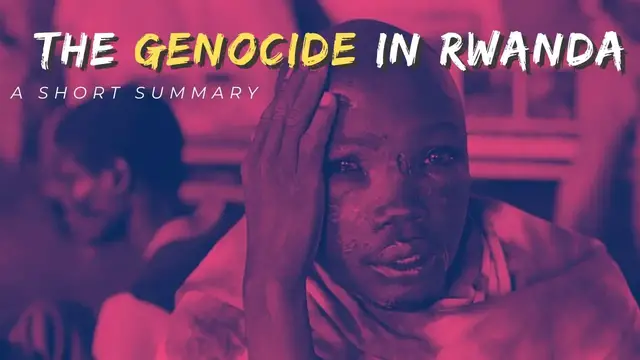

The Genocide in Rwanda 1994.
Nov 3, 2023

The genocide in Rwanda in 1994 was a tragic event that resulted in the mass killing of an estimated 800,000 Tutsis and moderate Hutus over a period of about 100 days. The genocide was sparked by the assassination of Rwandan President Juvénal Habyarimana, a Hutu, in April 1994. Hutu extremists, who had long been planning the genocide, immediately began carrying out attacks on Tutsi and moderate Hutu civilians.
The genocide was marked by extreme brutality, with many victims being killed with machetes and other crude weapons. The killings were carried out by Hutu militias and members of the Rwandan army, who received support from the government and other institutions. The international community was slow to respond, despite early warning signs of the impending genocide.
In response to the genocide, a Tutsi-led rebel group, the Rwandan Patriotic Front (RPF), launched an offensive against the government forces and eventually took control of the country. The RPF established a new government and initiated a process of national reconciliation.
The genocide was a result of longstanding tensions between the Tutsi and Hutu ethnic groups in Rwanda, which had been exacerbated by colonialism and other factors. The legacy of the genocide continues to be felt in Rwanda and the region, with ongoing efforts to promote healing and reconciliation.
The international community has also grappled with the lessons of the genocide, including the need to respond quickly and effectively to prevent mass atrocities, and the importance of addressing underlying causes of conflict and promoting inclusive and equitable societies.
Show More Show Less #Books & Literature
#World News
#Violence & Abuse
#War & Conflict