Up next in 10



Why has modern football abandoned flair for calculated chaos? We explore the high-stakes trade-off where the beautiful game meets brutal finance. With multi-million-pound decisions riding on every pass, managers are forced to eliminate risk, prioritizing pragmatism over passion. This dive analyzes how this risk-averse environment—driven by unseen pressures—is turning traditional plays like kick-offs and throw-ins into weaponized tools. We ask: is the pursuit of flawless, predictable efficiency actively destroying the entertainment we love - and has football got uglier?
Show More Show Less View Video Transcript
0:00
Lately, it feels like football has changed and not for the better
0:03
It's less like a fluid art form and more like a cold tactical spreadsheet
0:08
We are watching a silent war being waged between efficiency and excitement, leading to the uncomfortable question, is football getting uglier
0:15
Well, in this video, I'll explain why the signs point to a solid yes, but also why it can't last forever and why there's real hope for the future of the beautiful game
0:24
Football is defined by its flow, its rhythm, the buildup of pressure
0:28
confidence and intensity sometimes you just know when a team's about to score it's the feeling of
0:34
inevitability that seems impossible to stop unless the game is stopped enter the art of slowing the
0:40
game down now this isn't a modern tactic teams have been doing it for years when they've got
0:44
something to defend they'll stop a counter attack with novice foul take a yellow card for the team
0:49
or the keeper will take forever and a day to get the ball for a goal kick it straddles the line
0:55
between gamesmanship and shithousery and probably will always remain in the game despite the fact
0:59
there are plenty of new laws aiming to curb this but now we seem to have the art of slowing the
1:05
game down when a team is in possession of the ball moments that were once mere pauses kickoffs
1:10
free kicks goal kicks and now highly leveraged attacking plays something we'll call the
1:15
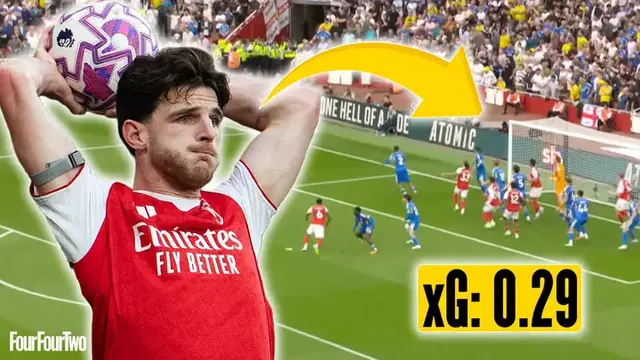
weaponization of the restart take the throwing for example 10 years ago the long throw was a novelty
1:21
a specialist trick that one or two teams had up their sleeve when they had someone like Rory DeLapp at Stoke City
1:27
Now it's a sophisticated data-driven attacking set piece. Thomas Frank's teams have mastered this, using ytics to turn every throw and pass the halfway line into a close-range attacking situation
1:39
The statistics are remarkable. Recent seasons have seen an explosion in long throws into the opposition box
1:44
rising from 1.4 per game on average in the last decade to a whopping 3.9 per game this season
1:51
that's almost three times as many the reason because they get the ball immediately into the
1:56
opposition's box none of this build-up play stuff and can cause utter chaos with way more people in
2:01
there than you'd expect to be in there when the team crosses the ball in game and to do this they
2:06
use a lot of time to set things up let's take thomas frank spurs for example when they win a
2:12
throw in the attacking half the ball goes dead kevin danzo trots over from center half which is
2:17
quite a way away from where the throw-in is going to be taken. He then takes a towel to dry the ball
2:22
and prepare himself for the run-up. Meanwhile, the other defenders and attackers for Spurs take
2:26
their place in the box, each one fully aware of the whole routine from the training ground
2:32
where they should stand, who they should be blocking, who's first to attack the ball
2:36
who's going to pick up the seconds, who's at the back to stop the counter-attack. We're used to
2:40
this at most corners, most free kicks too, but now it's happening at almost every throw-in, and they
2:46
happen far more frequently than the other set pieces do. No wonder the average time the ball
2:50
is in play this season has dropped by two and a half minutes. But there's also a similar time
2:56
related issue now for in play with goalkeepers. These days you'll notice when you watch a game
3:01
the goalkeeper sees much more of the ball at his feet and it's no coincidence. The general plan or
3:06
idea is that they put their foot on the ball when they have it and wait for ideally two things to
3:11
happen. The first is, much like with the throw-ins I mentioned, they're waiting for their own players
3:15
to get into position the central defenders will spread wide the midfielders will offer passing
3:20
lanes and angles the attackers will go high and wide or drop deep enough for themselves as well
3:24
so that the team can put into practice what they've been running through time and time again
3:28
on the training pitch the second thing that the goalkeeper is waiting for is the movement that kickstarts the whole pre sequence and that is usually the opposition team pressing the ball It basically
3:40
becomes this whole game of supersized chess where an attacking team with a plan to move up the pitch
3:45
comes up against a defending team who has a plan to press and stop that happening. It's sort of a
3:50
who dares move first situation but chess ogy aside here's where this particular tactic takes on
3:57
another unwanted and ugly side effect, the long ball. As high pressing has become perfected
4:08
intricate passing deep in your own box has now become a terrifying risk. Now, teams are increasingly
4:13
opting to beat the press by sending the ball long, high and towards the opposition half
4:19
This isn't really a regression of skill, but a calculated pivot, a recognition that the reward
4:23
of beating the press no longer justifies the extreme risk of losing the ball 20 yards from
4:28
your own goal. You might as well lose it further up the pitch when you can at least pressure the
4:32
opposition closer to their goal. Talking of which, let's briefly discuss the last example in this
4:37
chapter and that is the bizarre kickoffs we've seen this season. We're seeing teams, including
4:42
major European sides by the way, immediately boot the ball out of play deep into opposition territory
4:48
for a throw-in in a sort of NFL rugby-style attempt at gaining territory. Andoni Arola
4:54
at Bournemouth described it as a way to create some momentum, by which he means to start on the
4:59
front foot, aggressively, hunting down the opposition, you guessed it, deep into their own
5:04
half. They trade possession for position, transforming a neutral moment into a potential
5:09
defensive crisis for the opposition. These tactics prioritise the physical battle and
5:14
marginal gains over the delicate art of build-up play and whilst incredibly effective some of the
5:19
time and key to the success of clubs like Arsenal it does bypass in my opinion the real beauty of
5:25
the game which in its very essence occurs when the ball is on the floor at the feet of somebody
5:30
capable of the spectacular. To be fair I'd argue that with Arsenal they can do both as well but
5:36
having set pieces as ugly as they may be as a viable goal scoring weapon is not a bad thing to
5:41
have in your in your arsenal pardon the pun the question is why are managers risking the spectacle
5:47
for this efficiency well the answer lies in the terrifying financial realities of the modern game
5:54
money with the financial stakes of modern football at historic highs the motivation for a manager and
6:00
a club's board is to prioritize points accumulation above everything else the more points the higher
6:05
in the table you finish the higher you finish the more money you get it's very very simple
6:10
And nowhere is this more prevalent than in the fight for Premier League survival
6:15
For example, the difference between finishing 20th and 17th isn't just emotional, it's existential
6:21
Relegation from the Premier League can result in a revenue drop of over £50 million, and even with parachute payments designed to soften the blow
6:28
the financial chasm forces clubs to list relegation as their principal risk in their annual accounts
6:34
For clubs like Everton, who historically have high operating costs, especially with the opening of their new stadium
6:39
the threat of dropping down is enough to keep every board member up at night
6:44
And it's this extreme financial pressure that creates a loss aversion mentality
6:48
Managers facing the drop or chasing the Champions League spots are incentivized to avoid defeat at all costs in certain games
6:54
leading to inherently negative tactics. A manager would rather secure a draw using a disciplined low block defense and cynical time wasting
7:02
than risk opening up the game and potentially conceding a goal Again this isn particularly new in football but it becoming more commonplace in every game adding to the overall perception of an uglier state of football Let be honest
7:15
these tactics are no longer viewed as poor sportsmanship by the lesser teams
7:19
but as a mandatory professional and ultimately often successful piece of defending and tactical
7:24
planning. The vast gulf between the richest and the rest means that the metric of success
7:29
is being redefined. When a single win could guarantee safety, securing that result becomes
7:34
worth more than thousands of hours of training beautiful attacking football on the training
7:39
ground the manager who plays pragmatic or ugly football and succeeds is a hero the manager who
7:45
attempts to play attacking or entertaining football and fails is usually sacked russell martin and
7:50
postocoglu spring to mind from the 24-25 season unfortunately this chilling effect on ambition
7:57
is reinforced by the cold, hard logic of data. So if the money provides the why for risk aversion
8:04
data ytics provides the how. The modern tactical landscape is governed by metrics like
8:09
expected goals, expected assists, and high-level possession metrics, which are designed to remove
8:14
randomness and enforce statistical efficiency. Whilst ytically sound, these calculated equations are what removes the exciting, spontaneous, unknown outcomes that crowds crave
8:25
think of the best moment you've ever witnessed when watching a football match. I'd put good money on the fact it was something completely unexpected
8:32
A moment of sheer madness, out of the blue, unpredictable. For a coach though, the end goal is predictability
8:40
An XG model calculates the probability of a shot resulting in a goal based on factors like distance, the angle, body part used and defensive pressure
8:49
When a player takes a spontaneous 30 yard shot, the XG might be like 0.02
8:54
If a coach sees a player consistently taking these chances instead of making an extra pass to create a 0.35 chance, that player is deemed inefficient and is probably dropped
9:05
The system favors the pass into the six yard box that has an XG of 0.8 over the moment of individual flair that might beat two men and then shoot from a low percentage area
9:15
This focus on efficiency stifles the pure artist. The greatest moments of excitement from eras gone by were probably ridiculously low XG
9:25
Think of Zidane's weak foot volley in the 2002 Champions League final
9:29
or Cristiano Ronaldo's goal versus Porto for Man Utd from like 40 yards out
9:35
That stuff today would be so data-averse that no coach would ever recommend attempting it
9:40
Yet, here we are decades later, and I'm still banging on about it, and I bet fans who were there live on those nights are too
9:46
The risk of this is that football creates and then rewards a homogenous player, the superior athlete and tactician who prioritizes the statistically most rewarding run and recycling possession safely over attempting the audacious or the unexpected
10:01
And now most of you are thinking it. So, yes, I definitely think Jack Grealish has fallen victim to this over ysis of data
10:08
Sure, facing a defender 1v1, then cutting back and passing is the better option statistically, but it's bloody boring to watch
10:14
All of this means we end up with a game where the defending side is forcing the opponent into low xg areas like long range shots and headers from distance
10:22
And in attack it means the attacking side patiently working the ball until a statistically sound opportunity appears
10:29
Even if that process is slow and extraordinarily repetitive The beauty of the modern game therefore is found less than the unscripted genius of an individual and more in the collective engineered perfection of a move When we marvel at a goal today we often praise the intelligence of the system that created the chance like an inverted fullbacks positioning the coordination of the pressing
10:51
trigger, rather than the pure human skill of the shot itself. Honestly, if you ever find yourself
10:56
saying, wow, that striker seems to score a lot of tap-ins or open goals, it's because they are
11:01
exactly where they are meant to be according to the game plan. Working the ball into the six yard
11:06
box before shooting, whilst obviously fairly difficult, gives the highest XG for that striker
11:12
on any given shot. And all of this is the central paradox. Data and finance are creating a safer
11:19
more predictable and statistically successful version of football. But in doing so, they are
11:23
systematically coaching the random, high-risk elements, all the flair, excitement, inspirational moments right out of the beautiful game. Now, with all that being said, I also wanted to make
11:34
counter-argument and give you a reason to believe that football isn't all bad. It may just be going
11:39
through a little bit of a rough patch. And the first argument I have is that perhaps the problem
11:43
isn't in the current era, but our memory of the last one. Maybe we're simply in a lull
11:49
having been spoiled by a truly unprecedented era of individual talent. We can't expect to have the
11:54
tactical genius of Pep Guardiola's Barcelona, combined with a generational rivalry of Messi
11:59
against Ronaldo, plus the flair of prime Neymar, even the pure entertainment of Mario Balotelli
12:05
all happening simultaneously. Those players, especially Ronaldo and Messi, broke every statistical ceiling imaginable, setting a benchmark that is frankly unsustainable. If we judge today's
12:17
game against that absolute peak, of course it feels like it's not as exciting. But look closely
12:22
and the talent is still there, carrying the flame of excitement for the next generation. For me
12:28
players like Jamal Musiala at Bayern Munich when he's back fit are worth the entrance fee alone
12:32
He's magnificent to watch. The same goes for Lamin Jamal, Desiree Due and even the little I've seen
12:37
of Rio N'Gamoa. These are the individuals whose flair and vision transcend the cold logic of the
12:43
modern system, offering proof that the artist is not yet extinct. My other argument though
12:49
and the greatest reason for optimism, is that football, like any ecosystem, is cyclical. This
12:54
pragmatic risk-averse style cannot last forever because every dominant system naturally breeds
12:59
its counterpoint. We saw this in the recent past. Pep Guardiola's possession-based positional play
13:04
initially dominated the Premier League, controlling space and basically boring opponents to submission
13:10
But this patient style eventually met its match in the relentless fast-paced verticality of
13:16
Jurgen Klopp's Liverpool, which utilised the transition and high press to overwhelm the
13:20
opponent. Now that aggressive high energy style has bred its own counterpoint. The slow, methodical
13:27
set piece driven game we are currently dissecting. The pattern is clear and always will be. A new
13:33
tactical dominance emerges, teams learn how to defend it and the next great manager figures out
13:37
how to succeed. So my hope is that this current systematic football will inevitably be cracked
13:41
by the next genius who finds a new way to exploit space and creativity. All this to say if you're
13:47
currently finding the game frustrating the ugly, don't despair. The solution is already being brewed
13:52
in the training grounds around the world. Football will eventually recover. You might just have to
13:56
wait a little bit longer for the tactical pendulum to swing back towards beauty. So what do you think
14:02
Is football becoming uglier? Is the relentless pursuit of tactical efficiency destroying excitement
14:07
Or is this merely the necessary evolution of the beautiful game, the relative calm
14:11
before an enthralling, edge-of-your-seat, dazzling storm of an era that sweeps across the globe
14:17
Let us know your thoughts in the comments below and thanks for watching
Sports
Soccer