Up next in 10



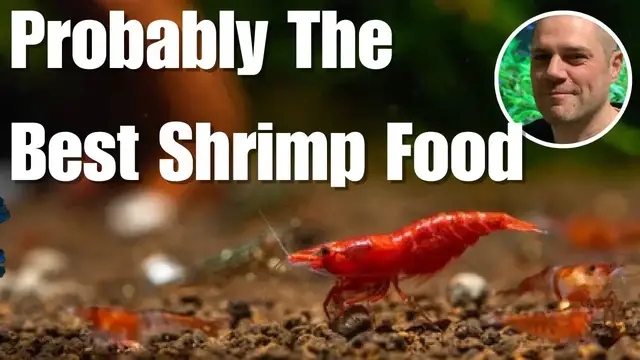
In my opinion, Biofilm is the most underrated and under-discussed shrimp food in the Red Cherry Shrimp keeping hobby.
I genuinely believe Biofilm is the secret to a large, healthy shrimp colony!
? ? ? ? ? ? ? ? ? ? ? ? ? ?
? FREE copy of my new Neocaridina Shrimp eBook - https://fishkeepinganswers.com/shrimp-ebook/
? ? ? ? ? ? ? ? ? ? ? ? ? ?
Filter intake sponges ? https://fishkeepinganswers.com/tk1i (Amazon)
API Master Test Kit ? https://fishkeepinganswers.com/pceu
API Copper Test Kit ? https://fishkeepinganswers.com/ia8i
When you are new to Red Cherry Shrimp keeping, there is so much information, and misinformation, that it can be hard to know which is which.
I don't think Red Cherry Shrimp keepers need to worry about;
Show More Show Less View Video Transcript
0:00
Would it surprise you to learn that one of the best foods we can feed to our shrimp is not only
0:06
free but it's naturally occurring in our aquariums? In fact this food is so important to shrimp that in
0:12
the wild it would make up the vast majority of their diet. I am of course talking about biofilm
0:18
Biofilm is that naturally occurring coating that covers everything in our aquariums. If you ever
0:26
drain down your aquarium and touch the glass or touch the decorations it might have that slightly
0:31
slimy feel to it you can touch it it's not wet it's it's slimy and that is biofilm now i'm not
0:38
talking about algae biofilm and algae are not the same thing biofilm is a thin layer that builds up
0:45
pretty much equally on every surface in our aquariums and it's made up of of bacteria and
0:52
algae and micro crustaceans it's a whole a whole world of life and our shrimp will spend hour after
0:59
hour just picking at the biofilm eating the starts of algae eating the crustaceans eating the bacteria
1:06
it really is a wonder food now these microorganisms that that come together to make up biofilm are
1:16
are given the scientific name of glycosalix, which hopefully I'm pronouncing that right
1:21
which literally translates into sugar coat. And this biofilm is full of energy for our shrimp
1:28
It's full of goodness. I do wonder whether or not you could actually just feed your shrimp biofilm
1:33
and they would survive and thrive. As I say, in the wild, it makes it a huge part of their natural diet
1:39
Now if you ever hear experienced shrimp keepers telling you you should always allow your tank to mature before you put shrimp in it they not talking about cycling They talking about a biofilm beginning to develop
1:52
They're talking about this coating that covers everything in your tank being allowed time to form so that the shrimp have that constant source of food
2:01
Yes, we can feed our shrimp. We can drop in algae wafers and pellets. We can add rapache or frozen bloodworm, but nothing really makes up for that film of microorganisms that the shrimp want to be eating day in and day out
2:15
Now, it's important at this point we realise we shouldn't confuse biofilm with algae
2:21
They're two very different things. You can have a tank full of algae that doesn't have much biofilm and vice versa
2:27
Algae requires light and nutrients in the water to survive, whereas biofilm doesn't need any light at all
2:32
You could keep a tank with sufficient nutrients in total darkness and biofilm will still develop along every surface
2:40
It can be... biofilm is not the sort of thing you can actually see in your aquarium
2:44
Typically it's a very thin, very microscopic coating. Although it can get out of hand, there can be occasions where it forms almost like a thick jelly across your hardscape or on your plant leaves
2:54
And that's not ideal. But generally speaking, for most of us, our aquariums will naturally develop this microscopic
3:02
layer of biofilm that the shrimp will love to feed them. Now, whilst you can't see the biofilm
3:10
itself, typically, you will know if your tank has some, because you will see your shrimp
3:14
hour after hour, just working the way across the decoration, across the glass, across the plant
3:21
leaves If they not picking out algae you can see what they picking out The chances they are eating the biofilm In my experience shrimp tanks with biofilm typically their populations grow faster
3:34
they breed more readily, and the shrimp generally look healthier and show brighter colours
3:40
So at this stage, you may be wondering, well, how do you encourage biofilm to develop
3:44
Typically, all you need to do is make sure you have sufficient surfaces in your aquarium
3:48
for the biofilm to develop on. I always like to add rocks and pieces of wood. I always add live aquarium plants. Typically their
3:57
leaves are covered in biofilm and I always add java moss. Java moss is, you've heard me say many
4:02
times, is a wonder product. Should be included in every single shrimp tank you own. But you can also
4:06
add things like katapa leaves and alder cones. They also develop a thriving population of biofilm
4:13
Now one thing we do have to be aware of is when we're carrying out maintenance on our shrimp
4:17
tanks, we don't want to disturb that biofilm too much. If every time you do a water change
4:22
you scrub every inch of glass on your aquarium, you'll remove that biofilm. If for some reason
4:27
you take out the decorations and you scrub them over the basin, you'll remove that biofilm
4:32
The secret to carrying out shrimp tank maintenance is to disturb the shrimp tank, to disturb the
4:38
colony as little as possible. In my own aquariums, I only ever clean the front glass. I typically use
4:44
a magnet scraper or a small sponge, I'll clean the front pane of glass because I want to look
4:48
through it. But unless I'm looking through the sides or the back for some reason, I never clean
4:52
those. I allow algae and biofilm to develop on those surfaces. I never remove the hardscape and
4:57
scrub it for any reason. Every inch of that will be covered in biofilm, which helps my shrimp
5:02
colony to thrive and to grow and increases their success and breeding So are there any downsides to biofilm an aquarium Well as long as it hasn got out of hand and turned into that thick white jelly you sometimes see typically you see that in brand new setups
5:18
you do have to be aware that any bacteria, good or bad, consumes oxygen
5:23
which is why it's incredibly important in our shrimp tanks, if we don't have a filter
5:28
that we at least have an air stone running. Even in these vases, I always run an air stone
5:32
because the air stone improves oxygenation in the water, and also provides surface agitation
5:38
If you've ever seen a tank that has no filter and no air stone, you sometimes get that oily film across the surface
5:44
And that can begin to seal the water from the air above
5:48
preventing oxygen and carbon dioxide exchanging. And running an air stone, running a filter, agitating the surface
5:55
does break up that biofilm, because that is not something you want to encourage. You don't want a thick, oily mat falling on the top of your tank
6:01
but if it's developing on the surfaces in your aquarium then generally speaking there's no
6:08
problems at all. If you ever did find yourself in a situation where you had too much biofilm forming
6:13
then you can remove that decoration and scrub it or you can add an air stone if it's the film on
6:19
the surface or if it's really bad for some reason you can add a surface skimmer which will remove
6:23
the biofilm from the surface. Generally speaking I don't think I've ever had an aquarium that had
6:29
too much biofilm or the biofilm was causing a problem. In my experience, it's only positive and it should be encouraged
6:36
Now, if I was sitting down to discuss shrimp keeping with a brand new shrimp keeper, I think understanding biofilm is one of the most important things I could share with them
6:45
But I share another seven tips here that anyone who's new to shrimp keeping
6:49
should certainly watch next. Thanks for watching
#Agriculture & Forestry
#Hobbies & Leisure
#Pets & Animals
#Pets
#Aquaculture