Up next in 10

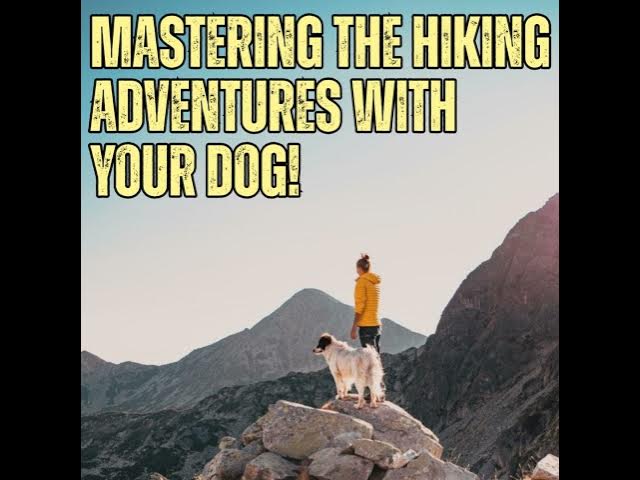
This episode is a practical guide for dog owners who want to start hiking with their dogs (https://doggozila.com/hiking-with-your-dog/) . It covers trail etiquette, picking dog-friendly routes, and the importance of following leash laws.
This episode also discusses how to prepare for a hike, including packing water, snacks, waste bags, and a first-aid kit. It stresses the need to know your dog’s fitness level before hitting the trail.
Overall, it’s a handy checklist for beginners ready to explore the outdoors with their pups.
For more information jump at the original article by Doggozila Magazine and read the guide "Hiking with your dog (https://doggozila.com/hiking-with-your-dog/) "
Show More Show Less View Video Transcript
0:00
Welcome to another episode of BART
0:01
Brigade podcast by Dogazilla Magazine.
0:04
Today we're doing a deep dive into
0:05
something I think a lot of us dream
0:07
about, hitting the trail with our dogs.
0:10
But we want to go beyond just the basics
0:12
and really talk about how to transform
0:13
that excitement into an experience that
0:16
is, you know, safe, responsible, and
0:18
actually rewarding for everyone
0:20
involved.
0:20
>> It really is the ultimate picture, isn't
0:22
it? You and your dog on a scenic
0:23
overlook. But getting to that picture,
0:26
well, that's where the work comes in. It
0:28
only happens if the preparation is
0:29
really solid.
0:30
>> Exactly. And that's what we're here for.
0:32
We're synthesizing all the core
0:33
knowledge from Dougella Magazine's
0:35
fantastic guide, Hiking with your dog,
0:39
Outdoor Adventures.
0:40
>> And this guide is uh it's incredibly
0:43
thorough. It's basically a complete road
0:45
map covering everything from the gear
0:46
you need before you leave the house to,
0:49
you know, what to do if you come face to
0:50
face with wildlife on the trail. Our
0:52
mission here is to pull out the most
0:54
vital actionable information from that
0:56
guide. We know you listening aren't
0:59
beginners. You already love the
1:00
outdoors.
1:01
>> This is about getting that expert level
1:03
knowledge, that shortcut to being
1:05
perfectly prepared.
1:07
>> Yeah. We want to make sure every single
1:08
adventure you take actually deepens that
1:11
bond you have with your dog instead of
1:12
causing uh disruption or risk.
1:15
>> Right. No stress, just good times.
1:18
What's really fascinating about what the
1:20
guide lays out is that safety and
1:22
enjoyment, they really come from
1:24
proactive choices. They don't come from
1:26
just reacting to things on the trail.
1:28
>> That's a great point.
1:29
>> I mean, if you wait until you're halfway
1:31
up a mountain to realize your dog is
1:32
exhausted or you run into a sign that
1:34
says no dogs and you missed it online,
1:36
you've well, you've already compromised
1:37
the whole day.
1:38
>> You're in a bad spot.
1:39
>> Exactly. So, we're here to make that
1:41
preparation not just seamless, but you
1:43
know, really, really informed.
1:45
>> Okay, let's unpack that. Let's get into
1:47
the groundwork. Starting right where you
1:49
have to start, picking the perfect
1:51
trail. It sounds so simple, but the
1:53
guide really emphasizes this isn't just
1:55
about finding a trail that says dogs
1:57
allowed.
1:58
>> Not at all. It's about finding a trail
2:00
that fundamentally suits your specific
2:02
dog, their needs, their physical
2:04
ability. It all starts there.
2:06
>> So, we're in section one now, the
2:08
foundation. This is all the prehike
2:09
planning and assessment.
2:10
>> Yeah.
2:11
>> And first up, as you said, selecting
2:13
that trail.
2:14
>> Precisely. You know, you start with the
2:16
basics, researching trails that
2:18
explicitly allow dogs. That's step one,
2:20
the easy part. But the real key, the
2:23
thing that makes or breaks the hike is
2:24
matching the trails difficulty to your
2:26
dog's actual fitness level.
2:28
>> And that seems to be where people can
2:29
really misjudge things.
2:31
>> Especially if you have a high energy
2:32
dog, it's so easy to overestimate what
2:35
they can actually handle when you're
2:37
excited about a new place.
2:38
>> Oh, absolutely. It happens all the time.
2:39
>> So, what are the specific criteria? How
2:42
should you, the owner, really assess
2:44
that match between your dog and the
2:46
trail you're looking at?
2:47
>> The assessment has to be uh really
2:50
comprehensive. You need to look closely
2:52
at three main things. The terrain, the
2:55
total distance, and the elevation gain.
2:58
>> Okay, let's break that down. Terrain
3:00
first.
3:00
>> Terrain is huge. A softpacked dirt trail
3:03
is a completely different world from a
3:05
trail that's covered in, say, sharp
3:07
shale rock or jagged volcanic rock,
3:10
>> right? One is a pleasant walk, the other
3:12
is like walking on glass for them.
3:14
>> Exactly. And if you ignore that, you're
3:16
heading straight for paw injuries, which
3:17
are I mean probably one of the most
3:19
common reasons a hike gets cut short.
3:21
>> Okay. So then distance and elevation,
3:23
how does that translate differently for
3:25
say a corgi versus golden retriever? I
3:28
mean, a steep climb is tough for anyone,
3:31
but dogs handle heat and exertion so
3:33
differently than we do.
3:34
>> That's a fantastic point. The guide is
3:36
very specific here. It says, "If you
3:38
have a small breed, think about a
3:39
dachshund with its short legs or maybe
3:41
an older dog of any breed, you
3:43
absolutely must pick shorter, much less
3:45
strenuous options,
3:46
>> even things we wouldn't think about,
3:47
right? Like big rocks on the path.
3:50
>> Yes. For a small dog, stepping over a
3:53
large tree route is a major physical
3:55
effort. It's like rock climbing for
3:56
them. And for an older dog, that steep
3:59
elevation gain puts enormous,
4:01
potentially harmful stress on their
4:03
aging joints. even if they seem really
4:05
excited at the start of the trail,
4:06
>> especially then.
4:08
>> Adrenaline can mask a lot. The guide
4:10
offers a really good rule of thumb. Take
4:12
whatever you think you can do, your
4:14
normal human pace and distance, and cut
4:16
it by about 25% when you're hiking with
4:18
your dog, at least at first.
4:20
>> That's a great practical tip. So, beyond
4:22
the trails difficulty, what about the
4:24
environment of the trail itself? You
4:26
mentioned heat.
4:27
>> Absolutely. You have to be proactive
4:29
about this. Look for trails that have
4:31
plenty of shade cover. Are there
4:32
available water sources like a clean
4:34
stream? We'll talk about the safety of
4:36
those later, but it's good to know if
4:38
they're there.
4:38
>> Are there spots to rest?
4:40
>> Exactly. Designated rest stops or even
4:42
just some nice flat shady areas. These
4:45
things become uh non-negotiable when the
4:47
temperature gets above, say, 70° F. Dogs
4:51
can overheat so much faster than we can.
4:54
>> And that leads us to the uh the pesky
4:56
part, the regulations. We know state and
4:58
national parks often have dog friendly
5:00
trails, but the guide is really firm on
5:04
checking specific rules beforehand. Why
5:06
is that so critical?
5:08
>> Because permission is almost never a
5:09
blanket. Yes, dogs are welcome
5:12
everywhere. Experienced hikers know
5:14
this. Regulations are often hyper local
5:16
and they can change.
5:17
>> So, a trail that was open to dogs last
5:19
summer might not be this year. It's
5:21
entirely possible a specific trail might
5:24
be closed to protect fragile wild
5:25
flowersowers in the spring or uh during
5:28
a certain bird's nesting season. You
5:30
might find a sign that says no dogs
5:32
beyond this point. You have to respect
5:34
that.
5:34
>> And it's not just about avoiding a fine.
5:36
>> Not at all. It's about protecting those
5:38
fragile habitats and making sure we all
5:40
continue to have access to these
5:41
beautiful places with our dogs in the
5:43
future.
5:43
>> Okay. So, once you've done your research
5:45
and you have a trail in mind, the focus
5:47
really pivots back to your dog.
5:49
Let's talk about assessing and
5:51
conditioning their fitness.
5:52
>> Right? This starts with a really honest
5:54
evaluation. It's not about what you wish
5:56
your dog could do. It's about what they
5:58
can actually do right now.
5:59
>> So, what are the factors you're looking
6:01
at?
6:01
>> Age, breed, and their general health.
6:05
Those are the big three. And the guide
6:07
gives a pretty crucial warning here. You
6:09
have to adjust your expectations based
6:11
on the breed.
6:12
>> You mean like the short-nosed breeds?
6:14
>> Exactly. Brachy syphalic breeds like
6:17
bulldogs or pugs. They have a much lower
6:20
endurance and they are incredibly
6:22
susceptible to heat stroke. A long high
6:25
elevation hike is just not a suitable
6:27
activity for them no matter how old they
6:29
are.
6:29
>> And on the flip side, even a super high
6:32
stamina dog like a Vizla still needs to
6:34
be watched carefully.
6:35
>> For sure. You have to be brutally
6:36
honest. Do they have any existing health
6:39
issues? Arthritis, a heart murmur,
6:41
anything like that dramatically lowers
6:43
their safe exertion level. So, you can't
6:45
just jump into a 10-mi loop on a
6:47
Saturday. What's the strategy the guide
6:49
recommends for building up their
6:50
stamina?
6:51
>> It's that classic, safe, gradual
6:53
approach, but you need to be methodical.
6:56
The guide says to start with hikes that
6:59
are well within their current ability.
7:01
Maybe that's just a mile or two on flat
7:02
ground.
7:03
>> And then you build from there.
7:04
>> And you build from there. You gradually
7:06
increase the distance and the difficulty
7:08
over a period of weeks, not days. This
7:10
lets their muscles, their cardiovascular
7:12
system, and just as importantly, their
7:14
paw pads adapt and get stronger safely.
7:17
>> That's how you prevent injuries,
7:19
>> right? You prevent those acute injuries
7:21
like muddle tears, and you also make
7:22
sure they actually enjoy it. You don't
7:24
want them to associate hiking with just
7:26
being exhausted and in pain.
7:28
>> Okay, so let's say you're in that
7:30
conditioning phase or you're on the hike
7:32
itself. What are the more subtle signs
7:34
of fatigue that tell you it's time for a
7:36
break or maybe even time to turn back?
7:38
We all know panting, but what else?
7:40
>> This is where you really have to be a
7:42
student of your own dog. The guide
7:44
points out three big red flags beyond
7:47
just heavy panting.
7:48
>> Yeah.
7:49
>> First, look at their saliva. Is it
7:51
excessive? Is it thick or stringy? That
7:54
can be a sign they're really struggling
7:55
to cool down.
7:56
>> I've seen that before. What's the
7:57
second?
7:57
>> The second is a change in their gate.
8:00
Are they starting to drag their back
8:02
feet a little bit? Are their steps
8:03
getting shorter? That's a clear sign of
8:06
muscle fatigue setting in. And the third
8:08
is more behavioral.
8:09
>> Yes. Loss of interest. Is your dog who
8:12
is normally sniffing everything suddenly
8:14
just trudging along? Are they reluctant
8:17
to be in the lead anymore? Or are they
8:20
constantly looking back at you almost
8:22
nervously?
8:24
>> So, if your dog just flops down in a
8:26
patch of shade and doesn't want to get
8:27
up,
8:27
>> you've likely found their limit for the
8:29
day. And the guide is really clear.
8:31
Pushing past that point is dangerous. If
8:34
you see those signs, the right call is
8:36
always to find shade, rest for a good 15
8:39
minutes, or just cut the hike short.
8:41
>> You have to be their advocate. Yeah.
8:42
>> Your mileage goal for the day doesn't
8:44
matter more than their safety.
8:45
>> 100%.
8:46
>> Okay, let's shift to the logistics, the
8:48
preparation. Before we even talk about
8:50
harnesses and booties, the health
8:52
prerequisites seem like the absolute
8:54
starting line.
8:55
>> They are totally vital. Before you even
8:57
think about packing, you have to ensure
8:59
your dog is up to date on all their
9:01
vaccines, especially things like rabies
9:03
and uh leptocerosis since they might be
9:06
drinking from puddles or streams
9:08
>> and parasite prevention is a big one.
9:10
>> Huge flea tick and heartworm medication
9:13
has to be current. You're taking them
9:14
into the woods where the exposure risk
9:16
is just so much higher.
9:18
>> The guide also mentioned something
9:19
interesting, bringing their medical
9:21
records with you, especially if you're
9:22
traveling to a new area. Why is that so
9:25
important?
9:25
>> Think about it. If you're hiking a few
9:27
states away and something happens, you
9:29
might have to rush them to a vet who has
9:31
never seen your dog before.
9:32
>> Oh, right.
9:33
>> Having those records, their vaccination
9:35
history, any known conditions, their
9:38
microchip info, it saves crucial time in
9:41
an emergency. It helps that new vet make
9:43
a fast, accurate assessment.
9:45
>> Okay. And training. It's not just for
9:47
good manners. The guide frames it as a
9:50
safety tool. We all know come and stay.
9:53
But let's really dive into leave it in a
9:55
trail specific context.
9:56
>> Leave it is without a doubt the single
9:59
most important command for hiking. I
10:01
mean on a trail, leave it isn't about
10:04
ignoring a dropped piece of pizza.
10:05
>> It could be life or death.
10:07
>> It really could.
10:08
>> It needs to work instantly when they're
10:10
about to sniff a potentially toxic
10:12
mushroom or some animal scat that could
10:14
carry diseases or even get too close to
10:16
a snake.
10:17
>> And that means you have to practice it
10:18
in distracting environments, not just in
10:21
your living room. You have to proof that
10:23
command at a very high level. It needs
10:24
to be automatic. These commands keep
10:26
your dog safe and they also, you know,
10:29
keep other hikers comfortable. Not
10:30
everyone wants a strange dog running up
10:32
to them.
10:33
>> For sure. Okay, let's talk gear. The fun
10:36
stuff. If you're packing your bag for a
10:39
serious day hike, what's on the
10:41
non-negotiable packing list?
10:43
>> The guide breaks it down really well.
10:45
First up, the obvious but critical.
10:48
Hydration and food. That means enough
10:50
water for both of you, and you should
10:52
always carry more than you think you'll
10:53
need.
10:54
>> And a way to give it to them,
10:55
>> right? A collapsible bowl that can clip
10:57
onto your pack is perfect. Plus some
10:59
highv value treats for training and
11:01
reinforcement on the trail and enough of
11:03
their regular food for energy.
11:05
>> Okay. What about control gear? We've
11:07
talked about the leash needing to be
11:09
short.
11:10
>> Yes. For identification and control, you
11:12
need a sturdy fixed length leash,
11:15
ideally 6 feet or shorter. That gives
11:16
you real proximity control. And the
11:19
guide highly, highly recommends a
11:21
well-fitted hiking harness, not just a
11:24
collar.
11:24
>> Why the emphasis on a harness
11:26
specifically for hiking?
11:28
>> It's a gamecher. A good hiking harness
11:30
distributes pressure off their neck,
11:32
which is safer. But more importantly,
11:34
many of them have a handle on the back.
11:36
>> Oh, yeah. The grab handle.
11:37
>> That handle is amazing. It lets you
11:38
quickly lift or stabilize your dog over
11:40
a tricky obstacle or if you need to pull
11:42
them close suddenly. And of course,
11:44
proper ID tags on the harness or collar
11:47
with your cell number. And what about
11:48
the safety items that people often
11:50
forget?
11:51
>> This is a big one. A comprehensive pet
11:54
first aid kit. And it has to be a pet
11:56
kit. It needs things like paw specific
11:59
bandages and antiseptic, non-stick
12:01
gauze, vet wrap, things you won't find
12:04
in a human kit.
12:05
>> And your emergency contact info should
12:07
be in there, too.
12:07
>> Exactly. And if you're going somewhere
12:09
remote, a physical map of the trail and
12:12
a whistle or some kind of signaling
12:14
device is a smart move. Finally, the
12:17
specialized gear that depends on where
12:18
you're going,
12:19
>> right? Specific weather gear. Depending
12:21
on the conditions, this could mean dog
12:23
booties to protect their paws from rough
12:25
terrain or extreme temperatures, hot or
12:27
cold,
12:27
>> or a jacket for a short-haired dog in
12:29
the cold.
12:30
>> For sure, an insulating jacket is a must
12:32
for some breeds. The main takeaway from
12:34
the gear section is that you need to be
12:36
completely self-sufficient. Every item
12:39
is there to manage risk so you can
12:40
handle problems on your own, right when
12:42
they happen. It's about responsible
12:44
autonomy. That's a great way to put it.
12:47
Okay, that self-sufficiency brings us
12:49
perfectly into our next section.
12:51
Mastering trail etiquette. This isn't
12:53
just about rules. It's about being a
12:55
good steward of the trail for everyone.
12:57
>> Exactly. And the foundation of all of
12:59
it, the absolute starting point is leash
13:02
laws and paying attention to the trail
13:04
signs.
13:05
>> The message in the guide on this is uh
13:08
pretty direct.
13:08
>> It's crystal clear, non-negotiable. The
13:12
leash mandate. Keep your dog on a leash
13:15
six feet or shorter to maintain control
13:17
at all times. It's a shield that
13:19
protects your dog, other people, and the
13:22
wildlife.
13:23
>> Now, I know we've all heard it from
13:24
other hikers. Oh, but my dog has perfect
13:26
recall. They want to use a long line or
13:29
let them off leash for more enrichment.
13:32
How does the guide tackle that?
13:34
>> It advises very strongly against it.
13:36
Retractable leashes, especially give you
13:38
almost zero control if a dog suddenly
13:40
bolts. They can cause serious injury to
13:42
both you and the dog.
13:43
>> And even the best trained dog can have a
13:45
bad moment.
13:46
>> Of course, that's the thing. Even a
13:47
perfectly trained dog is still a dog.
13:49
Their instincts can take over. They see
13:50
a deer and that recall training can go
13:52
right out the window,
13:53
>> which causes a lot of stress for the
13:55
deer.
13:55
>> A ton of stress. And in some sensitive
13:58
areas, even just the scent of an off
14:00
leash dog can disrupt nesting birds or
14:02
drive other animals out of their natural
14:04
habitat. The six-foot leash is just a
14:07
guarantee of control. It's simple and it
14:09
works. And what about those trail signs?
14:11
You mentioned they can change.
14:12
>> You have to think of trail signs as the
14:13
local operating manual for that day.
14:16
They'll tell you if there are specific
14:17
leash rules, like maybe it has to be a
14:19
4ft leash in a hight traffic area
14:21
>> or seasonal restrictions,
14:23
>> right? Maybe no dogs for a few weeks
14:25
because of sensitive plant growth. They
14:27
also tell you the rules of the road, who
14:29
yields to whom. You have to read every
14:31
sign every time. The worst mistake is
14:33
assuming the rules are the same as last
14:34
year.
14:35
Okay, so that leads us to mindfulness on
14:38
the trail, being a good trail citizen.
14:41
What is the official hierarchy for
14:43
yielding the right of way?
14:45
>> The rule is pretty much universal in the
14:47
hiking community. You and your dog yield
14:49
to everyone. Hikers coming uphill,
14:51
runners, mountain bikers, and especially
14:54
horseback riders.
14:55
>> And how do you do that properly? What
14:56
does yielding actually look like with a
14:58
dog?
14:59
>> It's very specific. When you see someone
15:01
else approaching, you step completely
15:03
off the main path. You have your dog sit
15:05
right next to you on a short leash and
15:07
you wait
15:08
>> and you stay there until they're well
15:09
past you
15:10
>> until they are a safe distance away. You
15:12
don't just sort of shuffle to the side.
15:13
You get completely out of the way.
15:15
>> Why is that so important? Especially for
15:17
someone moving fast like a biker.
15:19
>> It's about speed and unpredictability.
15:22
A biker might not be able to stop
15:24
quickly and they're assuming the path
15:25
ahead is clear. Stepping completely off
15:28
prevents your dog from lunging or
15:29
getting tangled up.
15:30
>> And with horses, it's even more
15:32
critical. Oh, absolutely. A sudden bark
15:35
or movement from your dog could spook a
15:37
thousand lb animal. That's incredibly
15:40
dangerous for the rider, the horse, and
15:42
your dog. The guide even suggests
15:44
talking calmly to the rider as they
15:45
pass. Just saying something like, "Hi
15:48
there. We're safely off to the side to
15:50
help reassure the horse with a human
15:51
voice."
15:52
>> That's a great tip. Now, wildlife,
15:55
what's the protocol when you spot an
15:57
animal on the trail?
15:58
>> The golden rule is control, control,
16:00
control. Your dog must be leashed and
16:02
right next to you. If you see wildlife,
16:06
it doesn't matter if it's a squirrel or
16:07
a moose. Your first action is to shorten
16:10
that leash and get their attention.
16:12
>> This is where that leave it command
16:13
comes in. Again,
16:14
>> this is a prime time for it. Use leave
16:17
it. Reel them in close and stay calm
16:19
yourself. Your calm energy travels right
16:21
down the leash. You want to make sure
16:22
your dog doesn't see the animal as
16:24
something to chase or bark at.
16:26
>> And what if it's a large animal like a
16:27
deer that's just standing there? What's
16:28
the move?
16:29
>> You stay calm. You maintain your
16:31
distance and you slowly back away facing
16:34
the animal. You never ever turn and run.
16:37
That can trigger a prey drive response.
16:40
With large animals, you have to remember
16:42
that they might see your dog as a
16:44
predator, which could lead to a
16:45
defensive charge,
16:46
>> right? So, keeping your dog calm and
16:48
close deescalates the whole situation.
16:51
>> It's everything. Finally, there's social
16:53
consideration. You have to accept that
16:55
not everyone loves dogs, even on a dog
16:57
friendly trail. This is so important for
16:59
keeping trails open to dogs.
17:01
>> It really is. People have phobias, they
17:03
have allergies, or maybe they just want
17:05
to enjoy nature in peace. You have to be
17:08
proactive. When you see other people,
17:10
keep your dog close. The guide
17:12
highlights what it calls the permission
17:14
rule,
17:14
>> which is
17:15
>> always ask before you let your dog
17:17
approach someone. Even if your dog is
17:18
the friendliest dog in the world, you
17:20
never let them run up to a stranger
17:22
without explicit verbal consent.
17:25
>> Right? A simple is it okay if he says hi
17:29
goes a long way.
17:29
>> A very long way.
17:31
>> Okay. Now for what might be the ultimate
17:32
test of a responsible owner waste
17:35
management. This is all about the leave
17:38
no trace or L&T principle.
17:40
>> And the responsibility here is total.
17:42
The guide is emphatic. You must pack
17:44
waste bags and you must properly dispose
17:46
of all dog waste. Period.
17:48
>> Let's get into the technicals here
17:50
because I think a lot of people think,
17:51
well, a bear goes to the bathroom in the
17:53
woods, so why can't my dog? Why is dog
17:55
way so different?
17:56
>> That is such an important question.
17:58
Ecologically, it's completely different.
18:00
Domestic dog diets are full of proteins
18:02
and nutrients that are not native to
18:04
that wild ecosystem. But even more
18:07
importantly, domestic dogs can carry
18:08
pathogens, things like specific strains
18:11
of giardia, ecoli, and round worms that
18:14
the local wildlife has no immunity to.
18:17
>> So, you're basically introducing foreign
18:18
bacteria into the water supply and the
18:21
soil.
18:22
>> Exactly. you're potentially harming
18:24
wildlife and creating a health risk for
18:26
other hikers and their pets,
18:28
>> which makes the pack it out rule make so
18:29
much more sense.
18:31
>> But we've all seen them. Those little
18:33
plastic bags of poop left neatly tied up
18:35
on the side of the trail.
18:36
>> H yes, and that is a massive failure of
18:39
the L&T principle. The guide is uh
18:41
extremely clear on this. You must carry
18:43
the bags out with you,
18:44
>> even if there are no trash cans at the
18:46
trail head.
18:47
>> Especially then, you must carry it all
18:49
the way home. Leaving a plastic bag full
18:51
of poop is actually worse than leaving
18:52
the poop itself
18:54
>> because now you have this
18:55
nonbiodegradable plastic container that
18:57
will sit there for hundreds of years.
18:59
Wildlife might try to eat it. It's an
19:01
eyes sore. It's just awful.
19:02
>> So, what's the best practice for
19:04
carrying it?
19:05
>> A good tip is to get a smellproof
19:07
container or a dedicated pouch that
19:09
clips to the outside of your backpack.
19:11
That way, you don't have to carry it in
19:13
your hand or put it inside your pack.
19:14
But either way, it has to go with you.
19:17
>> Okay. After all those rules, let's talk
19:19
about the fun part that makes it all
19:21
work. Positive reinforcement. Why is it
19:24
so key for good trail behavior?
19:27
>> Because it's how you build a dog that
19:29
wants to be a good hiking partner. When
19:31
your dog does something right, like they
19:34
walk calmly past another dog or they
19:36
ignore a squirrel after you say leave
19:37
it, and you instantly reward them with a
19:39
high value treat or praise,
19:41
>> they start to connect good behavior with
19:43
good things happening.
19:44
>> Precisely. They learned that hiking is
19:46
this really fun game where listening to
19:48
you leads to awesome rewards. It
19:50
strengthens your bond and sets clear
19:53
expectations.
19:54
>> How does this help with a more
19:55
challenging dog, say one that's a little
19:57
reactive on the trail?
19:58
>> It's really the only effective long-term
20:00
strategy. If your dog sees another dog
20:03
and instead of barking, they look back
20:04
at you for guidance, that is a moment
20:07
you reward them. You're rewarding their
20:09
choice to check in with you instead of
20:11
reacting.
20:11
>> You're building a new habit.
20:12
>> You're building a new default behavior.
20:14
And over time, the dog starts to see the
20:16
whole trail, even the tricky parts, as
20:19
an opportunity to earn praise and treats
20:21
from you.
20:22
>> And the long-term benefit of that is
20:23
huge.
20:24
>> It's everything. It's about
20:25
sustainability and confidence. It
20:27
creates this feedback loop where your
20:29
dog trusts you, looks forward to hiking,
20:31
and becomes a truly reliable partner.
20:33
That trust extends way beyond just the
20:36
trail.
20:37
>> That makes perfect sense. Okay, we've
20:38
laid the foundation. We've covered
20:40
etiquette. Now, let's pivot to section
20:42
three, navigating environmental
20:45
challenges. This is about physical
20:47
safety and managing those external
20:49
risks.
20:49
>> Yes. And this starts with the absolute
20:52
basics of biology, hydration, and
20:54
nutrition. It's so easy for owners to
20:57
focus on their own water bottle and
20:58
forget their dog is working just as
21:00
hard, if not harder.
21:02
>> So, how much water is enough, and how
21:04
often should you be offering it?
21:05
>> The guide says to carry plenty of water
21:07
for both of you and to offer it
21:09
frequently. A good rule is to offer a
21:12
water break every 20 or 30 minutes or
21:14
basically anytime you stop for a sip
21:16
yourself.
21:17
>> Now, a lot of trails have streams or
21:19
lakes. What are the risks of just
21:21
letting your dog drink from those?
21:23
>> The biggest risk is waterborne
21:25
pathogens. We mentioned giardia and
21:27
leptosperosis before, and those are a
21:29
real danger. They can make your dog and
21:31
you incredibly sick.
21:33
>> So, what's the advice? Avoid it all
21:34
together. The guide strongly advises
21:37
against letting them drink from stagnant
21:39
or slowmoving water if it's a very
21:41
fastmoving clear stream. The risk is
21:43
lower, but it's never zero. The safest
21:47
bet is to either filter the water for
21:49
them just like you would for yourself or
21:51
simply carry enough clean water from
21:52
home. Don't rely on finding safe water
21:55
on the trail.
21:56
>> And what about food? How do you keep
21:57
their energy up on a long hike?
21:59
>> You should pack some lightweight and
22:00
nutrient-dense snacks for them, not just
22:02
empty calie treats. Think about their
22:05
regular high protein kibble or maybe
22:07
some special hiking bars for dogs that
22:09
you can cut into small pieces. You give
22:11
these during rest breaks to keep their
22:13
energy levels stable.
22:15
>> And this is where that collapsible bowl
22:16
is so handy again.
22:17
>> Exactly. It's lightweight, convenient,
22:20
and it also signals to the dog that it's
22:22
officially break time.
22:24
>> Let's talk weather. This might be the
22:26
single biggest risk factor, especially
22:28
in the mountains where it can change in
22:30
an instant. Let's start with hot
22:32
weather. Hot weather is extremely
22:33
dangerous for dogs. They just can't cool
22:35
themselves efficiently. So, the guide
22:37
says first schedule your hikes for
22:39
cooler times before 9:00 a.m. or after
22:42
5:00 p.m. in the summer and pick trails
22:44
with a lot of shade.
22:45
>> But you also have to be watching your
22:46
dog constantly.
22:47
>> What are the more advanced signs of heat
22:49
stroke beyond just heavy panting?
22:51
>> You need to look for panting that
22:52
becomes labored, shallow, and frantic.
22:55
Look at their drool. Is it really
22:57
profuse and sticky? Check their gums.
22:59
Are they bright, brick red, or even
23:01
bluish? Are they starting to stagger or
23:03
seem lethargic?
23:04
>> And if you see those signs, it's an
23:06
emergency.
23:07
>> It is an absolute emergency. You need to
23:09
stop immediately, find the coolest shade
23:11
you can, and soak their paw pads and
23:13
stomach area with cool, not ice cold
23:16
water. And you need to be thinking about
23:18
how to get them back to the car and to a
23:20
vet. Using cooling vests or pads
23:23
proactively can help prevent you from
23:25
ever getting to that point.
23:26
>> Okay. On the flip side, cold weather.
23:28
This can be just as dangerous, leading
23:30
to hypothermia.
23:31
>> Yes, especially for certain breeds. If
23:34
you're hiking in the cold or snow, you
23:35
have to think about your dog's natural
23:37
insulation. A short-haired dog or a
23:39
skinny breed like a greyhound might
23:41
absolutely need an insulated coat or
23:43
sweater. They're burning a ton of
23:45
calories just to stay warm.
23:47
>> And what are the warning signs for
23:48
hypothermia?
23:49
>> Uncontrollable shivering is the first
23:50
sign. Then weakness, muscle stiffness,
23:53
pale gums, and shallow breathing. If you
23:55
see that, you need to intervene
23:57
immediately. Wrap them in an emergency
23:59
blanket, get them to shelter, and use
24:01
your own body heat to help warm them up
24:03
slowly while you make a plan to get
24:05
help.
24:05
>> Finally, what about those sudden weather
24:07
changes? The afternoon thunderstorm that
24:09
rolls in out of nowhere.
24:10
>> The guide stresses being prepared for
24:12
the unexpected. You always check the
24:14
forecast, but you don't just trust it
24:15
blindly. You should have a lightweight
24:17
portable emergency shelter or at least a
24:20
rain cover packed. And the golden rule
24:22
is flexibility. If the weather looks
24:24
bad, high winds, lightning, it is always
24:27
always better to postpone the hike or
24:29
turn back early.
24:30
>> The trail will be there another day.
24:32
>> Exactly. Your dog's well-being comes
24:35
first.
24:36
>> Okay, let's circle back to paws. We
24:38
mentioned it with terrain, but it's such
24:39
a crucial safety point. Why does this
24:42
need so much attention?
24:44
>> Because rough terrain is just incredibly
24:46
tough on their paws. They aren't wearing
24:48
hiking boots like we are. They're
24:50
susceptible to deep cuts from sharp
24:52
rocks, abrasions from rough surfaces,
24:55
and even blisters from hot pavement or
24:57
sand. Paw protection is probably the
24:59
number one thing you can do to prevent a
25:01
hike ending injury.
25:02
>> So, what are the best options? The guide
25:04
mentions paw wax and boots. When do you
25:06
use which?
25:07
>> It really depends on the trail. Paw wax,
25:09
which is like a thick balm, creates a
25:12
protective barrier. It's great for
25:14
well-maintained trails or maybe in mild
25:16
snow to prevent ice balls from forming
25:19
between their toes.
25:20
>> But for more serious terrain,
25:22
>> if you are tackling a really rocky trail
25:24
or sharp volcanic rock or even very hot
25:27
ground, you need to invest in a good set
25:30
of dog hiking boots. They offer real
25:33
robust protection.
25:35
>> The key, I imagine, is getting a good
25:37
fit.
25:37
>> A perfect fit. And you have to break
25:39
them in before you go on a long hike.
25:41
You can't just put them on for the first
25:42
time at the trail head. They'll cause
25:44
chafing and blisters and your dog will
25:46
hate them.
25:47
>> And you need to be checking their paws
25:48
throughout the day.
25:49
>> Absolutely. The guide says to inspect
25:51
their paws for cuts, scrapes, or any
25:53
debris like thorns every time you take a
25:55
break. And then you do a really thorough
25:57
inspection after the hike is over. You
25:59
clean out anything that's stuck in there
26:00
to prevent infections.
26:01
>> And just to quickly reiterate on gear,
26:04
>> the harness is key.
26:05
>> The gear has to be high quality and well
26:07
fitted. a good hiking harness that fits
26:09
snugly but doesn't chafe, a reflective
26:12
collar with ID tags for visibility, and
26:15
you adjust their clothing jackets,
26:17
cooling vests based on the conditions.
26:19
It's an investment in their safety.
26:21
>> Okay, let's talk about that moment where
26:23
all this training and control really
26:25
gets put to the test,
26:26
>> right?
26:26
>> Encountering wildlife,
26:28
>> right? And the first rule again is
26:30
absolute control via the leash.
26:32
>> There's no exception.
26:33
>> No exception. You have to keep the dog
26:35
leashed and under your immediate control
26:37
to prevent any interaction. Even if your
26:39
dog is just curious, that curiosity can
26:42
be seen as a threat by a wild animal.
26:44
>> What about those high-risk areas like
26:46
bear country or places with moose? What
26:48
extra steps does the guide recommend?
26:50
>> The preparation has to be layered. In
26:52
bear country, the guide advises carrying
26:54
bear spray where it's easily accessible,
26:56
and you absolutely must know how to use
26:58
it. It's a tool of last resort,
27:00
>> and prevention is the best tool.
27:02
>> Exactly. making noise talking. Wearing a
27:04
bearbell is often the best way to avoid
27:07
surprising an animal. For something like
27:09
a moose, which can be very defensive,
27:11
you give them a huge amount of space.
27:13
Never ever get between a mother and her
27:15
calf.
27:16
>> And if you do see an animal and it
27:17
hasn't seen you, what's the textbook
27:20
response to retreat safely?
27:22
>> You stay calm. You keep your dog close
27:24
and quiet. And you slowly back away,
27:27
increasing the distance while still
27:29
facing the animal. You don't make sudden
27:31
movements. you don't run. The goal is
27:33
always deescalation and a safe, measured
27:36
retreat.
27:37
>> We've covered a ton of ground on
27:38
preparation and on trail behavior. Let's
27:41
move to our final section, which is
27:43
about ensuring this is a fun, long-term
27:45
activity. It's about socialization and
27:47
post-adventure care,
27:48
>> right? Because before hiking can be a
27:50
real pleasure, your dog has to be
27:52
mentally ready for it. That means they
27:54
need to be comfortable around all kinds
27:55
of new things, strangers, other dogs,
27:57
bikes, weird sounds. If your dog is
28:00
super reactive in your own neighborhood,
28:02
the trail is not the right place for
28:03
them yet.
28:04
>> So, how do you build that confidence?
28:06
>> Through gradual, controlled exposure.
28:09
You can take training classes that focus
28:11
on this or just spend time in busy but
28:13
manageable environments. The goal is to
28:16
teach your dog that all these new things
28:18
are not a big deal. A passing biker is
28:21
just something to observe, not react to.
28:24
>> And you need to actively train against
28:26
those really annoying trail behaviors.
28:28
Yes, you have to explicitly train
28:30
against things like jumping on people,
28:31
which is a huge no no, or begging for
28:34
food from other hikers or excessive
28:36
barking. And again, the key is to reward
28:38
the calm behavior. When someone walks by
28:41
and your dog just sits there calmly,
28:42
that's when they get the jackpot reward.
28:44
>> The hike isn't over when you get back to
28:46
the car.
28:46
>> Yeah.
28:47
>> Let's talk about afterhike care. What
28:49
are the immediate needs?
28:51
>> The immediate needs are all about
28:52
replenishment. As soon as you can, offer
28:54
them fresh water and some food to
28:56
restore their energy. They've just done
28:58
a serious workout and they need to
28:59
refuel to start recovering properly.
29:01
>> And then comes a full health and safety
29:03
check. What are you looking for?
29:04
>> It needs to be a detailed toptobottom
29:06
inspection. You focus heavily on their
29:09
paws, get in between the pads and check
29:11
for any cuts or thorns. Then you run
29:13
your hands all over their coat and skin,
29:15
feeling for ticks, burrs, or any
29:17
scrapes. Ticks have to be removed
29:20
immediately and correctly.
29:21
>> And you're checking for soreness, too.
29:23
>> Yes. You gently check their joints and
29:25
muscles for any heat or swelling that
29:27
might indicate a strain. Finding and
29:29
addressing any little issue right away
29:31
prevents it from becoming a big problem
29:33
later.
29:33
>> And finally, the reward, the rest and
29:36
recognition.
29:37
>> After a tough hike, your dog needs
29:39
plenty of good, undisturbed rest. And
29:41
just as important is the positive
29:43
reinforcement. Once they're cleaned up
29:45
and fed, shistler them with praise and
29:47
affection. This whole process reinforces
29:50
that hiking is this wonderful bonding
29:52
experience that ends with comfort and
29:53
love. That's what builds that boundless
29:55
enthusiasm for the next trip.
29:57
>> So, after going through this whole
29:59
comprehensive guide, let's zoom out.
30:01
>> Why does all this stuff matter so much
30:02
in the big picture?
30:03
>> At the end of the day, it all comes down
30:05
to safety, enjoyment, and access. When
30:08
you're this prepared, you're ensuring
30:10
the hike is genuinely safe and fun for
30:12
both of you. You're not just reacting to
30:15
emergencies. They're actually present
30:16
and enjoying the journey.
30:17
>> And all that responsibility, which can
30:19
feel like a lot, it actually strengthens
30:21
the bond you have with your dog.
30:23
>> It absolutely does. You become this
30:25
trustworthy, reliable leader in their
30:28
eyes. They learn that you will keep them
30:30
safe in these complex new environments.
30:32
And at the same time, you're
30:34
contributing to a positive atmosphere
30:35
for everyone on the trail, which is what
30:37
keeps these places open to dogs. for all
30:39
of us.
30:40
>> The ultimate goal really is to have a
30:42
happy, confident hiking companion.
30:45
>> That's it. And that enthusiasm you see
30:47
in them, it's a direct result of all
30:49
this consistent, responsible preparation
30:51
and care.
30:52
>> This has been such an essential
30:53
practical guide. I think if we
30:55
synthesize the biggest takeaways,
30:56
they're pretty clear. A rigorous fitness
30:59
assessment that's honest about your
31:00
dog's breed and age.
31:02
>> A strict unwavering adherence to that
31:05
six-foot leash rule and the leave no
31:07
trace loss, which means packing out
31:10
absolutely everything.
31:11
>> Yes, every single bag.
31:12
>> And finally, just diligently adapting to
31:14
whatever the environment throws at you,
31:16
heat, cold, and protecting those paws on
31:19
rough terrain. You know, it brings up an
31:21
interesting thought for the future.
31:22
Given how much we're learning about
31:24
keeping pets safe in all these different
31:26
climates and terrains, it makes you
31:28
wonder how new gear might help even
31:30
more.
31:31
>> What do you mean?
31:32
>> Well, we talked about boots and
31:33
harnesses, but what about things the guy
31:35
mentioned in a sidebar, like advanced
31:37
GPS trackers to mitigate the risk of a
31:39
dog getting lost in a remote area, or
31:42
maybe specialized weather wear that
31:43
actively helps regulate their
31:45
temperature? It seems like technology is
31:47
constantly trying to narrow that gap
31:48
between great preparation and, you know,
31:51
being virtually foolproof.
31:52
>> That's a fascinating thought, something
31:54
to definitely mull over the next time
31:56
you're planning a trip into the back
31:57
country. Thanks for listening the Bark
31:59
Brigade podcast. If you want to continue
32:01
exploring on this topic, visit
32:03
Doggozilla magazine for healthy dog
32:05
lifestyle at dogazilla.com.
#Pets & Animals