Up next in 10


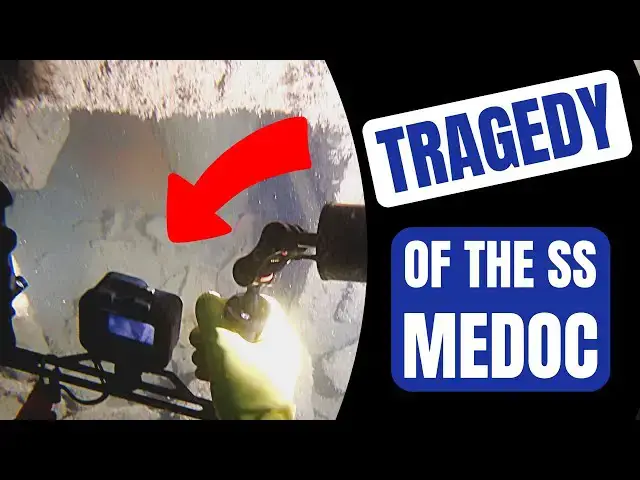
On 26 November, 1940, during #WW2, the SS Medoc was torpedoed by a Heinkel He111 flown by Oberleutnant zur See Helmut Lorenz off the Irish coast. But the real tragedy unfolded moments later—when the Medoc’s own depth charges detonated, causing catastrophic damage and a devastating loss of life among her #PolishNavy and British crew.
In this dive, I take you deep beneath the waves to explore the wreck of the SS Medoc using my #closedcircuitrebreather (CCR). Through exclusive underwater footage, we’ll examine the wreckage and uncover the chilling evidence of how her own defensive weapons sealed her fate. You’ll see firsthand the impact of the explosions, learn about the sequence of events, and discover the human stories behind this wartime disaster.
*Thanks*
Many thanks to the excellent SHIPS Project website for the majority of the information in this video - https://shipsproject.org/Wrecks/Wk_Medoc.html
*AP Overlay*
The AP 2020 Vision overlay is the latest Telemetry addition by @EricStott - you can watch his walk-thru video here - https://www.youtube.com/watch?v=zdnVcnH1iJQ
*Highlights*
00:00 Introduction
04:55 Release the PILL!
08:10 Main Armament
12:05 Octopus!
14:05 37mm ammunition
18:30 Screw
20:06 What happened to Helmut Lorenze?
25:06 More ammunition!
29:33 Forward AA Mount
33:33 100mm shell cases
38:00 Decompression Profile
*Support what I Do*
If you'd like to support what I do then please consider joining my channel - http://bit.ly/4kMVqCB
You also may wish to consider buying me a coffee 👉 https://buymeacoffee.com/d33puk ☕☕☕
*Kit I Use*
Note, some of these are affiliate links so help support making my videos:
- Gloves are Ansell Alphatec 87-063 - https://amzn.to/4jDHhX4
- Main torch is an Orcatorch D630 - https://amzn.to/4jlT4tA
- Backup torch is an Orcatorch D710 - https://amzn.to/4jhddRk
- Drysuit is an O-Three Ri2-100 - https://www.othree.co.uk/drysuit-range/ri-2-100-drysuit/
- CCR is an AP Diving Inspiration (XPD) - https://www.apdiving.com/
- Backup computer is a Shearwater Perdix v2 - https://amzn.to/42FXZOW
- Reels are by Kent Tooling - https://www.divingproducts.co.uk/
- Phone housing is Divevolk Seatouch 4 Max - https://s.click.aliexpress.com/e/_omJlNKL
- Stickers for gear by Dive Signs - https://www.divesigns.com/
*Video Gear*
I use the following gear (also affiliate links)
- Action Camera is Insta360 Acep Pro 2 - http://bit.ly/4nkMEwA
- Helmet mounted cameras are Paralenz Vaquita
- Video light is LetonPower Sealion L24 (10% off!) - http://bit.ly/4nFLCva
*Strobes*
I use two different strobes (also affiliate links)
-- Prozhaozhu 3000 Lumen Diving Strobe - https://s.click.aliexpress.com/e/_oBMRF3X
-- Prozhaozhu 4000 Lumen Diving Strobe - https://s.click.aliexpress.com/e/_oCTEses
- Jon clip - https://s.click.aliexpress.com/e/_oDqq0RW
📱Follow My Socials!
Instagram: https://www.instagram.com/deepwreckdiver/
Facebook: https://www.fb.com/DeepWreckDiver
Buy Me A Coffee: https://buymeacoffee.com/d33puk
Email: [email protected]
#DeepWreckDiving #CCRDiving #ShipwreckExploration #BritishIsles #MaritimeHistory #UnderwaterArchaeology #WreckDiving
Show More Show Less View Video Transcript
0:00
On 26th of November 1940, the SS Medok was torpedoed by a Hankl H1
0:08
flown by Uber Lieutenant Zerci Helmet Loren just outside Plymouth here in the
0:13
UK. But the real tragedy unfolded moments later when the Medok's own depth
0:20
charges detonated, causing catastrophic damage and a devastating loss of life
0:25
amongst her Polish and British crew. In this video, I'm going to talk you through this incident in far more
0:31
detail. And I'm also going to take you on a dive to review the remains of the SS Medok. As if that wasn't enough, I'm
0:39
also going to tell you the incredible tale of sea survival that occurred to Helmet Loren just weeks before he sunk
0:47
the Medok. The mere fact he was in an airplane at this time is uh is frankly amazing and shows I think how
0:54
expectations were very different in previous days on what is considered normal and what is considered
1:00
appropriate. But before we do that, let's go back to the Medok. It was built
1:05
in Scotland in 1930 and used by a French company as a freighter, but with the
1:12
declaration of war in 1939, it was taken up by the French Navy who fitted
1:18
armament to it and then used it as a patrol ship. Once France fell in mid
1:23
1940, it escaped over to the UK and was in the UK when uh it was actually seized
1:30
by the Royal Navy along with many many other vessels. At this point, of course, we were uncertain of what the uh the
1:37
French intentions were. So the Royal Navy took it over and then it was uh
1:42
nominally given to the Polish Navy and the skipper of the Medok was in fact a
1:47
pole and and two of the crew members were Poles but the rest of the crew were members of the Royal Navy. The French
1:53
had heavily armed her. She had 400 mm guns. She had two 37 mm anti-aircraft
1:59
guns, one at the bow, one at the stern, and then she had a whole load of machine guns in and around the bridge to further
2:06
add to stuff. She also had two depth charge throwers and 24 depth charges. So, this was a well-armed vessel and no
2:13
doubt the crew and the authorities expected them to make a significant contribution as a patrol vessel. And
2:20
that's what it was doing on the 29th of November when it headed out to sea accompanied by an armed troller, the
2:26
Lombard. The weather wasn't great with low cloud and visibility wasn't fantastic and they didn't get very far
2:33
when they spotted on the horizon a twin engineed aircraft. They signaled it to
2:39
see if it was uh it was friendly and they got no response. So they went to action stations at about 1,800 hours.
2:46
This was a Hankle flown by Helmet Loren's. The very first thing he did was open fire from about 500 m away. He then
2:54
brought the aircraft back round and dropped a torpedo. The aim on the torpedo was good and it hit the medock
3:01
on the port side just by the boiler. There was a huge explosion and the medock started to sink quickly. The crew
3:08
on board the Medok realized that they were in real danger because the depth charges had been armed ready for use. So
3:16
what they tried to do is as the ship was sinking, they tried to get round as many of them as they could and to disarm them
3:22
because of course as soon as the ship sank and the depth charges got to the depth at which they were set, they were
3:27
going to explode. Unfortunately, it was really clear they didn't get round to enough of them. So as the ship was
3:34
sinking, the men were jumping into the water. The troller Lombard came over to offer assistance, but as it got close,
3:42
the depth charges went off. Three explosions followed in quick succession, killing an awful lot of men in the water
3:49
and even damaging the Lombard, which had to stand off until all the explosions
3:54
had finished. Once they had finished, it came in and picked up as many people as it possibly could. Unfortunately, of the
4:01
crew of 85, 39 didn't make it. The last man to be rescued was the ship's first
4:08
left tenant, a Royal Navy officer called William Soie. He'd been manning the gun at the stern and had also been the man
4:15
who'd given the order to disarm the death charges. So to go from the comfort of his bed to the trauma of an attack
4:21
and then seeing many of his comrades killed by death charges must have been absolutely horrendous. And the trauma of
4:29
that attack is also really clearly visible on the wreck as we're going to see very shortly. So you can see here
4:35
I've just got to the bottom of the shot. I'm attaching my uh strobes there. You'll also see in my left hand I've got
4:40
that large yellow ball thing. That's the plet or the pill as it's sometimes called. Lots of people often ask me
4:48
about that or ask me how we we signal to the surface that we're on the wreck. So, this is the key job or one of the two
4:54
key jobs of the first pair down the line. They've got to do two things. One is they've got to tie into the wreck and
4:59
that's what my buddy uh Steve in front of me is currently doing. The second thing they've got to do is let go of the
5:05
pill or the pellet which is buoyant. it doesn't get crushed at depth. And once it goes up to the surface, they will see
5:12
it and they will know that they've got to put the next pair of divers in. And the next pair of divers will be coming
5:18
in with the lazy shot system and they'll be uh setting it up. And I'm sure many people will have seen me do that on some
5:24
of my other videos. So, here we go. This is the moment of truth. I'm going to release the uh the yellow pill, the
5:30
pellet there. Uh you can see I've got it clipped on to my torch. I sometimes just put it around my wrist. There it goes.
5:36
You've probably also heard it banged into my helmet on on the way past. But the good news is that I finished my
5:41
chores for this dive. So, I can get on with enjoying it. Or actually, what I'm going to do, I can get on with showing
5:47
you guys around and showing you the key features of the Medok and telling the story of this incredible tragedy by
5:55
showing you what's left of the wreck. This multi-beam image shows the wreck as
6:00
it currently is, and it's mainly over on its uh port side. So the big red bits
6:06
that you can see by and large are parts of the uh the starboard side of the hull. So what we're looking at in the middle of that image there, that is the
6:13
remnants of the boiler and the engine room. And this is where the shot has landed. As you can see, I'm doing some
6:19
close-ups on various bits of stuff in and around the engine area. So there in front of me there, that's some sort of
6:25
electrical junction box or something, I think, with a load of pipe work off there. And obviously a a bit of fish
6:30
life as well. Just coming into view here. Um I don't know what those bricks are for. Possibly um some sort of
6:38
concrete armor. And then that there is um is the sort of edge of the boiler. So
6:43
the bow of the vessel is off to the right hand side of the image as we look at it now. And the stern is off to the
6:49
left. So I'm just about to to head off to the stern. As you can see, I'm using
6:54
two video cameras for this dive. I've got one mounted on my helmet, which is my trusty PAR lens. I've also got this
7:00
one on the video tray in front of me, which is a GoPro 11. I'll swap between the two depending if I think there's
7:06
something uh interesting to see that's close up. I'll generally be using the the uh GoPro. Otherwise, I'll mainly be
7:14
sticking with my power lens. And we're just about to come up to the first example of something that is really
7:20
interesting. I mean, the first thing is loads of nets on this wreck, as you can see. And it does have that reputation.
7:25
The first thing we're going to see here is this big long cylinder here. So you can see that's really tall and that is
7:32
it's either a condenser or a donkey boiler. Now different people have
7:37
different views on that. My personal view is it's a donkey boiler. But anybody who wants to tell me
7:43
differently, I'm really happy to hear otherwise. The other thing that you can still find
7:49
on the Medok if you are really enthusiastic enough are port holes. And you can see just uh down there there is
7:55
a port hole in that big uh bit of um sort of hull or whatever. You would need
8:01
a lot of work to get that out. But you know what? U back in the day people would certainly have done that. Maybe
8:07
not quite at this depth. What else have we got here? Well, this is the first of the guns. And as I've already mentioned,
8:14
the Medok had four of these 100 mm guns. So really serious bits of military
8:21
hardware. That's kind of 4 in if you were working in the Imperial system. That's going to hurt a lot if it if it
8:27
hits you. And it had two of these fitted aft and two of these fitted forward. So,
8:33
the one that we're looking at here is one of the pair that were fitted forward. You can see the uh the
8:38
recuperator. You can see the barrel. And later on during the dive, we're going to see some of the ammunition for these
8:44
guns as well. And there's there's loads of it scattered all over the wreck. Once upon a time, it used to be really easy
8:49
to get and people would come up with loads of shell cases. These days, they're all concreted in, so they don't
8:54
come up as much. And you're going to see a load of that later on. What we're doing, looking up here, you can see this
8:59
is part of the the hull, as I say. So, this is the the starboard side and probably the most intact part of the
9:07
ship, which isn't particularly saying much. So, what we're looking at, the hull here, the bow is behind me, the
9:13
stern is in front of me, and I'm just moving down the side of it. And what I'm hoping to do by this is just give you a
9:19
bit of a feel for how smashed this wreck is. And although obviously some of that
9:24
is due to age and decay and weather and all that sort of stuff, an awful lot of
9:29
this was during the sinking when those depth charges exploded. I mean, these things were designed to destroy
9:35
submarines. Imagine what they would do to a ship as it was sinking. It just
9:40
doesn't even bear thinking about. But what you see I'm doing here is I'm just looking inside and you can see all those
9:46
girders. You can see all the bits and pieces of wreckage there. And of course you can see all that net on top of it as
9:53
well. The medock does have a real reputation for for being a wreck to which fishermanmen come. And some divers
10:01
just really don't like diving the medock because of that. Now, it's it's never been something that that I've been
10:07
particularly concerned about, but I do know there are people who just uh hate it because there is so much net on it.
10:14
So, we've moved a bit further aft now. And this isn't something you see every
10:19
day on a on a 50 m wreck, but you can see down there there's a a bit of a port hole. It's the kind of window bit. You
10:25
can see it's broken. It's kind of got a bit of a snap in it there. Now, question is, how did that happen? probably as a
10:32
result of the sinking, I would guess. So, moving on a bit further on, and it's
10:37
somebody's lucky day. That's a fairly decent sized lobster, which would be very tasty, but I'm not in the mood for
10:44
catching lobsters today, so he can stay exactly where he is. And uh I'm about to
10:49
have another really, really great experience with uh wildlife. I mean, obviously, there's tons and tons of fish
10:55
here as you can you can see. And it is one of those really nice things. see
11:00
kind of marine life that's kind of pretty relaxed and comfortable. But before that, this looks like uh the
11:06
bottom of the mast. So the uh the medock was a cargo ship before it was armed and taken up by the
11:12
French Navy. And that's one of the cargo masts just obviously lying collapsed on the seabed.
11:20
Things that I'll be honest I don't really recognize. Uh you can see just in front of me on the kind of bottom left
11:26
hand side there is a couple of cylindrical objects. They I guess they look a bit like shells, but they're
11:32
clearly they're not. They're far too big. Maybe some sort of pressure vessels. I'm sure that a ship like this would have need um compressed air or
11:39
whatever for for all sorts of bits and pieces, but I have no further
11:45
information as to what those are. If somebody out there recognizes them, then I would love to hear. And there's
11:50
another piece of wildlife down there. So that is a big big crayfish or crawfish
11:56
depending on who you speak to. They were didn't see them in Plymouth for years and years and years and years and
12:01
they've all of a sudden just made a comeback and the comeback may be related to the other thing that I'm just about
12:07
to see here which is right in front of me there is uh an octopus and it's a big
12:13
one as well. So, we we used to we'd always get small, very timid octopuses,
12:19
but for some reason the last 12 months, they have come back in absolute um you
12:25
know, force. And I've got no idea why. You can see that one there. That's its home. You can see it's decorated with
12:32
various scolop shells and the kind of various different things. It's it's eaten there. It's got a bit of decoration with some pink sea fans on
12:38
the top of it there. You can see uh I'm putting my finger out there and uh it's
12:43
it's not super impressed by that. It's uh you kind of feel that was like a go
12:49
away and leave me alone type thing. Obviously octopus are far too interesting to to do that kind of thing
12:55
with. So I'm not going to uh I'm not going to leave it alone. I'm going to get some more some more good video footage of it because they're incredible
13:03
animals and really really nice to see. Um I I do I love them to bits. The other
13:08
thing I'm kind of wary of is I know octopuses are really strong. So, um,
13:14
last thing I want is it to grab hold of me. So, that's why I'm throwing scolop shells at it rather than, uh, sticking
13:20
my fingers on it. Anyway, that's enough octopus time. So, I'm going to I'm going
13:25
to leave this be because I'm at the stern and there's some stuff here that I really want to show you. You remember the story of the the fact the medock was
13:32
shooting at Helmet Lorenz's uh Hankl and one of the places uh William Soie who
13:38
was the officer who survived he was manning the stern anti-aircraft gun. We're at the stern. The anti-aircraft
13:45
gun is lying on the seabed. There's also a load of ammunition here as well. So what I'm going to do is I'm going to find it and I'm going to show it. But
13:51
before that we're just going to see the top of the mast. You can see it here. It's just there sort of lying down to my
13:58
right hand side. It was a cargo mast, so no sails or anything in in it. It was just used for loading cargo. The other
14:05
or unloading cargo. The other thing you can see directly in front of me there with a starfish on, that's ammunition
14:10
boxes. That's the 37 mm anti-aircraft ammunition. Those uh boxes, I'm aware
14:16
people have left them. They're absolutely beautiful. They're made of uh brass. They're full of shell cases. in
14:22
front of me there, that sort of pyramid thing, that's the gun mount for the 37 mm uh anti-aircraft gun. And therefore,
14:30
somewhere around here should be should be the actual gun. And I'm going to save
14:35
us all a lot of pain because I don't manage to find it. But what I do have is a photo from another dive that I've
14:42
taken. And here it is. Now, I've got no idea why I couldn't find it on this dive, but I couldn't. Maybe it's fallen
14:49
or moved or gone somewhere or maybe I was just being a biff. Who knows? Um but
14:55
it is it is down there. I have seen it before. Uh obviously you seen the photo.
15:00
So um and it's really interesting cuz that's obviously what was being manned when helmet loren and his hank h1
15:09
attacked the medok. So just crazy to think that this was the you the events
15:15
that happened here that right where we are now. This was where they were firing back at the Hindle. This is where they
15:22
gave the order to uh disarm the depth charges and this is where William Soie
15:28
would have left in order to uh to kind of abandon ship. Now you can probably
15:34
just see there that I've spotted some other divers. Now, uh, these other divers aren't
15:40
locals to Plymouth. They they're just down, uh, for the weekend. And therefore, you know, I think what they
15:46
probably really like to do is to see the octopus. So, I'm going to leave my search for the uh for the gun. In fact,
15:53
there's the ammo boxes below me there. You can see there's the uh the mast head of the cargo mast. So, what I think I'm
16:00
going to do is just first of all go over here and check the octopus is still here. And if it is, I'm going to come back and I'm going to get the divers.
16:07
Oh, when I find the octopus is still there, I'm going to go back and I'm going to get the divers and I'm going to say to them, "Hey guys, you know, come
16:13
over here." Um, now obviously we hadn't agreed beforehand what the signal is for come over here and have a look at an
16:19
octopus. Fact, there's a there's another good view of the gun mount there, which I think makes it really clear what it is
16:25
and and how it was mounted. There's the other diver. You can see him with the orange Kooby gloves. And what I would
16:30
say is if you're diving and you hear a diver coming over to you justiculating wildly, making those kind of signals,
16:37
this is uh the universal sign for there's an octopus over here that you need to come and have a look at it. Um I
16:44
think eventually they uh they get the idea that there's something they should come and see. There you go. There's a crayfish, which if it's not careful is
16:50
going to be octopus dinner. And I've taken these guys back over here to uh to see where the octopus is. And I'm in for
16:56
a bit bit of a surprise because um the only thing better than one octopus is of
17:02
course uh two octopuses. And you can see this one's come out of its hole a bit. You can actually just see how big it is
17:08
there. And this is one of the things we've always had these kind of small octopuses, but having big ones, the size
17:14
of this one is absolutely uh absolutely new and driving the fisherman mad. And
17:21
as you can see, there's uh there's two of them there. And they're both uh they're both big big animals. Now, I'm
17:28
not certain what's going on here. I mean, whether uh there's a two daddy octopuses there or whether there's a a
17:34
daddy octopus and a mummy octopus, uh who knows? But certainly, one of them decides that they don't fancy it. And
17:41
the other one decides that it's time to uh to head back to its hole. Maybe too many divers. Maybe it didn't like the
17:47
other octopus being around. Who knows? But um there you go. Hopefully I haven't
17:54
interrupted two octopuses in the process of getting it on or or if I have because there's loads of these
18:00
things and the fisherman round. Maybe I'm doing all the fisherman a favor by uh by uh you know helping reduce the
18:06
number of uh baby octopus. Anyway, you'll all be getting the wrong idea about me with all this concentrating on
18:13
octopus and crayfish and lobsters and various bits and pieces. You know, this is deep wreck diver, not deep fish
18:20
diver. So this is uh this is returning to the wreck and you what we're doing here is we're just coming up to the
18:26
stern or what's left of it. Medok was about 1,200 tons. Um single boiler
18:34
single engine did about 900 horsepower. So yeah it would have probably had a
18:41
reasonable reasonable speed and that's fairly decent size prop. Once again you
18:46
can see there is just uh net everywhere. You can also, or you're about to see in
18:53
a second, the rudder hanging off it as well. So, the the rudder's there as
18:58
well, kind of hard over to port at the moment. You can see the uh the screw there. Um I think it's steel, which is
19:05
obviously why it's never been never been raised because of course all you know,
19:11
the medock has been dived an awful lot. It's been known about for years and years. the it took him quite a long
19:17
while to identify it actually which is really surprising you know given the fact it was sunk in 1940 given the fact
19:23
it's so close to Plymouth you'd have thought the records would have allowed it but in the end they uh when they
19:29
dived it they started finding all sorts of bits and pieces on it and when they put those together they quickly
19:35
identified it as as the medock before that it was known as the halfway wreck halfway because it's halfway between
19:42
Plymouth and the Edison lighthouse you can see actually uh Underwater visibility here quite good. You can see
19:47
all sorts of other divers have suddenly arrived and are uh having a good look at the stern as well. So getting a bit
19:54
crowded. Time for me to move on, not least because I feel we've uh we've pretty much done the stern as well. So
20:00
I'm going to go back the way pretty much I came and we'll head towards a bow.
20:05
While we do that, I just want to talk through an incident that I talked about at the beginning of the video, which is
20:11
what had happened to Helmet Loren's um on the 9th of November. So, you know,
20:16
less than uh 3 weeks before he sunk the Medok, he was leading a sorty of two
20:23
aircraft that had flown or taken off from Breast in Northern France and they were heading to the Irish Sea where
20:29
reports of a Royal Navy patrol had been uh received. So they were going to try and intercept it and and attack it. Now
20:37
as they were heading out, they encountered a British heavy fighter, a
20:42
Bristol Blenim, and it w was armed with six machine guns, attacked. Uh the Hine
20:49
called the uh Herb helmet was in and on its first pass killed the radio
20:55
operator. The pilot was also injured. So they were in a really poor place. They
21:01
they ditched all the bombs and the torpedoes. And what they kind of figured
21:06
out is the next time the aircraft came in, they were going to do an extremely dangerous maneuver and then desperately
21:12
try and get into some nearby cloud cuz they knew that they were they were sitting ducks. Fortunately for them, the
21:18
Blenham decided not to attack again. Nobody knows why. All there is in the
21:23
records, the RAF records from it is that they there was an unspecified fault with the aircraft. So, it was really their
21:29
lucky day. Having said that, the uh one of the engines was still out. Uh they
21:35
couldn't maintain altitude and they knew they were going to need to ditch. The pilot who was wounded had previously
21:41
ditched a hankle and so he knew what was going to uh what was going to happen, but they ditched it and once they they
21:49
got it on, it started to uh to sink. I think the kind of force of the of the
21:54
landing or whatever caused the the aircraft to go in underneath the waves. they all uh kept their their nerves
22:00
because it then popped back up above the waves and they could uh therefore you
22:05
know get into it and start to get out the the dinghys and all those sorts of stuff and prepare for survival. I mean
22:10
this is November by the way. So anybody who's been in the English Channel in
22:15
November knows it's extremely miserable. So what they had was they had a wounded
22:20
pilot. The flight engineer was also quite seriously wounded and helmet Loren wasn't wounded, but they were in a
22:27
really miserable miserable place. So they they they got the dinghy out. They managed to get it inflated.
22:33
Unfortunately, as soon as they got in it, they noticed that it'd been holed by the Blenim attack. They tried to
22:39
obviously block the holes with fingers and whatever they could. It was no good. The dinghy was uh was useless. So the uh
22:46
the last option for them was to inflate their uh life jackets which they did even though uh suppose it was extremely
22:53
difficult due to the uh the cold and the the thing was quite fiddly. So they
22:59
managed to get their their life jackets inflated. But there's now three of them in the water in November. It's about
23:06
3:00 in the afternoon. They were about uh 15 kilometers away from the French
23:11
coastline and therefore they're really really poorly placed. About one piece of
23:17
good news for them is that the attack had been spotted and the aircraft have been spotted going down. So help was on
23:24
its way, but they obviously didn't uh didn't know that. So they're they're in
23:29
the water and the pilot is trying to hold on to the uh the injured uh flight
23:35
engineer. For the more astute amongst you, you may have noticed that we're back at the gun
23:41
that we saw earlier on. So we've uh we're moving towards uh towards the bow now. We're forward of the bridge,
23:46
forward of the engine and the boilers. So to go back to our incident, there's the three of them in the water. The
23:52
pilot is trying to hold on to the flight engineer. They've deployed their die which which they carried to try and aid
23:57
visibility but they they don't know that help is coming. And then the the poor
24:03
old flight engineer who was wounded and freezing cold, he slowly uh he slipped
24:09
beneath the waves. So there's only two of them left. Now before I come back to the story, I'm just going to show you um
24:17
as you can see here, we've arrived uh at the forward um area and there's a whole load of these shell cases. stuff you can
24:24
see in front of me there, that is cordite that has come out of the shells.
24:29
You can see lots of the shells are crushed. So, during the sinking, they must have um they must have had uh they
24:35
there must been one piece ammunition. So, there must have been heads in them and they've been popped by the pressure
24:41
and the cordite has all come out. And you've probably seen I've just picked up a handful of it. I like to uh I like to
24:47
to kind of take it home and you can burn it. It's really good for starting barbecues and those kind of things. The
24:52
other thing that you can see in front of me here is this thing which is one of the gun mount. There's also all sorts of
24:59
other interesting bits and pieces down here. There's that room to the right hand side down to the left hand side.
25:04
You could well there's a gun mount there, but you can also see there's some sort of um I think that's part of the
25:09
sighting mechanism for one of the guns maybe, but I'm not 100% certain. What you can do though is you can have a look
25:15
in this room and you can see in that room there's a load more of those those boxes like we saw at the stern. This is
25:21
the 37 mil ammunition. Now, unfortunately, my video is uh is not
25:26
really great. I need to kind of stick the video lights in it in a bit more, but you can see there there's a load of boxes on the right. There's a load of
25:32
boxes on the right. So, this must have been part of the armory, I guess.
25:38
Um, and it does look as though uh e somebody at some point has been trying to get that box out on the left. Not
25:44
sure whether it's a diver or whether it was at the time, you know, maybe they were manning the forward anti-aircraft
25:49
gun as well and somebody was like, "Quick, get some more ammunition out." And and the guy was had just moved it and got it that far out and then all of
25:56
a sudden it was like, "Oh no, the ship's sinking." Or possibly it just ended up like that when the ship sunk due to the
26:02
the force. Um I've I've got no idea. Nobody ever probably ever will. But the
26:07
other thing you can see there, I think, is the the door, which looks as though it's uh it's been blown in as well. So,
26:13
uh, really interesting, uh, room this and one that I always like to visit when I dive the meadow. You can see I've put
26:19
all that cordite on the on on the top. I think maybe that's uh, I'm going to pick
26:24
it up later or something. We find cordite on loads and loads of wrecks. And this is quite interesting.
26:31
This cordite, sorry, it's a bit of a bit of a segue here. All the cordite from kind of World War I type stuff tends to
26:38
be uh, a different shape. it tends to be round. Whereas this World War II stuff is it comes in different shapes and
26:45
sizes. And each bit of it is marked. It has like a a marking on it which I
26:51
assume is something to do with where it goes in the shell or where it was made or or something like that. So absolutely
26:59
uh fascinating. I think you know the science of cordite must have advanced a whole load in between the uh in between
27:06
the two wars. And there you go. As you can see there, I'm stuffing it in my bag. I'll uh I'll take that off with me
27:12
and uh it will be going on on my barbecue at at some point. Now, uh don't
27:17
worry, cordite isn't dangerous. It doesn't kind of explode. It's not an explosive. You It's something that
27:22
burns. It just burns really really well. So, um you have to put a a flame to that
27:27
to to to get it to uh to get it to light. But when it goes, obviously, it goes really really well. So, I've got
27:34
two things I need to do. First thing I need to do is go back to looking at bits of wreck. And that clearly is one of the
27:40
the gun mounts, one of the forward gun mounts. The other thing I need to do is tell you uh finish my story that I've
27:46
been interrupted several times about helmet loren. So I think we left him and
27:51
the pilot who was wounded um in their life jackets in November 15 km off the
27:58
coast of uh Breast kind of late afternoon and you know they must have
28:03
been thinking their their number was done for. In fact, I've got to interrupt it again cuz there's a there's another
28:08
gun. So that must be the gun from the mount that we've uh we've just seen back there and is one of the uh one of the
28:15
other it's the other forward gun basically. So there we go. We've seen both forward guns now and right helmet
28:21
loren. So he's there in the sea. It's all miserable. And they were really
28:27
lucky because when the dog fight took place, somebody spotted it and they sent out
28:33
um some German ships to go and uh pick them up and they were they were rescued
28:38
as it was getting dark. And you can imagine exactly how pleased he was that. You can
28:44
also imagine, you know, what it must have been like. No matter what sort of clothing you're wearing, spending
28:50
several hours in the sea in November must be unbelievably miserable. So the
28:56
amazing thing for me is that despite that he was clear still clearly flying
29:02
missions several weeks later. Still flying missions over the sea. Still obviously determined to um you know to
29:10
do his his job determined to to sink Allied vessels and he got his his reward
29:16
with the with the sinking of the Medok. And I don't know what you got in the uh
29:21
German Navy because he was actually a German naval officer. So, these were these were flown by the uh the German
29:28
Navy rather than the German air force. Whatever it was uh you got for sinking a ship. I kind of I reckon he probably
29:35
deserved it um after his incident of being stuck in the sea for so long. And
29:41
in front of us here, we have another gun mount. Another one of those 37 mil gun mounts. This is the one at the bow.
29:49
We've already seen the one at the stern. So perhaps this one was uh also engaging
29:54
helmets uh airplane. No idea. Um the only accounts really
30:00
we've got are from William Soie who was clear was down at the other end of the ship. So probably wasn't particularly
30:06
aware of what was happening at at the bow. And speaking of the bow, we're going to
30:12
have a quick look at it in the moment. You can just see it uh there. You can see the curve just in front of me.
30:17
There's a load of debris and stuff on the floor that's fallen off it. that there curving up above me is the uh is
30:23
is is the bow. And you can see it's kind of rolled over to its port side. The stern is pretty much intact, but the bow
30:30
and most of the ship is is definitely lying on its port side. You can see the amount of damage it's had to it. Whether
30:37
the damage was caused by the sinking, whether it was caused by the attack, whether it's been caused by subsequent
30:42
um you know decay and human activity, I've got no idea at all. That looks like
30:48
the uh the chain locker in front of me there. You can see a big pile of chain. And then as we move along the top of the
30:54
wreck here, you can see how it's basically fallen over to the right hand side where all these fish are. It's kind
31:01
of folded over. And that's obviously what we're on is is part of the starboard side of the of the wreck. Now,
31:07
um I'd love to show you more, but all those blooming fish are getting in the way. No, seriously. So, you seen how the
31:13
wreck has decayed and fallen down? And this is it's not that old. I mean, this was sunk in 1940, so not even 100 years
31:21
old yet, but really, really smashed up. You've probably realized that I'm diving
31:27
the wreck solo, so the guy came down with Steve. He's he's long gone doing whatever he wants to. I wanted to get
31:34
some good video of the wreck. So, what I was really hoping was there wouldn't wouldn't be a whole load of divers, but
31:40
when I was at the stern, it would appear all the divers are at the stern. I've come to the bow, so it would appear everybody wants to be at the bow, but
31:47
hey, that's the way it goes. In front of me there, you can just see the kind of edge of one of the cargo holds. You've probably also seen various bolards,
31:54
various other bits and pieces. There's a ladder down there. So, that kind of useful things about ladders that
32:00
orientates them, orientates the vessel. So, I guess that's pretty much vertical.
32:05
So, this particular part of the ship must be correctly orientated. And you
32:11
know, it's quite common for ships to decay in different in different ways. That bit to the left I've been in
32:17
before. I've kind of swam in, had a look around inside there. There's more of those boxes. So, there must have been
32:22
ammunition all over the ship. There you go. There's uh there's some of those some of the divers. I do love these
32:27
orange fins and those orange gloves. They do stand out really, really nicely. Um so, if you're considering buying
32:34
fins, mine are black and I always regret buying buying black fins. It's so much better having ones that stand out. And
32:41
this uh this shows you, you know, really well why that's why that's a good idea. Couple of guys on uh JJ's there. Then
32:49
close to the end of my dive. I have cut it a bit. So, I've tried to focus on the more interesting bits. You can see here
32:55
that I'm back at one of the gun mounts. It's off to the right hand side. There's that box. Or not the box, there's the
33:00
room with all the ammunition in there down to the left hand side. And in lots of respects, this is my kind of favorite
33:07
part of the wreck. This forward uh ammunition bunker or armory, I guess
33:13
something like that you'd call it. Just shows how much weaponry and, you know,
33:19
how prepared for a fight these guys were. Must have been really devastating when, you know, they they went down
33:25
relatively quickly with the um with the attack by Helmets Hank. Here we go.
33:32
We're back over at where all the shell cases are. You can see them uh down there. Loads and loads of them. As I
33:37
say, once upon a time there was a load more here. People have recovered them and brought them up. They're really tall. Um they they polish up well, but
33:45
most of them have been crushed. So unless you're particularly good at getting crushed uh or making crushed
33:51
cylinders round. Again, I have to say I don't think they uh they look particularly brilliant. Back in the day, supposedly there were some uncrushed
33:58
ones, but those are those are all long gone. This is me just having a look down at them there. You can see that that's
34:04
where I got all that cordite from. There's still a load more in there. And you may recall that I was carrying that
34:09
bag round with me. Can't see it on the film, but clearly um you know, hey, if
34:14
you're going to have a little bit of cordite, you may as well have have a lot of cordite. So, I'm going to get the rest out of it out and uh shove it in my
34:21
shove it in my bag. And that's going to be keep me in lighting barbecues for quite a quite a long time. No need for
34:28
fire lighters in my house. I can uh tell you tell you that. So, and I guess it's
34:34
a good thing as well because cordite should be at at the bottom of seabed. So, picking it up and taking it out,
34:39
that's uh that's got to be a good thing, right? So, I'm kind of it's like a you know, ghost net removal, that kind of
34:46
thing. That's the way I see this. I'm doing the uh the ocean of service by removing it.
34:51
But, anybody thinks I'm being serious there, by the way, I am not in any way whatsoever being serious. I uh I like
34:57
taking it up because it's good for for lighting barbecues and my kids like
35:03
seeing it burn as well. So anyway, back to the dive. So I'm getting close to the end of this dive. You can see there
35:09
there's some other divers I think probably having the same idea. So we're all kind of heading back to the shot line. You can see there there's uh one
35:16
of the guns, one of the front guns that we saw right at the beginning. Um front guns. What am I talking about? No doubt
35:24
I'll get slated for that in the uh in the comments section, which is absolutely fine. It's a forward gun. So,
35:29
I can hear people tapping already. It's a forward gun. Uh you can see the port hole that I spotted earlier on down on the uh the right hand side as well
35:36
there. So, we're going back over old ground here, but you can see exactly how smashed up the medock is. You can see
35:43
how covered it is in net. I've made this point loads loads and loads of time. And one of the things is when you see this,
35:49
I think you have to think about those events of November 1940,
35:55
the crew of the Medok trying to fight off Helmet Lorenz's Hankl as it came in
36:00
on them. Also, once the ship was sinking, trying to get off, trying to get rid of those depth charges.
36:07
Absolutely horrendous. And this is also pretty horrendous in front of me here. You can see there that thing um that
36:15
blue thing that is, believe it or not, the remains of a seal. You can probably
36:20
just see its mouth at the top of the uh the photo there. Now, I don't know whether that seal got trapped in that
36:27
net. I don't know whether that seal died and then fell on that net. Perhaps it
36:32
got hit by a boat or something. I I have no idea at all. What I do know is it's not a particularly nice thing to see in
36:38
a wreck. I've seen uh other dead things before. I've seen uh dolphins. I've seen
36:44
quite a few dolphin skeletons or porpus skeletons. I've seen byproduct. I've seen fish um you know ditched on on
36:51
wrecks, all sorts of things. But it's uh it's just not very nice and and quite a
36:56
a sad way to end what has been quite a nice dive actually because obviously we've seen all those other, you know,
37:02
nice live things. seen all the lobsters. We've seen the crayfish. We've seen the octopus. We've seen loads of uh other
37:08
fish around and uh yeah, just have that seal there. Not nice at all. What is
37:13
nice though is you can probably see the flashing of the strobes. When you're at the end of your dive and you can see the
37:19
flashing of the strobes, that's always uh really nice cuz you know where the shot is. You know that it's uh you're
37:25
going to be able to get home and home I have got cuz as you can see here, I'm quite a way up the shot line. This is
37:32
the uh the lazy shot here. I'm going to go in and remove my tag. So, you can see there's a whole load of other divers around who are heading up to do the same
37:39
thing. And whoever's last, they're going to get the joy of uh releasing the the
37:45
lazy shot and we'll all drift in the current. Although, it has to be said the medock is pretty pretty uh low current.
37:52
So, even if you get it bang on springs um bang at the ro worst moment, you
37:57
don't get that strong uh currents on it. So here's my usual. Here's a deco
38:03
profile. Now this is a relatively shallow 50 odd meters. So you get a
38:08
whole load of bottom time and you can see there I actually spend nearly 50 minutes on the wreck. You can see during
38:15
the ascent there's a slight burble there. I think that's probably when I overshot the lazy shot system. So I had
38:21
to probably go back down again to get my tag off. And then you can see there the rest of the the decco profile looks
38:27
pretty much okay apart from a little wobble there. Not sure exactly what was going on. And then a total run time of
38:33
uh of just over 2 hours and come out the water. All good. So the SS Medok
38:40
from a time when it was possible for a German plane to torpedo a ship within 6
38:46
milesi of Plymouth. There's Herbert Loren, a man who had a fantastic result
38:51
in sinking the Medok after an awful experience of spending several hours in
38:56
the freezing water in November. There's depth charges that killed so many people on the Medok and those are the ones that
39:04
I'd like you to remember along with the bravery of those who survived including Latutenant William Soie who manned the
39:11
guns, gave the order to abandon ship and tried to disarm in vain those death
39:17
charges. Thank you very much for watching my video. Hope you've enjoyed it. As always, please leave us a like,
39:23
leave us a comment, and of course, watch the next one. Thank you.
Sports