Up next in 10


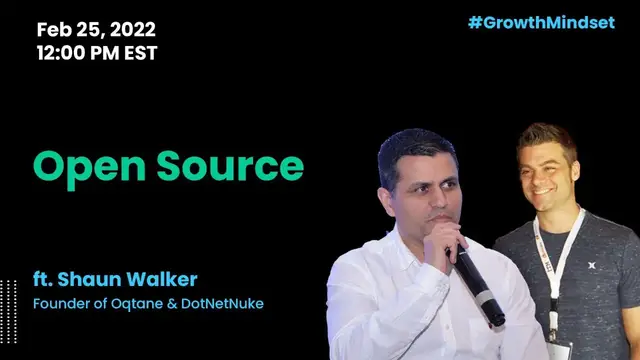
Growth Mindset Show Ep. 7 - 2022
Show More Show Less View Video Transcript
0:00
Thank you
0:29
20 years ago, a seed was planted and cared for. We painstakingly nurtured it and weathered it
0:36
against adversity until one day it blossomed and the fruits of our labor began to show
0:41
Today, millions have learned, shared, and been inspired by what our community has produced
0:46
We proudly serve 21 million users from 204 countries in 2019. For our 85,000 technical
0:53
articles, code samples, and videos, our 450,000 forum questions, and our highly anticipated
0:59
conferences and events featuring keynote panels, live streams, and industry experts and influencers
1:05
We recognize and reward members for their dedication to the community. Through content
1:10
contributions and mentorships, we ranked number 2,620 in the world with a reach of millions across
1:16
our social media channels. Thanks to you, our global community of software and data developers
1:21
grow stronger each day. For more information, visit us at csharpcorner.com. good morning and welcome to the growth mindset show this is a
2:05
nice friday here a little cold today this is maheshan i'm your host today i'm founder of
2:12
cshar corner and host of this growth mindset show um if you are joining us first time welcome to the
2:19
show. If you are joining us back, welcome back to the show. If you are joining us back and you are
2:26
a regular visitor, I'm sure you know that this show is all about you. Just chime in, ask your
2:33
questions, post your comment on wherever you are joining us from, YouTube, Facebook, Twitter
2:40
on C Sharp Corner platform. Feel free to chime in and ask your questions. Again, we want to make
2:45
sure that we answer your questions. Today's topic is different. We are going to talk about
2:51
open source, anything about open source. If you have any questions about open source
2:56
we have a guest, Sean. He's been in open source for several years. I would say probably 20
3:03
if not more. We will talk and ask him more. And let's see what else. Is new coming or improved
3:13
in open source in past 10 plus 20, 10 to 20 years
3:20
Besides that, we have some upcoming conferences coming up. We will talk about that in the end of the show
3:26
And then we take your questions in the second half. So feel free to start, you know, chime in, post your questions
3:33
anything about open source. If you have like, if you're starting open source project, you know
3:39
or you are already involved in open source project or anything, you have experienced bad experience good experience feel free to share with us
3:49
but before that i'm sure everybody's watching the ukraine situation it's pretty sad i'm sure
3:58
you know many of us are you know watching from us india and europe we are in the same situation
4:06
just watching and see it looks like it's pretty bad out there in ukraine i don't even know what
4:12
to say and what to do besides this you know prayer for the people in Ukraine and surrounding
4:18
countries they're going to suffer end of the day all these wars you know few people these
4:23
these so-called leaders whatever they do for their personal gains end of the day is the poor and it's
4:30
the children and it's the people who are you know like common people they are the one who suffer the
4:36
the most. So we hope that whatever happens, this thing resolves without too many casualties
4:44
And if you know any situations, you're involved in any part of that, just feel free to share this
4:50
We always talk about the current affairs. So with that said, let's bring our guest today's guest
4:58
Sean. Happy to be on the show. All right, Sean, how are you? I'm fine. Yeah. All right. Excited
5:07
Yeah, where are you joining us from today? I live in Jupiter, Florida, so just a little bit north of West Palm Beach
5:15
Yeah. It's not cold here. It's nice. Yeah, it's cold here. I'm outside of Philadelphia, and it's raining, cold, 30 degrees. It's not good
5:26
It's about 80 degrees here. Yeah, yeah, yeah. So what do you think about this Ukraine situation? What's your thought on that
5:36
So we actually, so I work for Cognizant. And I came to Cognizant through a few acquisitions
5:48
And so we have had a studio in Ukraine for many years, probably almost a decade
5:56
And so we have a studio of about 100 folks that live in Lviv
6:01
Lviv is on the western side of Ukraine, very close to Poland, actually
6:08
So it's quite a ways away from where the conflict is happening now, but it's still a major cause of concern
6:14
I mean, my thoughts are definitely with all of my friends and colleagues that are part of that studio
6:20
I know that they weren't expecting things to escalate as they have
6:26
And now, you know, they're really trying to think about how do they take care of their families
6:30
how do they protect their country um and it's yeah it's just not a not a easy situation to deal
6:38
with at all yeah i have a couple of people they work for me you know we get some you know um
6:44
graphics work done there and it's just uh i don't even know how to help them it's just there's
6:50
nothing can do and my wife she's from belarus and belarus in midst of all this situation there's
6:57
belarus is what's his name whoever the president is so anyway well hopefully you know we all we
7:05
can do is pray and i think whatever help we can do uh maybe after this uh some charity or something
7:13
but uh well hopefully all you know everybody stays at this safe and whatever happens and this
7:18
looks like goes away in the next few days that what the hope is um let get back to our today topic So today Rijwan welcome to the show Satya welcome to the show You are our regular Feel free to ask your questions Any questions about open source today that what
7:35
we are going to talk about. So, Sean, I know you, not personally, but I knew your name and
7:43
involvement with open source community from .NET New Days. And I think I started C Sharp Corner in
7:51
like literally in January 2000. And the purpose was really anything I was learning at that time
8:02
I would just start writing so more people can just learn from the same thing
8:05
and they don't have to reinvent, you know, reinvent the wheel, right? Because I already learned it
8:10
And, you know, at that time, learning was not easy. It wasn't like, oh, Google, and here's a code sample
8:17
Right. So, yeah, tell us about your, like, first thing is what, in your early days of open source, your history, what open source is and how actually you got involved
8:29
Yeah, so, obviously, .NET Nuke was the first open source project that I started myself, but I had used open source prior to that in, you know, a variety of different ways
8:43
But being a consumer of open source is obviously a lot different than being a producer of it
8:52
On the consumer side, of course, you get a lot of value from open source. You can utilize the great work that others have done to build amazing products and applications
9:03
On the other side, when you're creating open source, I mean, it's definitely there's a lot of work that goes into it
9:10
And usually that work is done by people who are volunteers, essentially
9:16
It's not paid work. It's sort of a hobby or a passion that people are investing their time into
9:24
And it's amazing what actually can be produced within an open source project in terms of the value it creates
9:31
But typically, most of the work is done by about, I think, maybe 5% or less of the overall community
9:41
Actually, probably closer to like 1% or 2%. So, I mean, there's very few people that are actually contributing, but a lot of people are getting value
9:48
And that was something that I guess I wasn't aware of when I started .NET Nuke
9:54
Yeah. Yeah. And so I guess one of the things that I was curious about covering in this show, based on the fact that this is like the growth mindset show, is that growing an open source project is difficult
10:13
right so taking it from its very early stages of just an idea building out something that's maybe
10:19
functional maybe a proof of concept and then scaling it to something that you know is very
10:25
robust and that people can rely on and there's a community around it there's sort of evolutionary
10:31
steps that have to occur and each evolutionary step is more and more involved and requires more
10:38
and more effort and more and more help. And I think that that's not something that people generally understand
10:47
like how much goes into actually just maintaining a large open source project
10:53
Yeah. Yeah. And again, to me, it's not easy. That's a big challenge on each of these steps, as you said
11:01
And how about some of the open source consumers? They are actually, they complain
11:07
and people don't really contribute, don't understand how much work it is required
11:12
They are the one who complain the most. Yeah, I like to say you have to have a really thick skin
11:17
when you're an open source maintainer because you're right. People who are using your open source product
11:25
will come and they'll report issues and they'll basically say things like
11:30
your product doesn't work, when maybe it wasn't intended to do the things
11:35
they're trying to do with it. Yeah, so people can be pretty critical. And so sometimes it's hard not to let your emotions get the worst of you in those situations. So you see a lot of, you know, heated arguments that can happen in open source communities
11:52
but I guess like I said you just have to have a thick skin in those situations I know that
12:00
and people don't mean any ill will they just showed up and they're expecting things to work
12:07
for them in a certain way and maybe maybe you know maybe the project wasn't designed for that
12:11
yeah yeah and I remember agree and they really they just sometimes they're frustrated by
12:18
themselves and they're just posting that they're really not taking it personally you know towards
12:22
anybody i remember in early days when i was writing c-sharp code in back in 2000 2000 2001
12:31
so when i was learning i probably had this old article which i just learned c-sharp and says
12:36
hello world or whatever and i just posted on the site this is how you say and then somebody posted
12:42
a comment big comment on that this code sucks this is the worst code ever blah blah and then
12:47
the guys going on and on and on so yeah you have to have a thick skin if you're involved in you know
12:54
anything community or publicly uh agree with that uh so let's let's think about like so some of us
13:03
especially on c-sharp corner a lot of majority of people are they come from um enterprise background
13:09
they work full-time they work for companies they are not open source i don't there are only few but
13:16
But not, as you said, if 1% of our audience are open source, I'll be surprised
13:21
They're even less. Most of them have full-time job, work for large corporations or medium companies, full-time job working for years
13:28
So they don't really get too much involved in open source. Now they are in past few years
13:34
But before that, companies used to say no open source. Right? Remember those days
13:39
But now it's changing. So if anybody listening here and they have never been involved in open source
13:48
it doesn't matter their experience or not, if they want to get involved, what is the best way they can get started
13:55
I think the best way is, you know, if you're going to use an open source product
13:59
you mean truly, like, use it. Because what I find sometimes is that there are those folks that are sort of casual participants
14:09
and open source where they'll just browse to different open source projects and read
14:15
the questions and try to provide feedback, but they're actually not users of the product
14:19
so that they don't have the right frame of reference. So the first thing to do is actually download the code, try to use it in a production environment
14:27
right? And you'll quickly find out that there might be some issues with the project that you're
14:32
running into. and then in a very polite way actually explain what those issues are that you're having
14:43
Because it's actually super valuable to get that kind of feedback from users of the open source product
14:49
It terrible when people don report issues because then you just completely blind to some of the problems that might be in the product Because no product is perfect right Every product has flaws And so you actually really appreciate those people that take the time to report issues
15:05
and actually report them in a professional manner, meaning like provide all the steps to reproduce
15:10
the problem and maybe even do a little diagnosis on your own to try and identify what the problem
15:15
is. All those things really help the maintainer resolve the problem as quickly as possible
15:21
And then after you've done that for a while, you know, in terms of reporting issues and maybe helping out other people who are having issues in understanding how to use the product, maybe then you'd like to graduate to the next step, which is, you know, contributing some code in terms of, you know, bug fixes or whatever, or enhancements and submitting those as pull requests
15:46
but usually it takes some time to sort of work your way into the community become a known quantity
15:53
you know make some relationships with people even if it's not in person right you still
15:57
establish relationships if you're going back and forth and having conversations online and that
16:03
helps build trust and then eventually you know you'll be considered you know somebody that can
16:08
contribute to the product yeah so a couple of things here and yeah if you want to get involved
16:14
with open source project, I think first find the project that you probably need right now
16:20
So rather than rewriting your own from scratch, see if you can go to GitHub
16:24
and that's where everything is these days and search if there's a similar project
16:28
is already there. That's probably the best way rather than trying to work with something
16:34
that you may or may not need, right? Right. And then try to basically, as you said
16:41
get involved, test it out, find any issues, try to post it but one thing you have to be careful in the beginning is you gotta be patient
16:48
and you gotta be nice because i see a lot of people they just jump in they ask questions
16:54
and then other you know project owners start maintainers start saying wait wait wait relax
17:00
and they get frustrated and they leave and they go complain i see all the time like oh i went to
17:05
this project and those guys maintaining are rude to me and uh i don't like to get involved well and
17:12
I will say that some maintainers do have that sort of personality type where they are immediately
17:18
defensive and they don't always make people feel welcome. And I think that that happens over time
17:26
If you have too many people who are constantly asking questions that are taking up your valuable
17:33
time, you start getting a little impatient and you start to lose your cool. And maybe that's at
17:38
the point where you need to take a little step back, think about why you're doing open
17:43
source in the first place before you, you know, act rudely to people
17:49
Yeah. Yeah. And it's both sides, both sides to be patient. And we're just talking, anybody who's listening here, at least we should, you and I can, you
17:56
can actually educate them. Hey, just expect that it's okay to, you know, just okay to walk away from somebody posted
18:03
bad command. You don't have to go back and forth. Yeah, because I think that that's like a pet peeve that most people have is when you're doing something out of the goodness of your own heart or just volunteering, you don't want people criticizing you, right
18:18
Most people don't react well to that. And that's essentially what open source is, right
18:24
It's a bunch of volunteers doing work for free. And so when people show up and criticize their work, it doesn't go well
18:30
Yeah, I agree. Yeah. And, you know, I think, and again, this, you know, we are programmers
18:37
We also do have our own egos from time to time. And we start thinking like we are building this thing
18:44
So it goes both ways. And hopefully both sides, if you're listening, you maintain open source
18:49
Just be nice to others, especially the young people who don't know. So advantage of that will be there will be more and more people will get involved
18:57
Right. And obviously that's the end goal is get more people involved. So more users, more builders, more contributors
19:05
Yep. Yep. All right. So welcome, Amit. I see Amit joined XN Gameplay
19:11
XN Gameplay, I wish you had your name. Ravinder Anup, welcome to the show
19:15
We are today talking about open source. We have Sean Walker. He's known for .NET Nuke and now building another Blazor version of .NET Nuke, I would say, Octane
19:27
We will talk about that a little later. But yeah, any of you have any questions you want to share your, your, any experience working on open source projects, or as a user or as a contributor or as your own owner founder, feel free to share your comments here
19:47
So Sean, let's, you know, how we are just talking about today, open source and a couple of things here I want to include here is that sustainability and I always wonder, right
19:59
So I personally got involved in smaller open source. I've not really worked 100% on open source because C Sharp corner takes my time, all rest of whatever time I have
20:11
So, but I always wonder like, you know, open source project, especially creators and maintainers like yourself, you spend so much time
20:21
So I think first thing you have to be passionate about whatever you're doing, because it's chances are it may not bring if you're looking for a success or looking for money or looking for some bigger deals, it may never come
20:36
so yeah that's one question and to add to that question the second question is that
20:43
that when somebody like you start that what is the main purpose behind that like just because
20:50
you're passionate you want to share or there's more i think that most people start open source
20:57
projects because they've created something that they believe is interesting right whether you know
21:03
And it's something that they've solved the problem that they think other people might have as well
21:08
And they want to share their solution with others. I think a lot of people, though, how they get started is they simply create a repo on GitHub and upload it
21:18
And then they think that it'll just magically move forward from there
21:24
And the reality is that open source projects are essentially real products
21:30
And so all of the things that you would have to do to manage a commercial product are the same things you would need to do to manage an open source product
21:38
You need to promote it. You need to maintain it. You need to enhance it
21:42
You need to release new versions of it. You can't just sort of throw it over the wall and expect that magic is going to happen
21:50
And so I think that a lot of people who create open source projects aren't prepared for that
21:53
And so it's interesting because I like to say that sometimes success is harder than failure
22:01
So in that sense, like if you are not like you might have been very passionate and committed to the code that you wrote, but you might not be that committed to maintaining an actual project in the long term or building a community
22:15
So if you throw it over the fence and no one picks it up, then it failed immediately, essentially
22:21
And you didn't waste any time on it. Whereas if you throw it over the fence and it sort of gets a life of its own and a lot of people are asking questions all of a sudden it starts consuming a whole lot of your time And maybe you weren expecting that was going to happen And so it becomes sort of this extra burden on your life in addition to probably
22:40
your full-time job and your family. And then, of course, that becomes a balancing issue, right
22:47
to try and find the time for it. Because once it's out there in the public domain
22:51
there's nothing that you can really do to slow down the momentum, right
22:55
So if people are actually very interested in it, they're going to pull it along and you're going to be either like a passenger
23:05
on that train or you're going to get left behind, right? And so it's a tough place to be
23:14
Sometimes it's, you know, and often when you get into creating an open source
23:19
project, you really don't know what's going to happen. Yeah. So is there, so that's again
23:25
following question, is there a better way, is there a better way to kind of manage that
23:31
Like, is there a kind of guideline or kind of blueprint? Like, for example
23:37
rather than you starting by yourself solo, maybe first come up with a partner with three
23:42
four friends who are interested in similar work, something like that. So there's a better chance
23:47
of being successful, right? Yeah, I think that would be optimal if you could
23:52
I haven't seen that happen very many times. Usually you end up finding other people
23:57
who are interested in your work by publishing it, and then they will find the work online
24:04
through maybe GitHub, and then they'll start to get involved. I've met many, many people online
24:13
Like, for example, when I started .NET Nuke, I started it on my own
24:17
And I met nearly all of the sort of core team members just through working with them through like online
24:28
Yeah. So, but I guess so what I was talking about. So when you start the open source project, usually you start it on your own
24:36
Maybe it starts to pick up momentum. But at some point, it actually will get so, like, if your project has been successful, it'll get so busy, and it'll command so much of your time, then you'll start to think that the only way that you can move forward with it is if you actually find a way to dedicate your time to it, maybe full time, right
24:59
But in order to do that, then you have to be able to make money some way
25:03
And so that starts the thoughts about like, what is a viable open source business model? And I think that that's going back to your comment about open source sustainability. That's where the real challenge comes in, because there isn't a single business model that works for every open source project
25:21
It's just like any business. There's not a single business plan that works for every business. So that's where some of the challenge then comes in
25:29
And unfortunately, some of the decisions that you made early on when you created the open source project can sometimes come back to haunt you because it's not easy to change some of the aspects of the project
25:46
For example, one of the main things is maybe the open source license that you chose when you started
25:54
It's difficult later to change that license to perhaps make it more restrictive
26:00
which might provide you with theoretically an easier business model to pursue
26:07
But some of those early decisions that you make, you're going to have to live with them, usually for the longer term
26:16
And that's something you don't think of when you're just initially publishing an open source project and you have no idea if anyone's going to be interested in it
26:24
Yeah. Yeah. And again, yeah, you don't plan that. You just start with it. Yeah
26:29
So with that said, right, so I'm going to now take the other side for the sustainability
26:35
Right. So I'm a company or I work for a company and I want to go and I found an open source project out there on GitHub
26:44
I want to use that in my project, real project, for example, can be a logger for .NET Core, right
26:51
Yep. So one of the biggest challenges as a company is that what happens when that project is left alone
26:59
And there's so many projects are left alone, right? Because I may start today, but five years later, I have kids and now I'm family and other problems, whatever
27:08
I can't do this anymore. So it happens, you know, often. So what is your recommendation if any of our, you know, viewer is watching here and they want to go and start using one of the open source projects
27:23
What is your like what they should look for? So I think that
27:31
So the vast majority of open source projects don't really have a business model behind them
27:35
So they don't offer any way for companies to fund the development of them to ensure that there's long-term viability for the project
27:49
So that's partly on the side of the maintainers, not providing channels where companies can support them
27:58
there's also you know a whole group of open source maintainers that really have no interest
28:04
in commercializing their their product it is it was treated as a hobby and they plan to keep it
28:11
as a hobby indefinitely and some of those projects that are hobby projects are very very large
28:19
projects and very critical yeah and so it's not always clear to an enterprise
28:27
what, like, when they put a dependency on an open source project
28:32
what is the sort of support and maintenance model behind it? They don't know if the maintainer is sort of, like
28:40
maintaining it as a hobby or as something that's more serious than that
28:45
I think it's usually a good idea, of course, like, if you can look for an open source project
28:49
that actually maybe has a company behind it in some form, and maybe that company is doing consulting around it
28:57
or selling a commercial version of it. Or all of those things can provide a higher level of confidence
29:02
that that project is going to be around for the longer term. Yeah. Or the team members, they may provide
29:09
the contributors may also say, oh, we do consulting, hire me if you need extra help, right
29:15
Yeah, so a large community can also be a good measure to determine if you're going to be able to rely
29:21
on the community for support when you run into difficulties. Yeah, because end of the day, most people who are contributing to open source, they are working somewhere or they are consultants or they have their own small companies, a majority of them, right
29:37
So they're looking for work anyway. Ideally, if you combine these both sides, ideally, to me, if an open source project maintainers can create this another level that, hey, these three members are also available for consulting
29:54
in charge enterprise, whatever. All of a sudden your team is getting money they need, and they probably can even spend more time on the project
30:05
And now the users of the project probably are getting support. Yeah
30:11
You know what I mean? Maybe that's a workable model from both sides. Yeah, and it really depends, I think, on the type of project
30:18
Sometimes, like, if it's a project that has a very narrow focus
30:24
maybe it's like a library of some sort that does something that's very specific
30:30
it would be much harder for people to maybe do consulting around it because it doesn't have a broad focus
30:37
Whereas if it's more of a framework or a platform, you know
30:41
like those types of projects tend to have larger communities and more people who are able to utilize them to make money
30:49
So, of course, then they're willing to support them more. Yeah. Yep. Yep. All right. That's great. That's great
30:54
So, everybody, we are today talking about open source in this Growth Mindset Show
30:58
As we know, it's a growth mindset. We talk about different topics, something you need to think about, something you're not used to doing day to day
31:07
And today's everything about open source. So if you have any questions, concerns, comments, experience with open source, please share here
31:15
So let's talk about a little bit more on your personal experience
31:21
Like when you were maintaining this project, now you have the second
31:25
Maybe let's start with your new project you're working on Oktain. You want to talk a little bit about that
31:31
and then maybe then I will ask other questions. So what did you start, why did you start, and where it's going
31:38
That's an interesting question because when I – so I, of course, was involved with .NET Nuke from 2003 till 2014
31:48
so 11 years. That was a long time to be involved in an open-source project
31:53
and to work on it through the various levels, right? From starting it to creating a small business around it
31:59
doing consulting to getting venture capital. And every stage of that journey had additional challenges to it
32:08
But I do feel fortunate that .NET was able to grow and I was able to actually focus my full-time effort on it
32:15
for probably eight of those years, which most open source maintainers, you know, can't say that they're able to do
32:25
Usually it's, you know, they're able to make some part-time income from it
32:29
but not do it full-time. So anyways, once I got through .NET Nuke in 2014
32:34
I kind of thought I'll probably never do another open source project again
32:38
just because of what I had learned in that journey, right? It was hard
32:44
It was a lot of work. There was a lot of risk involved
32:50
A lot of challenges. And so I'm not quite sure why I started another open source project, but I guess it was in 2018 I started getting involved with Blazor, saw the potential for it, and saw that I could build another modular framework with some of the similar capabilities that .NET Nuke had, but build it on completely new technology stack
33:14
and so I started building it more for my own purposes at first which is exactly how I had
33:20
started .NET Nuke and then thought okay well this time at least I know what I'm doing I'm going in
33:27
with my eyes wide open so to speak right I know what to expect and I sort of I think I sort of
33:34
know how to maintain focus and manage expectations better when it comes to the open source project
33:44
than I did the first time around. And so I did create Octane as an open source project
33:50
That was, I guess I finally announced it as an open source project in early 2019, I think
33:55
And so it's been a couple of years now. And for the most part
33:59
I've been able to manage it as a part-time effort outside of my regular full-time job
34:07
And it's grown quite considerably and it's starting to get a community around it
34:11
And I think it will have some of the same potential to build like an ecosystem around it that .NET Nuke had
34:20
So I am excited about it. I think it does have a lot of potential
34:25
And I mean, I'm really keen on the technology stack. The latest stuff that Microsoft has done with .NET Core and Blazor is amazing
34:34
I really enjoy developing in it. I agree, agree. So I never did web development myself, but after looking at Blazor, I'm like, okay, I can do this
34:44
Yeah. So, yeah, that's great. And everybody who's watching, check out Octane's project and see what you think is in Blazor
34:54
So if you want to get involved in Blazor, that's the best way to try to check it out first
35:01
So it looks like you are kind of addicted to open source. You're coming back to the open source
35:06
if you can stay apart from it. Well, I guess even though I had sort of a break
35:16
from being a maintainer of open source from like 2015 through 2018
35:21
I was still heavily involved with the .NET Foundation during those years
35:25
So yeah, so I never, you're right. I never really stepped fully away from open source
35:31
So I guess you could call it an addiction. I don't know if it's a healthy addiction
35:35
It's one way to stay close to the community, right? Yep, true
35:40
Yeah, because that's another part of our lives, right? Some of us, we like to get involved in community
35:45
and either it's speaking or writing or maintaining open source projects, whatever it is, right
35:53
We just feel internally happy about it, right? That's what growth mindset is all about
35:59
that certain things you do because you just like to do and you enjoy doing it even though it not easy Yeah no you right No it a passion I do enjoy it Yeah So you know my startup journey I probably got involved or started or co 20 startups
36:16
And out of that, probably three of them are really, they are like self-sustainable
36:21
Forget about success if they are self-sustainable. Sometimes you're just addicted to doing certain things
36:27
Yeah. Actually, it's interesting because you're right. An open source project is much like a startup
36:33
There's a lot of risk involved. There's a lot of work involved. You don't know if it's going to be successful
36:39
So, yeah, very much the same. The expectations are low. The only difference is expectations are low
36:43
And you don't have paid customers, so they cannot come and ask for refund
36:49
Right. Well, they can still come and ask for things, but you don't have to actually fulfill if you don't want to
36:56
Yes. And it's a good and bad, right? So the, and I want to get to my next point is that, you know, in GitHub, there's a contributions, right
37:07
You can contribute to these open source projects. I never understood that
37:13
The reason I never understood that because we as a developer, I mean, let's agree that we are not somebody where we, we don't donate a lot
37:22
Maybe few of us do, but majority of, there's no, a lot, donations don't come a lot from the developers, right
37:28
because we believe in giving free. We give in open source. So we also expect free, right
37:35
And today's world, right? We don't pay for code, so we don't feel like, you know
37:40
nobody should get paid for code. Right. No, and I think that you're right
37:44
that that's absolutely the case is when people use open source, the fact that it was freely given to them
37:51
means that they feel like they don't need to give anything back
37:55
Yeah. That's the way the world works. Yeah, and I blame some of it, a lot of it myself too, because I know back in the days, developers used to buy books and pay for the things
38:08
And because we launched, put so much online content for free, it has become a habit
38:13
And then we wake up like today, a young developer comes, they search Google, everything is free
38:18
And all of a sudden, somebody comes and asks for $5. They're like, whoa, what is this
38:22
I thought everything is free here. Yep. Right? So we have, we means open source guys and community guys, they have built this habit
38:32
So it's not, nobody's fault, right? If today our kids, we teach them, oh, here's my wallet, son, take whatever money you want
38:40
They will not never understand that. Oh, I don't need to make work because I'm getting from this wallet already
38:47
Right. Yep. So the whole thing about getting the milk for free
38:52
Exactly. Right. So my next question was, what can open source community and people who are watching, is there anything they can do to make it more sustainable
39:04
Like this whole, you know, obviously communities, they are spending time and make it more sustainable
39:12
Yeah, so going back to like, well, to answer that and the earlier question
39:16
So generally what I find is the people who are contributing to open source projects, they're not just doing it for fun
39:24
I mean, they're the people that have actually adopted the open source project and are using it in some kind of a critical engagement
39:33
and perhaps they find a bug in the code. And then because they have skin in the game
39:40
they're motivated to fix it, right? At least report it. And if they want it actually fixed on a faster basis
39:49
than waiting for the maintainer to do it, then they'll actually find the problem
39:53
fix it and contribute the code back. And that's the interesting thing, right
39:59
It's because they've adopted it and because they're using it, they have skin in the game. And so because they have skin in the game, they feel like they should contribute. But, you know, there's not, you know, a ton of those types of people. And for the most part, the open source projects that people utilize are fairly well written and don't have a lot of issues in them
40:23
and so if it's working fine then there really is nothing to contribute back right if it's working
40:30
fine for your purposes there's no reason for you to go above and beyond and and contribute anything
40:36
back so those are some of the dynamics that kind of go on and making a decision around whether you
40:42
should contribute to a project or not yeah and i think good part is good part is if you do
40:48
You know, a lot of these open sources, you can download the code and if maintainers are done maintaining it because the version they had, it's working fine
40:58
You can go and change yourself as well, right? Yep. And a lot of companies and people do that
41:04
Yeah, and I think that that's sort of one of the other benefits of open source is you're right
41:09
You can go look at the code and you can actually learn some pretty interesting things about techniques that other people have done to solve problems
41:18
And then you can use those techniques in your own code. Right. And so you're not necessarily you're not contributing anything back, but that knowledge is being shared
41:28
Right. And everyone's products are getting better as a result of that sharing
41:33
Yeah. Yeah. Because end of the day, you are writing somewhere a new product or updating your company
41:38
It doesn't matter if it's your company. Yeah. Right. So a couple of more questions
41:45
Again, everybody, thank you for staying with us today. It's a Friday
41:50
I know it's late. If you have any questions you want to share, comment, feel free to do that
41:55
You want to ask some personal questions, also chime in. Let's talk about a little bit
42:00
I think we did cover this a little bit more. It's risk and rewards for being involved in open source
42:06
Anything else you want to add on that side? So I think we covered maybe so on the reward side obviously there the like if you depending on an open source project then if you can contribute to it and help it become better and more capable
42:32
Because a lot of these projects, they're essentially like tools or frameworks that you build other things on top of
42:38
And so the things that you build are going to become more and more powerful as you increase the capability of the open source project
42:47
So that's obviously a big benefit. By contributing in the community, you get some level of, I guess, accomplishment and notoriety
42:58
So people will recognize that you're capable of doing great work. And I've heard that companies are actually looking at people's GitHub contributions now to maybe assess what their capabilities are
43:11
And a lot of companies do like to see developers putting in some of their own time and volunteering on open source projects
43:19
It basically demonstrates that they have a real passion for technology. They're not just a nine to five worker
43:24
If they're doing things on their own time on GitHub, then it shows that they really love technology
43:30
And those are the best kind of employees to have. On the risk side, that's a whole different thing
43:36
So on the risk side, you need to make sure that you understand the legalities of your employment agreement in terms of, you know, who owns the IP that you create
43:50
Sometimes it could be your employer. Sometimes it could be the client. But rarely in the way that contracts are written, is it actually your IP to do whatever you want as you see fit
44:02
So that's probably the biggest risk is you need to be sure you understand if you're going to do contributions to open source
44:10
you need to understand that you have the right to do contributions depending on where the code came from
44:15
Yep. And to add to that, if you are using an open source project, you go to GitHub and find something
44:22
you want to use in your commercial product or your company's products
44:26
Is there anything they should keep in mind that, hey, stay away from this kind of license
44:32
Anything you have to share on that side? Yeah, there's a lot of information
44:38
kind of out there written about this. Before that, let me add you that. A lot of people, I know a lot of people
44:44
they don't even care about, they don't look at the license. They just go download and start using their projects
44:50
Yeah, it would be helpful for people to have an awareness of open source licenses. And it's definitely like any software that you use, whether it's commercial or open source, you need to understand the terms under which you're allowed to use that product or project
45:09
So definitely you should be looking at the license. There are some open source licenses like the copy left licenses like the GPL, which, you know, have some clauses in them that you need to be that you need to understand, especially if you're going to create products on top of them or derivative works of them
45:29
them. So yeah, I tend to focus only on using open source licenses that are permissive licenses
45:38
like Apache and MIT and BSD. And I mean, there's a whole series of permissive licenses, but they
45:45
provide you with the most freedom to use those projects in a variety of different ways. And so
45:52
if you choose to use those types of products that are offered under those licenses, then you can be
45:58
it's pretty safe that you're not going to get yourself into difficulty. Yeah
46:03
Although if you're at a company, usually, usually, you know, the company will have a legal team and they'll also want to make sure that
46:10
you're using only products that are like licensed under the official licenses
46:18
that they support. You will be surprised. You will be surprised. Well, yeah, no, I've seen this before too
46:24
Usually sometimes the developer has a specific problem they need to solve and they go online and they find something that matches their needs and they just download
46:32
it and shove it in, right? Without even thinking. Yep. Forget sometime
46:36
I would say most of the time. I work with large corporations and we are, there's no team looking for you
46:44
They're like, when can we get it done? Right. Because everybody's so behind
46:49
They're like, yeah, nobody's really checking, you know, your licensing, you know, where
46:55
did you get this code from? Yeah. Yeah, all right. So that's great. I think we're almost done. I have a last, you know, last question is, is that and then, you know, I will let you go that if as a, you know, software developers, all of us combined who are watching this or in future, somebody will watch this recording
47:18
We have to help this open source world. What can we do as our part to make this better
47:23
Well, I think that it would be helpful for people just to naturally acknowledge that there's a lot of work that goes into open source projects, right
47:32
And so if you're just consuming them, you have to realize that there's actual people that developed them and continue to maintain them and enhance them and provide you with value
47:47
And so you should be thinking about ways that you can support those people who are doing that work
47:53
because the downside is if nobody supports them, then those projects that you're relying on
48:03
are eventually going to be abandoned and disappear. And maybe you'll be able to find an alternative
48:09
but as we all know in software development, there's significant switching costs moving from one product to another
48:17
And so it would certainly be much better if you could support the existing project in the ways that it needs to be successful Whether that contributing monetarily or by contributing by fixing bugs or documentation
48:35
or enhancements. I mean, there's many ways that you can help. But the first step is just to
48:43
realize that there are people behind these projects. Well said, well said, definitely
48:50
And I think, yeah, you can start by saying thank you if you use a project and you see those team members on Twitter or wherever
48:58
or even in the community, you can say thank you that I'm using this project
49:01
and it's helping me. That's, I think, everybody can do. And then if you can contribute a few bugs here and there
49:09
and as you said, if you can solve bugs, you find some issues you did solve
49:13
in your own version, yeah, just get involved. and definitely be nice, right
49:19
That you can do without any cost. It doesn't cost a lot of time either
49:24
You said it right. Like, you know, these open source projects, maintainers are, you know, doing it part-time
49:32
They have families. They have a full-time job. And also, you know, they're more frustrated sometimes
49:38
because of the work there. So just be nice. That will help
49:43
Yep. All right, great. Anything else? So you want to talk a little bit how people can go, where they can go about Octane and get involved and give you feedback or anything they can do
49:58
So the main website for Octane is octane.org. And it's spelled strange
50:05
O-Q-T-A-N-E. Simon, you want to put that link in there? Yeah. Yeah
50:10
So that's the open source project that I'm currently most involved with
50:15
And obviously, the .NET Nuke project still continues to move forward as well
50:21
It continues to have user conferences. There still is a lot of use of .NET Nuke in the world
50:26
So it's still a very, very capable CMS. So yeah, and I mean, there's so many other really amazing open source projects that are out there
50:38
I actually maintain a site as well called dnfprojects.com, which stands for .netfoundationprojects.com
50:51
Yeah, and that maintains sort of daily trends of the activity that are going on in various open source projects that are part of the foundation, both Microsoft projects and community projects
51:02
And so I would say that, you know, there is a lot of outstanding work that's being done in the .NET community
51:11
And so, yeah, definitely people should check those out. All right. Great. That was great. Sean, thank you so much for hanging out with us and coming on short notice
51:22
We really appreciate. I'm sure everybody enjoyed learning about your background on open source and how they can get involved
51:30
So hopefully, you know, we're going to check out this Octane. We are actually poking around anyway
51:36
I'm going to see if my couple of developers can get involved in this
51:41
not just from consumer side, but also contribute. It's just hard to push
51:45
Sometimes developers, you know, I can only tell, but they kind of have to go do stuff
51:50
Yeah. Yeah. Sometimes it takes some time just to work, like to really understand what the project's capable of
51:58
Yeah. Yeah. Got to get your hands dirty. Yeah, yeah. Yep, yep. So thank you so much
52:03
And we'd love to have you back in a couple of months, you know, when you have time
52:07
Thank you. Yeah, thanks for having me. All right. Great session. All right, with that said, so today
52:16
thank you everybody for watching us. I see a lot of people join us
52:20
Again, if you have any questions about open source licensing or anything, if you want to share with us
52:28
we will be happy to bring in upcoming, you know, series. So next thing, a couple of more things we'll do housekeeping here
52:35
We have upcoming conference coming up that is on leadership. It's a little different
52:42
As you know, that growth mindset is a little more than just coding or being a developer, right
52:47
It's all about growing growth, not only just professional growth, but also personal growth
52:53
So we have a, you know, any during this, you know, as a partner C Sharp Corner has partnered with several conference organizers
53:01
And so one of the upcoming conference, leadership conference, check it out
53:06
I am speaking there. So it's on March 22nd. All these people who are speaking are leaders
53:12
They are well-established leaders in their areas. And, you know, my topic is going to be some of the leadership skills
53:21
and qualities in how leaders think different. so check that out and I think we are going to announce a couple of other
53:30
conferences in coming month too all right so with that said I think that
53:38
concludes our today's show unless Simon anything else I'm missing with that said
53:43
anything else Simon you good here I think Simon said we are good so everybody
53:49
thank you so much for hanging out with me on this Friday I will see you next
#Software
#Online Communities
#Virtual Worlds
#Windows & .NET
#Open Source