Up next in 10


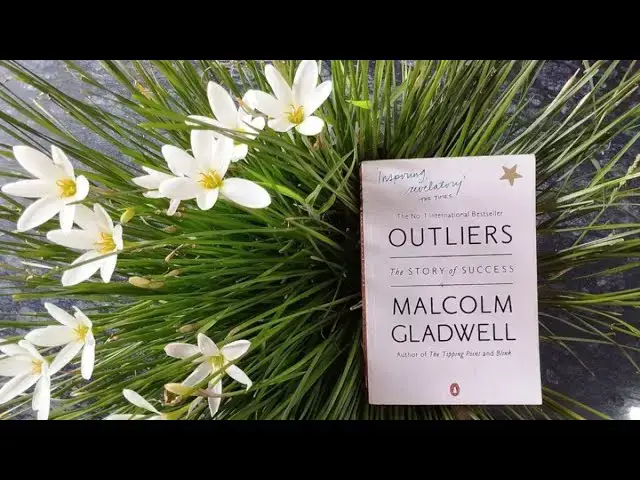
We're diving deep into Malcolm Gladwell's "Outliers," a book that basically tells us everything we thought we knew about success is a giant, steaming pile of capitalist mytholosphere.
Why do some people succeed more than others? Or how ordinary people do extraordinary things?
Malcolm introduces you to incredible people, such as superstars, business leaders, famous people, and programmers.
And uncovers the secrets of a remarkable lawyer, examines what separates the best pilots from average pilots, and tries to figure out why Asians are so good at math.
In this podcast, I'll be unpacking how your brilliant idea that hard work alone determines success is about as realistic as my belief that I can sustain a houseplant.
Spoiler alert: You don't just "bootstrap" your way to genius.
It turns out success is a supremely weird cocktail of timing, cultural background, random opportunities, and - get this - literal birth month.
We'll explore stories that will make you question everything - like why Canadian hockey players are disproportionately born in January (I'm not kidding), how Bill Gates became Bill Gates (hint: it wasn't just because he was smart), and why Korean Air had a terrifying safety record that had everything to do with cultural communication patterns.
We'll get curious, think deeply, and understand why some people are special. It's not just because they tried harder.
Show More Show Less View Video Transcript
0:00
Welcome to our Deep dive um into Malcolm
0:03
gladwell's
0:04
outliers uh a book that kind of sets out
0:07
to understand why some people achieve
0:09
like extraordinary success you've shared
0:12
a summary from creative aspirant tocom
0:14
and we're going to use it to explore you
0:16
know the fascinating world of high
0:17
Achievers and see what surprising
0:20
factors might be at play right outliers
0:23
is it's a real page Turner I go to say
0:26
yeah because it challenges like the
0:28
traditional Narrative of success you
0:30
know yeah Gladwell really digs into the
0:33
hidden advantages that often contribute
0:36
to someone becoming an outlier like
0:38
timing cultural background opportunities
0:41
things like that so so the book starts
0:43
with a concept called the Matthew effect
0:45
right what is that all about so the
0:47
Matthew effect is this idea that even
0:49
small advantages can compound over time
0:52
creating these massive differences and
0:54
outcomes interesting you know it's like
0:55
that saying the rich get richer yeah
0:57
Gladwell used the example of Canadian
0:59
hockey players okay um those born
1:01
earlier in the Year have a head start
1:04
because of how the leagues are
1:05
structured they get more playing time
1:07
more coaching ultimately increasing
1:10
their odds of becoming Pros so are we
1:13
saying that success is just a matter of
1:15
being born at the right time not
1:18
entirely okay Gladwell uses this example
1:20
to highlight how seemingly insignificant
1:23
initial advantages can create a snowball
1:26
effect but it's not Destiny yeah it's
1:28
about how those ini advantages open
1:31
doors to more opportunities okay so it's
1:33
not just like a you're you're
1:34
predestined for this because you're born
1:36
in January exactly it's that it gives
1:37
you that leg up and then other things
1:39
come from that exactly gotcha yeah that
1:41
makes you wonder how many talented
1:43
people never get that initial boost
1:45
right speaking of advantages um
1:48
Gladwell also introduces the 10,000 hour
1:52
rule right the idea that Mastery
1:54
requires like a significant amount of
1:55
dedicated practice MH he talks about
1:58
Bill Joy who basically lived in the
2:00
computer lab during his college Years
2:02
and became like a Pioneer in the tech
2:04
world yeah Joy's story along with Bill
2:07
Gates illustrates how those hours of
2:09
practice are essential but often require
2:13
access to the right resources at the
2:14
right time oh okay you know yeah these
2:17
guys had extraordinary access to
2:18
computers when they were still a novelty
2:20
to most people right and that early
2:23
exposure allowed them to put in those
2:25
crucial hours that ultimately
2:27
contributed to their success I think a
2:29
lot lot of people get discouraged by the
2:31
10,000 hour rule like assuming it means
2:34
endless grinding with no guarantee of
2:36
success I could see that yeah but
2:38
Gladwell isn't suggesting we all become
2:40
obsessive Workaholics okay it's about
2:43
understanding that deliberate practice
2:45
combined with opportunity plays a
2:47
significant role in achieving Mastery
2:49
right but what's interesting is that
2:52
Gladwell doesn't stop there okay he
2:54
tackles the question of Genius uh and
2:56
finds that a high IQ doesn't always
2:58
translate to success that's definitely
3:00
counterintuitive why wouldn't someone
3:02
with a high IQ achieve a lot so Gladwell
3:05
contrasts the stories of Christopher
3:07
Layman okay who has an exceptionally
3:09
high IQ with Robert Oppenheimer who led
3:12
the Manhattan Project right both were
3:14
brilliant yeah but offenheim achieved a
3:17
level of success that eluded
3:19
langen interesting Gladwell suggests
3:22
that while IQ is important it's not the
3:24
only Factor okay he introduces the idea
3:27
of practical intelligence which includes
3:29
things like social skills okay knowing
3:31
how to navigate complex situations and
3:34
being able to work effectively with
3:35
others so are you saying that street
3:37
smarts are more important than book
3:39
smarts not exactly it's more nuanced
3:41
than that okay Gladwell is highlighting
3:44
that raw intelligence isn't enough right
3:48
you also need the ability to apply that
3:50
intelligence in real world situations
3:53
yeah and that often comes down to things
3:54
like social skills and the ability to
3:56
communicate effectively these are skills
3:58
that are often developed through
3:59
upbringing and social interaction oh
4:01
interesting and that brings us to
4:03
another fascinating aspect of outliers
4:05
the role of culture I remember the book
4:08
delves into a really intriguing case
4:10
study about Harland Kentucky yes what
4:12
was that all about so Gladwell examines
4:15
how a culture of Honor in Harland shaped
4:19
the behavior of its residents sometimes
4:21
leading to feuds and violence right but
4:24
he also argues that this same cultural
4:26
heritage can foster ambition and a
4:29
strong workout ethic so you're saying
4:31
that even a culture that might seem
4:33
negative in some ways can have hidden
4:35
benefits exactly interesting it's a
4:38
reminder that cultural influences are
4:41
complex and multifaceted they shape our
4:43
values our perceptions of the world and
4:46
even our responses to challenges it's
4:48
like wearing a particular set of glasses
4:50
that influences how you see everything
4:53
that's a great analogy yeah it makes you
4:54
realize that understanding cultural
4:56
influences can be key to understanding
4:59
why some people succeed While others
5:01
struggle precisely right and that
5:03
cultural lens becomes particularly
5:05
important when Gladwell tackles a
5:08
completely different topic in
5:10
outliers plane crashes okay this is
5:13
where I remember getting really
5:14
intrigued yeah what does culture have to
5:17
do with plane crashes so Gladwell
5:19
explores the ethnic theory of plane
5:21
crashes okay suggesting that cultural
5:24
factors especially those related to
5:27
communication and Authority right can
5:29
play a role and cockpit dynamics that
5:31
sounds a bit controversial can you
5:33
elaborate sure so Gladwell examines
5:36
cases like Korean Air okay which had a
5:39
string of accidents in the 1990s oh wow
5:41
He suggests that their communication
5:43
style rooted in a culture with a high
5:46
power distance okay where Junior Pilots
5:48
might hesitate to directly question a
5:50
senior pilot right could have been a
5:52
contributing factor to these accident so
5:54
you're saying that cultural norms around
5:56
hierarchy and communication yes can
5:59
impact safety in high stake situations
6:01
this is a very sensitive topic but
6:03
gladwell's point is that understanding
6:05
these cultural nuances can be critical
6:08
especially in environments where clear
6:10
communication is Paramount right it
6:12
makes you wonder what are the unspoken
6:14
rules in communication Norms in our own
6:17
workplaces or communities and could they
6:20
potentially hinder success or even
6:21
create like unintended risks for sure
6:24
that's a really important question to
6:26
consider we've covered a lot of ground
6:28
so far yeah we have the Matthew effect
6:30
the 10,000 hour rule the importance of
6:33
practical intelligence and the influence
6:35
of culture right all of these factors
6:38
seem to play a role in shaping an
6:40
individual's path to success right but
6:42
where does that leave the rest of us
6:45
that's the question who weren't born at
6:46
the perfect time in the perfect place
6:48
with the perfect set of advantages
6:50
that's a question Gladwell directly
6:52
addresses yeah and it leads us to one of
6:55
the most inspiring parts of outliers oh
6:58
okay yeah so far we've seen how timing
7:01
opportunity and cultural background can
7:03
all contribute to someone becoming an
7:05
outlier but I'm curious does Gladwell
7:08
offer any insights for those of us who
7:10
may not have had those advantages is
7:13
there still room for Hope absolutely
7:16
outliers isn't just about highlighting
7:18
the factors that lead to success it's
7:21
also about exploring how we can create
7:23
more opportunities for success and
7:26
that's where Gladwell introduces the
7:28
incredibly inspiring in story of the
7:30
Kepp Academy I vaguely remember this
7:33
from the book remind me what is the Kepp
7:36
Academy so kpp stands for knowledge is
7:40
power Preparatory it's a network of
7:42
public charter schools primarily soing
7:45
low-income students in the United States
7:47
and what makes kpp so remarkable is that
7:50
its students consistently outperform
7:52
their peers from similar socioeconomic
7:55
backgrounds right even achieving college
7:57
graduation rates that rival those of
7:59
influen students that's incredible how
8:01
do they do it what's their secret sauce
8:03
it's not magic okay but it's pretty
8:05
close Okay so kpp schools have a longer
8:07
school day and a longer school year okay
8:09
giving students more time for Learning
8:11
and enrichment interesting they also
8:13
have a strong culture of hard workor
8:15
discipline and high
8:17
expectations and perhaps most
8:19
importantly they emphasize character
8:21
development okay teaching students
8:22
essential life skills like grit
8:25
resilience and self-control so it's not
8:27
just about spending more time in the
8:29
class
8:30
about creating an environment that
8:31
Fosters both academic and personal
8:33
growth gotcha and that's why K is such a
8:36
powerful example yeah it shows that
8:39
while we can't control all the factors
8:41
that contribute to success we can create
8:43
environments that maximize effort and
8:46
opportunity right it's like Gladwell is
8:48
saying look I know the world is in a
8:50
Level Playing Field right but we can
8:52
build ladders to help more people
8:54
climate that really resonates with me
8:56
outliers isn't just a celebration of
8:59
exceptional individuals it's also a call
9:01
to action urging us to think about how
9:03
we can create more Equitable
9:05
opportunities for everyone to succeed I
9:08
couldn't agree more yeah and that idea
9:10
really challenges us to think
9:11
differently about the nature of success
9:13
it's not just about individual grit
9:16
right it's about recognizing the
9:18
systemic factors that can either hinder
9:21
or Empower individuals to reach their
9:23
full potential so outliers focuses
9:26
mainly on success as it's traditionally
9:28
defined
9:30
AI or Academia but I wonder if these
9:33
Concepts apply more broadly what about
9:36
success in relationships and personal
9:38
growth or even in contributing to our
9:40
communities that's a brilliant question
9:43
yeah and I think you're right the
9:44
principles Gladwell explorers can be
9:46
applied to all sorts of life goals okay
9:48
you know the idea that small advantages
9:50
can compound over time that consistent
9:54
effort is crucial that cultural
9:56
influences shape our perceptions and
9:58
behaviors these are Universal insights
10:01
so maybe instead of just reading
10:02
outliers as a guide to achieving worldly
10:05
success we can use it as a framework for
10:08
understanding how people thrive in all
10:10
aspects of life I love that perspective
10:12
yeah it's like Gladwell is giving us not
10:14
just a set of answers but a whole new
10:16
set of questions to consider right what
10:18
would it look like to apply the
10:20
principles of outliers to create a more
10:24
Equitable and just Society yeah how
10:26
could we use this understanding to
10:28
nurture potenti potential and create
10:30
opportunities where they might not have
10:32
existed before these are
10:33
thought-provoking questions I think
10:35
that's what makes outliers such a
10:36
compelling read it doesn't offer easy
10:39
solutions or a one-size fits-all formula
10:43
for success but it does give us a
10:45
powerful framework for understanding the
10:47
complex interplay of factors that shape
10:49
our lives and our achievements I agree
10:52
it challenges us to rethink our
10:54
assumptions about success about talent
10:57
and about the very nature of opportunity
11:00
and it leaves us with a sense of
11:01
possibility a reminder that while we may
11:04
not be able to control all the factors
11:05
that contribute to success right we can
11:08
certainly influence some of them and
11:09
that's a great place to wrap up our Deep
11:11
dive into outliers it's a book that
11:14
Sparks so many interesting conversations
11:16
and challenges us to think differently
11:18
about the world around us it's a
11:20
reminder that success is often a complex
11:23
tapestry yeah woven from threads of
11:26
individual effort cultural heritage
11:29
historical circumstance and yes even a
11:32
bit of luck and perhaps instead of
11:33
Simply marveling at the achievements of
11:36
outliers right we can all work toward
11:38
creating a world where more people have
11:40
the opportunity to weave their own
11:42
tapestries of success well said I think
11:45
that's the ultimate Challenge outliers
11:47
throws down yeah it's not just a book to
11:49
be read right it's a call to action an
11:52
invitation to build a world where
11:54
success stories become less about the
11:56
extraordinary few yeah and more about
11:58
the poten potential within us all so to
12:01
our listener if you haven't already read
12:02
outliers I highly recommend adding it to
12:05
your list for sure it's a book that will
12:07
make you think question and maybe even
12:09
see the world a little differently and
12:11
as you go about your day I encourage you
12:13
to consider the insights we've discussed
12:15
yeah look for the subtle ways the
12:17
Matthew effect might be at play in your
12:19
own life reflect on the cultural
12:21
influences that have shaped your values
12:24
and your approach to challenges and most
12:26
importantly think about how you can
12:28
create opportuni both for yourself and
12:30
for others to unlock hidden potential
12:34
and Achieve extraordinary things that's
12:37
it for our Deep dive into outliers great
12:39
discussion thanks for joining us on this
12:42
journey of exploration and Discovery
12:44
absolutely until next time keep
12:45
questioning keep learning and keep
12:47
striving to become the best version of
12:50
yourself it's fascinating to consider
12:52
how these seemingly disperate ideas you
12:54
know from hockey players birthdays to
12:57
communication Styles and cockpits all
13:00
connects to paint this broader picture
13:02
of success what's so compelling about
13:03
outliers is that it encourages us to
13:05
look Beyond individual stories and
13:08
consider the systemic and often hidden
13:10
factors that contribute to someone's
13:12
achievements I think that shift in
13:14
perspective is really important yeah
13:16
instead of Simply celebrating the
13:17
outliers right we should be asking how
13:19
we can create a world where more people
13:22
have the opportunity to achieve their
13:24
full potential Gladwell doesn't offer
13:26
easy answers or a step-by-step Guide to
13:29
Becoming an outlier yeah but he does
13:32
provide a powerful framework for
13:34
understanding the complex web of
13:36
advantages opportunities and cultural
13:39
influences that shape Our Lives I
13:41
particularly like how outliers
13:44
highlights the importance of cultural
13:45
Legacy oh yeah it's a reminder that
13:48
we're all products of our environments
13:50
and that our values beliefs and
13:52
behaviors are often deeply rooted in the
13:54
cultures we inherit absolutely
13:57
understanding our own cultural
13:58
influences can be incredibly valuable
14:00
both personally and professionally right
14:02
it allows us to recognize the strengths
14:05
we bring to the table but also the
14:07
potential blind spots that might hinder
14:09
our success or our ability to connect
14:11
with others from different backgrounds
14:13
and that brings us back to the idea that
14:15
outliers isn't just a book about
14:17
individual achievement it's a book about
14:19
creating a more Equitable and just
14:21
Society I think that's the lasting
14:22
message Gladwell leaves us with if we
14:24
want to see more people thrive we need
14:27
to work toward creating environments
14:29
that provide Equitable opportunities for
14:32
everyone right regardless of their
14:33
background or circumstances outliers is
14:36
a book that stays with you long after
14:38
you finish reading it yeah for sure it
14:40
makes you question assumptions rethink
14:42
your own
14:43
experiences and perhaps even see the
14:46
world a little differently it's an
14:47
invitation to become more aware of the
14:50
often invisible forces that shape our
14:52
lives right and to think critically
14:54
about how we can leverage those forces
14:56
for good we've had a great time
14:58
exploring the key insights from outliers
15:02
yeah it's been a great discussion what
15:03
are your final takeaways for our
15:05
listener I'd encourage our listener to
15:07
think about how the Matthew effect might
15:09
be playing out in their own life okay
15:11
where they get an early Advantage right
15:13
and how can they use their current
15:15
position to create opportunities for
15:17
others that's great advice I'd also add
15:19
that reflecting on your own cultural
15:21
heritage can be incredibly Illuminating
15:23
how have the values and beliefs you've
15:25
inherited shaped your journey right and
15:28
how can you use that understanding to
15:29
bridge cultural divides and create more
15:31
inclusive environments those are
15:34
excellent points yeah ultimately
15:36
outliers reminds us that we're all
15:38
connected yeah and that creating a world
15:41
where everyone has the chance to succeed
15:43
benefits us all well said and on that
15:47
note we'll wrap up our depth dive into
15:49
outliers okay we hope you found this
15:52
exploration as insightful and
15:53
thought-provoking as we did absolutely
15:55
if you're looking for a book that will
15:57
challenge your thinking and broaden your
15:59
perspective definitely add outliers to
16:01
your reading list I agree thanks for
16:03
joining us on this journey of Discovery
16:05
yeah thanks for having me until next
16:07
time keep questioning keep learning and
16:10
keep striving to make a positive impact
16:12
on the world around you
#Online Media
#Books & Literature
#Social Sciences