Up next in 10


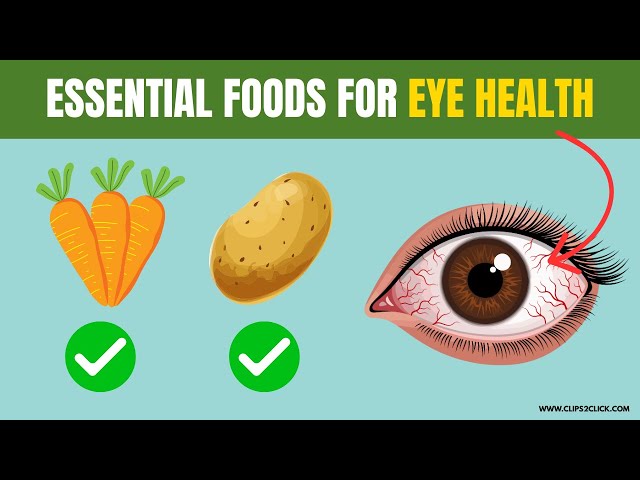
Protect your vision by starting with what is on your plate! In this video, we explore the best foods for eye health to help you maintain sharp vision and defend against oxidative stress. Your eyes work hard every day and require specific nutrients like lutein, zeaxanthin, and omega-3s to perform their best.
FULL ARTICLE
https://s-mx.cc/abbtU
Subscribe the Channel: https://s-mx.cc/subs-c2c
Donate Us: https://s-mx.cc/donate-c2c
Store: https://www.nextsalelk.com
Like us on Facebook: https://facebook.com/clips2click
Follow on Twitter: https://twitter.com/nextsalelk
Follow on Pinterest: https://www.pinterest.com/nextsalelk
Follow on Instagram: https://www.instagram.com/nextsalelk
More on: https://s-mx.cc/subs-c2c
Thank You!
#EyeHealth #VisionProtection #HealthyEyes #Superfoods #NutritionTips #EyeCare #Lutein #Omega3 #HealthyVision #Wellness
Show More Show Less View Video Transcript
0:04
Hey, have you ever thought about this?
0:06
That vibrant orange color in a carrot.
0:08
What if I told you that exact nutrient
0:10
could be the key to keeping your vision
0:12
sharp for years? Well, today we're going
0:14
to dive into that powerful and honestly
0:17
pretty delicious link between what's on
0:19
your plate and how well you see.
0:22
All right, so first things first, let's
0:24
get a clear picture, pun intended, of
0:26
what our eyes are really up against. Cuz
0:28
in our modern world, the daily challenge
0:29
they face is well, it's more intense
0:31
than ever before. So, this really begs
0:34
the question, right? Are you actually
0:36
feeding your eyes what they need to
0:37
thrive in this demanding world? I mean,
0:39
think about it. From the second you open
0:41
them in the morning to the moment you
0:42
close them at night, they are working
0:44
non-stop to bring your world into focus.
0:47
Yeah, just think about it for a second.
0:48
Our eyes are constantly bombarded with
0:50
blue light from all our screens.
0:52
Internally, they're fighting off
0:54
something called oxidative stress. It's
0:56
just a natural part of how our bodies
0:57
work. And on top of all that, there's
0:59
the natural aging process. It's like
1:01
this triple threat, and it definitely
1:03
demands a really strong defense. But
1:05
here's the good news. We're not
1:07
defenseless at all. We can actually
1:09
assemble this incredible team of
1:11
nutrients to protect our vision. So,
1:14
let's go ahead and meet the key players
1:16
on your vision's own personal defense
1:18
team. Okay, first up, we've got Luteine
1:21
and Zeazanthin. People call them
1:23
nature's internal sunglasses. And you
1:25
know what? It's not just some catchy
1:27
phrase. These things actually build up
1:29
in your retina and create this
1:30
protective layer that literally filters
1:32
out that nasty high energy blue light
1:35
before it can cause any damage. How cool
1:37
is that? Next in the lineup are the
1:39
antioxidant vitamins A, C, and E. The
1:43
best way to think of them is like your
1:44
eyes personal security detail. They're
1:47
constantly on patrol, neutralizing these
1:49
unstable little troublemakers called
1:51
free radicals that can just wreak havoc
1:53
on your cells. And then we have the
1:55
incredible omega-3s. These things are
1:58
total multitasking marvels. First off,
2:00
there are fundamental building block for
2:02
the light sensing cells in your retina.
2:04
But wait, there's more. Their
2:06
anti-inflammatory powers can help fight
2:08
the irritation and discomfort of dry
2:10
eye. So you're getting structure and
2:12
comfort all in one package. And we
2:14
absolutely cannot forget the ultimate
2:16
team player, zinc. Zinc is basically the
2:20
crucial delivery truck. It's what
2:22
transports vitamin A from your liver all
2:24
the way to your retina, right where it's
2:26
needed most. Plus, it helps produce
2:28
melanin, which is a pigment that gives
2:29
your eyes another vital layer of
2:31
protection. Super important. All right,
2:34
so we've met the nutritional dream team.
2:36
The big question now is, how do we get
2:38
them off the screen and onto our plates?
2:40
Well, it's time to build your
2:42
nutritional toolkit. Okay, first stop,
2:45
the garden. To get that powerful dose of
2:47
luteine and ciaexin, you remember our
2:49
internal sunglasses. You want to be
2:51
loading up on dark leafy greens. I'm
2:54
talking spinach, kale, collarded greens,
2:56
swish chard, all the good stuff. Then
2:59
for vitamin A, just look for those
3:00
vibrant colors. Carrots, sweet potatoes,
3:03
those bright red and orange bell
3:05
peppers. They're all fantastic choices.
3:07
The rule of thumb here is super simple.
3:09
A more colorful plate means a better
3:11
protected eye. Next up, we're heading to
3:13
the land and the sea for those critical
3:15
omega-3s and zinc. So, for the omega-3s,
3:18
think fatty fish. Salmon, mackerel,
3:20
sardines. They're just packed with the
3:22
healthy fats your retinas are literally
3:24
made of. And when it comes to zinc,
3:26
well, oysters are the undisputed
3:28
champion. But don't worry, you can also
3:30
get a great supply from lean beef,
3:31
poultry, and even eggs. And of course,
3:34
we can't forget these powerhouses. For a
3:36
serious boost of vitamin C, you'll want
3:38
to reach for things like oranges,
3:40
lemons, and all kinds of colorful
3:41
berries. For vitamin E, nuts and seeds
3:44
are your best friends. Think almonds,
3:46
walnuts, sunflower, and chia seeds. And
3:48
hey, here's a fun one. Dark chocolate.
3:51
Yep, the stuff in it can actually help
3:53
improve blood flow to the retina. See, I
3:55
told you protecting your eyes could be
3:57
delicious. So, this chart right here is
3:59
a fantastic little summary of everything
4:01
we just talked about. It lays it all
4:03
out. the key nutrient, what its main job
4:05
is, and the top foods to find it in.
4:07
Honestly, this is a great one to just,
4:09
you know, screenshot for your next trip
4:10
to the grocery store. Super handy. Okay,
4:13
so a nutrient-rich diet is absolutely
4:15
the cornerstone of eye health. No doubt
4:17
about it. But it's not the whole story.
4:20
A truly comprehensive strategy for
4:22
protecting your vision actually goes
4:23
beyond what's on your plate. Let's take
4:25
a look. It boils down to four simple but
4:28
really powerful habits. Number one, keep
4:30
building that colorful plate. We talked
4:32
about that. Think Mediterranean diet.
4:35
Number two, protect your eyes from the
4:37
outside world. Wear those sunglasses,
4:39
maybe a wide-brimmed hat. Number three,
4:42
stay hydrated. Drinking plenty of water
4:44
is so important to prevent that dry,
4:46
gritty feeling.
4:48
And number four, and this is a big one,
4:50
don't skip your regular eye exams. They
4:52
are so key for catching any potential
4:54
problems early on. So, what about
4:57
supplements? It's a common question.
4:59
Well, the consensus is pretty clear.
5:01
They're no substitute for a healthy diet
5:03
packed with real whole foods. That's
5:05
always priority number one. However,
5:08
they can be a really useful tool to fill
5:10
in any nutritional gaps. You know,
5:12
especially for some of those harder to
5:13
get nutrients like lutin, zeanthin, or
5:16
omega-3s. Wow, we've covered a lot of
5:18
ground today, right? From the
5:20
antioxidant bodyguards to all the
5:22
delicious foods that supply them.
#Nutrition
#Vitamins & Supplements
#Vision Care