Up next in 10

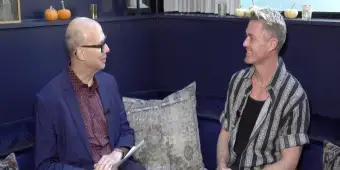
Video: How Spencer Liff Made Theater Out of DRAG
Nov 22, 2024


Drag: The Musical is bringing audiences to their feet every night at New World Satges, and the man behind the extravaganza is Spencer Liff. Watch the full interview in this video!
Show More Show Less View Video Transcript
0:00
Hello, I'm Richard Ridge for Broadway World
0:02
We're back at the civilian where I caught up with award-winning director-corriographer of the new Drag the Musical
0:09
Please welcome Spencer Lyft. Well, first of all, congratulations. Welcome back to New York with Drag the Musical
0:16
How exciting is this? Well, it is my directorial debut here now
0:22
I've been in the biz quite a while, and I've been sort of working my way towards this
0:26
And so to be here and to have it be with this show, something. that was developed in LA, where I've been living for the past couple of years
0:32
This was finally the reason for me to pack up my bags and move back to New York, so I'm thrilled to be here
0:38
So how did the show Drag come about that you got involved in it? I've read the script about, I would say, six years ago
0:44
I was put together with the writers to just talk about possible projects
0:48
This was a script that was already in development, very, very different back then. And I read it, and it jumped off the page to me
0:54
I could see it so clearly in my head, and I knew that this would end up being something that I'd be a part of
0:59
So we did what you do. We developed it for years and I brought it to the bourbon room in Los Angeles so that we could do a live workshop of it because I knew a workshop of a show with Drag Queens was not going to work in a rehearsal studio under fluorescent lights with no fans there to really give the energy
1:16
So we over Pride Weekend in LA two years ago, we did our first workshop and did two developmental productions along the way in the bourbon room to get us here
1:26
So what was that like? What did you learn from the show there? I mean, one, we learned the fan base for these queens is unenvious
1:34
I mean, we sold our shows out so quickly there, and we had lines around the block to get tickets
1:40
and I think that it was pre-Jinks selling out Chicago here, and I think people did not understand the box office draw
1:47
that these queens could have in a theatrical setting. And so that was eye-opening
1:51
It brought attention to the producers. And then just learning, one, like how different it was to rehearse this show
1:59
with men in a room, not in drag, and then to put it in front of an audience and see the show come alive
2:05
it was the first time we did it, I was like, okay, this is now what we've got here
2:10
And I learned from then on we had to have a short rehearsal process and a long preview process
2:14
because the show doesn't really come alive until you have the audience
2:18
and you have the queens fully in there, you know, in the regalia
2:22
Yeah, it's a big show. I mean, the sets and lighting, everything's beautiful
2:26
I am obsessed with our set. Jason Sherwood did. an incredible job. I did my first show with Jason over 10 years ago at Goodspeed, a very small
2:34
show there and just been following, you know, each other's work for years. And another good friend
2:39
of mine, Aaron Ryan, who I've known for 15 years is a brilliant projection designer. And so I brought
2:44
them on board, you know, as soon as I could. And what was interesting and helpful about doing the show
2:49
at the Bourbon Room, we did that show on the set of Rock of Ages because the Bourbon Room was built
2:53
for the L.A. production of Rock of Ages. So I made the show work in that setting all along, like really
2:58
getting to learn what I would need for this set. Oftentimes you have to commit to a set before
3:03
you're out-of-town tryout, and then you don't really get to make that many changes before you
3:07
come to New York. I had a laundry list of, okay, we need eight-foot-tall doors because when the drag
3:13
queens walk through the doors with their heels and their hair, like they don't want to slouch to get in
3:18
the room. And, you know, I knew I needed all these staircases and runways, and what we fell in love with
3:23
there was that the front of the proscenium was all cocktail tables. And that just felt like an element
3:28
I wasn't willing to give up. So we ripped the first couple of rows of seats out of New World stages, and we recreated the feel of that
3:35
and I love it here. Talk about the collaboration with the writers. Who are they
3:40
So it's a team of three that share, you know, book, score
3:45
and all creative elements, and that's Alaska, who is also starring in the show
3:51
and Ashley Gordon and Tomas Casanza. Alaska got the relationship with Tomas and Ashley
3:55
because they produced all of her records. They actually produced kind of the first hit drag album with Sharon Needles, who was Alaska's X
4:02
And over the years became the go-to people that all these queens would go to when they wanted their studio albums done
4:08
That gave them the relationship with every major queen that is part of our show and part of what was the concept album that began the show
4:16
There's tons of people on that concept album, Bob the Drag Queen and Monet and Michelle Vassage
4:23
And so they just had the contacts to go to these people
4:27
and get them involved. And that's sort of how we got the access
4:31
to the big stars that we have. Yeah. The show is so clever. Briefly, how do you describe Drag the Musical
4:38
It's an explosion of a drag queen's brain all over the set, all over the room
4:45
It doesn't really live in reality for much of the show. And then we get some really incredible characters
4:52
that are more grounded that represent all walks of life in the show
4:56
You know, the basic plot is two rival drag queens that have built two houses that hate each other across the street from each other
5:04
And they both fall on financial hardship from their own separate issues
5:09
And then we meet a cast of very colorful and diverse characters that come in and out of the plot to push things along
5:16
And one of them is Nick Adams' brother, who's played by Joey McIntyre
5:21
And they have an estranged brother relationship that is mirroring many, many, including
5:26
myself gay relationships with family members. And that plays out beautifully on stage
5:31
There's a lot of personal stuff from my own relationship, from Alaska's relationship that's in that scene between the two of them
5:36
And then there's a young character named Brendan who finds himself fascinated with beautiful, colorful, sparkly clothes
5:44
and has a dad that doesn't wrap his head around wanting his kid to dress like that
5:48
And through the journey of the show, we all, you know, realize that what you wear
5:53
just doesn matter if it makes you feel great And I you know I so excited that there are parents that have kids that feel that way and these parents are bringing their kids to their show to our show and showing them on stage representation that it is fine to be themselves
6:07
That's a pretty amazing thing. It's a beautiful love story, too, between just siblings and, you know, relationships
6:15
The relationship story in this show is wonderful and is so entertaining. It's so funny
6:19
So let's talk about the audience. When I was there, it was great to see elders, young people, people with their kids bringing them
6:26
I mean, fans of, you know, the drag world and everything else. Such an incredible audience you get to this show
6:32
You couldn't get a ticket last night, could you? No, I went to my show last night, and I like to show up and, you know, watch a note in the back
6:38
And I went to the balcony first, and there was not a seat to be had. I went to the orchestra, and it was completely full
6:43
And I thought, it's exciting because we've got the word of mouth going. And, you know, we're an off-Broadway show, and we don't get to do the full page out of it
6:51
in the Times and the billboard and Times Square, we have to rely on people coming and loving it
6:55
and telling their friends and their families and their parents. And so we've had, we've been running a couple weeks
7:01
We have people that have seen the show 10 times already, you know, coming back, flying in from another state
7:08
and watching the show four times in a weekend and just absolutely loving it
7:12
So, you know, that feels good. Our show is for everybody. And then, like, riding it with Tomas
7:17
who's a straight guy, Asch who was a straight girl and an AFAP drag queen
7:21
Alaska is a drag queen and me as a gay man. We had a lot of viewpoints that were able to contribute and say
7:28
like, I'm feeling left out of this part or I'm not feeling represented here
7:33
And I think that that is now paying off in spades with our audiences. Even the straight guys who come to the show, they get their moment, they get their song
7:40
And I, you know, you're going to change and open so many more hearts when you just make it for everybody
7:47
And that was the mission statement from the beginning. Yeah. That must make you feel so great when you realize people walk out of this and have the best time
7:57
Straight, gay, everything in between. Everybody loves this show. They do. And I think we achieve that by not, you know, we are still a very niche gay show
8:06
There's a lot of, like, gay references and very authentic queer representation on our stage
8:10
And we were able to hold on to that and still just make it open to the family from Long Island
8:17
that brought their grandparents and they're all leaving, like singing the songs and having a blast
8:21
And that is not the easiest thing to do. You know, you can, I've done a lot of gay shows in my career, Headwig and falsettoes and head over heels
8:30
And they often, you know, they can have great mass appeal or you get just stuck into like a very
8:35
small fan base. But we want to be a show that can go global, that can play all over the world and that can make, you know, a mark all over
8:44
Yeah. You know, talking about that, what a career you have. I mean, you started age seven
8:49
Yeah, yep. When you got your equity card? Equity card. My first audition was for Tommy Tune himself, and he pulled me aside and told me I was going
9:00
to get a call back, and I got that show. I went on the road with Roy Rogers Follies playing Freddie, the youngest one, was the first cast
9:06
of the national tour. So I got to stand there in the wings and watch Tommy Tune direct this staircase full of
9:13
incredible showgirls, and I knew in that instance. that like I'd do this for the rest of my life
9:18
and that I would be Tommy Toon one day. And you are. We're making our way there
9:23
So your Broadway debut was big just like a few years later
9:28
A few years later, I was 10 years old. Another brilliant Susan Stroman was the choreographer of that show
9:33
And it was just, you know, I was so blessed early on to work with the best people
9:39
And, you know, to collect how they worked in a room, how they told story through movement, how their use of props
9:45
Like all the things that I am very proud to have in my bag of, you know, ofaricks now, I would say
9:51
came from those that early exposure to the best. Yeah. Crybaby is where everybody sort of took notice of you, right
9:58
Didn't you win like the Fred Astaire Award? I did. I did. At the time, I was the youngest person to win the Astaire Award
10:03
I was in the ensemble. I was, it was the first time that I was associate choreographer to Rob Ashford, who I had first met doing the wedding singer
10:11
And Cry Baby was a huge dance show. We danced our butts off in that show
10:15
I loved it. And yeah, it was a beautiful, very cool experience
10:21
The show didn't last that long. It was a great lesson that you can love something
10:25
I worked on that show for almost three years from workshops and out of town, and it only ran a couple months on Broadway
10:29
But it made a big difference in my career personally. And then right after that, I went and did Equest
10:37
which was a play with no dancing in it, really. But I was the dance captain for all the movement for the horses in that show
10:44
No, but that must have been great though to learn how to mime and do all that, that sort of stuff in a play
10:50
It was. I made the choice because I wanted to be around, you know, straight play actors
10:53
I wanted to see how they worked. I wanted to see how that director worked with those actors
10:58
And so we were representing movement within a piece, but it was a choice, you know, along the way, you know
11:04
you've got to keep working with all, you know, every kind of person you can and just learning, you know, as best you can
11:09
And I did. I got to assist greats along the way like Warren Carlisle and Kathleen Marshall and Sergio and like, you know
11:14
Everybody that is the top of their game I got to be in a room with at some point
11:19
Now head over heels, we all fell in love with that musical. What's your biggest takeaway from working on that
11:25
I mean that you gotta do exactly what you want, like you gotta follow your heart
11:30
and put what you want on stage. I was so proud of that show. And again, it was something that, like
11:35
it was ahead of its time. I'm gonna say that and I feel like with some hindsight you can look back
11:40
We had a lot of things on stage that people hadn't seen before. We were the first show to ever use
11:44
them pronouns, which at the time, people were like, what is that? Did you make that up
11:48
And like you know just a year later that was something that was in the vocabulary But it was a partnership with Michael Mayer that I had made from Hedwig and he allowed me to be part of that creative process in such a huge way and make my mark as you know the choreographer of that show
12:06
I thought the dancers were absolute stars in that show. The choreography moved that show forward, and it was everything that I wanted to be as a choreographer I get to show in that
12:16
Yeah. Going back to Michael, Hedwig, you got to create the musical staging
12:22
with you starting with Neil Patrick Harris with Darren Chris I mean so many incredible people Andrew Reynolds everybody who went into that show I mean what did you
12:29
take away from that show too because you got to work with deal again on TV right
12:33
yeah well Neil is the reason that I got that show I had been doing on how I met your
12:37
mother in LA had done that for a couple years creating numbers for him when I moved
12:41
to LA not only so you think you can dance but I worked a ton on the sitcoms single cam
12:45
multi-cam and so I met him when he wanted to come to New York he was very comfortable
12:50
working with me I had worked with Michael on Smash as an actor. And so, you know, Michael was like, great
12:55
Let's have Spencer, you know, do this. It'll be his debut. It'll be great
12:59
And so the show was created for Neil. And then what I learned from that is that you can't like
13:04
like something that works on one person is not going to work for everybody
13:08
You have to be adaptable. Even though that show was a hit and won the Tony, it didn't mean that when the next person
13:13
came in, we went, okay, well, how are we going to make this work on you? And that is not telling you to do every single step the way that Neil did
13:19
So I spent time with every single one of those actors. and Taylor made the show to look good for them
13:25
and to let them have some ownership over what that movement was
13:29
And so that was two plus years in my life of continually reinventing that
13:34
And I think I will take that with me now because they're, you know, drag with everybody
13:39
that's going to come into this show and we already have some very exciting replacements besides Adam Pascal who's coming in
13:44
We have some exciting drag, huge drag superstar replacements that are in the works
13:49
and they won't want to do or they shouldn't be doing. what Alaska and Nick and all these other queens doing
13:54
So I'm gonna have to go back in and continue to develop the show and make it work for everyone that comes in
14:00
Yeah, well, you branched out into a lot of television, which I'm fascinated with
14:04
10 years on how I want to dance? So you think you can dance? Yeah
14:08
And some dancing to the stars. And that was, you know, a game changer for me
14:13
And won't come around again to be able to, as the choreographer
14:17
you really were the director of your piece. Every week you gave him a number
14:22
but you decided your music, your story, your costumes, your lights, your makeup, every single element had to come from you
14:28
And that prepared me to be a director because I saw things then. It wasn't about the steps
14:33
It was like, how am I telling this whole story? And you did that for a week and then finished and then you had to come up with the next one the next week
14:41
And it just kept your brain continually processing, doing things and letting them go and starting things anew
14:49
And so I got to do that. And then I got to do a lot of fun, you know, like I said, sitcom TV work and work with some major A-list stars and, you know, do fun, sometimes silly dance things with them, sometimes big things
15:00
But I, you know, I love working with the camera. You have so much more control with a camera
15:05
You can tell the eye exactly what you want to see, and you can line up your shots. And you, you know, you just get to, you get to show the viewer exactly how you see it
15:13
And when you work in a proscenium, you just have a much bigger canvas to paint on. Yeah
15:17
So you think you can dance would be like what variety shows, used to be years ago where it changed every week
15:23
Yeah. You know, you, like I said, you could have a huge hit of a number one week
15:28
and then the episode would finish and you'd be back in the studio the next week, you know, coming up with something new
15:33
And you were like, okay, well, how am I going to talk myself or what are we going to do this week? And we're also working with, you know
15:37
dancers in every style in that show. And I was doing the Broadway and the jazz
15:42
So you'd get a B-boy and a Latin ballroom girl and you'd think, well, I've got to put them into like a Fossi-style piece
15:47
in six hours of rehearsal. that sharpens your craft very quickly to be able to do that
15:53
And you had a few Emmy nominations for that show too, right? I did for that show. I was very, you know, very proud of that
16:00
And like I said, holding down my Broadway style on that show and getting the Emmy Noms for that up against, like, you know
16:06
the incredible contemporary pieces. And that was, those were always crowd favorites
16:10
And I sort of always very proudly rep the Broadway world on that show
16:14
Yeah. You've also done a lot of film. One of your latest was The Toxic Adventure
16:18
Yeah, which is coming out soon. Yeah, okay. It's been showing at some festivals and things, but it is coming out
16:24
It was with Peter Dinklage and Jacob Tremblay. And funny enough, I actually had to choreograph that movie completely via Zoom
16:31
because it was shooting during the pandemic in Bulgaria, and they couldn't get me into the country
16:37
So I was in a dance studio in the middle of the night or in my living room if I couldn't get into a dance studio
16:42
on Zoom choreographing on set from afar, which was a brand new experience for me
16:48
So you've done it all, sort of. We have, well, during that time we did
16:51
during that time we did a lot of, you had to create a lot of stuff on Zoom
16:55
I did, I worked on, you know, I had a production of Spring Awakening that opened in Shanghai
17:01
in January of 2020. So I was in China when the pandemic broke out
17:05
They shut the show down and when they were able to finally get it up again, I wasn't able to go
17:09
So I re-rehearsed the show in China from my, from my living room in the middle of the night in LA
17:14
Now, Spring Awakening was a big personal favorite for you because of the sign language
17:18
dance. Talk a little bit about that. Well, I mean, the version we did here, the revival I did with Michael Arden, was, you know
17:24
that was incredible, something I'm the most proud of in my career. And that was another piece that developed in L.A. in a very small warehouse and made its way
17:32
to Broadway. And that, you know, it was a beautiful moment for representation on Broadway
17:40
But this version, the version that I did in China was a brand new version that I was directing
17:45
that was based a lot on the way that a Chinese opera tale would be told to is massive scale production of Spring Awakening But that show has been incredibly meaningful in my life and you know has gotten to do some very cool you know versions of it throughout my career
18:02
Yeah. I wanted to mention the vintage Cheetah. That's a new section of your life
18:07
right? It is. What is that? So I, again, during the pandemic, when there was not a lot of
18:12
work to be had, you know, I have always had a major love of vintage clothing. It's been part of my
18:17
my life since I was like, you know, 13-year-old boy going to all the flea markets in New York City
18:22
And I have amassed a huge collection of vintage clothes. And I also sort of always styled myself
18:28
and always made a lot of my own jewelry. And during that time, I was, I started to want to sell
18:35
you know, and be able to create and use my artistic eye. And there was not a place to do that
18:41
in the theatrical world. So I started, I started for myself selling at the flea markets and had
18:47
a pop-up in my own home where I started styling other people, and that is continued
18:52
and now I have a large group of my friends and coworkers that will come to me to style them for carpets now
18:59
and will come to me for custom-made jewelry pieces. And that then has made its way into my own productions where I have a very specific viewpoint and eye
19:08
about how I want my clothes to be in my shows. And, you know, for drag, we had the incredible Marco Marco who did these drag costumes
19:15
and it was part of my, you know, one of my favorite parts of the process was sitting down with him in his studio for just like, you know, weeks and then, you know, over the years and creating these looks with him
19:25
And I was so, I'm so thrilled with what he did. My future productions, I will be adding costume designer to director choreographer
19:33
That is definitely in the pipeline for me. And a lot of the shows I have coming up will, I will be now utilizing that scale
19:40
Beautiful. Finally, you know, ever since we came out of COVID, the business has become a lot of hard
19:45
harder for people to start in or even people at different levels of their career
19:50
What advice we have a lot of young people who watch at Broadway World or people who want
19:54
to restart their careers, what advice would you give to somebody who wants to be a dancer
19:59
and break into like just like musical theater or break into Broadway or something like that
20:03
What advice would you give them? One which seems simple is like you have to say yes to every single opportunity that comes
20:13
your way. And sometimes at the beginning that's like doing anything for free, getting in a room with people that you are a fan of, because you're going to, like I said, you're going to learn a ton from them
20:26
You have to have a strong sense of who you want to be in the business, who you think that you are, and you have to figure that out and show that in a room, which can be difficult when you're coming up
20:36
But do not try to be like other people that you see
20:41
the more individual you are and the more you walk into a room or a dance class and just own
20:48
I am in my own lane, I am confident with who I am. Like that's what's going to make you stand out
20:53
There's many paths that you can go as an early dancer. One of them, which a lot of people might not think is a good option for them
21:00
would be going on a cruise ship. I did that when I was 18 for fun, and I loved dancing on a ship and you dance in a ton of different styles
21:06
and you get a lot of training that can equal the kind of training you would get if you go to college
21:10
which not everybody can afford. But you are going into an industry that is very saturated
21:15
You have to decide if you're going to go to L.A. or you're going to go to New York. I think a lot of that decision would be made on if you can sing or not
21:24
If you're not confident in your voice, New York is going to be a lot tougher for you than it would be in L.A.
21:28
which there's not a lot of jobs in L.A. that require singing. So those are two things that you can think about where you want to move
21:36
But, man, in every field, you know, it's gotten a lot. harder. There's less jobs now and there's more people that are doing it and you got to have a
21:46
thick skin and you got to push through. We all, you know, we went through some tough times. I've had
21:51
had a very long career and I've never for a second not believed that I was going to do it until
21:57
my last day on this earth. And I think you got to have that amount of commitment and passion to
22:03
push through and make it. What do you look for in a room when someone comes into audition for you
22:08
Man, it's so, it's so easy to tell because you can't take your eyes off somebody
22:14
And it's how, you know, I'm watching from the moment they walk in, how they put their dance bag down, what shoes they've got on
22:20
Like, there's so many things that sort of tell you about a dancer, and that comes from many years of being in those dance calls
22:27
And, you know, it's just so very clear who's got that it factor
22:32
And I always put those dancers on my stages because I'm not looking for cookie cutter
22:36
I'm looking for somebody that's going to do my choreography cleanly, but make it completely their own
22:42
and bring instant performance in the audition room. That's just something that a lot of dancers aren't able to do
22:49
in an immediate setting. And when I'm in a rehearsal, I want to see it
22:53
I want to see show level from the jump. Yeah. Finally, what are you enjoying the most
22:57
about having dragged the musical in New York? I mean, the people that are getting to come
23:02
and, you know, write me after, just like all the people that I've lived in New York
23:06
with that have been part of my career and part of, you know, getting me to this point
23:11
to get to have the mentors and those kind of people come and see it. And that has been great
23:16
I live right across from our stage door. So I, if I'm coming home at night, if I'm at the show
23:23
or not to see the mob of people outside our door waiting to meet our cast, I get filled with
23:28
pride and joy for that and just feel like it's just a huge accomplishment that we worked so hard for
23:34
and didn't give up on and we've gotten to this to this point now and you know i'm letting myself
23:40
celebrate that right now yeah it's been great catching up with you like i said i knew you since
23:44
big at the schubert theater and everything else you've accomplished since then we both look
23:48
exactly the same we do spencer congratulations my friend welcome back
#Entertainment Industry
#Movies
#Music & Audio
#Performing Arts
#Animated Films
#Musical Films
#Vocals & Show Tunes
#Broadway & Musical Theater