Up next in 10


What is the Trichinella Spiral?
Website: https://biologynotesonline.com/
Facebook: https://www.facebook.com/biologynotesonline
Instagram: https://www.instagram.com/biologynotesonline/?hl=en
Show More Show Less View Video Transcript
0:00
Hey everyone, today we're diving into
0:02
the fascinating world of Tchanella
0:04
spiralis, a microscopic parasite that
0:06
has a surprisingly big impact on human
0:08
health.
0:10
Tchanellis spiralis is a nematode
0:12
parasite. Essentially a tiny round worm
0:15
that's invisible to the naked eye. But
0:17
don't let it small size fool you. This
0:20
little organism is the culprit behind
0:22
tchkinosis, a disease that can make
0:24
people seriously ill.
0:26
The main way people get infected with
0:28
tchinella spiralis is by eating
0:30
undercooked meat, especially pork.
0:34
When meat isn't cooked to the proper
0:36
temperature, these parasites can survive
0:38
and make their way into our bodies.
0:41
To understand how this parasite affects
0:43
us, we need to look at its complete life
0:45
cycle. It's actually quite fascinating
0:48
and a bit scary how this tiny organism
0:50
has evolved to survive and spread.
0:54
This isn't just an academic curiosity.
0:57
Tchanella spirales has real public
0:59
health significance. While cases have
1:01
declined dramatically in developed
1:03
countries due to better food safety
1:05
practices, it still affects thousands of
1:08
people worldwide each year.
1:10
Understanding tchanella spirales is
1:12
crucial for anyone interested in food
1:14
safety, public health or parasettology.
1:17
In the following sections, we'll dive
1:19
deeper into exactly what this parasite
1:22
is, how it completes its life cycle, and
1:24
most importantly, how we can protect
1:27
ourselves from infection. Tchanellis
1:29
spirales is a fascinating yet dangerous
1:31
parasite that has been affecting humans
1:33
and animals for centuries. Understanding
1:36
what this organism actually is will help
1:38
us grasp why it poses such a significant
1:41
health risk.
1:43
Tchanella spiralis is a nematode, which
1:45
is a type of roundorm. Despite being
1:47
microscopic, this tiny parasite can
1:50
cause serious health problems by
1:52
infecting the muscle tissue of mammals.
1:54
Here we can see the anatomical structure
1:56
of both male and female tchanellis
1:59
spiralis.
2:00
Like other nematodes, they have a simple
2:02
body plan with distinct reproductive
2:04
organs and a digestive system.
2:07
Tchanellis spirales can infect a wide
2:10
range of mammals. This includes pigs,
2:12
humans, bears, rodents, and many other
2:14
warm-blooded animals. The parasite is
2:17
not picky about its host. Tchanella
2:20
spiralis is often called the pork worm
2:22
because pork has historically been the
2:24
most common source of human infection.
2:27
Pigs can easily become infected when
2:30
they eat contaminated food scraps or
2:32
rodents.
2:33
However, tchanella spiralis is not
2:36
limited to pork. Wild game animals like
2:38
bears, wild boars, and even walrus in
2:41
arctic regions can carry this parasite.
2:44
This is why hunters and people who
2:45
consume wild game need to be especially
2:47
careful. This microscopic image shows
2:50
what tchinella spiralis looks like when
2:52
it has formed a cyst in muscle tissue.
2:55
The parasite encases itself in a
2:57
protective capsule where it can survive
2:59
for years waiting to infect a new host.
3:02
To summarize, tchanellis spiralis is a
3:05
roundworm parasite that can infect many
3:07
mammals including humans. While it's
3:09
called the pork worm due to historical
3:11
associations with pork consumption, it
3:14
can also be found in wild game and other
3:16
meat sources. The tchanellis spiralis
3:19
life cycle begins with a simple but
3:21
dangerous act, eating infected meat.
3:23
Understanding this first crucial step
3:26
helps us see how this parasite enters
3:28
our bodies. Here we see infected muscle
3:30
tissue under a microscope. Those
3:32
oval-shaped structures you see are
3:34
cysts, protective capsules that contain
3:37
coiled tanella larve. Each cyst is like
3:40
a tiny sleeping chamber where the
3:42
parasite waits. When someone eats this
3:44
infected meat, whether it's undercooked
3:46
pork, bear meat, or other infected
3:48
animal tissue, they unknowingly consume
3:51
these insisted larve. The infected meat
3:54
containing these insisted larve is
3:56
consumed and begins its journey through
3:58
the digestive system. Once the infected
4:01
meat reaches the stomach, something
4:03
remarkable happens. The acidic
4:05
environment and digestive enzymes begin
4:07
to work on those protective capsules.
4:10
Inside the stomach's acidic environment,
4:12
the protective capsules that surround
4:14
the larve begin to dissolve.
4:16
The stomach acid and digestive enzymes
4:19
break down these tough outer shells. As
4:21
the capsules dissolve, the larae are
4:24
released from their protective shells.
4:26
These tiny worms, now free in the
4:28
stomach, are ready to begin the next
4:30
phase of their life cycle. These
4:32
released larve are now active and ready
4:35
to move to the next stage of their
4:36
journey through your body. This marks
4:39
the end of the first phase, getting
4:41
started, and sets the stage for what
4:44
happens next. Remember, this entire
4:46
process begins with eating infected
4:48
meat.
4:50
The protective cysts dissolve in your
4:52
stomach, releasing active larve that are
4:54
ready to continue their life cycle in
4:56
your body. Now we follow the tchinella
4:58
larvae as they reach their destination,
5:00
the small intestine. Here, a remarkable
5:03
transformation takes place as these tiny
5:05
parasites mature into adult worms. The
5:08
small intestine provides the perfect
5:10
environment for the larve to develop.
5:13
Let's examine the structure of the
5:15
intestinal wall where this maturation
5:17
occurs. The intestinal villi provide an
5:20
ideal environment rich in nutrients.
5:23
Here the larve undergo rapid
5:25
development, growing in size and
5:27
developing their reproductive organs.
5:29
After several days of development, the
5:31
larve transform into mature adult worms.
5:34
These adults are much larger and have
5:36
fully developed reproductive systems.
5:39
Here's a key concept. Female tchanella
5:41
worms are viviperous. This means they
5:44
give birth to live larve, not eggs like
5:47
many other parasites. This is an
5:49
important distinction in their
5:50
reproductive strategy. The female worms
5:52
can produce hundreds of larve over
5:55
several weeks. These newborn larve are
5:58
immediately ready to begin the next
5:59
phase of their life cycle. They will
6:01
burrow through the intestinal wall and
6:03
migrate to muscle tissue.
6:06
This viviperous reproduction strategy is
6:08
highly effective for tchanella. By
6:11
producing live mobile larve instead of
6:13
stationary eggs, the parasite ensures
6:16
its offspring can immediately begin
6:18
seeking new host tissue to colonize. Now
6:21
we reach a critical phase in the
6:23
tchanella spiralis life cycle. The
6:26
newborn larve have just been released
6:28
into your small intestine and they're
6:30
about to begin their journey throughout
6:31
your body. These microscopic larve are
6:34
incredibly small, but they possess a
6:37
remarkable ability. They can actually
6:39
penetrate through the wall of your small
6:41
intestine, breaking through the
6:44
protective barrier that normally keeps
6:46
intestinal contents separate from your
6:48
bloodstream.
6:50
Once they break through the intestinal
6:51
wall, the larvae enter your bloodstream.
6:55
Your circulatory system becomes their
6:57
highway, carrying them to every corner
7:00
of your body through your blood vessels.
7:03
But these larve aren't traveling
7:04
randomly. They have a specific target,
7:07
striated muscle tissue. This is a
7:09
particular type of muscle that makes up
7:11
your skeletal muscles, the muscles you
7:13
use to move your arms, legs, and other
7:15
body parts. The larve specifically seek
7:19
out muscles throughout your body. your
7:21
arms, legs, diaphragm, tongue, and even
7:24
the muscles that control your eye
7:26
movements. All of these contain the
7:28
striated muscle tissue that tchinellis
7:30
spirales larve prefer.
7:33
This muscle invasion phase is crucial
7:35
because it's where the larae will
7:37
establish their long-term residence in
7:39
your body. The rich blood supply and
7:42
muscle tissue provides them with the
7:43
nutrients they need, while the muscle
7:46
fibers offer protection from your immune
7:48
system.
7:49
After their journey through the
7:51
bloodstream, tchanella spiralus larae
7:53
finally reach their destination,
7:55
striated muscle tissue. This is where
7:58
one of the most remarkable survival
8:00
strategies in the parasite world begins.
8:03
The larve don't just settle on the
8:04
surface. They actively burrow into
8:06
individual muscle fibers using
8:09
specialized enzymes to break down the
8:10
muscle cell membrane and create their
8:12
new home. Once inside the muscle fiber,
8:15
something amazing happens. The larvae
8:17
triggers the muscle cell to form a
8:19
protective capsule around it. This
8:21
process is called insistment, and it
8:23
creates a safe haven where the parasite
8:25
can survive.
8:28
Here's what these cysts actually look
8:29
like under a microscope. You can see the
8:32
oval-shaped capsules embedded in the
8:34
muscle fibers, each containing a coiled
8:36
larvae, waiting patiently inside.
8:40
The insistment phase is essentially a
8:42
waiting game. These larve can remain
8:44
dormant in their protective capsules for
8:47
months or even years. They're
8:49
metabolically inactive, just waiting for
8:51
the right moment. What are they waiting
8:53
for? The next host to come along and eat
8:56
the infected meat. When that happens,
8:59
the digestive enzymes in the new host's
9:01
stomach will dissolve the cyst wall,
9:03
releasing the larvae to start the cycle
9:05
all over again.
9:08
Insistment is truly one of nature's most
9:10
effective survival strategies. By
9:13
forming these protective capsules,
9:15
Tchanella spiralis can survive in muscle
9:17
tissue for years, patiently waiting for
9:20
the opportunity to continue its life
9:22
cycle in a new host. The discovery of
9:25
Tchanella spirales is a fascinating
9:27
story of scientific progress spanning
9:29
nearly four decades. Three brilliant
9:32
scientists each contributed crucial
9:34
pieces to our understanding of this
9:36
parasite. Our story begins in 1821 with
9:39
James Padet, a young medical student at
9:41
St. Bartholomew's Hospital in London.
9:44
While performing an autopsy, Padet
9:46
noticed tiny white specks in human
9:48
muscle tissue that looked unusual.
9:51
14 years later, in 1835, Richard Owen, a
9:54
renowned comparative anatomist, took a
9:57
closer look at these mysterious specks.
9:59
Owen provided the first detailed
10:01
scientific description and gave the
10:03
parasite its name, Tchanella Spiralus.
10:06
The final piece of the puzzle came in
10:08
1859 when Rudolph Vershau, the father of
10:11
modern pathology, made the breakthrough
10:13
discovery. Virow figured out the
10:16
complete life cycle of the parasite,
10:18
explaining how it travels from the
10:20
intestine to muscle tissue. This
10:23
discovery story shows us how science
10:25
builds upon itself. Padet's careful
10:27
observation, Owen's detailed
10:29
description, and Virow's life cycle
10:31
research together gave us the complete
10:33
picture of Tchanella spirales that we
10:35
know day.
10:57
Tchanellis spirales doesn't respect
10:59
borders. It's found worldwide affecting
11:02
thousands of people every year.
11:04
Understanding where and why this
11:06
parasite thrives helps us see the bigger
11:08
picture of this global health challenge.
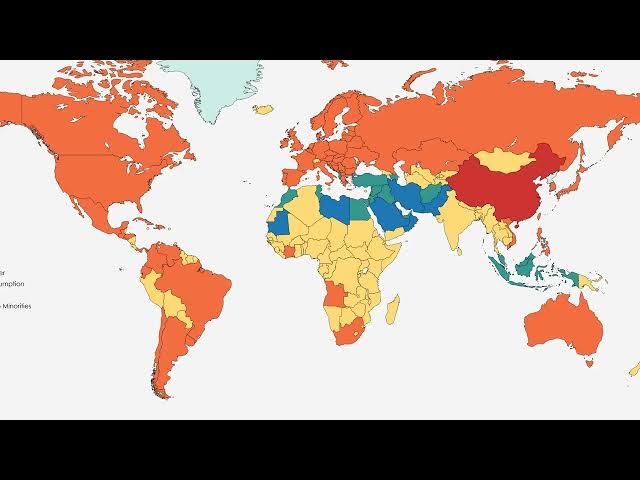
11:11
This world map shows us something
11:13
fascinating about tchinolossis
11:15
distribution. Notice how it closely
11:17
follows patterns of pork consumption and
11:19
availability. Countries marked in red
11:22
and orange represent major consumers
11:25
while blue areas show restricted
11:27
consumption often due to religious or
11:29
cultural practices. Let's look at some
11:31
specific regional examples.
11:34
In the United States, cases have dropped
11:36
dramatically from 400 cases yearly in
11:39
the 1940s to just 16 cases per year from
11:43
2011 to 2015.
11:46
This improvement comes from better
11:48
commercial pork production standards.
11:50
Europe tells a different story. The
11:52
European Union still sees seasonal
11:54
patterns with cases peaking in January
11:56
and February. In 2022, 39 cases were
12:00
reported across 28 countries with Latvia
12:02
and Bulgaria showing the highest rates.
12:05
Most cases come from eating undercooked
12:07
wild boar meat. Asia presents the
12:10
highest numbers globally. China being
12:12
the world's largest pork consumer
12:15
reports significant cases. A 2022 study
12:18
found the highest prevalence in Guangshi
12:20
province. Meanwhile, countries like Iran
12:23
show very low rates due to religious
12:25
dietary restrictions against pork
12:27
consumption. Demographics also play a
12:30
role in tchinolosis patterns. This
12:33
European data shows us that males are
12:35
affected more often than females across
12:37
most age groups with the highest rates
12:39
in young adults aged 15 to 44. This
12:43
likely reflects different eating habits
12:45
and risk-taking behaviors. The global
12:47
picture of tchinolosis shows us clear
12:49
patterns. It follows pork consumption,
12:53
varies by cultural practices, and
12:55
affects certain demographics more than
12:57
others. Understanding these patterns
13:00
helps public health officials target
13:02
prevention efforts where they're needed
13:04
most.
13:06
Tchinilosis symptoms can vary
13:08
dramatically from person to person. The
13:11
severity depends largely on how many
13:13
parasite larae were consumed in the
13:15
infected meat. In mild cases, patients
13:18
typically experience gastrointestinal
13:20
symptoms that might be mistaken for food
13:22
poisoning or a stomach bug. These
13:24
include fever, abdominal pain, diarrhea,
13:27
nausea, and vomiting. However, as the
13:29
larve migrate through the body and
13:31
invade muscle tissue, more severe
13:33
symptoms develop. Muscle pain becomes
13:36
prominent as the parasites insist in
13:38
striated muscle fibers. One of the most
13:41
serious complications is myocarditis,
13:43
inflammation of the heart muscle. This
13:46
can cause chest pain, irregular
13:47
heartbeat and in severe cases heart
13:50
failure. This occurs when larae invade
13:53
the cardiac muscle tissue. The most
13:55
severe complication is encphilitis
13:58
inflammation of the brain. This
14:00
neurological involvement can cause
14:01
headaches, confusion, seizures and
14:04
altered mental status. Though rare, this
14:06
represents the most dangerous aspect of
14:08
tchinolossis. Understanding these
14:11
symptoms is crucial for early
14:12
recognition and treatment. The
14:15
progression from mild gastrointestinal
14:17
symptoms to severe muscle, heart, and
14:19
brain complications shows why prompt
14:22
medical attention is essential when
14:24
tchinylosis is suspected. Diagnosing
14:27
tchinylosis can be challenging because
14:29
symptoms often resemble other
14:31
conditions. Doctors use several
14:33
different methods to confirm the
14:35
presence of tchinella spiralis in
14:37
patients. The first and most direct
14:40
method is muscle biopsy. This involves
14:42
taking a small sample of muscle tissue,
14:45
usually from the deltoid or gastromus
14:47
muscle, and examining it under a
14:49
microscope. Blood examinations can
14:51
reveal important clues. Doctors look for
14:54
elevated levels of muscle enzymes like
14:57
creatine kinace and increased white
14:59
blood cells, particularly eocinophils,
15:02
which indicate the body's immune
15:04
response to the parasite. Cerological
15:06
tests like elysa and western blot detect
15:09
antibodies that the immune system
15:11
produces against tchanella. These tests
15:14
are very useful but may show false
15:15
negatives in the early stages of
15:17
infection before antibodies develop.
15:20
Finally, molecular methods like PCR can
15:23
detect the parasites DNA directly. This
15:25
is a highly sensitive and specific test
15:28
that can identify tchanella even when
15:30
other methods might miss it. In summary,
15:33
doctors typically use a combination of
15:35
these diagnostic methods to confirm
15:37
tchinolossis. The choice of tests
15:39
depends on the stage of infection,
15:41
availability of resources, and the
15:43
patients clinical presentation.
15:45
Treatment for tchinolossis follows a
15:47
severity based approach. The type and
15:50
intensity of treatment depends entirely
15:52
on how severe the infection is and what
15:55
symptoms the patient is experiencing.
15:58
For mild cases of tchinolosis, patients
16:00
typically experience minimal symptoms
16:03
like slight muscle aches or mild
16:05
digestive issues. These cases often
16:07
require only supportive care. Moderate
16:10
cases involve more significant symptoms
16:12
and require active treatment with
16:14
antiparasitic medications. The two main
16:16
drugs used are alendazol and meendazol.
16:19
These antiparasitic drugs work by
16:22
interfering with the parasite cellular
16:24
processes. Miendazole, for example,
16:26
disrupts the parasites microtubules and
16:29
affects glucose uptake, ultimately
16:31
killing the worms. Severe cases of
16:33
tchinylosis can be life-threatening and
16:36
require aggressive treatment. These
16:38
patients need both antiparasitic drugs
16:40
and anti-inflammatory medications. The
16:43
key takeaway is that treatment is
16:45
tailored to the patients condition.
16:48
Early diagnosis and appropriate
16:50
treatment can prevent serious
16:52
complications and ensure full recovery
16:54
from tchinolosis. Most effective way to
16:56
prevent tchinolossis is to cook meat
16:59
properly. When meat reaches the right
17:01
internal temperature, it destroys any
17:04
tchinella spiralis parasites that might
17:06
be present. The critical temperature is
17:09
145° F or 63°.
17:13
At this internal temperature, any
17:15
tchanella spiralis parasites in the meat
17:18
are completely destroyed, making the
17:20
meat safe to eat. Using a meat
17:22
thermometer is essential for food
17:24
safety. Insert the thermometer into the
17:27
thickest part of the meat away from bone
17:30
and fat. This ensures you get an
17:32
accurate reading of the internal
17:34
temperature. This temperature guide
17:36
shows safe cooking temperatures for
17:38
different types of meat. Notice that
17:40
pork requires 145° F, while ground meats
17:44
need 160° and poultry needs 165°.
17:49
These temperatures ensure complete
17:51
destruction of parasites and harmful
17:53
bacteria.
17:54
Wild game meats like bear, wild boar,
17:57
and other game animals are particularly
17:59
high risk for tchanella infection. These
18:02
animals often carry the parasite in
18:04
their muscle tissue. Always cook wild
18:06
game to at least 145° F and consider
18:10
cooking it even longer for extra safety.
18:14
Remember these key points. First, always
18:16
cook pork and wild game to at least 145°
18:20
F. Second, use a meat thermometer for
18:23
accurate temperature readings. And
18:25
third, be especially careful with wild
18:27
game meats as they have higher rates of
18:30
tinella infection. Proper cooking is
18:33
your most effective protection against
18:34
tchinylosis. While proper cooking is the
18:37
most reliable way to kill tchinella
18:39
larae, freezing meat can also be an
18:42
effective prevention method. However, it
18:45
requires specific temperatures and
18:47
durations to be successful. The key to
18:49
effective freezing is maintaining the
18:51
right temperature for the right amount
18:53
of time. For pork that is less than 6 in
18:56
thick, you need to freeze it at 5° F or
19:00
-15°
19:02
for a full 20 days. During this freezing
19:05
process, ice crystals form throughout
19:07
the meat tissue and the extreme cold
19:10
temperature kills the tanella larae by
19:12
damaging their cellular structure.
19:15
However, it's important to understand
19:17
that freezing guidelines vary depending
19:19
on the type of meat and its thickness.
19:22
Let me show you some specific
19:24
temperature charts that food safety
19:26
experts recommend. This pork temperature
19:28
chart shows the relationship between
19:30
meat thickness, internal temperature,
19:32
and cooking times. While this chart
19:34
focuses on cooking, similar principles
19:37
apply to freezing. Thicker cuts require
19:40
longer treatment times.
19:42
Food safety involves multiple
19:44
approaches. This comprehensive cooking
19:46
temperature guide shows minimum
19:48
temperatures for various foods,
19:50
reminding us that proper food handling
19:52
requires attention to detail. While
19:55
freezing can be effective, it has
19:57
important limitations. Some tchanella
20:00
species are more resistant to freezing
20:01
and home freezers may not maintain
20:03
consistent temperatures. Wild game meat
20:06
in particular may require different
20:08
approaches. The key takeaway is that
20:11
freezing can be an effective prevention
20:13
method when done correctly, but it
20:15
requires precise temperature control and
20:18
adequate time. For maximum safety,
20:21
cooking meat to proper internal
20:23
temperatures remains the gold standard
20:25
for preventing tchinolossis. One of the
20:27
most important prevention strategies for
20:29
tchanella spiralis is controlling what
20:31
pigs eat. When pigs consume raw garbage
20:34
containing infected meat scraps, they
20:36
can become carriers of this dangerous
20:38
parasite. Here we see the problem in
20:41
action. Pigs are naturally scavengers
20:44
and will eat almost anything, including
20:46
garbage that may contain infected meat
20:48
scraps. This creates a dangerous cycle
20:51
of infection. The life cycle diagram
20:53
shows exactly how this happens. When
20:56
pigs eat infected meat scraps from
20:58
garbage, the tchanella larve mature in
21:00
their intestines and spread to their
21:02
muscle tissue, making the pork dangerous
21:05
for human consumption. The solution is
21:08
proper pig feeding practices.
21:10
Responsible farmers feed their pigs
21:12
commercial feed or properly prepared
21:14
food scraps, never raw garbage. This
21:16
breaks the infection cycle and keeps
21:18
both pigs and humans safe. Proper waste
21:21
disposal is equally important.
21:23
Communities and farms must implement
21:25
safe waste management systems. This
21:28
includes composting, proper landfill
21:30
disposal, and incineration, methods that
21:33
eliminate the risk of infected meat
21:35
reaching pigs. The key takeaways are
21:37
simple but crucial. Never feed pigs raw
21:40
garbage or uncooked meat scraps. Use
21:42
proper waste disposal methods. Feed pigs
21:44
only commercial feed or properly cooked
21:47
scraps. These practices protect both
21:49
animal and human health. Effective
21:52
rodent control is a crucial but often
21:54
overlooked strategy in preventing
21:56
tchanellis spiralis transmission.
21:59
Understanding how rodents contribute to
22:01
the spread of this parasite helps us
22:03
implement better prevention measures.
22:06
Rodents serve as important reservoir
22:08
hosts for tchanellis spiralis. When
22:11
infected rodents die or are consumed by
22:13
other animals, they can spread the
22:15
parasite throughout the food chain,
22:17
particularly to pigs and other
22:19
livestock. The tchanella life cycle
22:22
shows how the parasite can persist in
22:24
various animal hosts. Rodents play a key
22:27
role in maintaining this cycle in the
22:29
environment, making their control
22:30
essential for breaking transmission
22:32
chains.
22:34
There are several effective approaches
22:35
to rodent control. The most humane and
22:38
sustainable methods focus on prevention,
22:41
exclusion, and targeted removal rather
22:44
than widespread poisoning that can harm
22:46
other wildlife. Professional rodent
22:48
control often involves specialized
22:50
equipment. Bait stations provide a
22:53
targeted approach containing
22:54
rodenticides safely away from non-target
22:57
animals and children while effectively
22:59
controlling rodent populations.
23:02
Live trapping offers a humane
23:03
alternative for rodent control.
23:06
Multicatch traps can capture several
23:08
rodents without harm, allowing for
23:10
relocation away from livestock areas
23:12
while maintaining ethical treatment
23:14
standards.
23:16
Effective rodent control requires a
23:18
comprehensive approach combining
23:20
prevention, exclusion, and targeted
23:22
removal. By controlling rodent
23:24
populations around livestock areas, we
23:26
significantly reduce the risk of
23:28
tchanella transmission and protect both
23:30
animal and human health. Public health
23:33
education serves as our first line of
23:36
defense against tchinylosis.
23:38
By teaching people about the risks and
23:40
proper food safety practices, we can
23:43
prevent most infections before they
23:45
occur. Effective public health education
23:48
focuses on three critical areas.
23:50
Teaching people about the dangers of
23:52
eating undercooked meat, providing clear
23:54
guidelines on proper cooking
23:56
temperatures, and promoting safe food
23:58
handling practices. Visual guides like
24:01
this one from Health Canada make it easy
24:03
for people to remember safe cooking
24:06
temperatures. When people see clear,
24:08
simple information about reaching 71° C
24:12
for pork, they're more likely to cook
24:14
meat properly.
24:16
Beyond cooking temperatures, public
24:18
health education emphasizes basic
24:20
hygiene practices. Teaching people to
24:22
wash their hands thoroughly, keep
24:24
cooking surfaces clean, and separate raw
24:27
meat from other foods creates multiple
24:30
barriers against contamination.
24:33
The impact of public health education
24:35
has been remarkable. In the United
24:37
States, tchkinosis cases dropped from
24:40
about 400 per year in the 1940s to only
24:43
20 cases per year by 2008 to 2010. This
24:47
represents a 95% reduction largely due
24:50
to education campaigns and improved food
24:53
safety awareness.
24:55
Successful public health education
24:57
campaigns focus on simple, memorable
24:59
messages. Cook pork to 145° F. Use meat
25:04
thermometers for accuracy. Avoid raw or
25:07
undercooked meat entirely. Maintain good
25:09
kitchen hygiene. And understand that
25:11
wild game carries higher risks than
25:13
commercial meat. Public health education
25:16
transforms complex medical knowledge
25:18
into practical everyday actions that
25:20
anyone can follow. When people
25:22
understand both the why and the how of
25:24
food safety, they become active
25:27
participants in preventing tchinylosis
25:29
in their communities. Government
25:31
regulation and meat inspection form the
25:34
backbone of tchanella prevention. These
25:37
systematic measures protect millions of
25:39
consumers from parasitic infections
25:41
every day. Without proper oversight,
25:44
infected meat can easily reach
25:45
consumers, allowing the tchanella
25:48
parasite to complete its life cycle in
25:50
humans. This creates a serious public
25:53
health risk that requires systematic
25:55
prevention.
25:57
Multiple government agencies work
25:58
together to ensure meat safety. The USDA
26:01
oversees meat and poultry inspection.
26:03
The FDA sets food safety standards and
26:05
international organizations like WHO and
26:08
FAO coordinate global efforts.
26:11
The meat inspection process follows
26:13
strict protocols. Animals undergo
26:16
pre-slaughter and post-mortem
26:18
examinations. Tissue samples are tested
26:20
for parasites. and only approved meat
26:22
receives official inspection stamps for
26:25
consumer sale.
26:27
Inspection creates a critical
26:29
checkpoint. Potentially infected meat
26:31
enters the inspection process where it
26:33
underos rigorous testing. Safe meat
26:36
passes inspection and reaches consumers
26:39
while contaminated meat is rejected and
26:41
destroyed.
26:43
Regulatory measures and meat inspection
26:45
provide essential protection against
26:47
tchinella. Government oversight,
26:50
systematic testing, official
26:52
certification, and international
26:54
cooperation work together to keep our
26:56
food supply safe from parasitic
26:58
contamination.
27:01
Here's some excellent news about
27:02
tchinolosis.
27:04
Cases have dramatically declined in the
27:06
United States thanks to major
27:08
improvements in food safety and
27:10
regulations. The success story begins
27:13
with commercial pork production. Strict
27:16
standards and regulations have virtually
27:18
eliminated tchinylosis from commercially
27:20
raised pigs. The numbers tell an
27:22
incredible story. In the 1940s, about
27:25
400 cases were reported every year.
27:28
Today, we see only around 16 cases
27:30
annually. That's a 96% reduction. This
27:34
dramatic decline is primarily due to
27:36
improved standards in commercial pork
27:38
production. Regulations now require
27:40
proper feed, sanitation, and rodent
27:43
control in pig farms. However,
27:46
tchinolossis hasn't disappeared
27:47
completely. Most current cases are now
27:50
linked to consuming raw or undercooked
27:52
meat from wild game animals,
27:54
particularly bears and wild boars. The
27:56
key takeaway is that commercial pork is
27:58
now very safe thanks to regulations. But
28:01
hunters and consumers of wild game meat
28:03
must still be extremely careful to cook
28:05
meat thoroughly to avoid infection.
28:08
The European Union shows distinct
28:11
patterns in tchinolosis cases that help
28:13
us understand how this parasite spreads
28:16
in modern Europe. These trends reveal
28:19
important insights about seasonal risks
28:21
and primary sources of infection.
28:24
European tchinosis cases show a clear
28:26
seasonal pattern. January and February
28:29
consistently have the highest number of
28:31
cases likely due to increased
28:33
consumption of game meat during winter
28:35
hunting seasons and holiday
28:37
celebrations.
28:39
Looking at the European Union's
28:41
geographic distribution, we see that
28:43
tchinolossis cases are not evenly
28:45
spread. In 2022, the EU reported 39
28:48
cases across 28 participating countries,
28:52
representing a 49% decrease from the
28:54
previous year. Latvia and Bulgaria
28:56
reported the highest notification rates.
29:00
The primary sources of tchinolosis in
29:02
the European Union come from two main
29:04
categories. First, wild boar meat from
29:07
hunting which is not subject to routine
29:10
inspection. Second, meat from
29:12
non-controlled pig farms, particularly
29:14
backyard operations where pigs may not
29:17
receive proper veterinary oversight.
29:20
European data shows interesting
29:21
demographic patterns. Males are
29:24
consistently more affected than females
29:26
across most age groups with the highest
29:29
rates in the 15 to 44 year age range.
29:32
This likely reflects hunting
29:34
participation, food preparation habits,
29:36
and cultural practices around consuming
29:38
game meat. The European Union trends in
29:42
tchinolosis reveal several important
29:44
patterns. There's a clear seasonal peak
29:47
in winter months. Overall cases are
29:49
declining due to better food safety
29:51
measures, but wild game consumption
29:53
remains the primary risk factor.
29:56
Geographic variation across EU countries
29:59
suggest that targeted prevention
30:00
strategies are needed based on local
30:02
hunting practices and food traditions.
30:05
In 2020, scientists made an exciting
30:08
discovery that expanded our
30:10
understanding of tchanella parasites. A
30:13
completely new species was found,
30:15
showing how these organisms continue to
30:17
evolve and adapt. The new species was
30:19
named Tchanella chantilencis,
30:21
representing the 13th species identified
30:24
since the genus was first discovered in
30:26
1835.
30:28
This new species was discovered in
30:30
wolverines living in the northern
30:32
regions of Canada. Wolverines are
30:34
powerful carnivorous mammals that
30:36
inhabit cold, remote areas across
30:38
Canada's wilderness.
30:41
What makes Tchanella chilencis truly
30:43
remarkable is its freeze resistance.
30:46
Unlike other tchanella species that
30:48
cannot survive freezing temperatures,
30:50
this new species has adapted to thrive
30:52
in the extreme cold of the Canadian
30:55
Arctic.
30:56
While tchanella chantilencis follows the
30:59
same basic life cycle as other tchinella
31:01
species, its freeze resistance
31:04
represents a significant evolutionary
31:06
adaptation. This discovery shows how
31:09
parasites continue to evolve and develop
31:11
new survival strategies.
31:13
This discovery of tchinella chantilencis
31:16
highlights several important points
31:18
about parasite biology. It demonstrates
31:20
that these organisms are still evolving,
31:23
adapting to new hosts and environments
31:25
and developing remarkable survival
31:28
strategies like freeze resistance. The
31:31
identification of new tchinella species
31:33
reminds us that the natural world still
31:35
holds many secrets and parasites
31:38
continue to surprise scientists with
31:40
their remarkable adaptability and
31:42
resilience. Scientists around the world
31:44
are working on developing effective
31:46
vaccines against tchanella spiralis.
31:49
This research represents a major shift
31:51
from treating infections after they
31:53
occur to preventing them entirely.
31:56
Currently we treat tchinolosis after
31:58
infection occurs using antiparasitic
32:01
drugs. But vaccines could prevent
32:03
infection entirely by preparing the
32:05
immune system to recognize and destroy
32:08
the parasite before it can establish
32:10
itself.
32:12
Vaccines work by training the immune
32:14
system to recognize specific parasite
32:16
proteins. When exposed to tchanella, the
32:19
immune system can quickly produce
32:20
antibodies that block the parasites
32:22
ability to invade tissues and establish
32:25
infection.
32:27
Researchers are focusing on specific
32:29
parasite proteins like TSM map RC2 that
32:32
are essential for the parasites survival
32:34
and invasion process. These proteins
32:37
make ideal vaccine targets because they
32:39
inhibit parasite viability and block
32:42
tissue invasion.
32:44
Vaccine development follows a rigorous
32:46
pipeline similar to drug development. It
32:49
starts with laboratory research on
32:50
protein targets, moves through
32:52
preclinical testing in animals, then
32:55
progresses through multiple phases of
32:57
human clinical trials before potential
32:59
approval.
33:01
The development of effective vaccines
33:03
could be truly gamechanging. Instead of
33:06
treating 10,000 cases annually
33:08
worldwide, we could prevent infections
33:10
in high-risisk groups like pig farmers
33:12
and people in endemic areas. This
33:16
represents a fundamental shift from
33:17
reactive treatment to proactive
33:20
prevention. While vaccine development is
33:22
still in early stages, the research
33:24
shows promising results. These vaccines
33:27
could protect both humans and pigs,
33:29
dramatically reducing the global burden
33:31
of tchinylosis and making this ancient
33:34
parasite a preventable threat. Cancer
33:37
represents one of humanity's greatest
33:38
medical challenges. Malignant cells grow
33:41
uncontrollably, forming tumors and
33:44
spreading throughout the body through
33:46
metastasis. Surprisingly, researchers
33:49
have discovered that tchinella spirales,
33:51
the parasite we've been studying, may
33:53
hold promise as an unexpected ally in
33:55
the fight against cancer. The mechanism
33:58
behind this anti-tumor potential
34:00
involves the parasites antigens,
34:02
proteins that normally trigger immune
34:04
responses. These same antigens appear to
34:07
interfere with cancer cell
34:08
proliferation.
34:10
Studies suggest that these antigens can
34:12
suppress malignant cell proliferation,
34:15
essentially slowing down or stopping
34:17
cancer growth. The parasites immune
34:19
modulating properties may redirect the
34:21
body's defenses against tumors. However,
34:24
this research is still in its early
34:26
stages. Scientists need to conduct more
34:28
studies to understand exactly how these
34:30
antigens work, determine safe dosages,
34:33
and develop purified treatments. The
34:36
immune response image shows how complex
34:38
the interaction between T-spiralis and
34:40
the host immune system can be. This
34:43
complexity makes it challenging but also
34:45
promising for cancer treatment research.
34:48
Future research will focus on isolating
34:50
specific anti-tumor compounds, testing
34:53
them in controlled laboratory settings,
34:55
and eventually moving to human trials if
34:58
results remain promising. This research
35:00
represents an exciting frontier where
35:02
parasettology meets oncology. While much
35:05
work remains, the potential for
35:07
T-spiralis to contribute to cancer
35:09
treatment showcases how unexpected
35:11
discoveries can emerge from studying
35:13
even the smallest organisms.
35:16
We've covered a lot of ground in our
35:18
exploration of tchanellis spiralis.
35:20
Let's summarize the most important
35:22
points you need to remember about this
35:24
parasitic worm and how to protect
35:26
yourself from infection.
35:29
First, tchanellis spiralis is a
35:31
microscopic nematode parasite that
35:33
causes a disease called tchinolosis.
35:36
This tiny worm has a complex life cycle
35:38
that involves multiple hosts and can
35:40
infect humans when we eat undercooked
35:43
meat containing the parasite. The most
35:45
important prevention method is cooking
35:47
meat to the proper internal temperature.
35:50
Pork, wild game, and other potentially
35:53
infected meats must reach at least 145°
35:56
F to kill any tricanella larae that
35:59
might be present. Beyond proper cooking,
36:02
other food safety practices are crucial.
36:05
Freezing meat at specific temperatures
36:07
can also kill the parasite and
36:09
maintaining good hygiene in food
36:11
preparation helps prevent many foodborne
36:13
illnesses, including tchinolosis.
36:16
The good news is that tchinolosis cases
36:19
have dramatically declined in developed
36:21
countries due to improved food safety
36:23
regulations and better meat inspection.
36:26
However, the parasite still exists as
36:29
shown in this microscopic image of
36:31
insisted larae in muscle tissue.
36:34
Remember these key points. Tchanellis
36:36
spiralis is preventable through proper
36:38
food handling. Cook your meat
36:40
thoroughly. Practice good food safety
36:43
and stay informed about food preparation
36:45
best practices. Knowledge is your best
36:48
defense against this and many other food
36:50
born parasites. Thank you for learning
36:52
about tchanella spirales with us. Armed
36:55
with this knowledge, you can enjoy your
36:57
meals safely while protecting yourself
36:59
and your family from this preventable
37:02
infection.
#Public Health
#Biological Sciences