Up next in 10

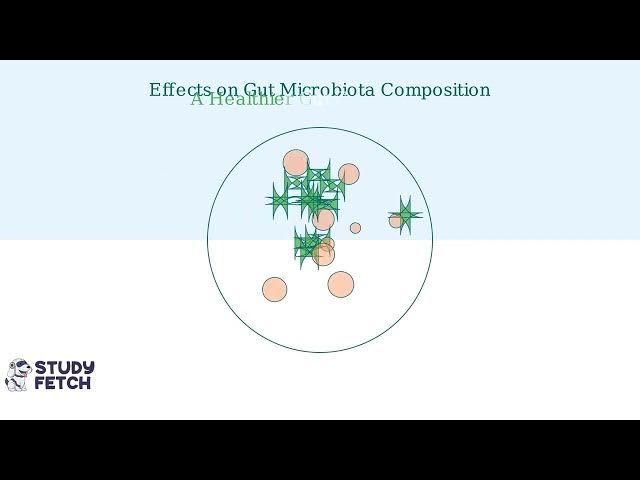
What are Prebiotics and How Do They Work?
Website: https://biologynotesonline.com/
Facebook: https://www.facebook.com/biologynotesonline
Instagram: https://www.instagram.com/biologynotesonline/?hl=en
Show More Show Less View Video Transcript
0:00
Welcome to our comprehensive guide on
0:02
prebiotics. Let's begin by understanding
0:04
gut microbota. Gut microbiota refers to
0:07
the trillions of microorganisms living
0:09
in our digestive tract. These include
0:12
bacteria, fungi, viruses, and other
0:14
microbes that form a complex ecosystem
0:16
within our intestines.
0:19
The gut microbiota plays crucial roles
0:21
in digestion, immune function,
0:23
protection against pathogens, vitamin
0:25
production, and overall health.
0:28
The composition of these microorganisms
0:31
can significantly impact our well-being,
0:33
which is why maintaining a healthy gut
0:35
microbiome is essential.
0:39
Gut bacteria perform numerous vital
0:41
functions in our body. They help break
0:43
down food components that human enzymes
0:45
cannot digest. They produce essential
0:48
vitamins like vitamin K and some B
0:50
vitamins, protect against harmful
0:52
pathogens, and interact with our immune
0:55
system. Research has linked the health
0:57
of our gut microbiome to various aspects
0:59
of our well-being. These include
1:02
digestive health, immune function,
1:04
mental health, and even weight
1:06
management.
1:07
Maintaining a diverse and balanced gut
1:10
microbiota is therefore crucial for
1:12
overall health.
1:18
What are prebiotics?
1:20
Prebiotics are non-digestible food
1:23
components that selectively stimulate
1:25
the growth and activity of beneficial
1:27
bacteria in the colon.
1:29
Unlike probiotics, which are live
1:31
beneficial bacteria, prebiotics serve as
1:34
food for beneficial microorganisms
1:36
already present in your gut, prebiotics
1:39
pass through the upper part of the
1:41
gastrointestinal tract, undigested.
1:45
They reach the colon where they are
1:47
fermented by beneficial bacteria.
1:51
This fermentation process promotes the
1:54
growth of these beneficial bacteria and
1:56
produces compounds that benefit our
1:58
health.
2:01
The concept of prebiotics was first
2:03
introduced by Gibson and Robert Freud in
2:05
1995.
2:06
They formulated a new concept for food
2:09
ingredients that could specifically
2:11
target beneficial gut bacteria. They
2:14
defined prebiotics as non-digestible
2:16
food ingredients that beneficially
2:18
affect the host by selectively
2:19
stimulating the growth and/or activity
2:22
of one or a limited number of bacteria
2:24
in the colon, thus improving host
2:27
health. This definition established
2:29
three key criteria. First, prebiotics
2:32
must be non-digestible. Second, they
2:34
selectively stimulate specific bacteria.
2:37
And third, they improve host health.
2:39
This groundbreaking definition laid the
2:41
foundation for understanding how certain
2:42
food components can specifically target
2:45
and enhance beneficial gut bacteria.
2:48
Most importantly, it distinguished
2:50
prebiotics from other dietary fibers,
2:52
establishing a new category of
2:54
functional food ingredients focused on
2:56
gut microbiota modulation.
3:00
The definition of prebiotics has evolved
3:02
over time to reflect advances in
3:04
scientific research.
3:07
At the 2008 International Scientific
3:10
Association for Probiotics and
3:12
Prebiotics meeting, experts updated the
3:14
definition based on new research
3:16
findings. For a food component to be
3:19
classified as a prebiotic, it must meet
3:21
three specific criteria. First, it must
3:24
resist digestion in the upper
3:26
gastrointestinal tract, allowing it to
3:28
reach the colon intact. Second, it must
3:30
be fermented by the intestinal microbota
3:33
in the colon. Third, it must selectively
3:36
stimulate the growth and activity of
3:37
beneficial bacteria, promoting health
3:40
benefits. These criteria help
3:42
distinguish true prebiotics from other
3:44
dietary fibers that may have different
3:46
effects on gut bacteria.
3:50
Understanding these criteria is
3:51
essential for identifying which food
3:53
components qualify as prebiotics.
3:56
Frucins are among the most wellstudied
3:58
prebiotics and include inulin and
4:00
fructosaccharides or FOS.
4:04
Inulin is a longchain fructton polymer
4:06
found naturally in foods like chory
4:08
root, Jerusalem artichokes and garlic.
4:12
FOS are shorter chain fructton that can
4:14
be found in foods like bananas, onions,
4:17
and asparagus.
4:20
Both inulin and FOS resist digestion in
4:22
the small intestine and reach the colon
4:24
intact.
4:29
In the colon, both inulin and foss are
4:32
fermented by beneficial bacteria,
4:34
particularly bifidobacteria. This
4:36
fermentation process produces
4:38
short-chain fatty acids that provide
4:40
numerous health benefits for the host.
4:44
Galactosaccharides
4:45
or goass are an important type of
4:47
prebiotic composed of chains of
4:49
galactose molecules with a glucose
4:51
molecule at the end.
4:54
Goas occur naturally in human milk and
4:56
are often added to infant formula to
4:59
mimic the prebiotic effects of breast
5:01
milk. They can also be found in legumes.
5:05
Go can be produced commercially from
5:07
lactose through enzyatic processes
5:10
making them widely available for various
5:12
food applications.
5:15
Go particularly promote the growth of
5:18
bifidobacteria and lactobacilli in the
5:20
gut which are beneficial bacteria that
5:23
support digestive health.
5:26
These beneficial bacteria are associated
5:28
with various health benefits including
5:30
improved digestion, enhanced immune
5:32
function and maintaining a healthy
5:34
intestinal barrier.
5:38
Resistant starch is a type of starch
5:41
that resists digestion in the small
5:43
intestine.
5:44
Unlike regular starch, resistant starch
5:46
passes through the small intestine
5:48
without being broken down.
5:55
Once it reaches the colon, resistant
5:57
starch serves as food for beneficial
5:59
bacteria. Resistant starch can be found
6:02
in several foods, including green
6:04
bananas, cooled cooked potatoes, and
6:06
legumes. Glucose derived
6:08
oligosaccharides are another category of
6:10
prebiotics produced from starch through
6:12
enzyatic processes. A key example is
6:15
isomalto oligosaccharides or imos which
6:18
consist of glucose units with specific
6:20
linkages that resist digestion in the
6:22
upper digestive tract. Both resistant
6:24
starch and glucose derived
6:26
olosaccharides support the growth of
6:28
beneficial bacteria in the gut. They
6:31
contribute to the production of
6:32
beneficial short- chain fatty acids,
6:34
improve gut health, and may help
6:37
regulate blood glucose levels.
6:41
Beyond the main types of prebiotics,
6:43
there are several other carbohydrate
6:45
olosaccharides with notable prebiotic
6:47
properties.
6:50
Xylosaccharides
6:51
or XOS are one such group. These are
6:54
found naturally in bamboo shoots,
6:56
various fruits and can be produced from
6:58
agricultural byproducts.
7:01
Pectic oligosaccharides are another
7:03
important group. These are derived from
7:05
pectin which is abundant in fruits
7:07
particularly in citrus peels and apple
7:10
pomace.
7:11
Manin oligosaccharides or moas represent
7:14
a third group. These unique prebiotics
7:17
are found in yeast cell walls, coffee
7:19
beans and various plant sources.
7:22
Each of these olosaccharides offers
7:24
unique benefits. XOS promotes beneficial
7:27
bifidtoacteria and enhances mineral
7:30
absorption. Pectic oligosaccharides
7:33
increase butyrate production and support
7:34
the intestinal barrier. MOS works
7:37
differently by binding to pathogenic
7:39
bacteria, preventing them from adhering
7:41
to intestinal cells. Research continues
7:43
to identify and characterize these
7:45
diverse prebiotic compounds and their
7:48
specific effects on gut microbiota.
7:51
Scientists are exploring how their
7:53
unique structures influence which
7:55
beneficial bacteria they feed and what
7:57
specific health benefits they may
7:59
provide.
8:02
While most prebiotics are carbohydrates,
8:04
researchers have identified
8:05
non-carbohydrate compounds that also
8:08
exhibit prebiotic properties.
8:11
These include polyphenols found in foods
8:14
like berries, tea, and cocoa, as well as
8:16
certain fatty acids and proteins.
8:22
These compounds can resist digestion in
8:25
the upper GI tract and selectively
8:27
promote beneficial bacteria in the
8:29
colon.
8:31
The discovery of non-carbohydrate
8:33
prebiotics has expanded our
8:35
understanding of how different food
8:37
components can influence gut microbiota
8:40
and open new avenues for prebiotic
8:42
research and development.
8:45
Prebiotics have a fundamental
8:47
characteristic that makes them unique.
8:50
Their ability to resist digestion in the
8:52
upper gastrointestinal tract. Let's
8:55
examine the molecular structure of
8:56
prebiotics. They contain special
8:59
chemical bonds, particularly beta bonds,
9:01
that human digestive enzymes cannot
9:04
break down. When prebiotics enter the
9:06
digestive system, they first pass
9:08
through the stomach. In the small
9:10
intestine, digestive enzymes attempt to
9:12
break down the prebiotics, but are
9:14
unable to cleave their unique molecular
9:17
bonds.
9:19
Due to this resistance to digestion,
9:21
prebiotics pass through the stomach and
9:23
small intestine relatively intact.
9:26
This unique property ensures prebiotics
9:28
reach the colon where beneficial
9:30
bacteria can ferment them, producing
9:33
compounds that benefit our health. To
9:35
summarize, there are three key points
9:37
about prebiotic resistance to digestion.
9:42
Prebiotics undergo a crucial
9:44
transformation when they reach the
9:46
colon. These non-digestible food
9:48
components arrive in the colon intact as
9:51
they resist breakdown in the upper
9:53
digestive tract. In the colon,
9:55
beneficial bacteria ferment these
9:57
prebiotic compounds, breaking them down
10:00
and using them as an energy source.
10:04
This fermentation process is selective
10:07
primarily benefiting healthpromoting
10:09
bacteria like bifidobacteria and
10:10
lactobacilli rather than potentially
10:13
harmful bacteria.
10:15
As the bacteria ferment prebiotics, they
10:17
multiply and produce important
10:19
metabolites including short-chain fatty
10:21
acids and other beneficial compounds.
10:24
This fermentation process is crucial for
10:27
the health benefits of prebiotics as it
10:29
increases beneficial bacterial
10:31
populations and produces compounds that
10:33
support gut and overall health.
10:36
Prebiotic fermentation in the colon
10:37
produces short-chain fatty acids or
10:40
SCFAs. This fermentation process creates
10:42
three primary SCFAs, acetate,
10:44
propionate, and butyrate.
10:47
These SCFAs serve as an important energy
10:49
source for colon cells and provide
10:52
numerous health benefits. Butyrate is
10:54
the preferred energy source for
10:56
colonocytes, the cells lining your
10:58
colon. It has powerful anti-inflammatory
11:01
and anti-cancer properties. Propionate
11:03
is transported to the liver where it
11:05
helps regulate cholesterol synthesis and
11:07
influences glucose metabolism. Acetate,
11:11
the most abundant SCFA, enters the
11:13
systemic circulation and can influence
11:15
metabolism in various tissues throughout
11:17
the body. These short- chain fatty acids
11:20
act as key mediators between your gut
11:22
microbiome and overall health,
11:25
highlighting the importance of consuming
11:27
prebiotics.
11:29
Prebiotics significantly influence the
11:31
composition of gut microbiota by
11:33
selectively promoting the growth of
11:35
beneficial bacteria. Regular consumption
11:38
of prebiotics can increase the abundance
11:40
of bifidobacteria and lactobacilli which
11:43
are beneficial bacteria in your gut. At
11:46
the same time, prebiotics can help
11:47
reduce populations of pathogenic
11:49
bacteria.
11:51
This shift in microbial composition
11:53
creates a healthier gut environment with
11:56
improved digestive function and enhanced
11:58
immunity.
12:00
Different prebiotics may selectively
12:03
promote different beneficial bacterial
12:05
species. This is why consuming a variety
12:07
of prebiotic sources can help maintain a
12:10
diverse and balanced gut microbiome,
12:13
which is essential for optimal health.
12:16
Prebiotics offer numerous benefits for
12:18
digestive health. They can help
12:20
alleviate constipation by increasing
12:22
stool bulk and improving transit time.
12:25
With prebiotics, matter moves more
12:27
efficiently through the digestive tract.
12:31
The short- chain fatty acids produced
12:33
during prebiotic fermentation help
12:35
maintain the integrity of the intestinal
12:37
barrier, reducing the risk of leaky gut.
12:41
Prebiotics may also help manage symptoms
12:43
of irritable bowel syndrome and
12:45
inflammatory bowel diseases by reducing
12:47
inflammation and promoting a healthier
12:50
gut environment.
12:53
Additionally, prebiotics can enhance
12:55
mineral absorption, particularly calcium
12:57
and magnesium in the colon.
13:03
The benefits of prebiotics extend far
13:05
beyond just the digestive tract.
13:08
Short-chain fatty acids or SCFAs
13:10
produced during prebiotic fermentation
13:12
in the gut enter the bloodstream.
13:14
Through the gut brain axis, prebiotics
13:17
can influence brain function and mental
13:19
health. These SCFAs can affect
13:21
metabolism in the liver as well as
13:23
muscles and atapose tissue throughout
13:25
the body. Prebiotics also modulate
13:28
immune function, potentially reducing
13:30
the risk of allergies and autoimmune
13:32
conditions.
13:34
This demonstrates how the effects of
13:36
prebiotics can be systemic rather than
13:39
just localized to the digestive tract.
13:42
Prebiotic fermentation in the gut
13:44
produces acids, primarily short-chain
13:47
fatty acids, which have an important
13:49
effect on gut pH. When prebiotics are
13:51
fermented by beneficial gut bacteria,
13:54
they produce short- chain fatty acids
13:56
like acetate, propionate, and butyrate.
13:59
These acids lower the pH of the colon
14:01
from around 6.7 to approximately 5.5,
14:04
creating a more acidic environment. This
14:07
acidic environment inhibits the growth
14:09
of potentially harmful bacteria, which
14:11
typically prefer a more neutral pH.
14:14
Pathogenic bacteria like claustrdium
14:16
diffosil and certain E.coli coli strains
14:18
are particularly inhibited in this
14:20
acidic environment.
14:22
Besides inhibiting harmful bacteria, the
14:24
lower pH enhances mineral solubility,
14:27
particularly calcium and magnesium,
14:29
improving their absorption. This pH
14:32
lowering effect is one of the key
14:33
mechanisms by which prebiotics promote a
14:36
healthier gut environment.
14:40
Prebiotics can influence the nervous
14:42
system through what scientists call the
14:43
gut brain axis. This is a birectional
14:47
communication system connecting your
14:49
digestive tract and your brain. When
14:52
prebiotics are fermented in your gut,
14:54
they produce short- chain fatty acids or
14:56
SCFAs. These SCFAs can influence
14:59
neurotransmitter production and function
15:01
in your brain. Research has shown
15:03
several important effects of prebiotics
15:05
on the nervous system. Studies show that
15:08
prebiotic consumption may reduce stress
15:10
responses and symptoms of anxiety.
15:13
Prebiotics have also been found to
15:15
reduce depression-like behaviors in
15:17
research models. Additionally, they may
15:20
improve cognitive function and memory.
15:22
Prebiotics may affect multiple regions
15:24
of the brain involved in mood regulation
15:27
and cognitive function. The connection
15:29
between gut microbiota and the brain
15:31
opens new possibilities for nutritional
15:34
approaches to brain health. Prebiotics
15:37
may play a role in mental health support
15:39
as an adjunct to traditional treatments.
15:42
They could potentially help in
15:43
neurological conditions by supporting
15:45
gut brain health. This emerging field is
15:48
creating exciting new possibilities for
15:50
dietary interventions to support brain
15:52
health.
15:54
As research continues, we're discovering
15:57
more about how the foods we eat affect
15:59
not just our digestive health, but our
16:01
brain function as well.
16:04
Let's examine fruits and vegetables that
16:06
are excellent prebiotic sources. Many
16:09
fruits and vegetables naturally contain
16:11
prebiotics that support gut health.
16:14
Bananas, especially when slightly
16:16
unripe, contain resistant starch and
16:18
fructosaccharides.
16:20
Jerusalem artichokes are one of the
16:21
richest sources of inulin, a powerful
16:24
prebiotic fiber.
16:26
Onions, garlic, and leaks contain
16:29
significant amounts of fruins that
16:30
support beneficial gut bacteria.
16:33
Asparagus is high in inulin and
16:35
fructosaccharides
16:36
which enhance mineral absorption in the
16:39
gut.
16:40
Chory root often used in coffee
16:42
substitutes is particularly rich in
16:44
inulin. Including a variety of these
16:47
plant foods in your diet can help ensure
16:49
you're getting different types of
16:50
prebiotics to support diverse beneficial
16:53
gut bacteria.
16:55
When prebiotics from these fruits and
16:58
vegetables reach the gut, they're
16:59
fermented by beneficial bacteria,
17:01
producing important compounds that
17:03
improve gut health. To optimize gut
17:06
health, aim to include a variety of
17:09
these prebiotic rich fruits and
17:10
vegetables in your daily diet.
17:14
Whole grains and legumes are important
17:16
sources of prebiotics for gut health.
17:19
Among grains, oats contain betaglucans
17:21
which have prebiotic properties. Barley
17:24
is rich in resistant starch and
17:26
betaglucans, making it another excellent
17:28
prebiotic grain. Legumes such as
17:31
chickpeas and lentils are great sources
17:33
of resistant starch and galacto
17:35
oligosaccharides. Beans provide
17:37
galactoolsaccharides
17:39
while soybeans are particularly high in
17:41
these beneficial compounds. These foods
17:44
not only provide prebiotics but also
17:46
offer other nutritional benefits.
17:48
They're rich in protein, fiber,
17:50
vitamins, and minerals, making them
17:53
valuable additions to a healthy diet
17:55
focused on gut health.
17:58
For those who may not get enough
17:59
prebiotics from food alone, supplements
18:02
are available. Common prebiotic
18:04
supplements include inulin powder, FOS
18:07
supplements, Jos supplements, and
18:09
resistant starch supplements. These are
18:11
often sold as powders that can be mixed
18:13
into beverages or foods or as capsules
18:16
for convenience.
18:18
When choosing a prebiotic supplement,
18:20
there are several important factors to
18:22
consider. First, it's important to start
18:25
with a low dose to see how your body
18:27
responds. Then, gradually increase the
18:29
amount to avoid digestive discomfort,
18:32
such as bloating or gas. Always choose
18:35
products from reputable manufacturers to
18:37
ensure quality and safety, and look for
18:40
supplements that have undergone
18:41
third-party testing to verify their
18:43
contents.
18:46
Some supplements combine multiple types
18:48
of prebiotics to provide broader
18:50
benefits. These formulations may include
18:52
inulin, foss, and go to support
18:55
different groups of beneficial bacteria
18:57
in your gut. Remember to consult with a
18:59
healthcare provider before starting any
19:01
supplement regimen, particularly if you
19:04
have existing health conditions.
19:08
Symbiotics are specialized products that
19:10
combine prebiotics and probiotics to
19:12
create a powerful synergistic effect in
19:15
your digestive system. The prebiotic
19:17
component provides essential nutrition
19:19
for both the probiotic bacteria in the
19:21
product and the beneficial bacteria
19:24
already living in your gut. This
19:26
strategic combination works through
19:28
multiple mechanisms. The prebiotics
19:30
selectively feed probiotic bacteria,
19:33
helping them thrive. They also nourish
19:35
your existing gut microbiome, creating
19:38
an environment that enhances bacterial
19:40
colonization and activity. Symbiotic
19:42
products come in various forms. These
19:45
include specially formulated yogurts
19:47
with added fiber, supplements
19:49
specifically designed as symbiotics and
19:51
fermented foods that have been enhanced
19:54
with prebiotic ingredients. Research
19:56
suggests that symbiotics offer enhanced
19:59
benefits compared to either prebiotics
20:01
or probiotics alone. These include
20:03
improved digestive health, strengthened
20:05
immune function, better bacterial
20:08
colonization, and greater overall
20:10
wellness benefits. Multiple studies have
20:12
demonstrated that this synergistic
20:14
approach may be more effective than
20:17
using either prebiotics or probiotics
20:19
separately. By combining these
20:21
complimentary components, symbiotics
20:24
represent an advanced approach to
20:26
supporting your gut microbiome health.
20:30
While prebiotics offer many health
20:32
benefits, some research suggests they
20:34
might have negative effects on lipid
20:36
profiles in certain individuals.
20:39
Some studies have found that high doses
20:41
of certain prebiotics might increase
20:43
triglyceride levels or alter cholesterol
20:45
metabolism in some people.
20:48
However, these effects are not
20:50
consistently observed and may depend on
20:52
the type of prebiotic dosage and
20:54
individual factors. Most research
20:57
actually indicates positive or neutral
20:59
effects on lipid profiles. If you have
21:02
concerns about lipid levels, it's
21:04
advisable to consult with a healthcare
21:06
provider before starting highdose
21:07
prebiotic supplementation.
21:11
A common limitation of prebiotics is
21:14
that they can cause digestive
21:15
discomfort, particularly when first
21:17
introduced or consumed in large amounts.
21:20
The fermentation process that makes
21:22
prebiotics beneficial can also produce
21:24
gas.
21:27
This can lead to bloating, flatulence,
21:29
abdominal discomfort, and sometimes
21:31
cramping. These side effects are
21:33
typically temporary and diminish as the
21:35
gut microbiota adapts to the increased
21:38
prebiotic intake. To minimize
21:40
discomfort, it's recommended to start
21:43
with small amounts of prebiotic foods or
21:45
supplements and gradually increase the
21:47
dose over time, allowing your digestive
21:50
system to adjust.
21:53
Consuming excessive amounts of
21:55
prebiotics can lead to several issues
21:57
that are important to understand.
22:00
High doses of prebiotics can cause
22:02
significant digestive discomfort,
22:04
including severe bloating, gas, and
22:06
diarrhea. They may also lead to an
22:08
imbalance in gut bacteria if certain
22:10
beneficial strains are overstimulated at
22:12
the expense of others. Additionally,
22:15
very high doses of prebiotics might
22:18
interfere with the absorption of certain
22:20
medications.
22:22
The appropriate dose varies depending on
22:24
the individual and the type of
22:25
prebiotic.
22:27
Generally, it's best to start with a low
22:30
dose and gradually increase it as your
22:32
digestive system adapts. Always follow
22:35
recommended guidelines on product labels
22:37
and consult with a health care provider
22:39
before taking highdosese prebiotic
22:41
supplements.
22:43
Remember that with prebiotics, more is
22:45
not always better. Finding the right
22:47
dose that provides benefits without
22:49
causing side effects is key.
22:52
Understanding these potential issues can
22:55
help you use prebiotics safely and
22:57
effectively.
23:00
Some individuals may experience
23:02
gastroosophageal reflux when consuming
23:04
prebiotic foods or supplements. The
23:07
fermentation process that occurs when
23:09
gut bacteria break down prebiotics can
23:11
increase gas production in the digestive
23:14
tract. This gas accumulates and creates
23:17
pressure within the digestive system. As
23:19
this pressure builds, it can push
23:21
against the lower esophageal sphincter,
23:24
which normally keeps stomach acid from
23:26
flowing back into the esophagus. When
23:28
this sphincter is compromised, stomach
23:30
acid can flow backward into the
23:32
esophagus, causing the burning sensation
23:35
known as acid reflux.
23:38
Foods high in fruins such as onions and
23:40
garlic are common triggers for both gas
23:43
production and reflux in sensitive
23:44
individuals. If you experience reflux
23:47
symptoms after consuming prebiotic foods
23:50
or supplements, there are several
23:52
strategies that may help. Consider
23:54
consuming smaller portions, avoiding
23:56
prebiotics before bedtime, or choosing
23:59
different types of prebiotics that don't
24:01
trigger your symptoms.
#Nutrition
#Biological Sciences